Project Type: Professional Project with ANOBO INTERNATIONAL EDUCATION
Project Location: Today Art Museum, Beijing, China
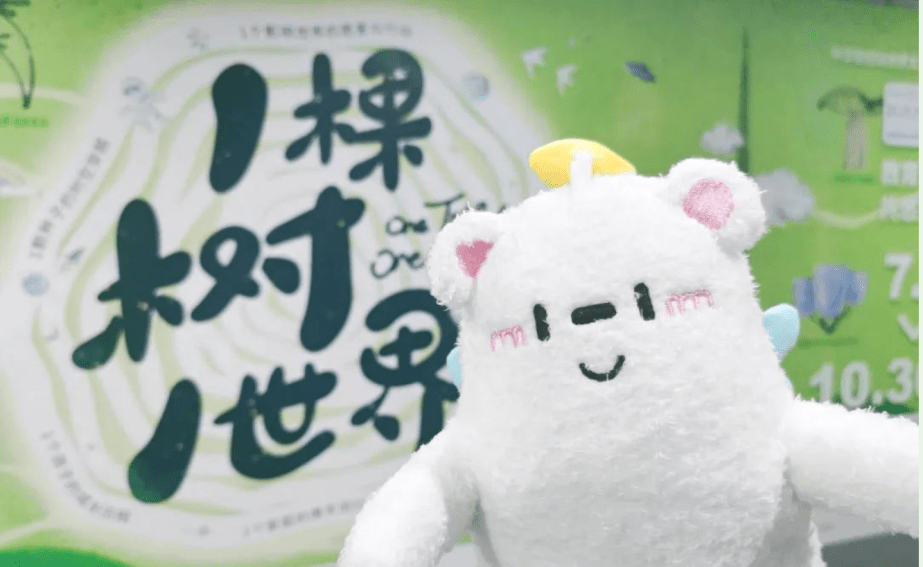
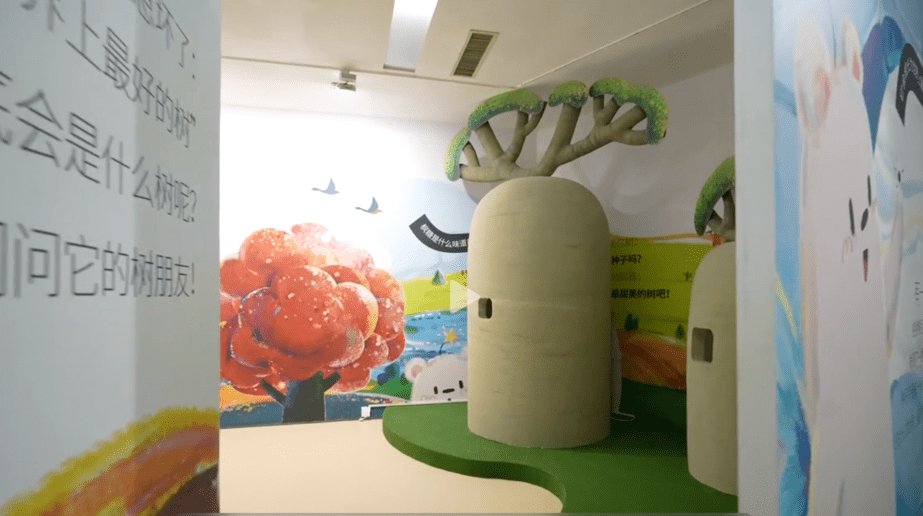
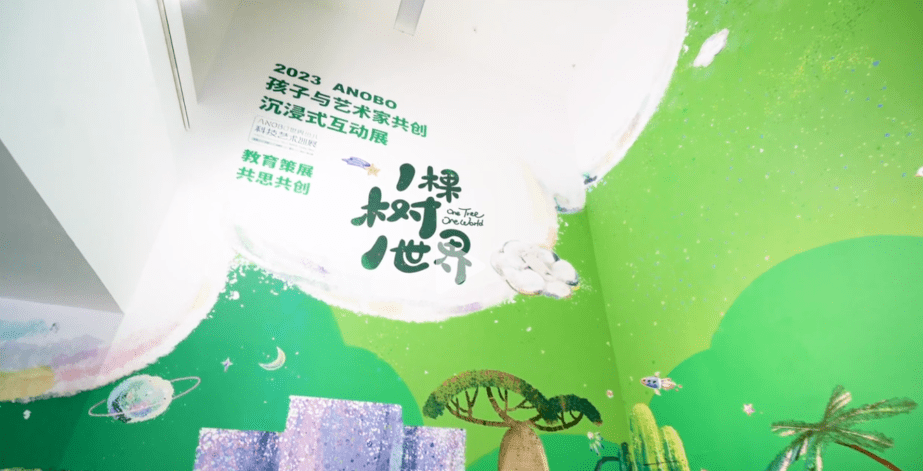
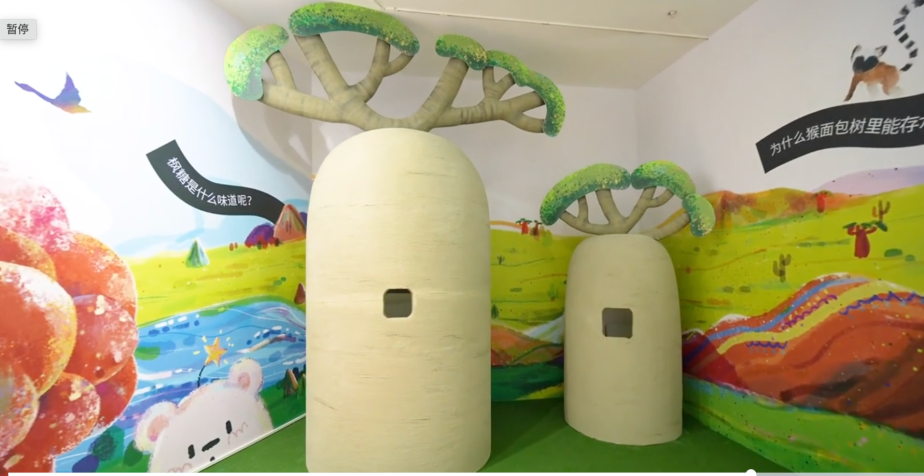
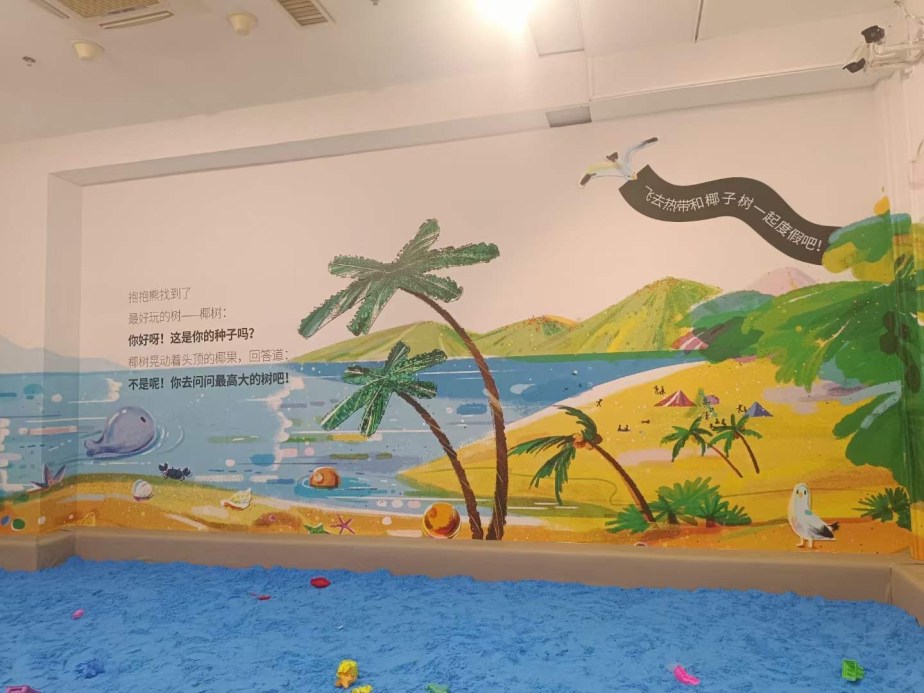
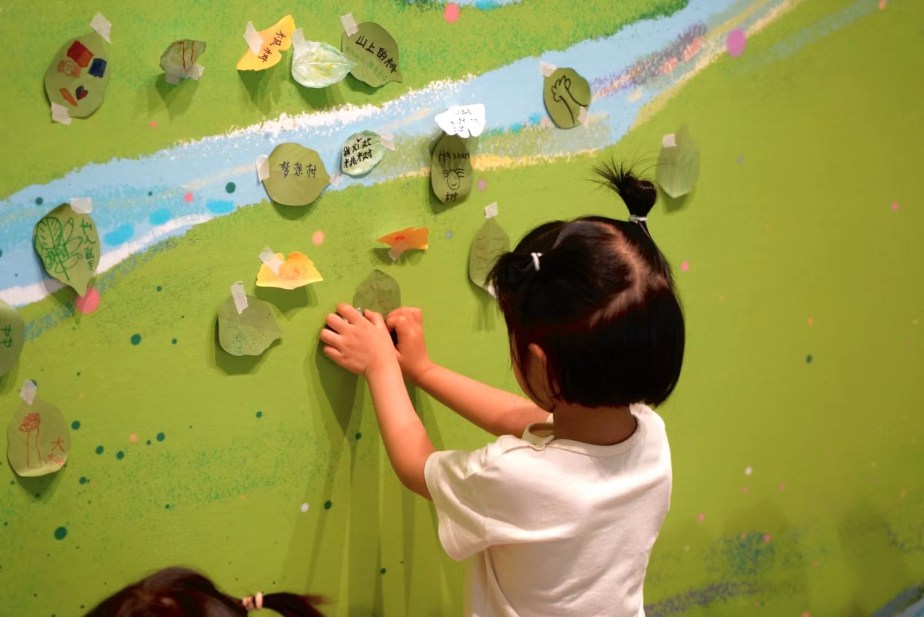
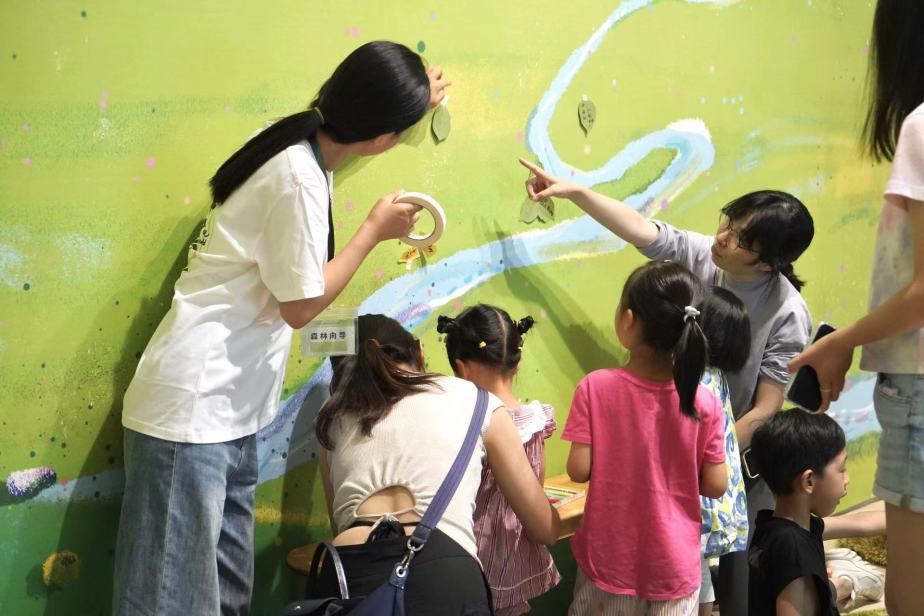
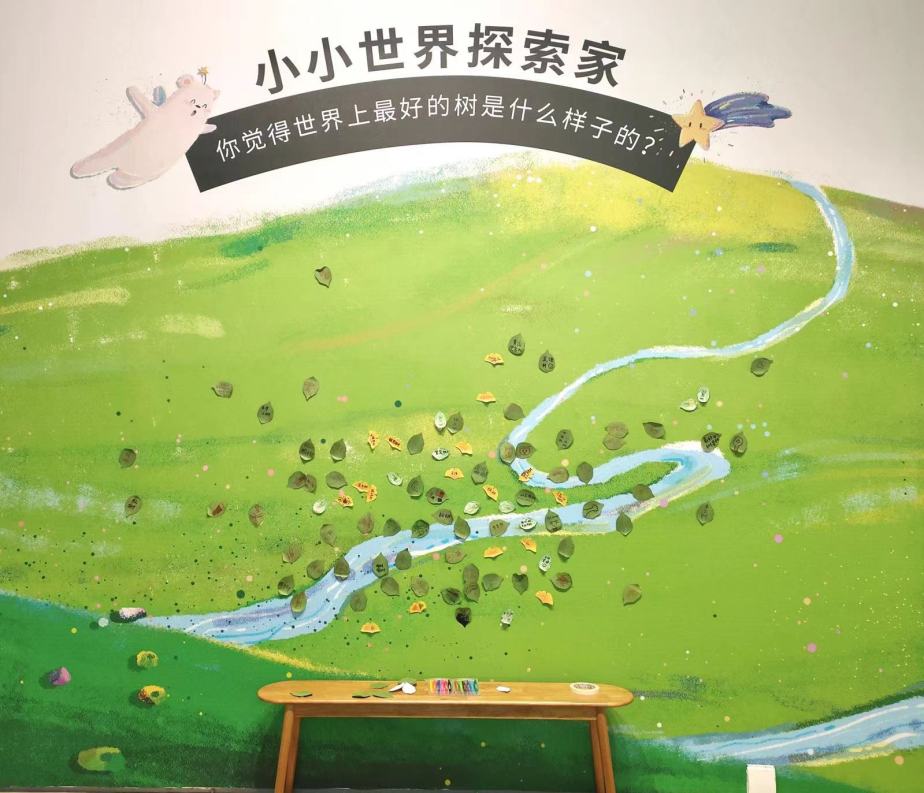
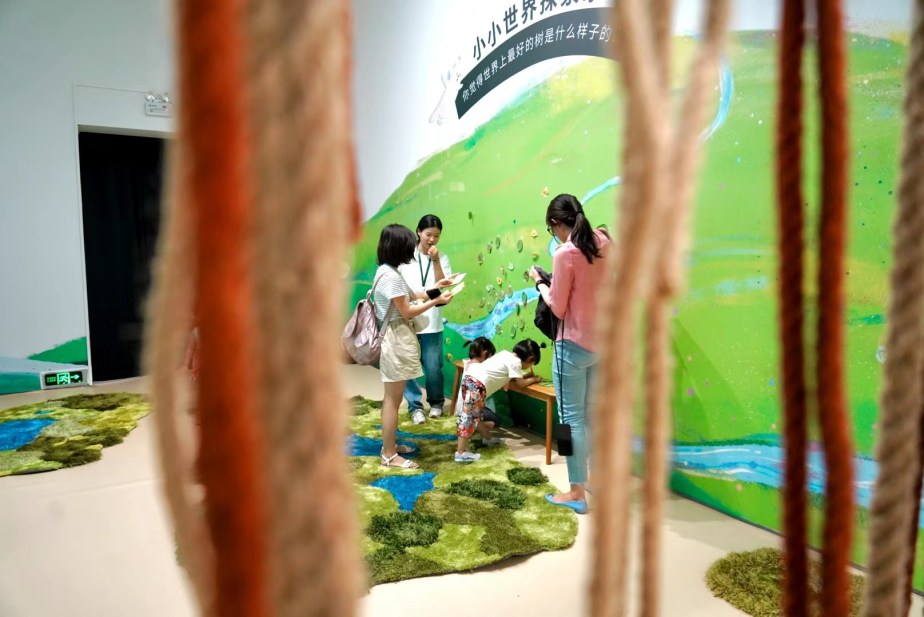
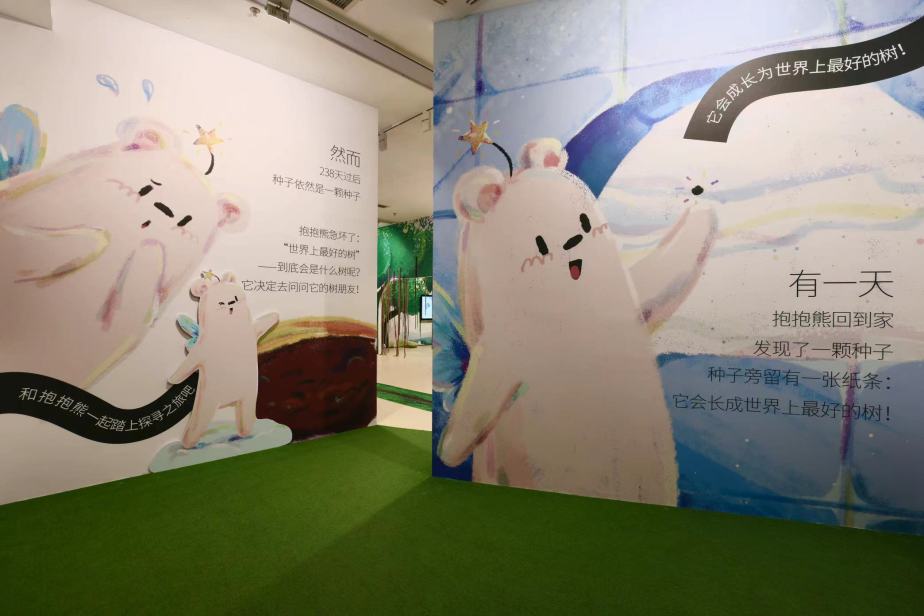
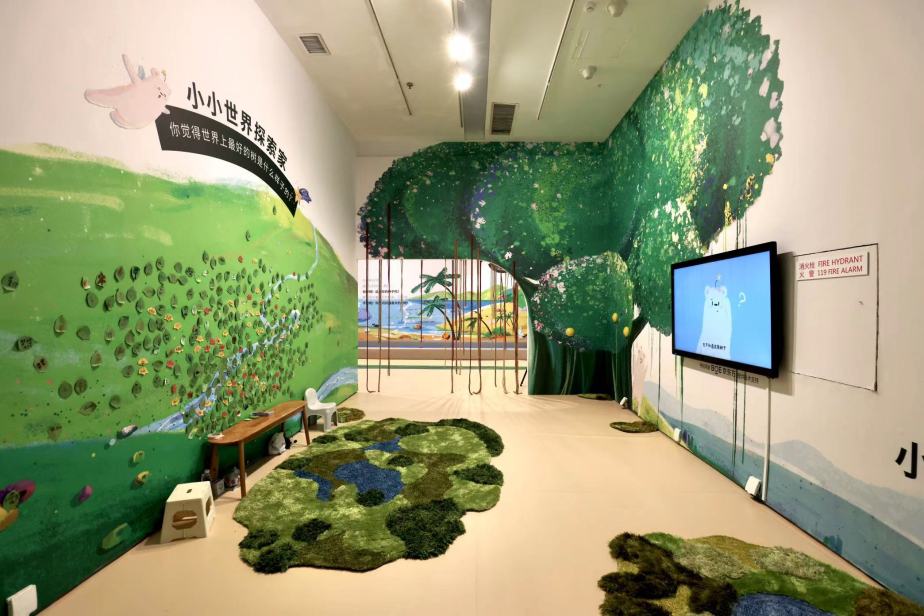
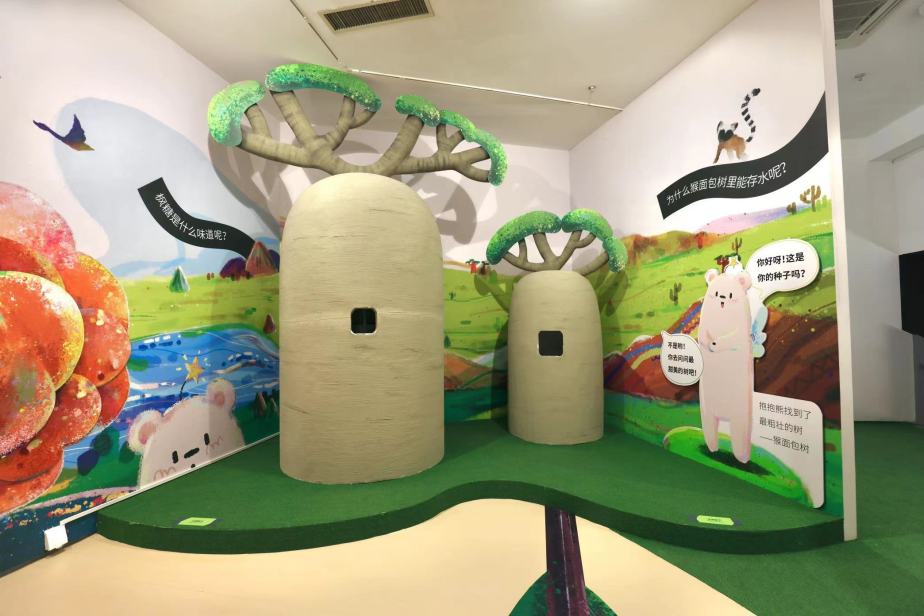
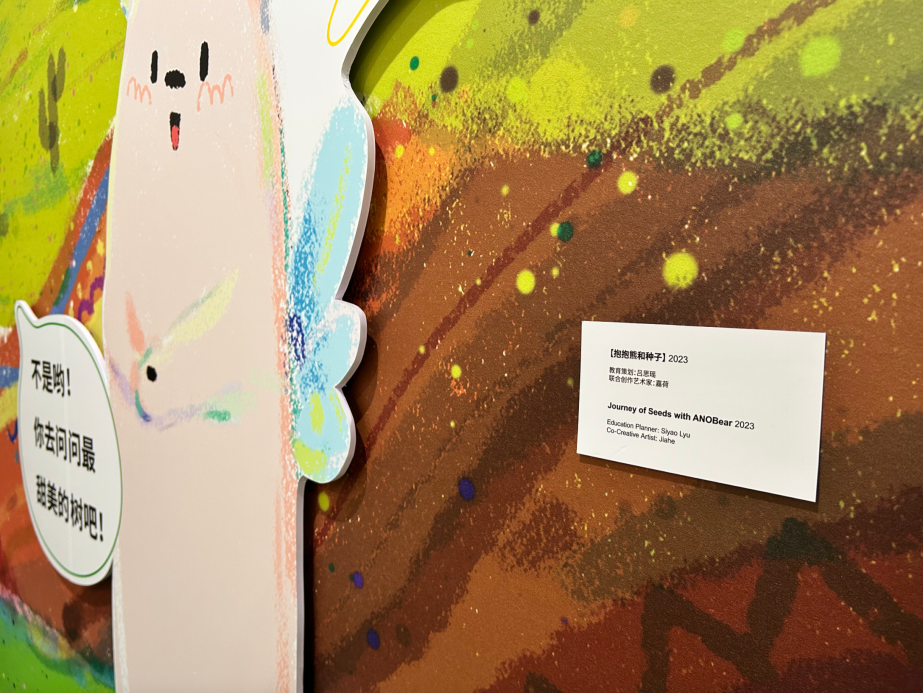
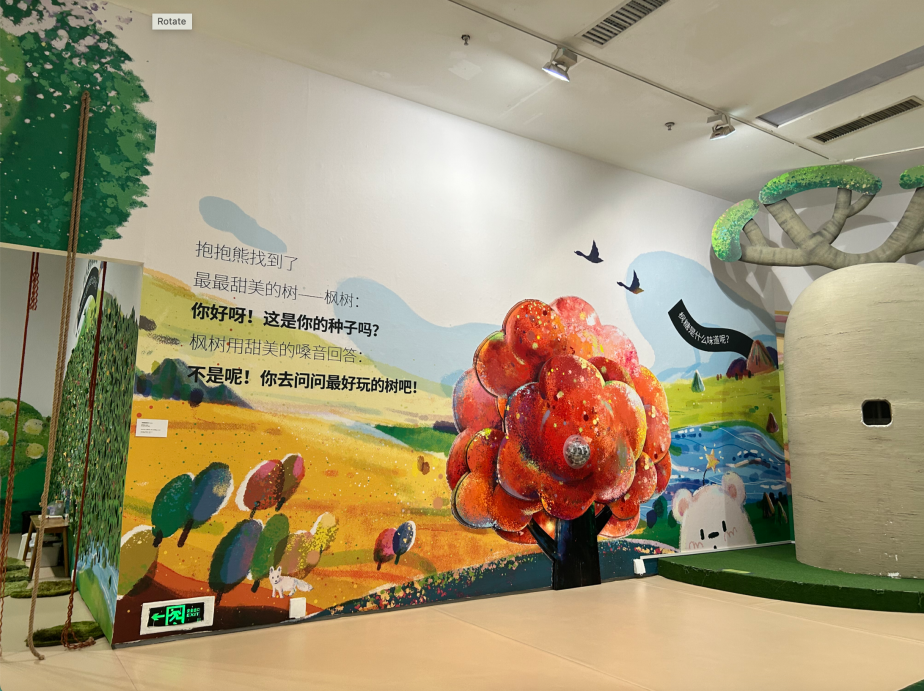
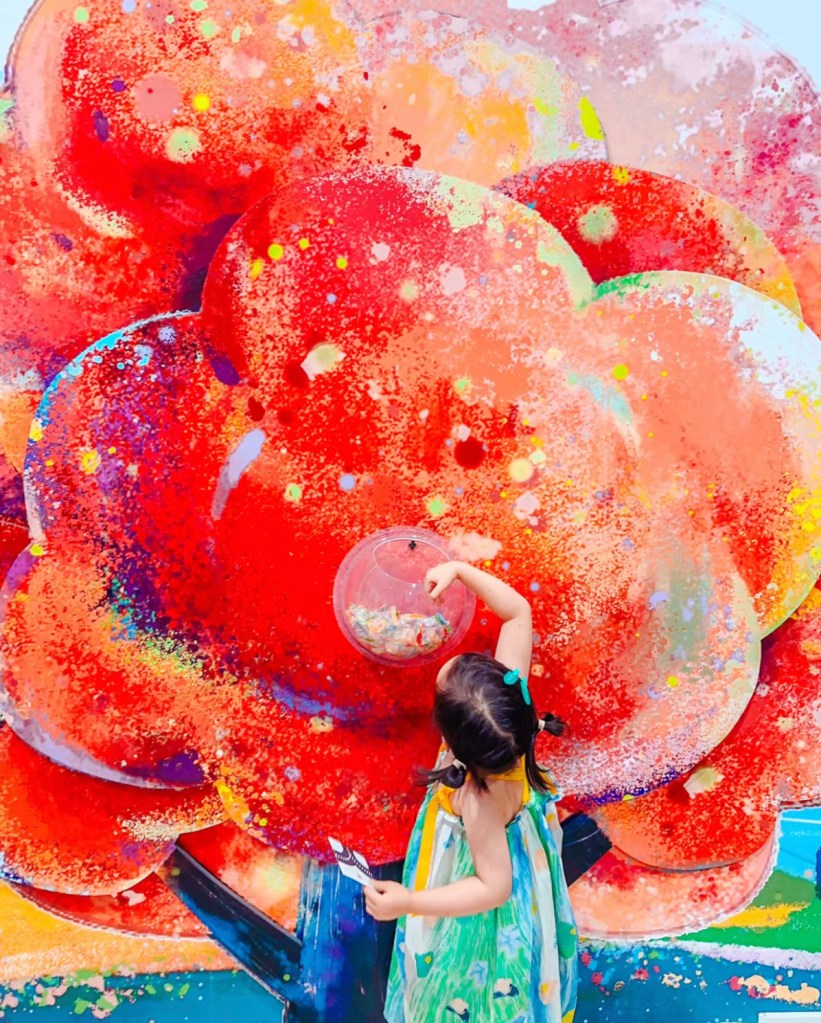
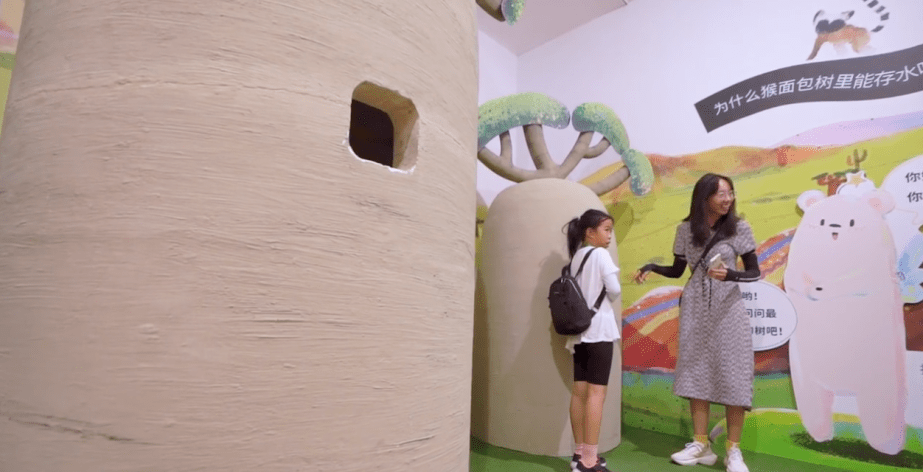
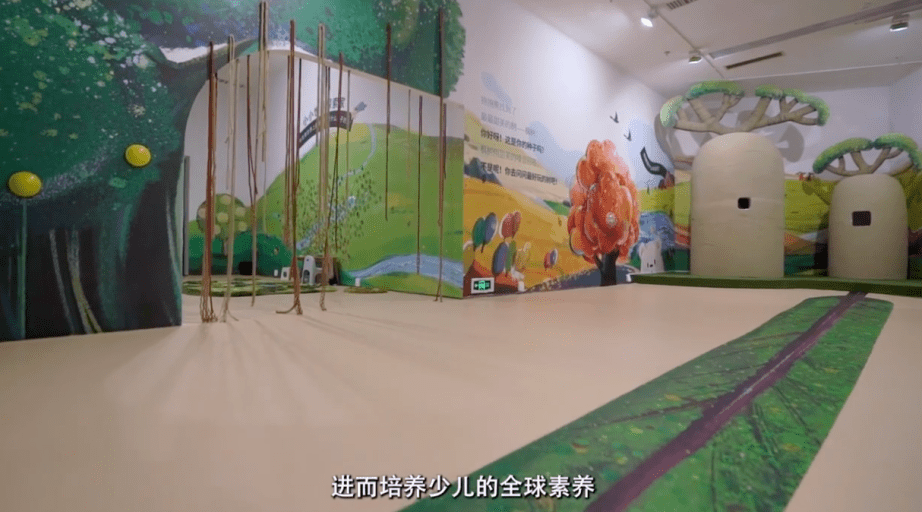
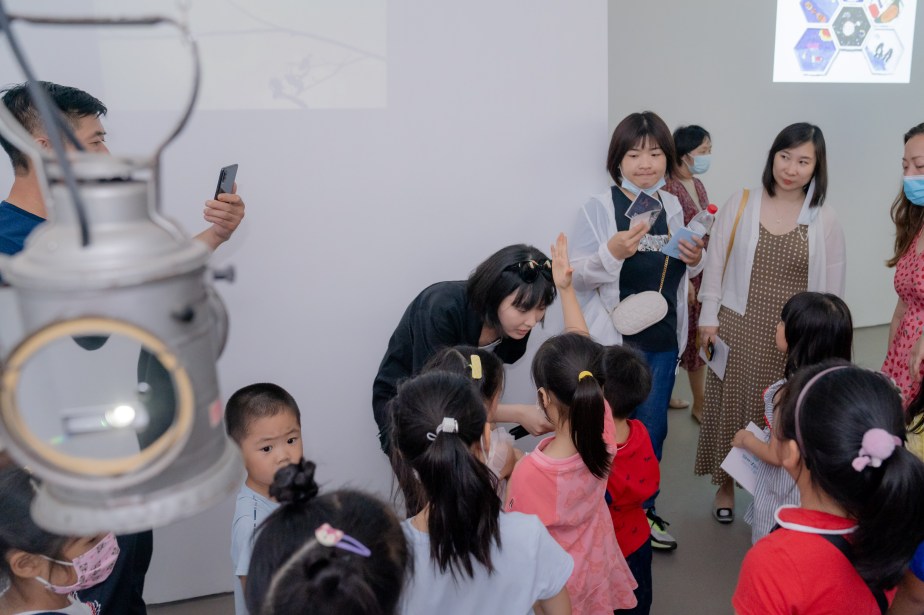
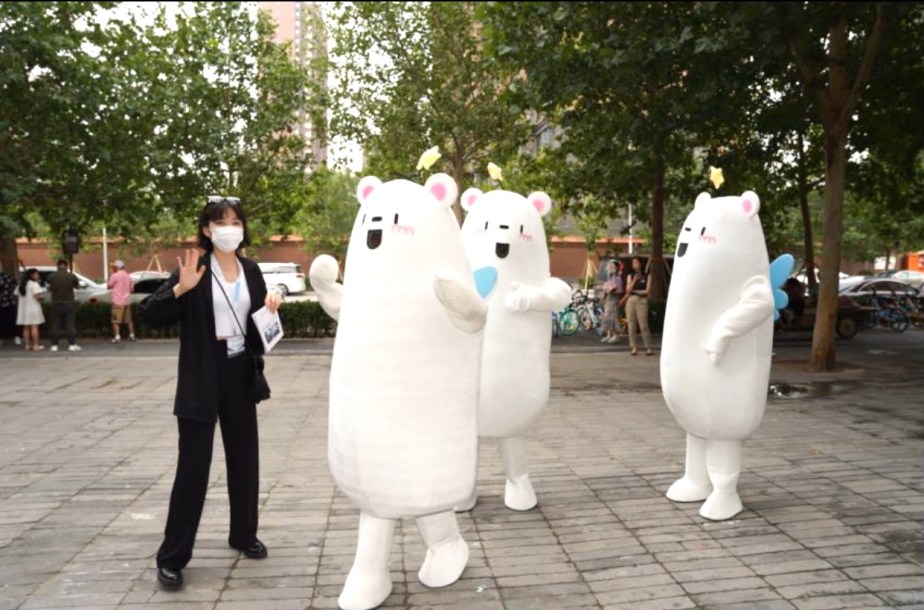
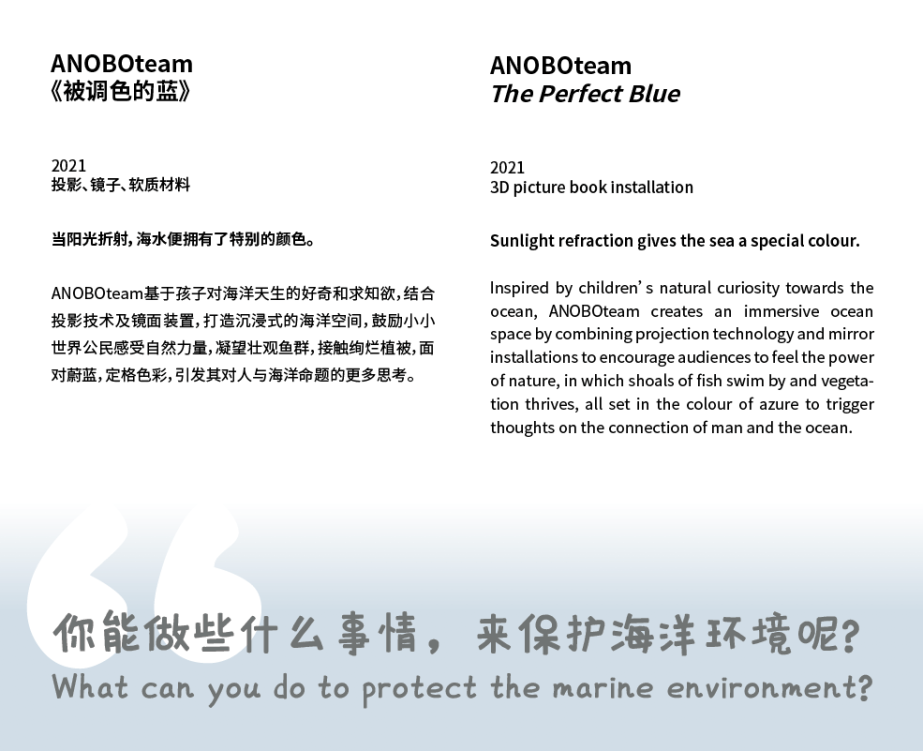
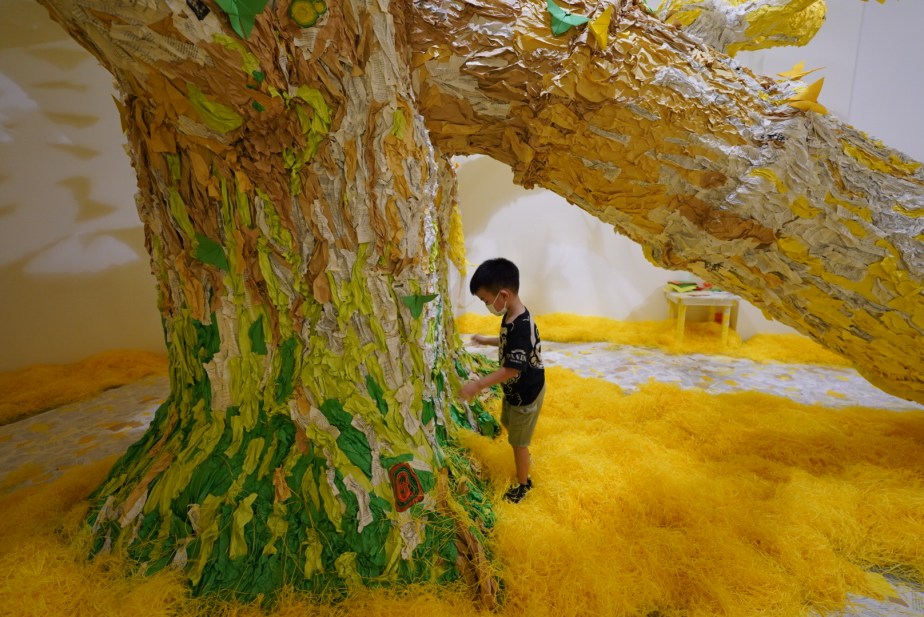
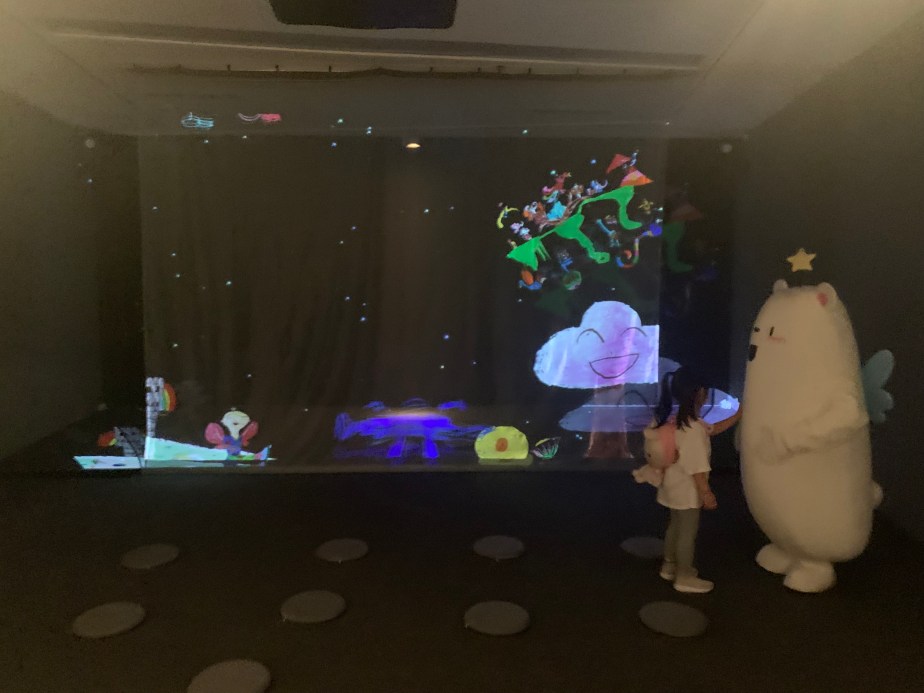
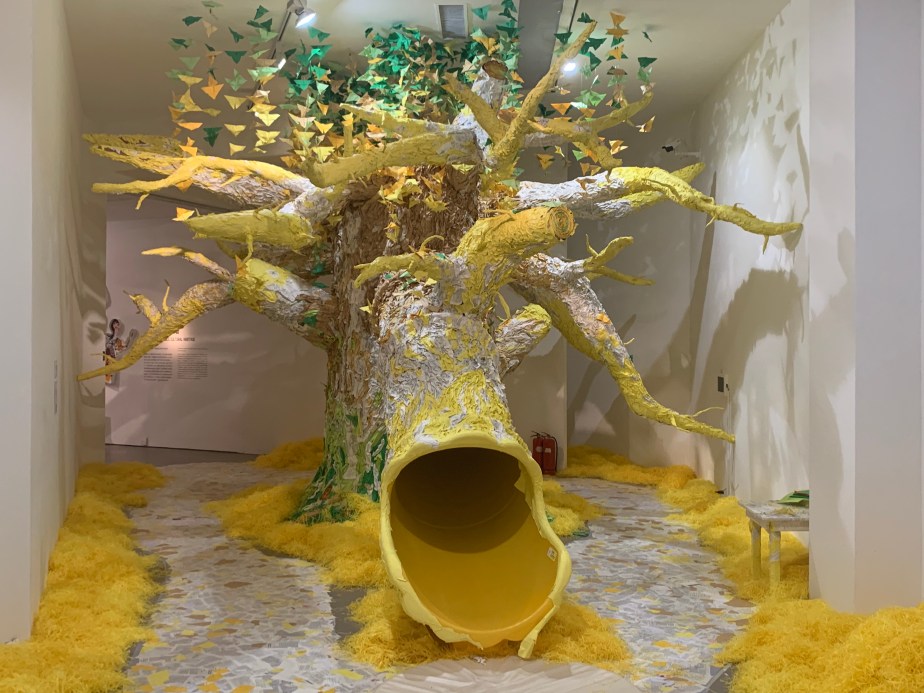
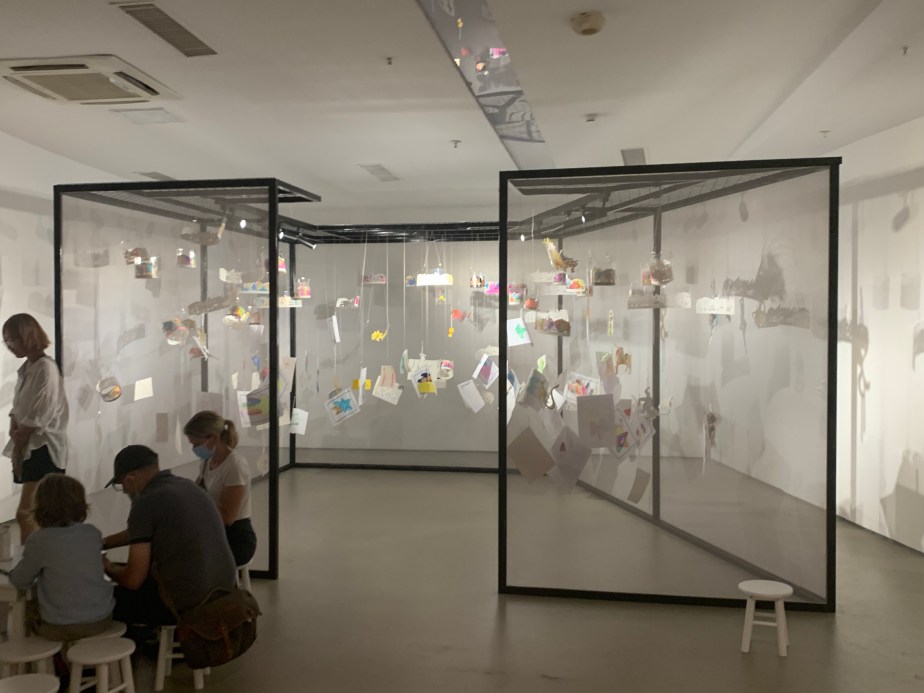
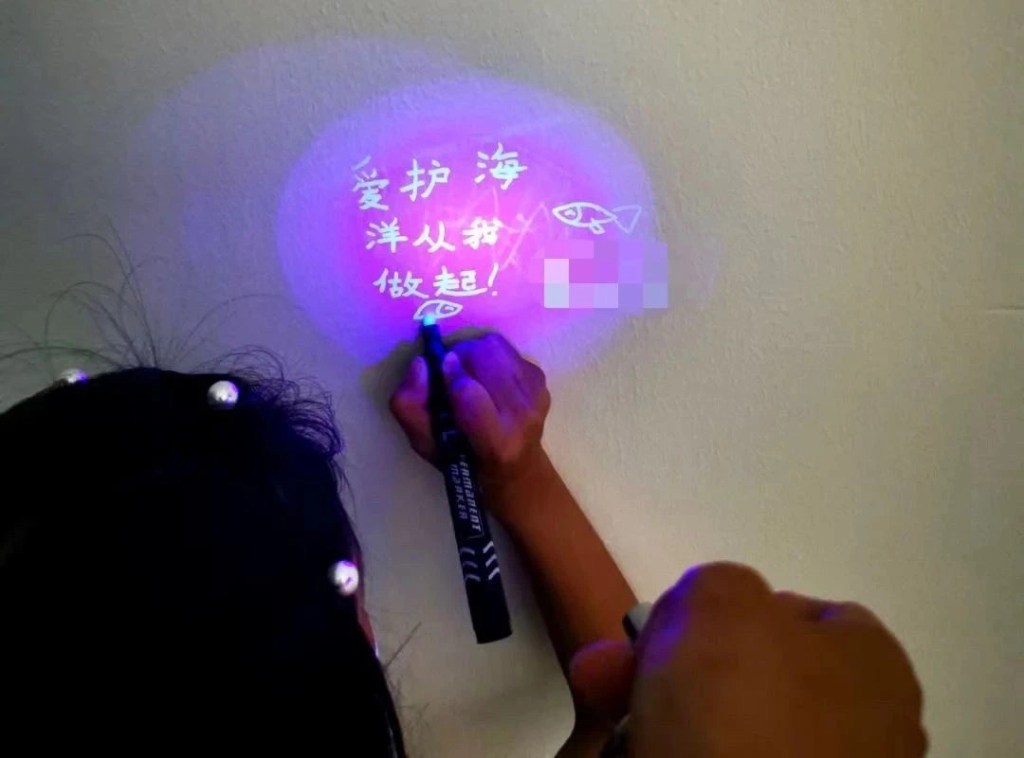
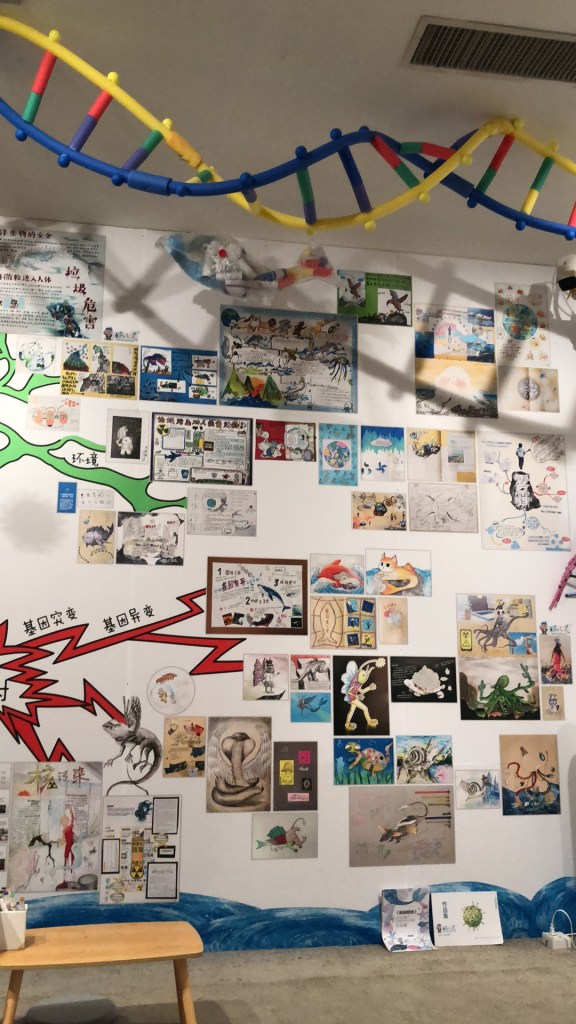
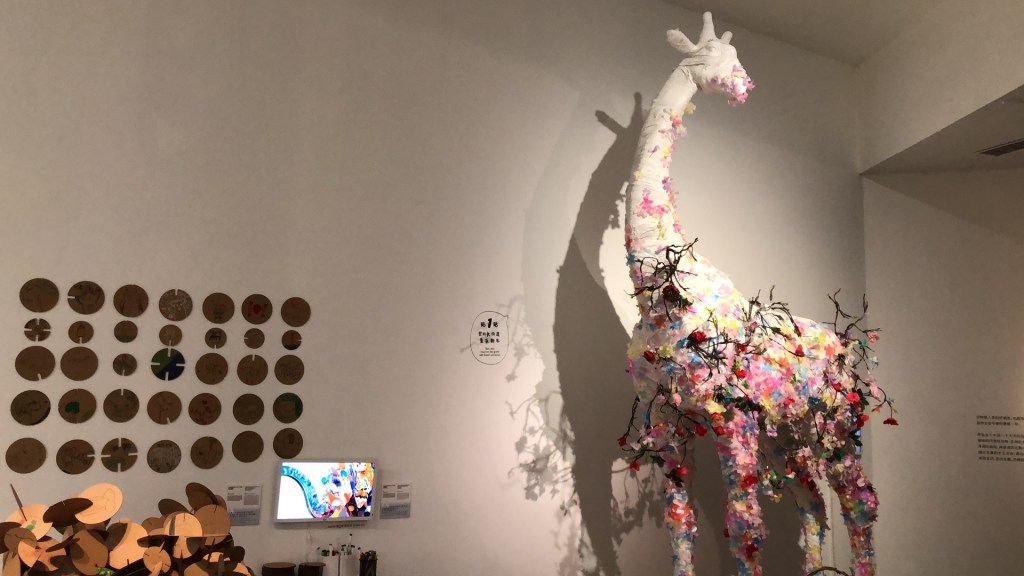
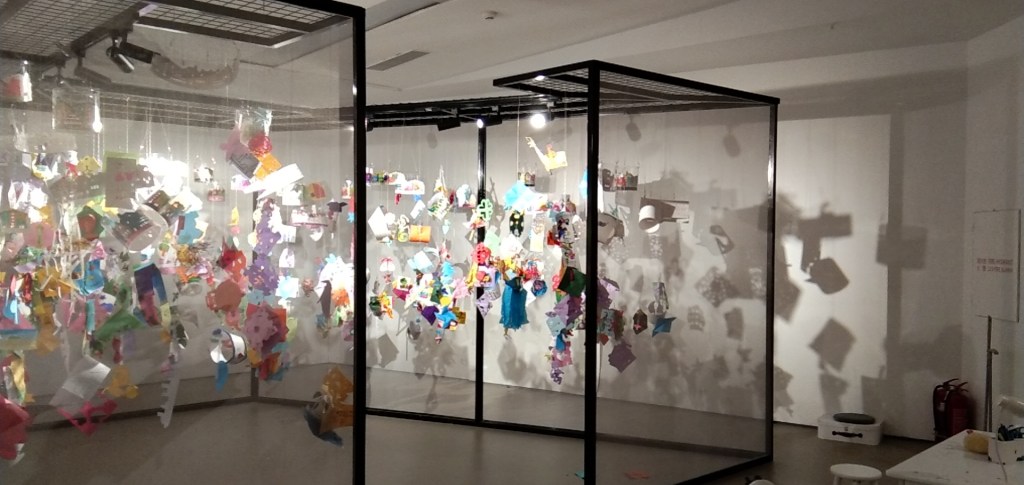
My Role in the Team: Educational Interaction Designer for Journey of Seeds with ANObear
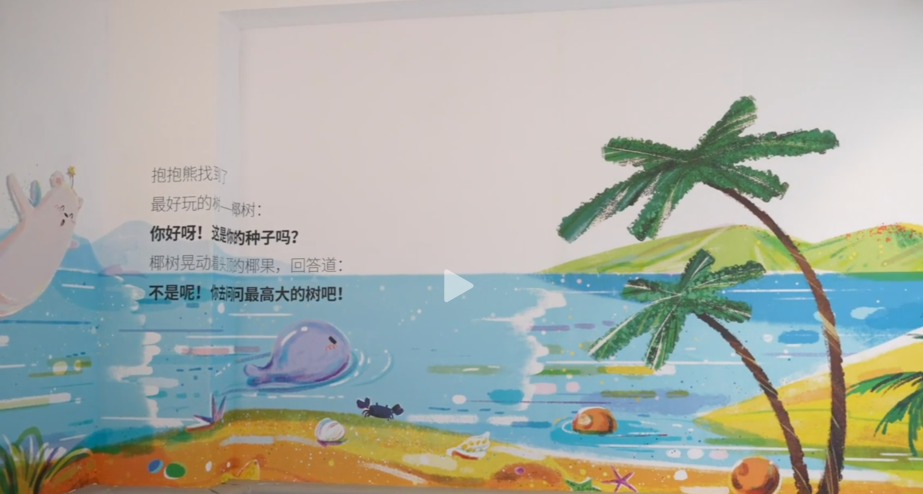
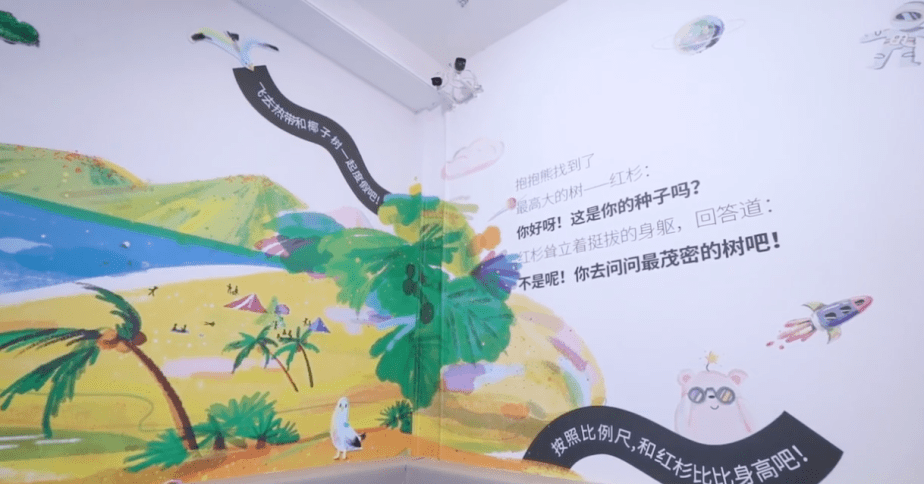
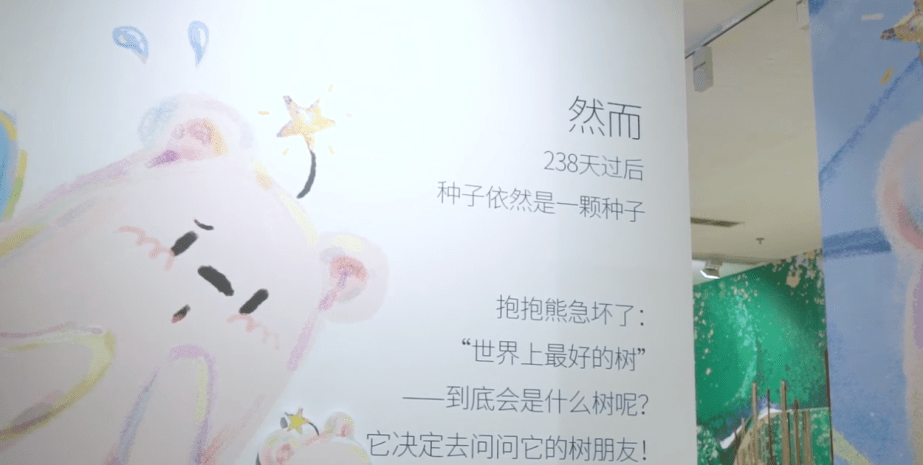
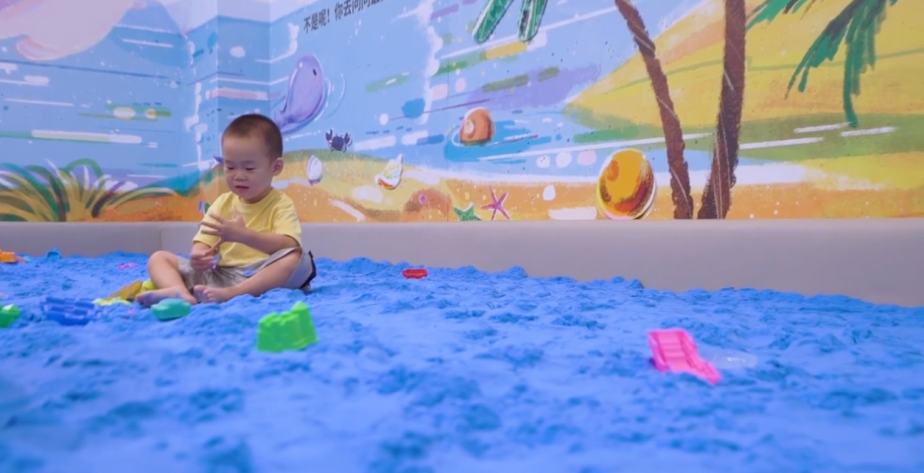
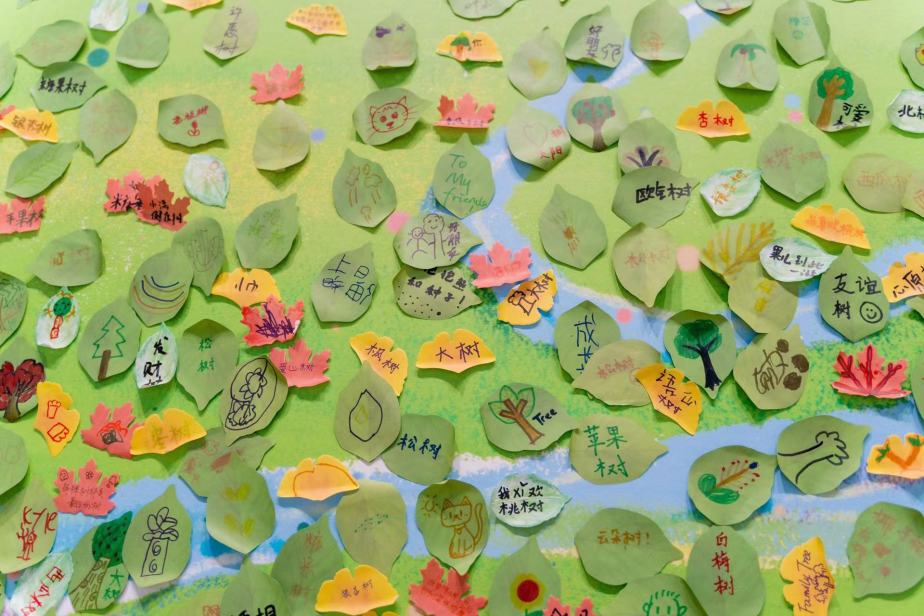
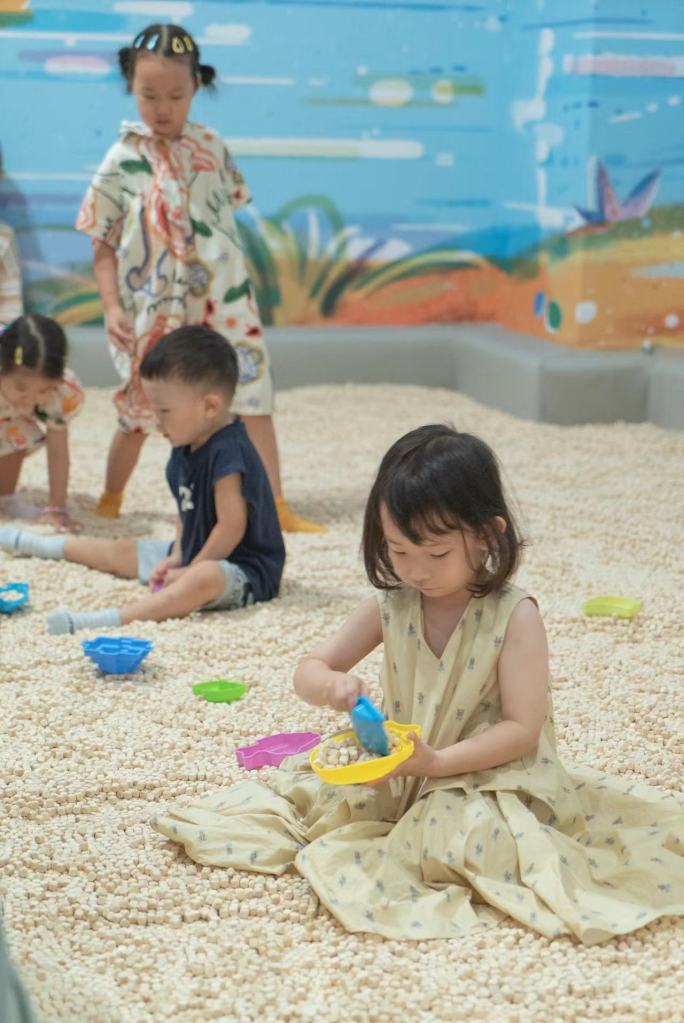
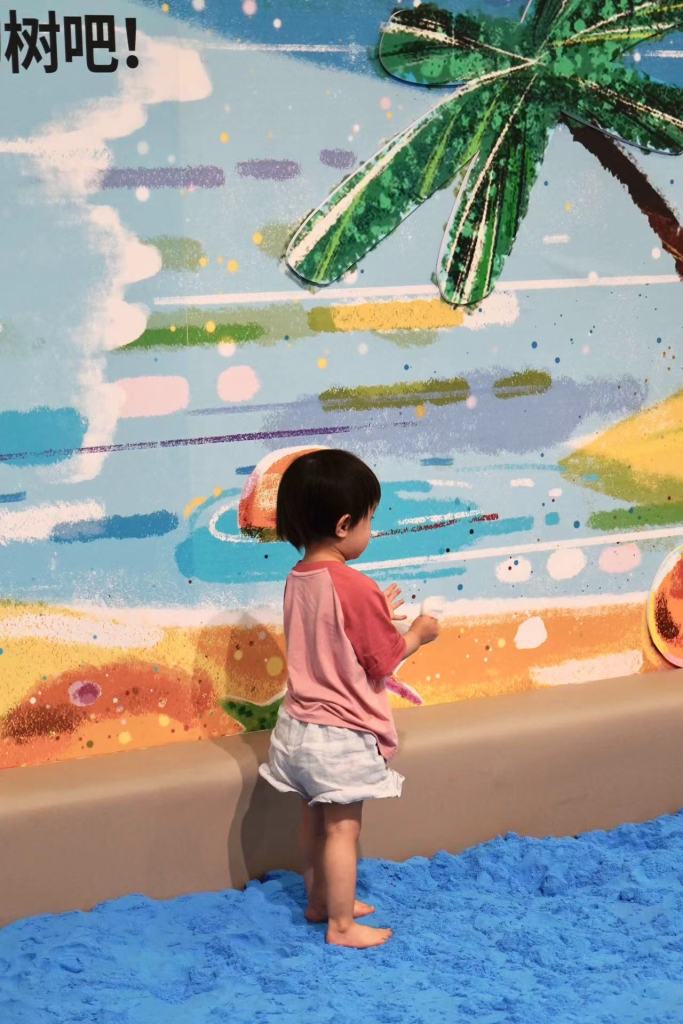
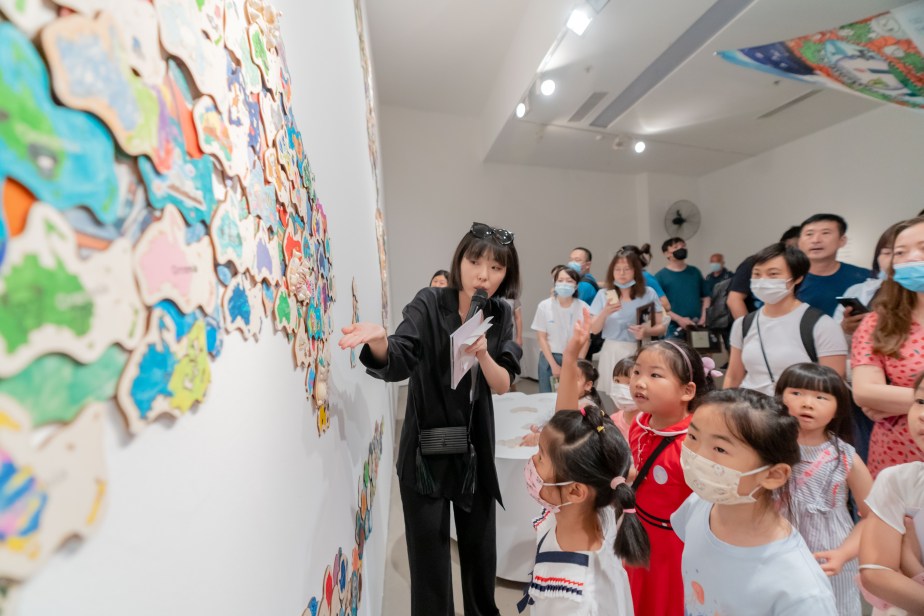
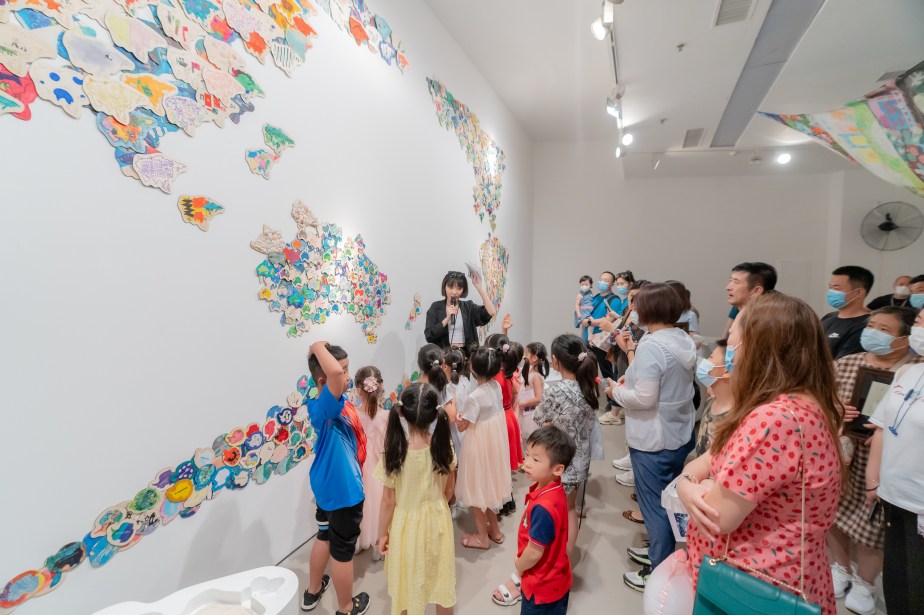
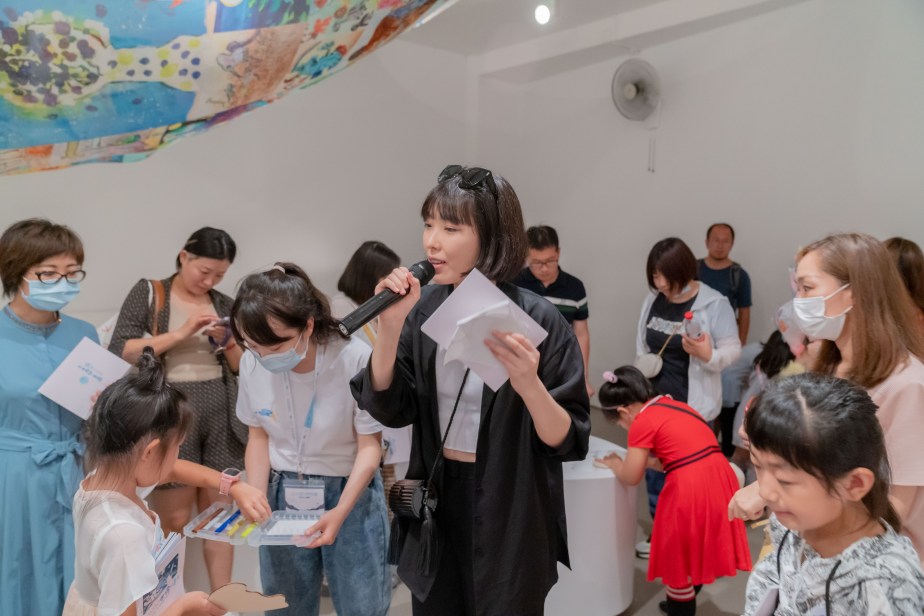
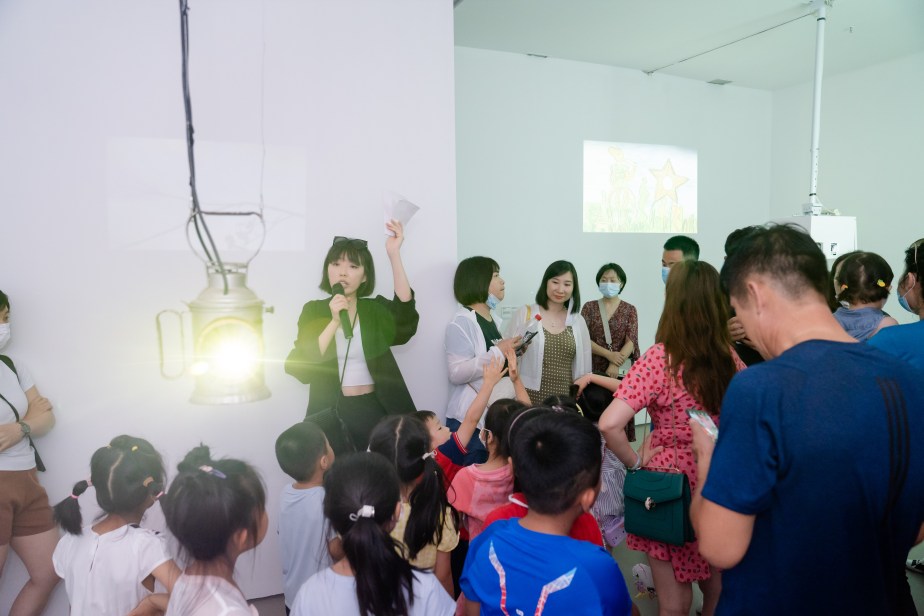
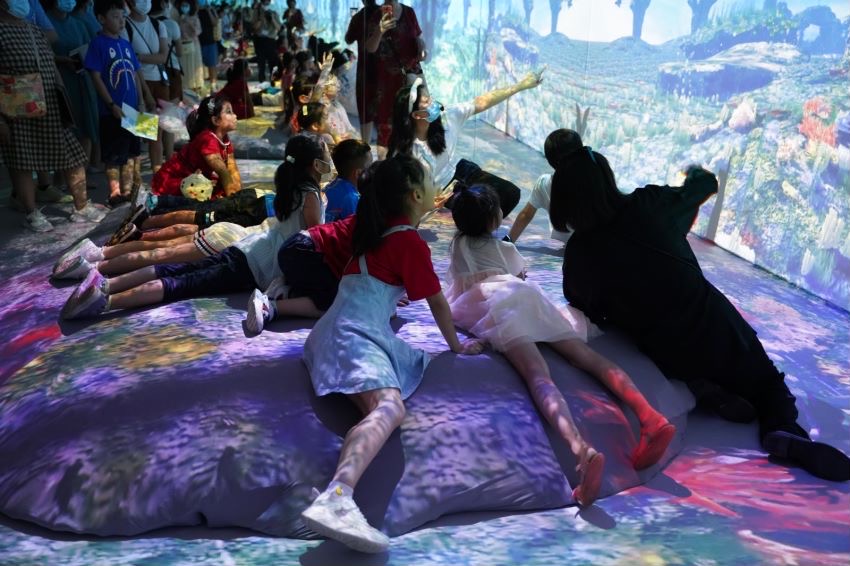
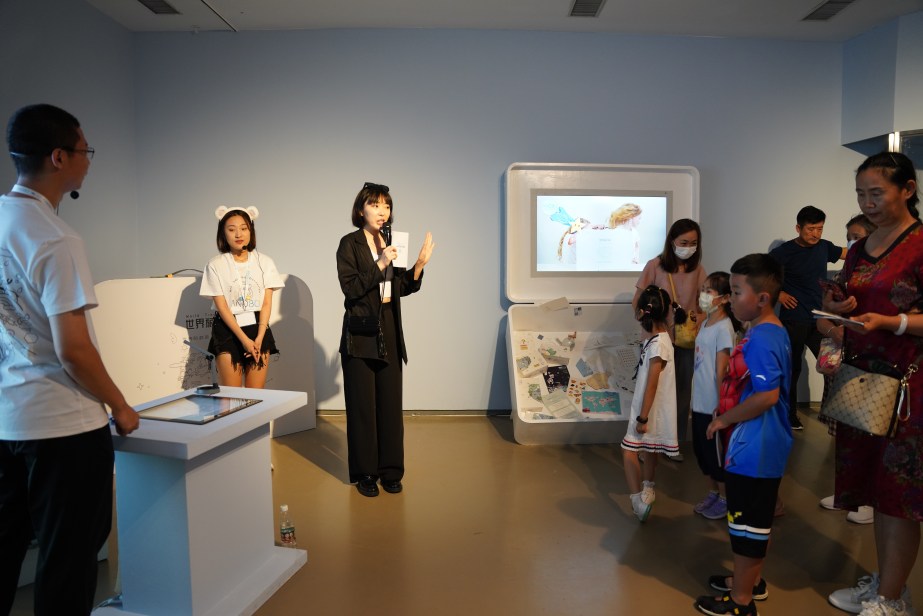
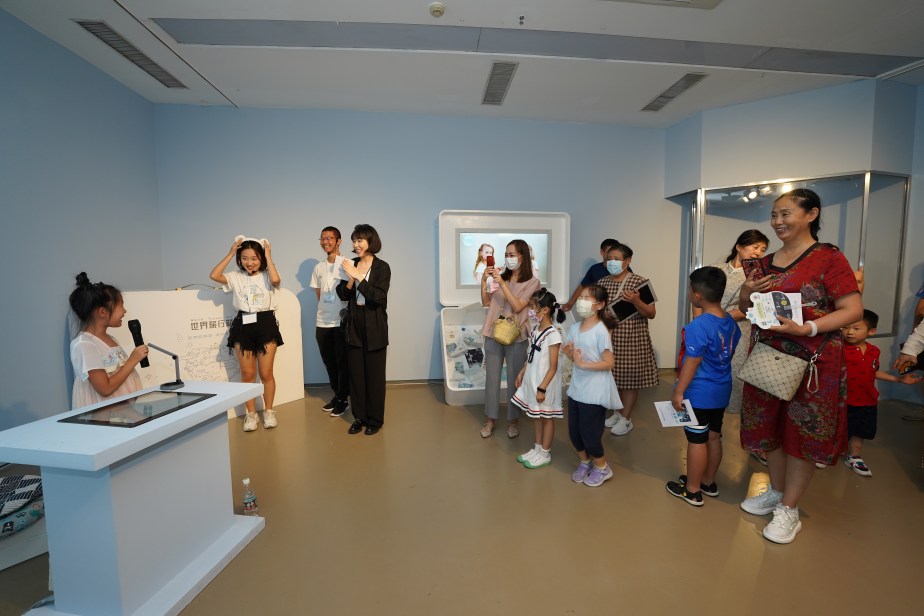
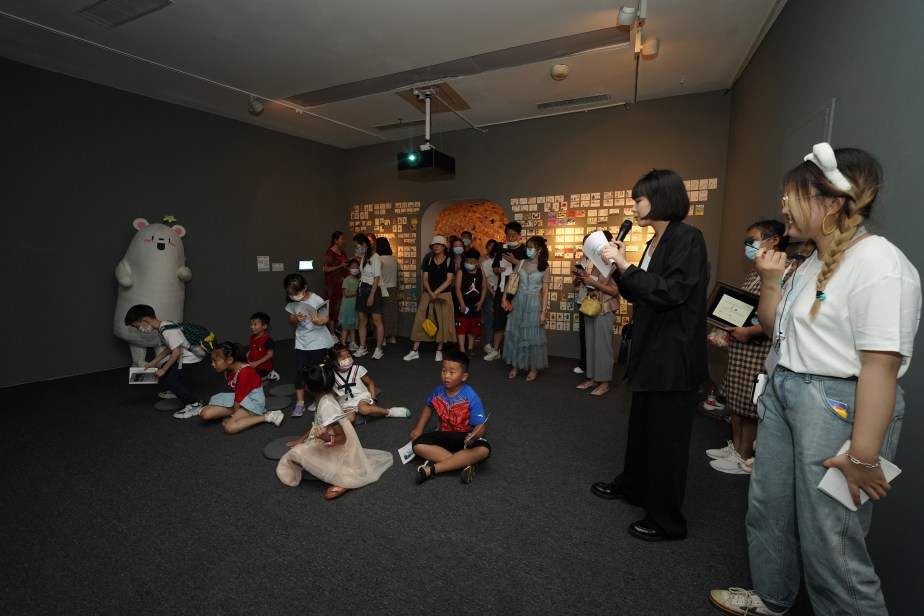
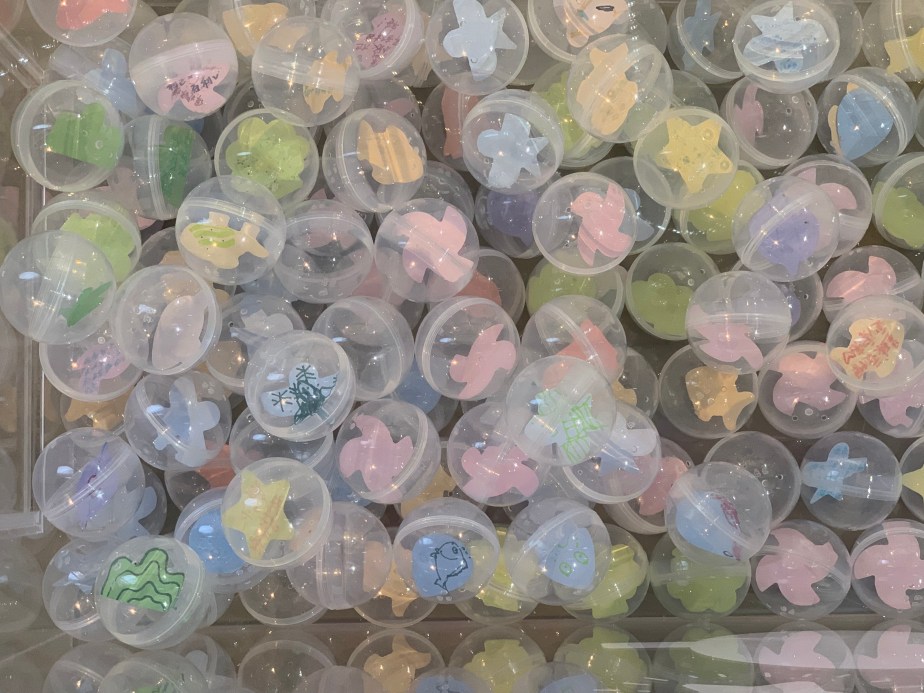
I was responsible for writing the wall text (the storyline of the work & the knowledge tips for each exhibit item), designing the interaction experience (how children can interact with the exhibit items in a way that they can have fun while learning some knowledge about a certain tree), and setting the learning goals of the work Journey of Seeds with ANObear.
Project Type: Professional Project for ChenTianLong Art Museum, Wenzhou Kean University
Project Location: Wenzhou, China
My Role in the Team: Lead Gallery Experience Designer
Project Date: Starting from May, 2022
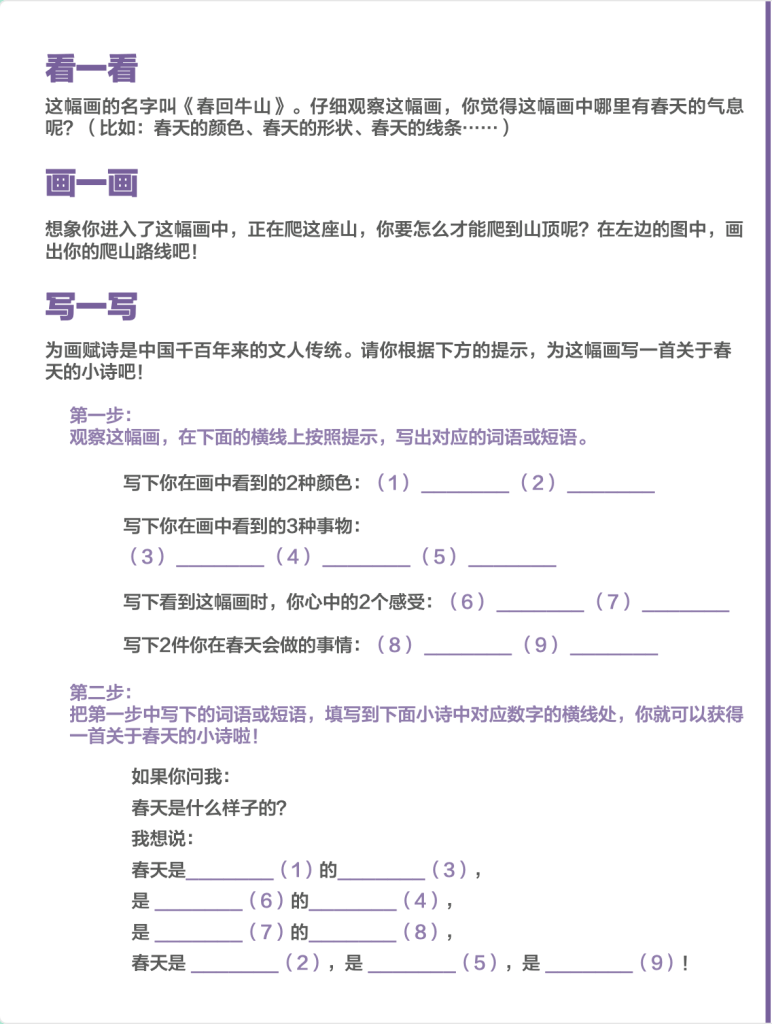
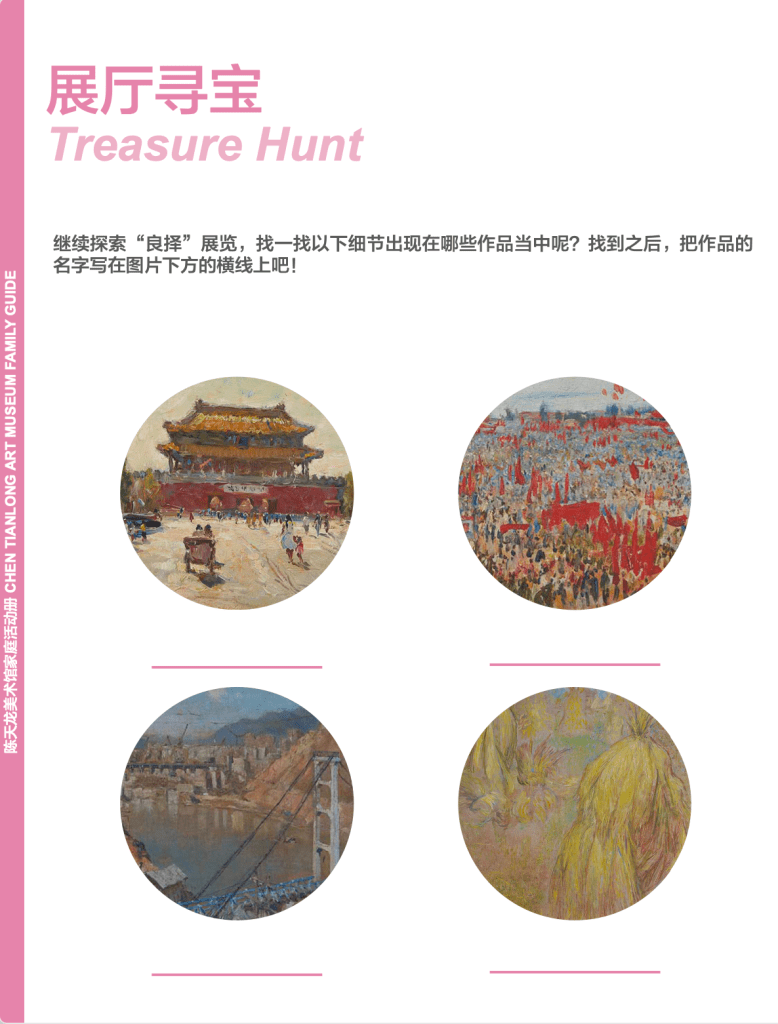
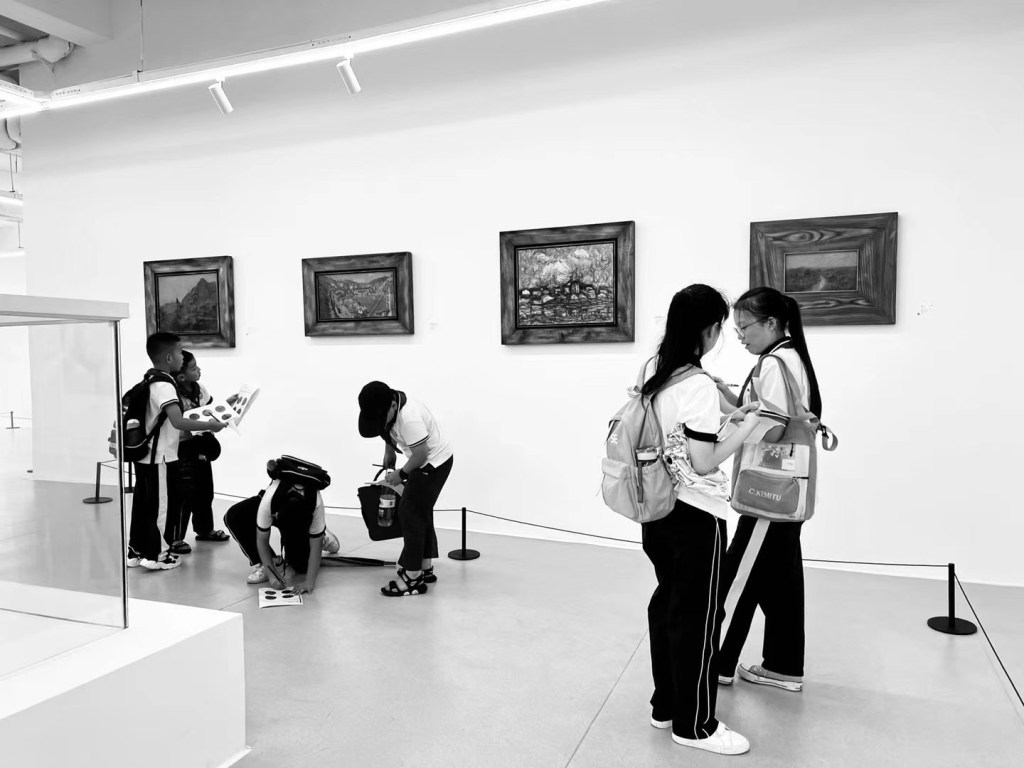
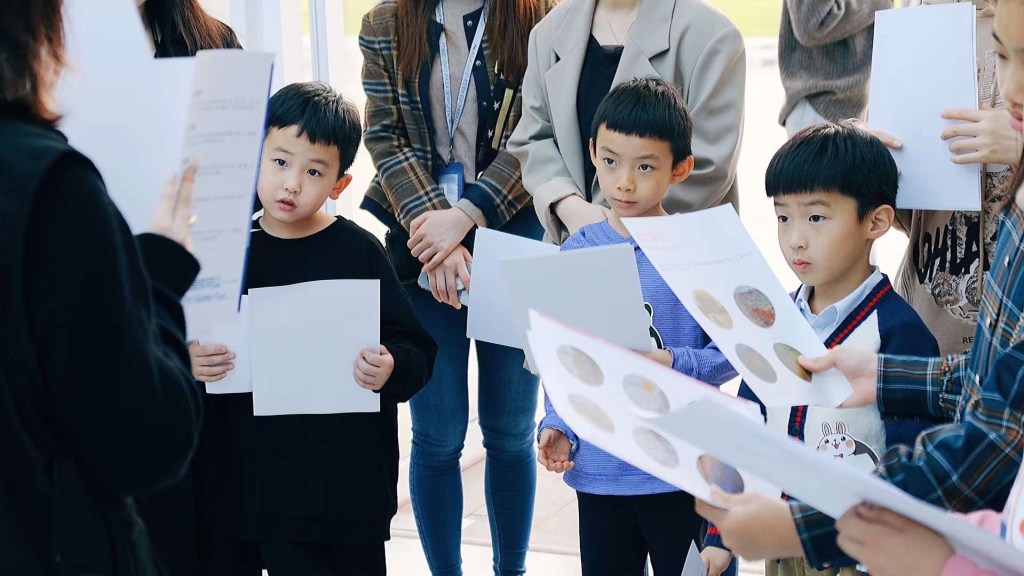
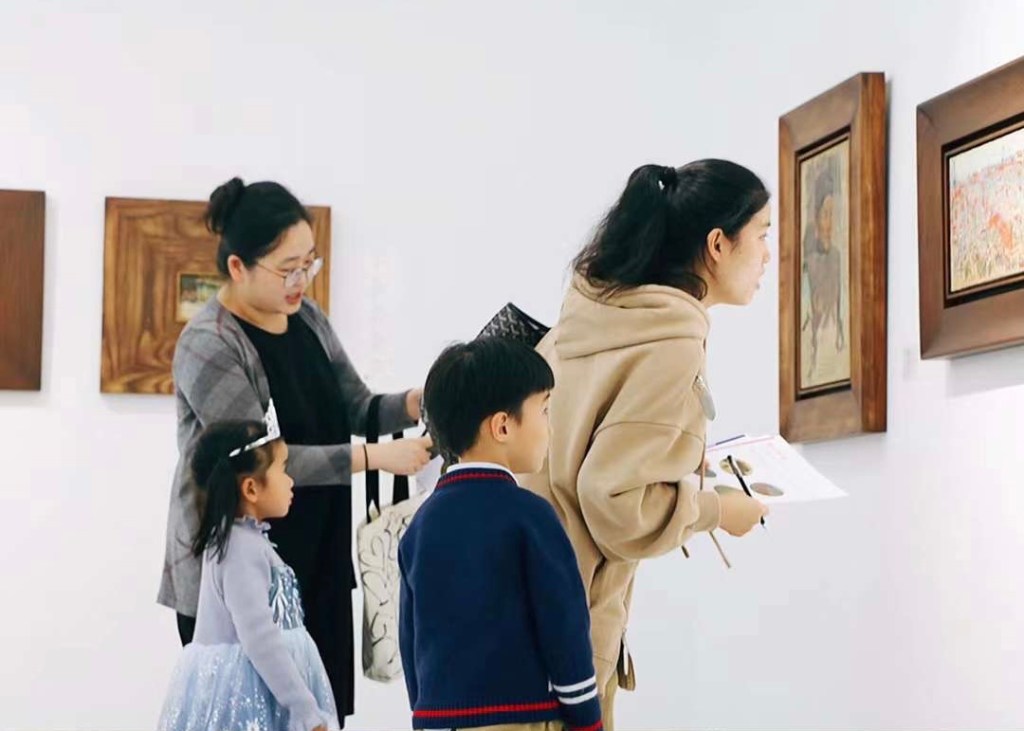
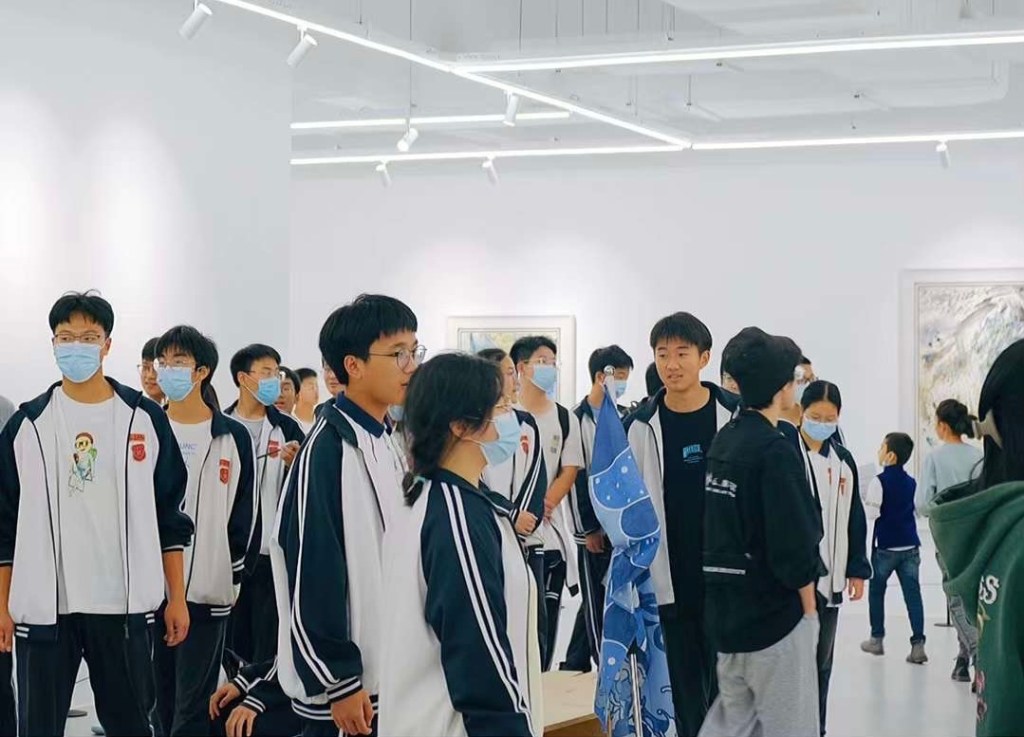
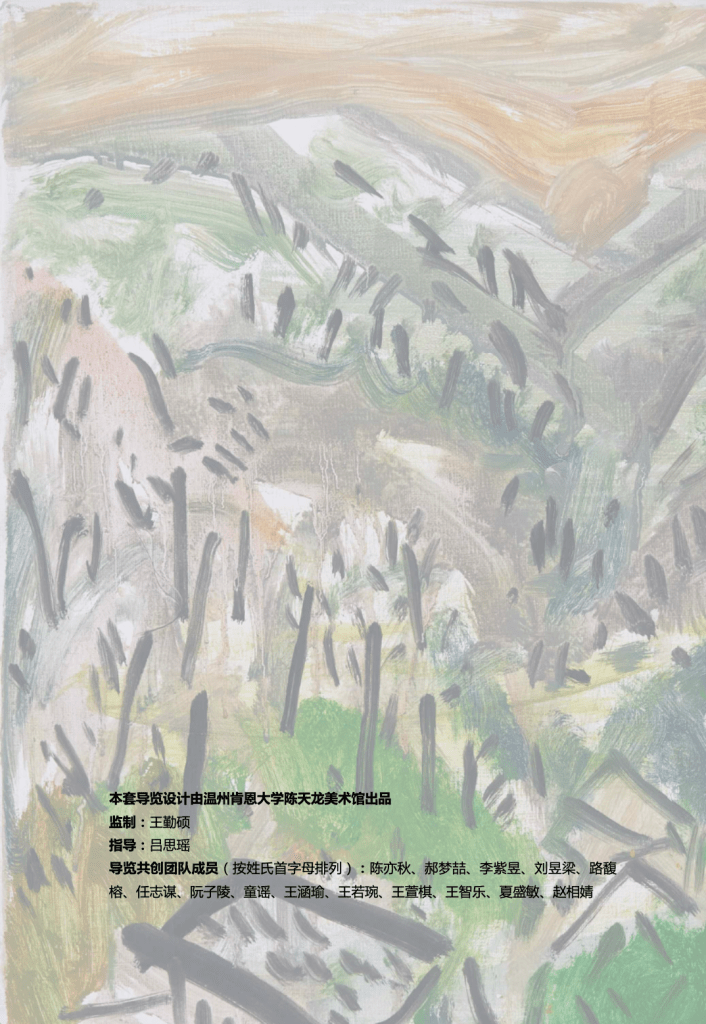
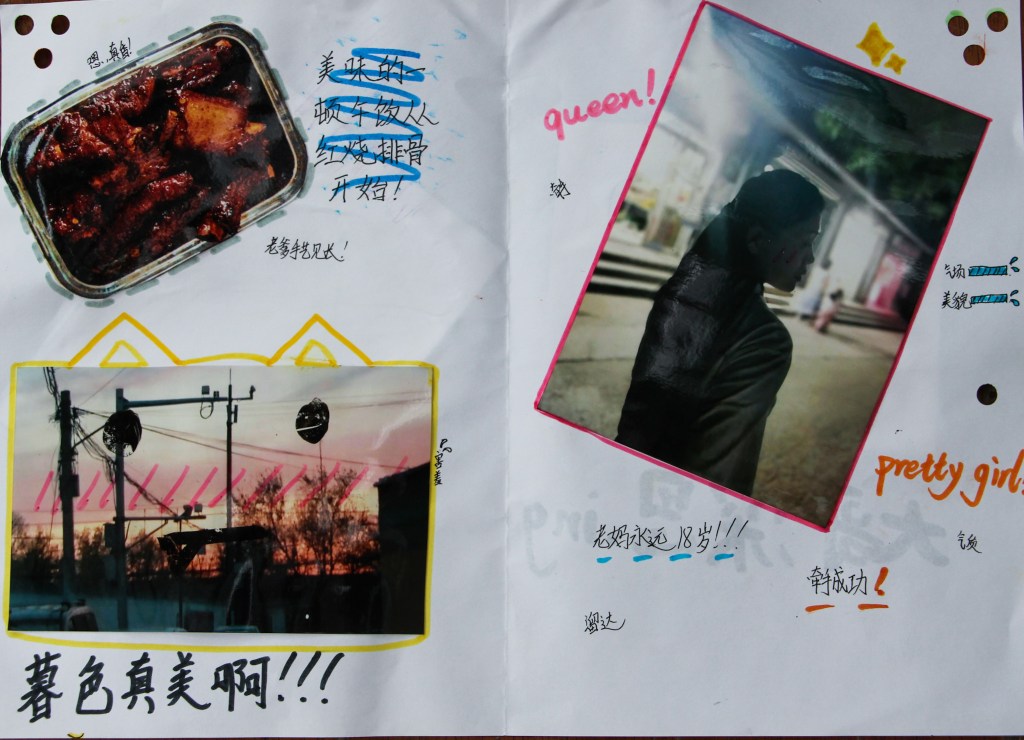
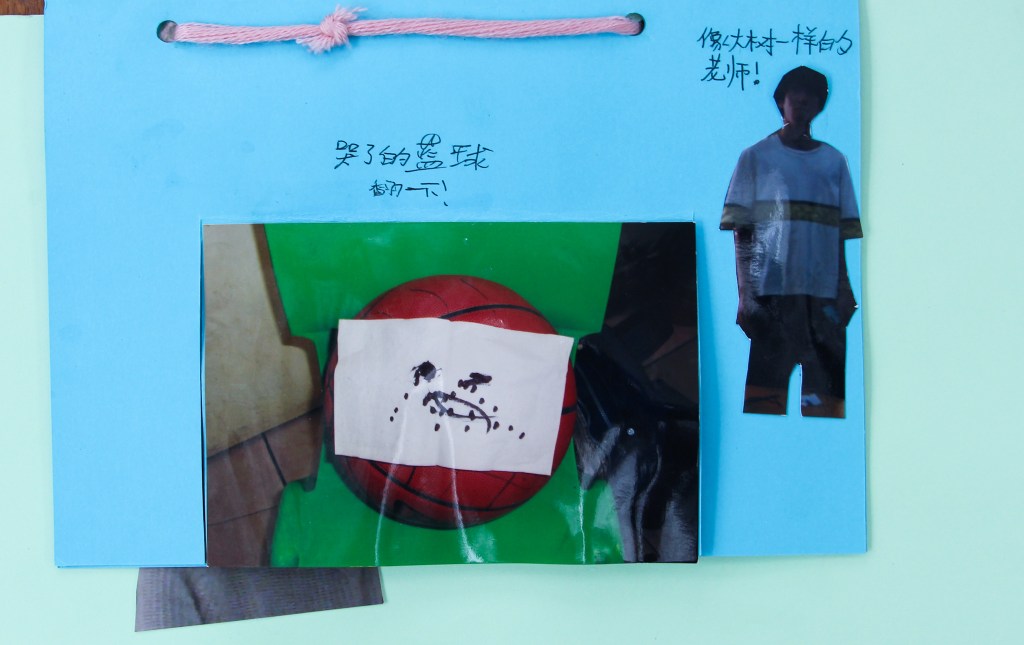
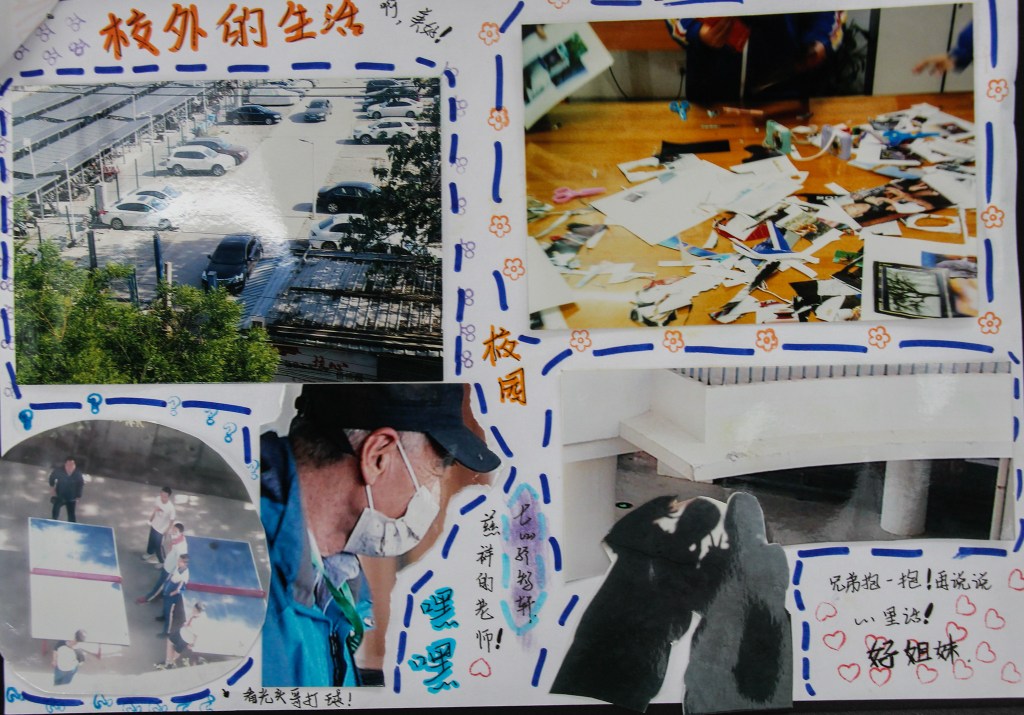
This project includes a children and family gallery experience design, an adult exhibition tour design, as well as 2 education team training sessions for the museum.
Children & Family Gallery Experience Design
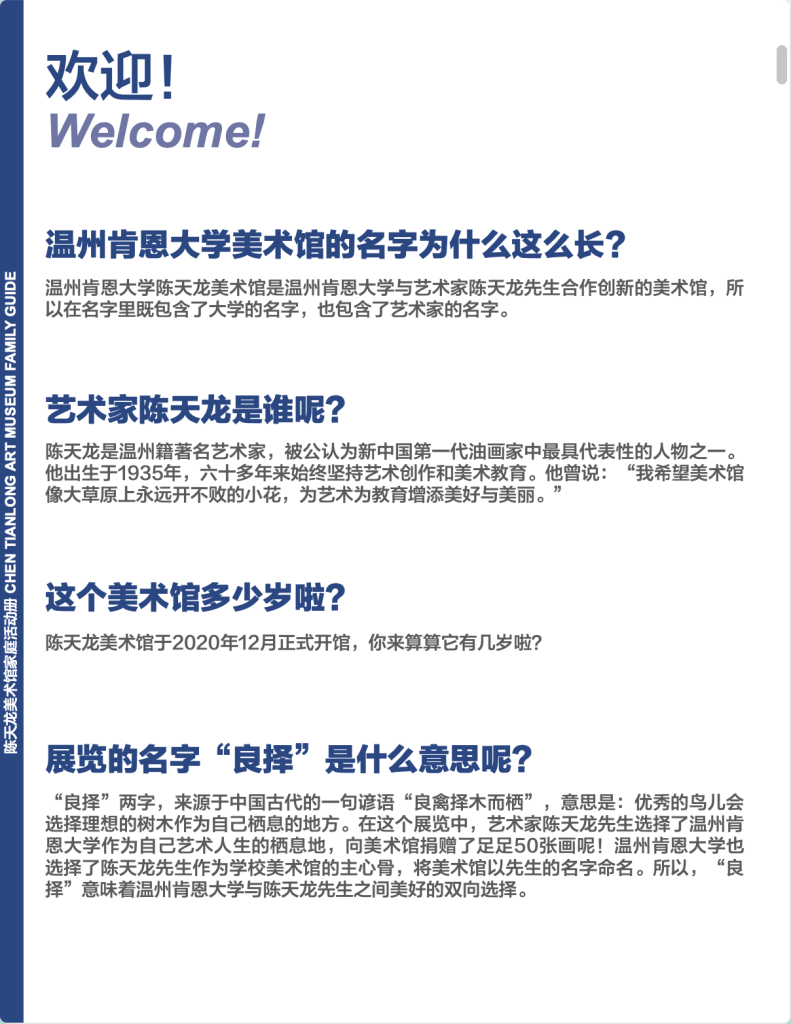
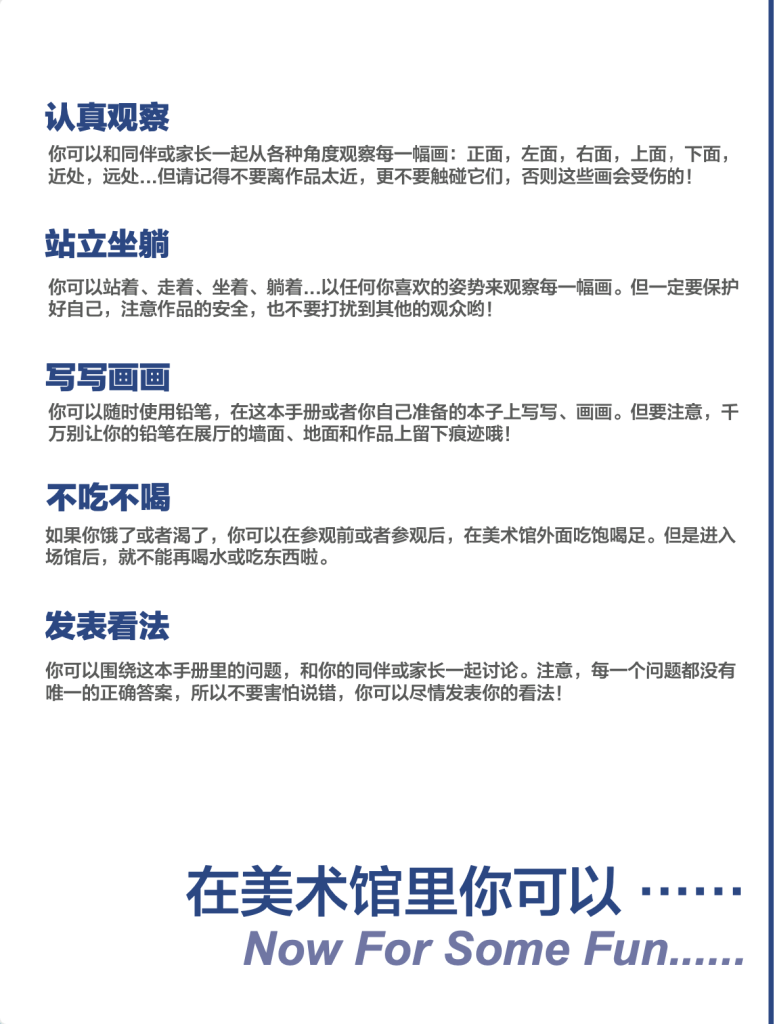
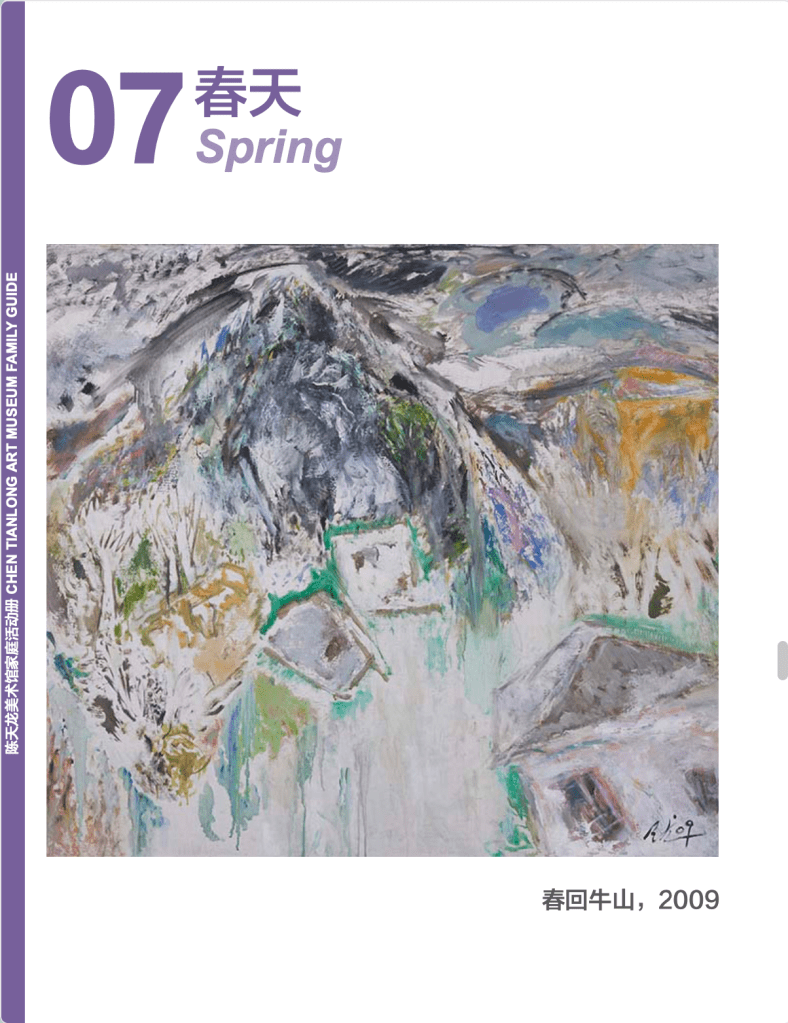
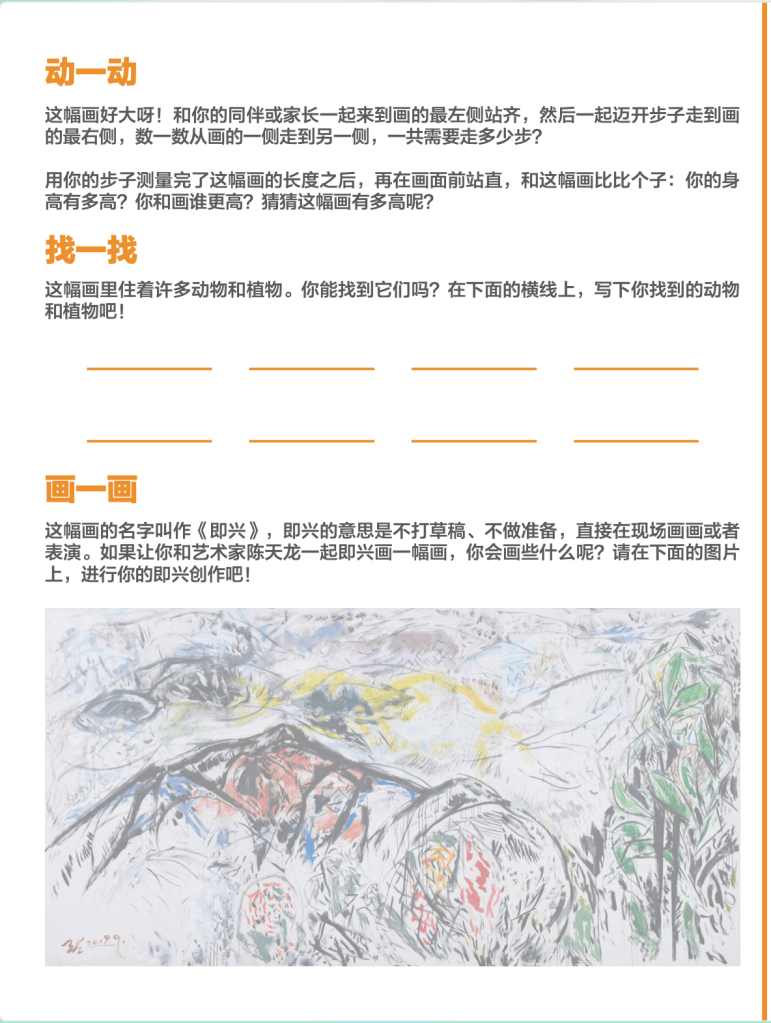
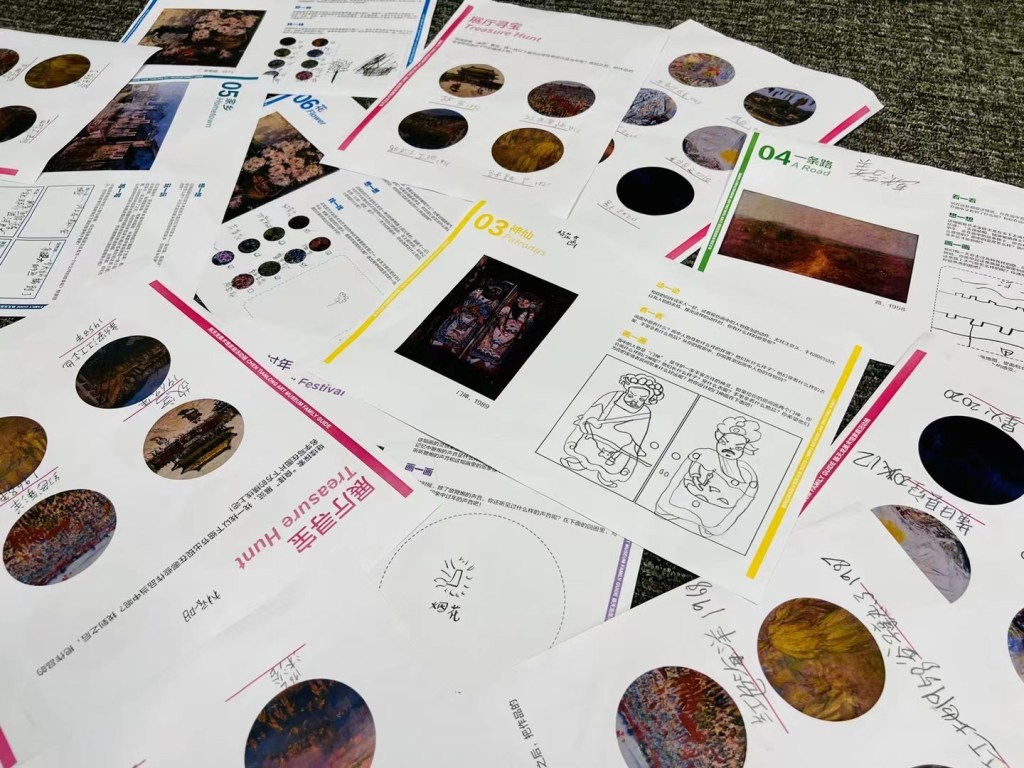
Selected content from the Family Guide (copyright reserved):
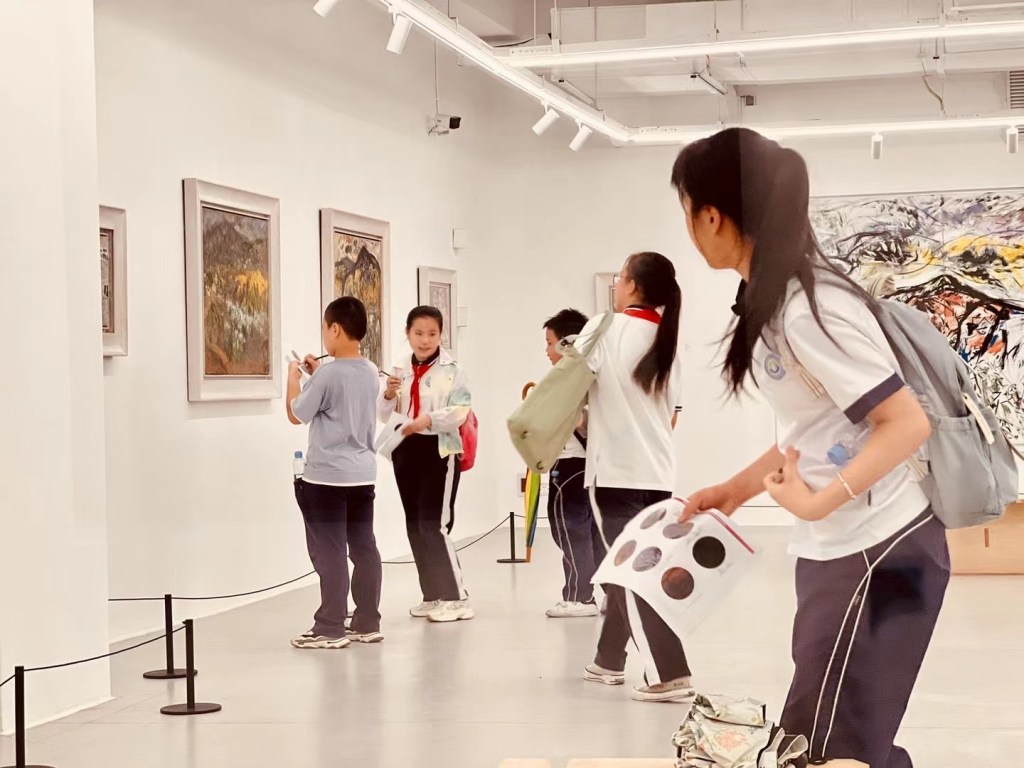
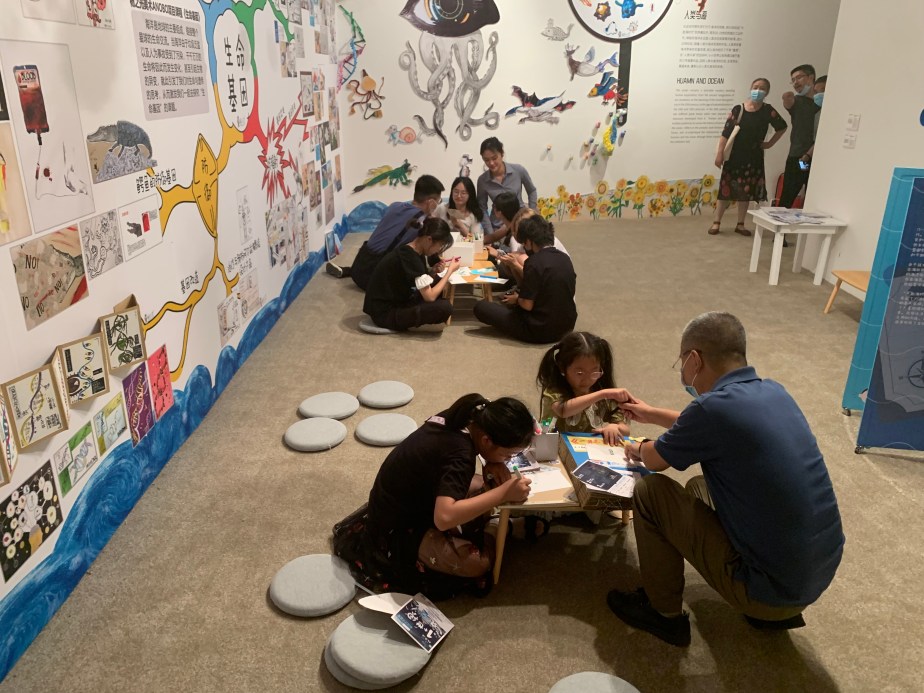
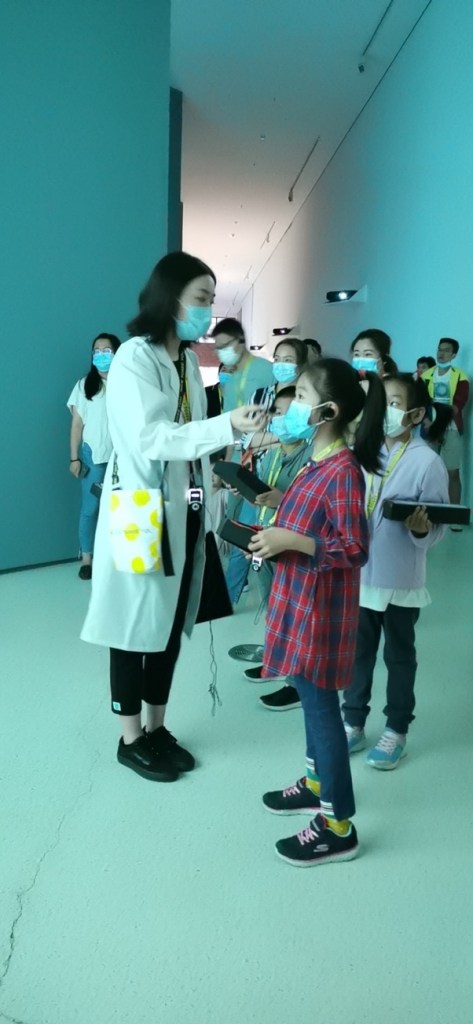
Students from schools and families are using the guide to explore the exhibition:
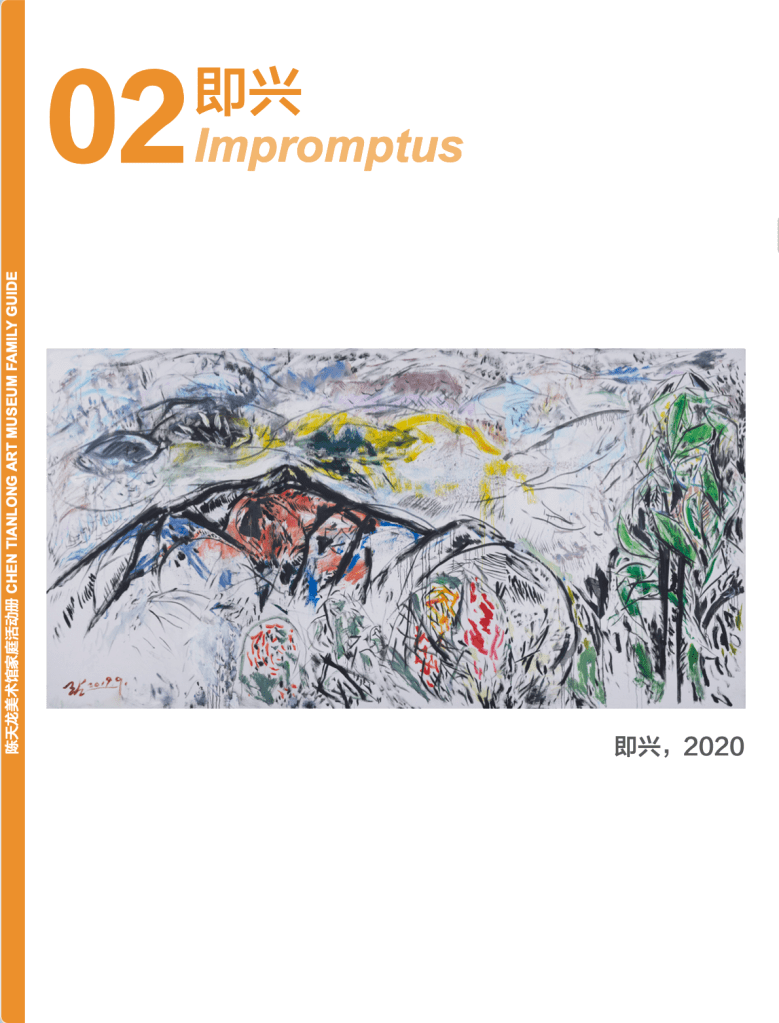
Adult Exhibition Tour Design
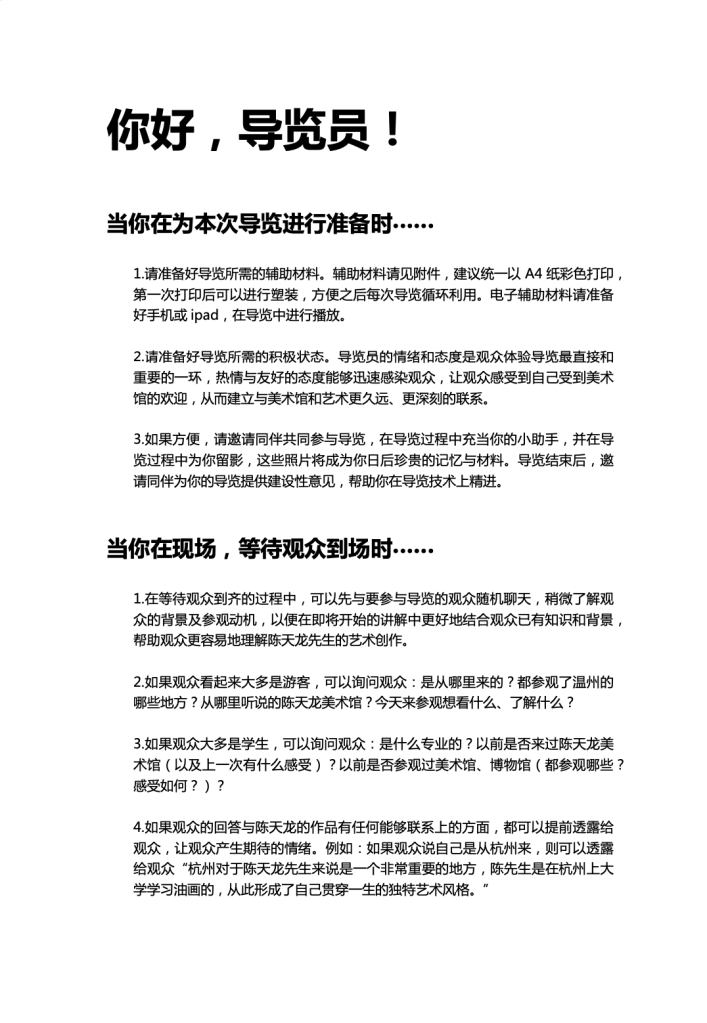
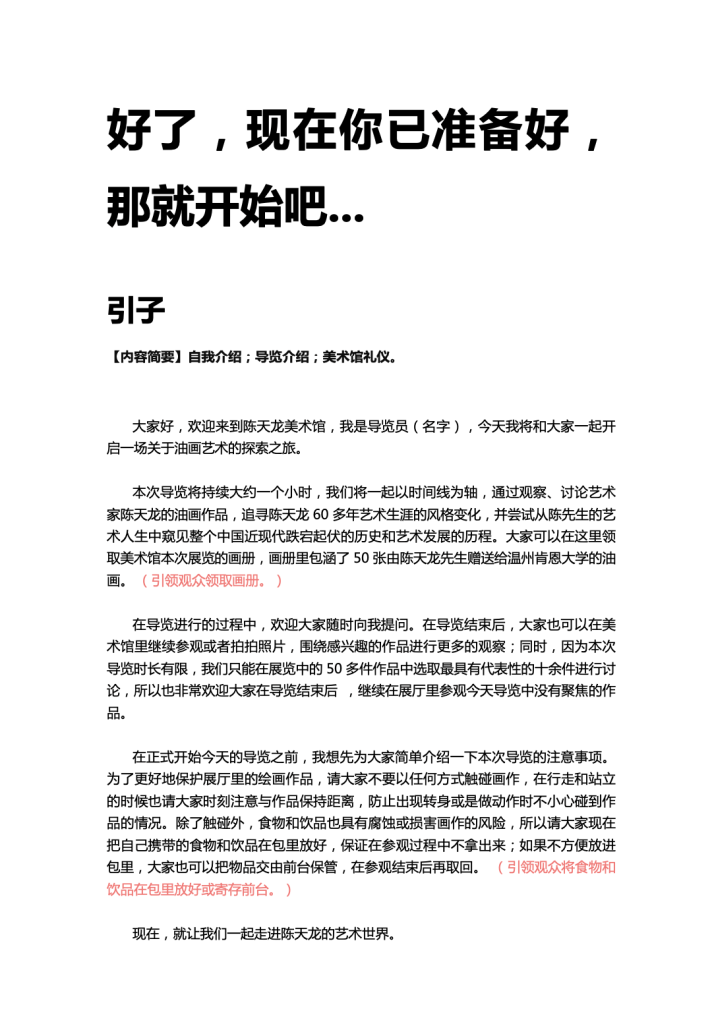
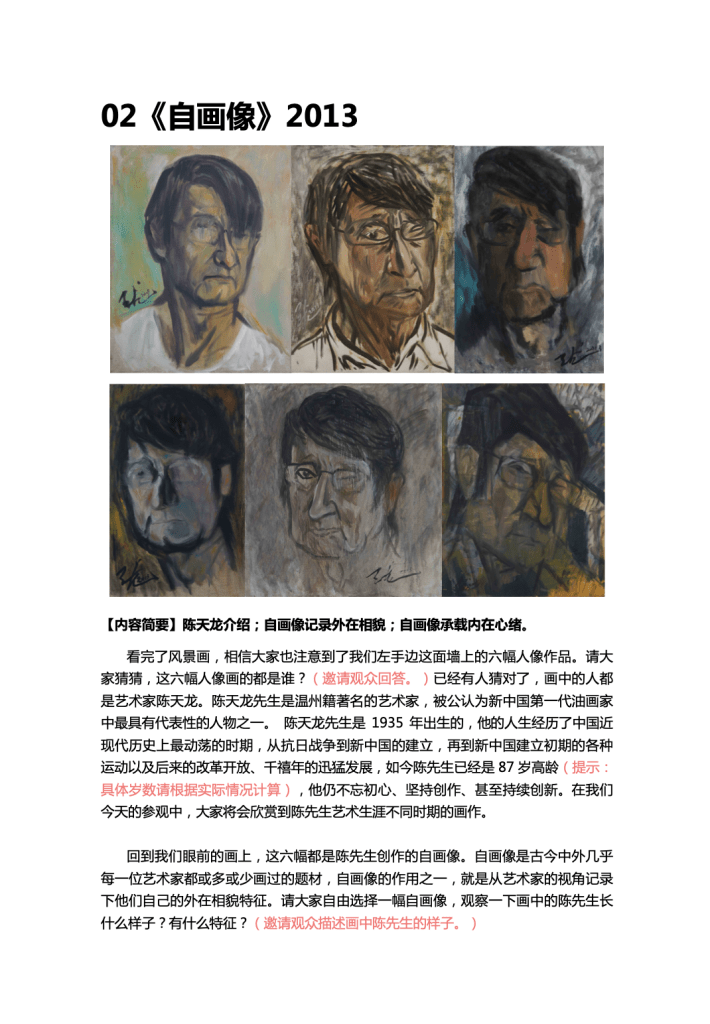
Selected content from the Adult Tour Guide (copyright reserved):
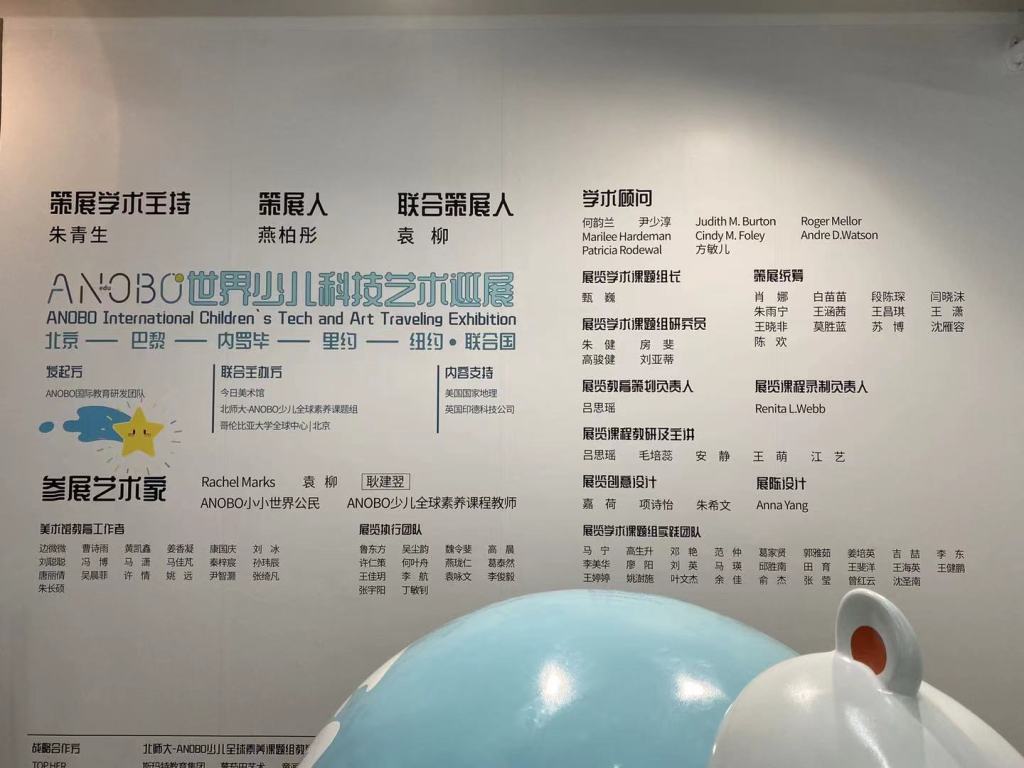
Project Type: Professional Project with ANOBO INTERNATIONAL EDUCATION
Project Location: Today Art Museum, Beijing, China
My Role in the Team: Educational Content Lead Designer
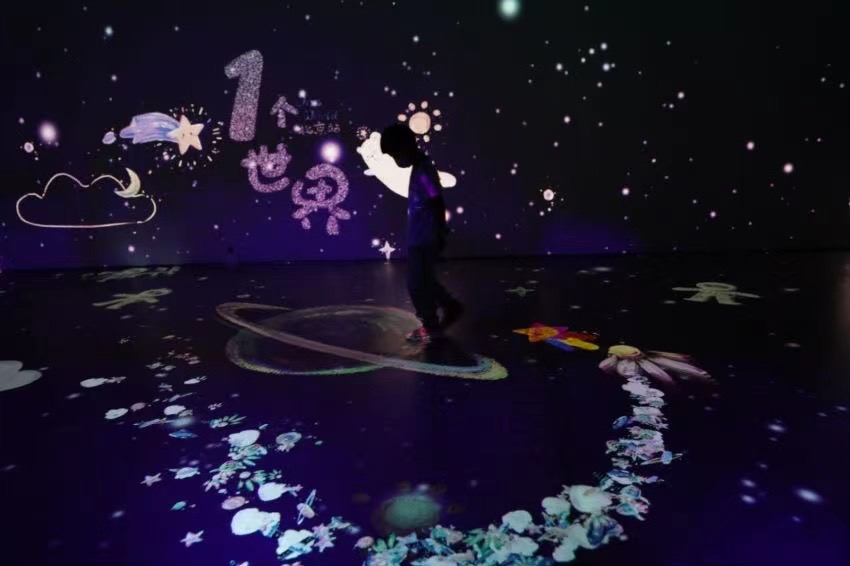
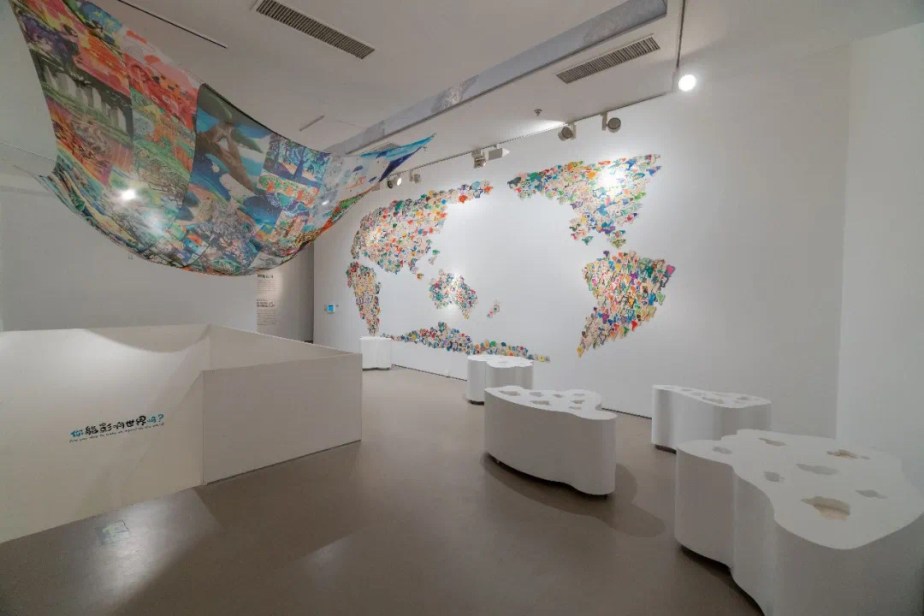
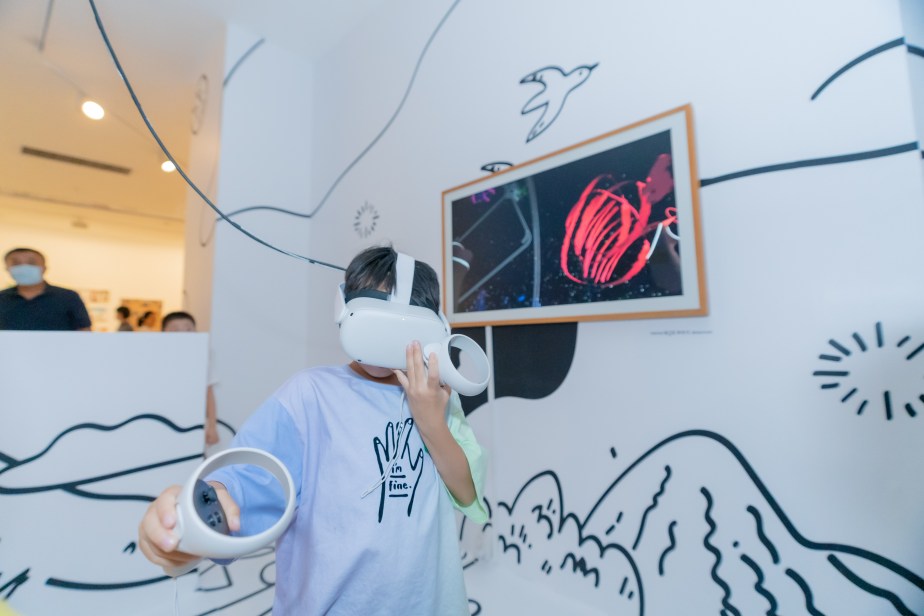
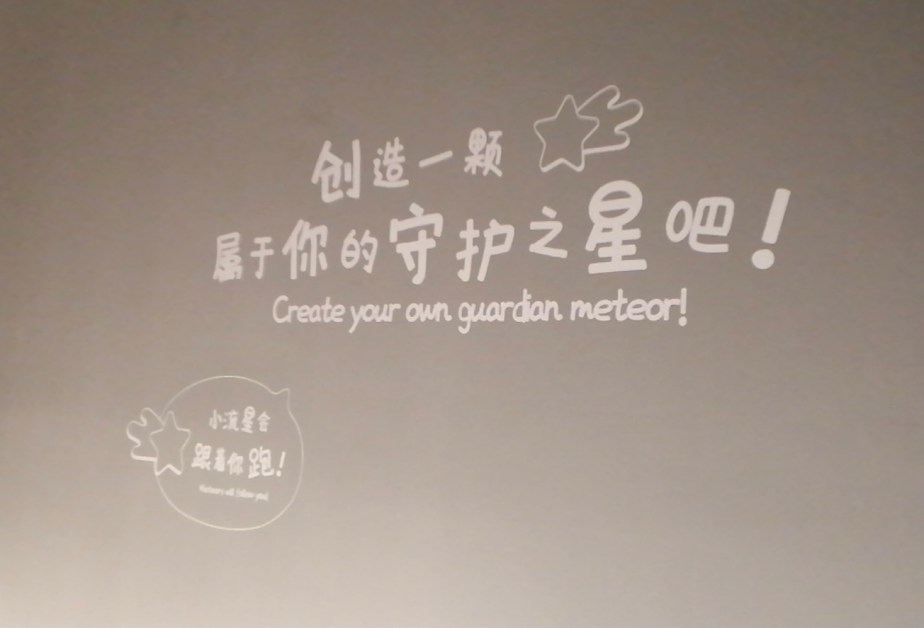
This project was consisted of two major parts: one was exhibition making from an educational perspective, the other was a family program designed for the exhibition.
Exhibition Making: For Kids, By Kids.
For Kids:
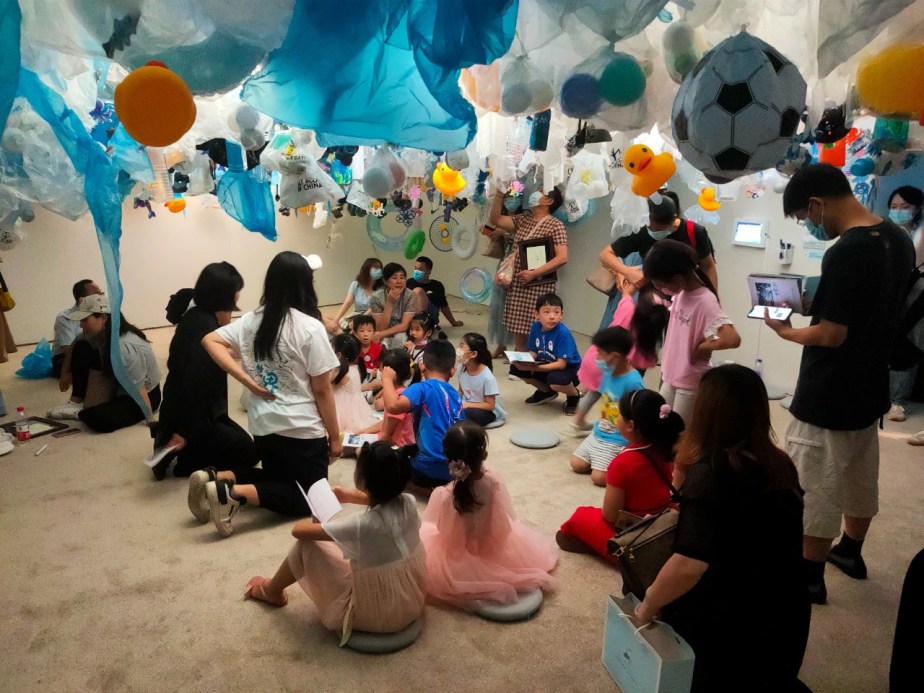
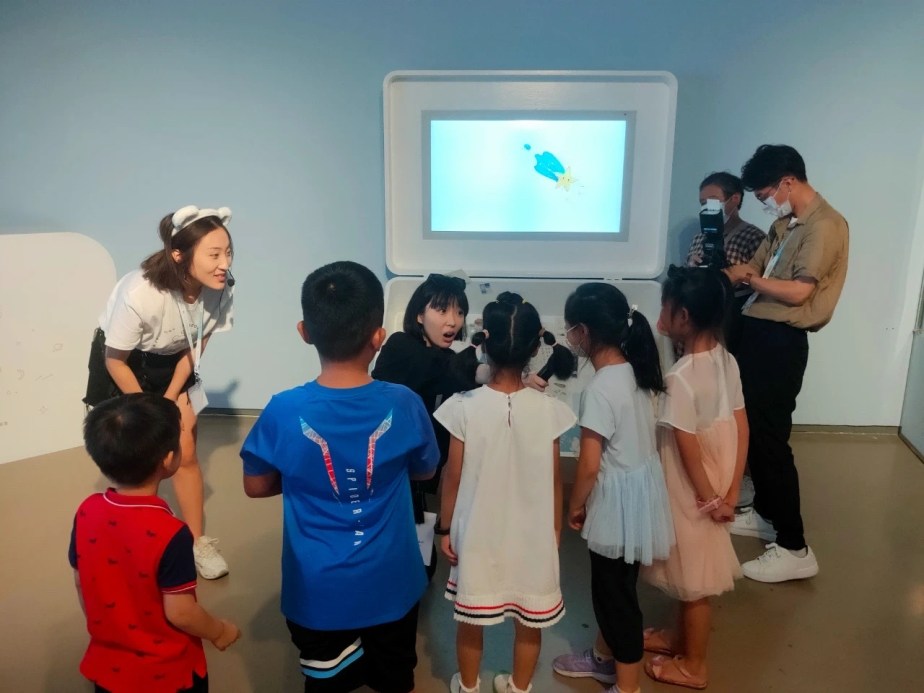
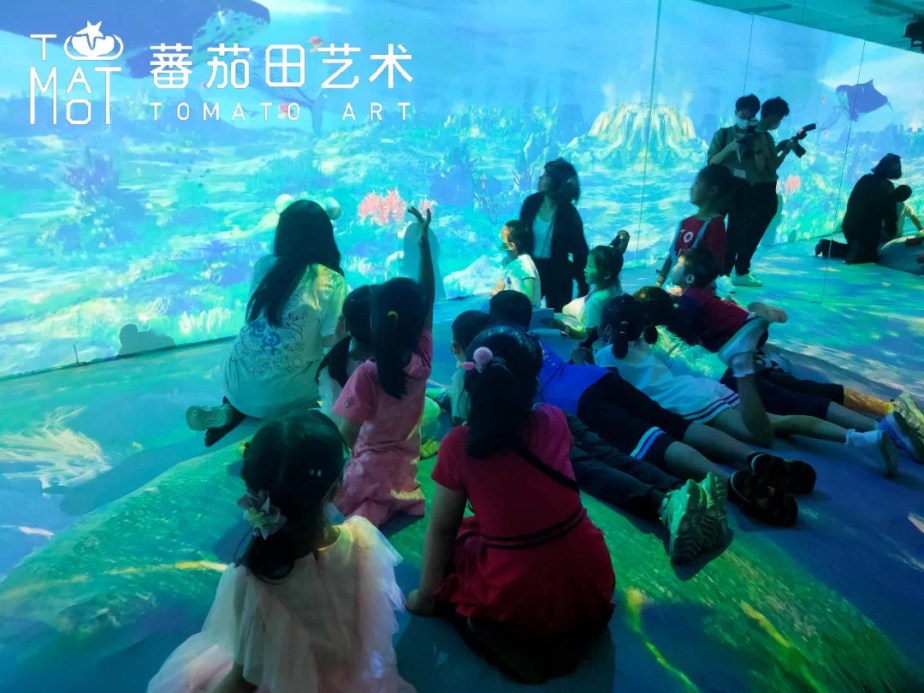
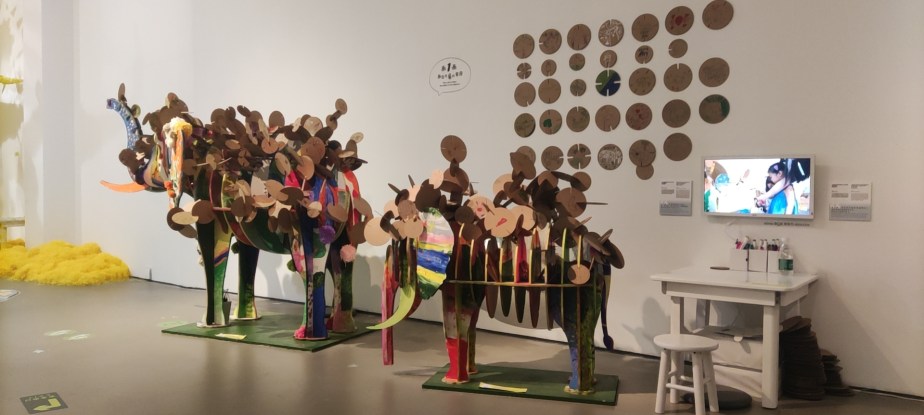
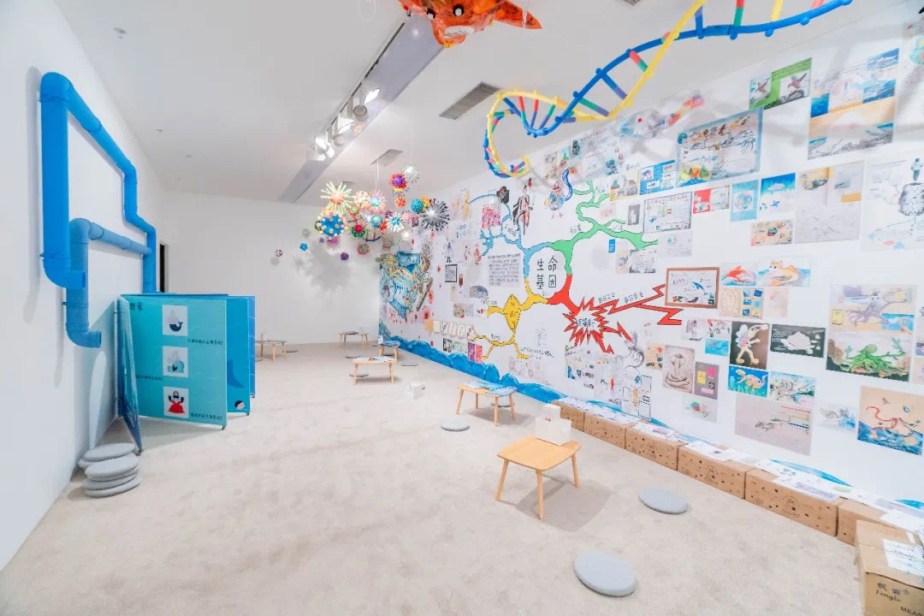
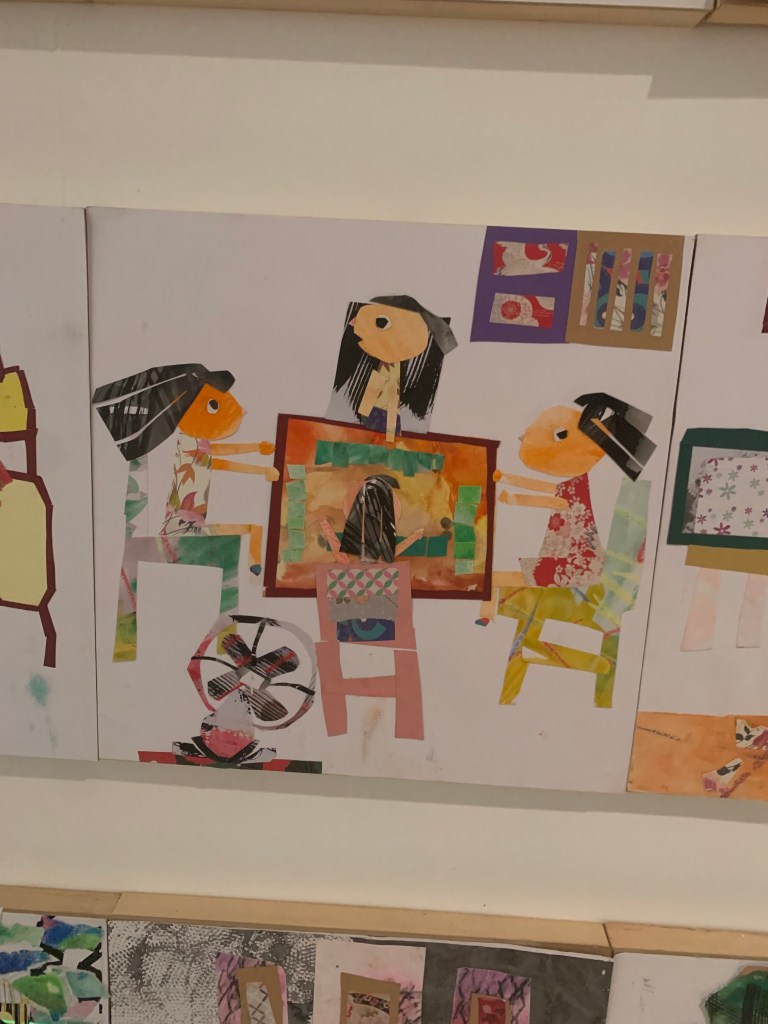
Unlike most of the art exhibitions in museums, this exhibition was designed mainly from an educational perspective focusing on the unleashing power and self-driven learning experiences of children as well as their interaction with their caretakers. Me as the educational content lead designer, worked with the curatorial team from an early stage of the exhibition making, providing opinions on the logic of the entire exhibition, the interactive design of the exhibition items, as well as the spatial design of some of the galleries. I wrote most of the labels, wall texts, activity guides and also designed the family activity guidebook for the exhibition.
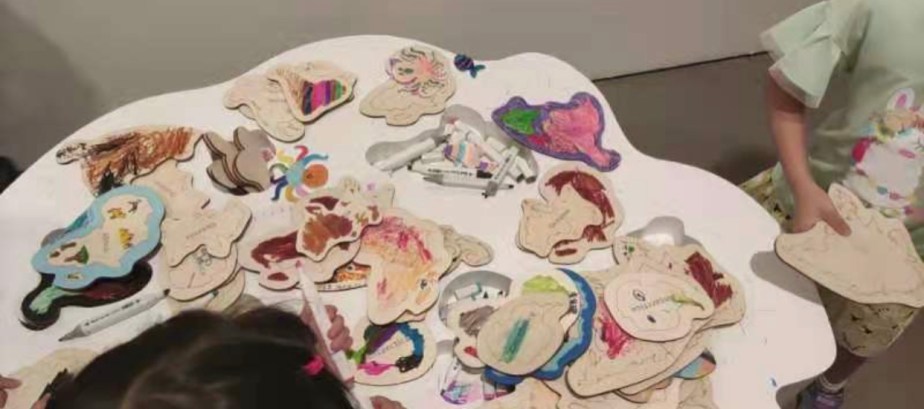
▷Art-making activity stations scattering through the exhibition.
▷Gallery assistants as educators: make every gallery a pop-up classroom
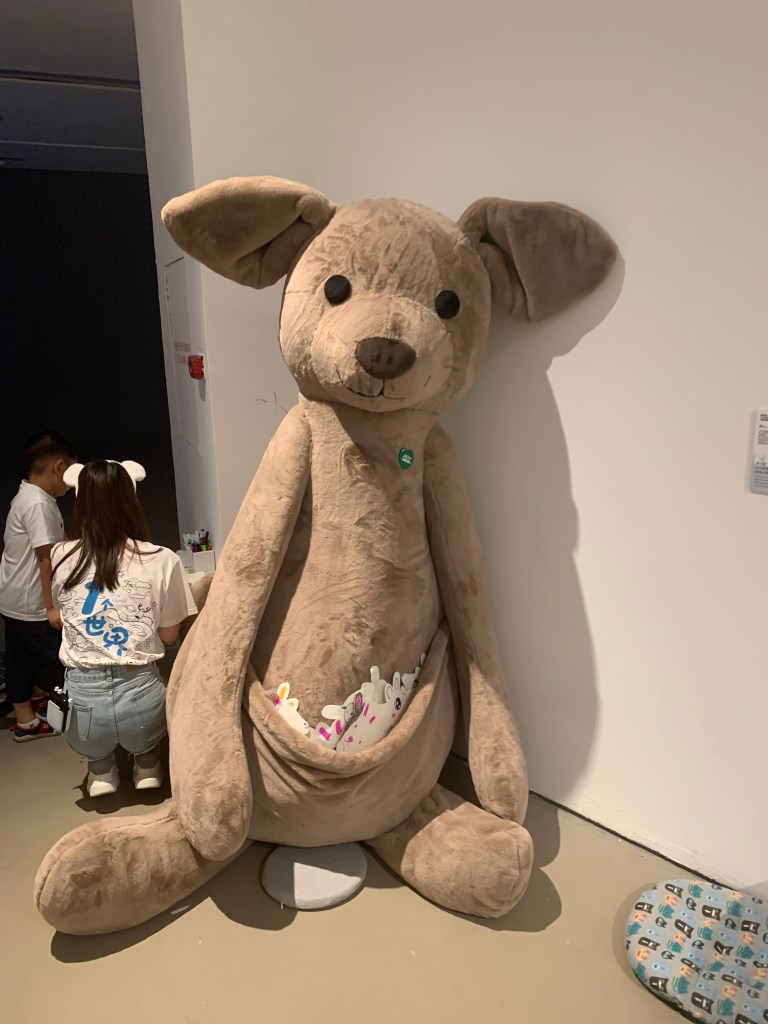
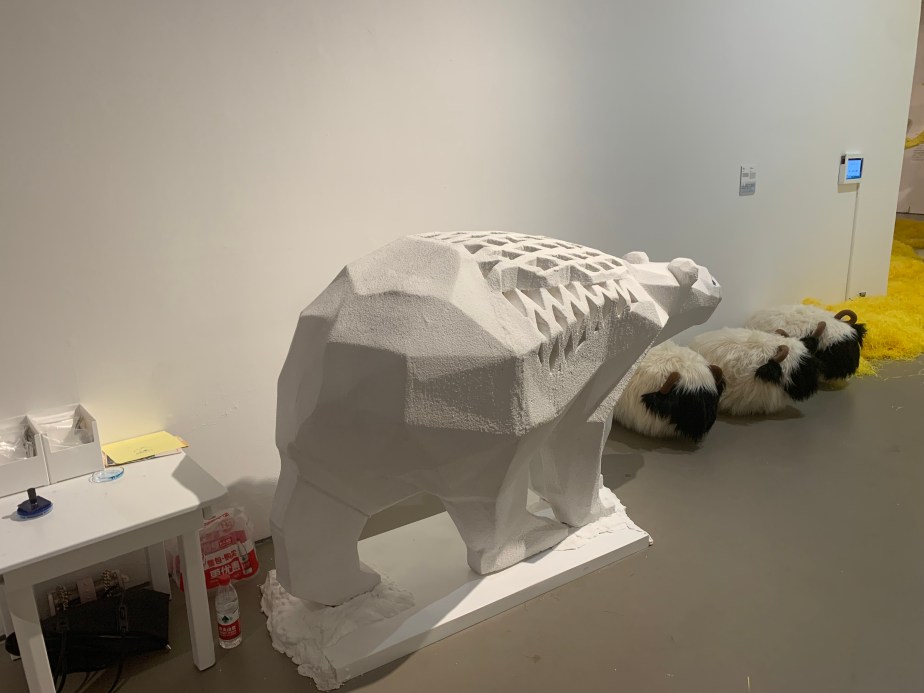
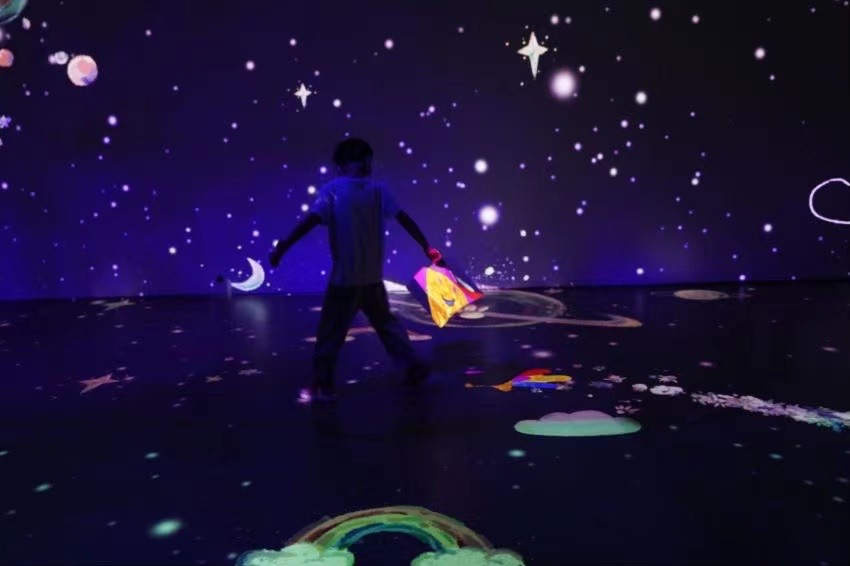
▷Exhibition items arousing five senses.
▷Labels for children: open ended questions, large letters, simple language.
▷Spatial design catering to children’s body scale.
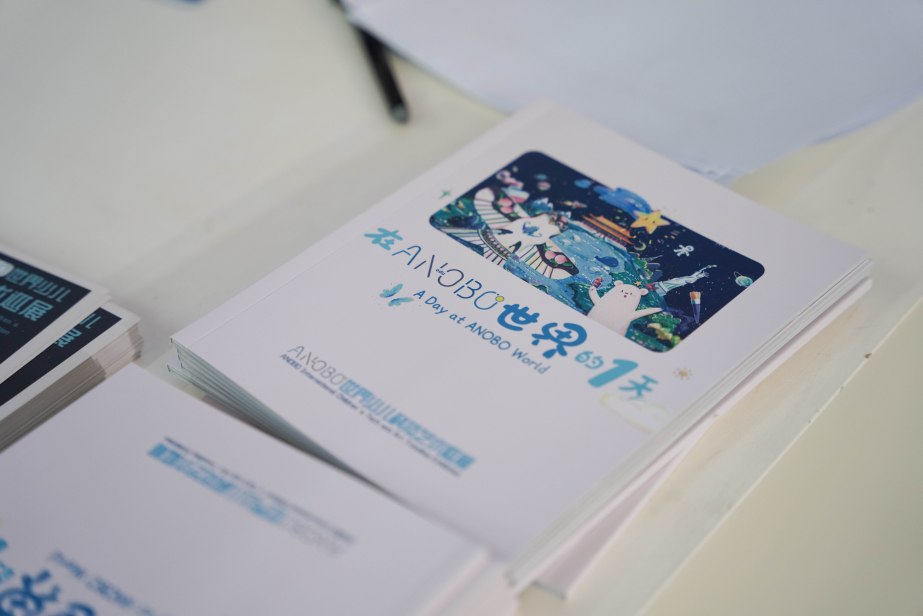
▷Family activity guidebook: the guidebook contains activity and dialogue suggestions encouraging children’s engagement with the exhibition items from diversified perspectives based on their own personal contexts. Open-ended questions was used to help children make their own meanings with the exhibition. The guidebook also works as a toolkit for the caretakers to use whenever they expect to have a meaningful conversation with the children either in museum settings or just daily life.
By Kids:
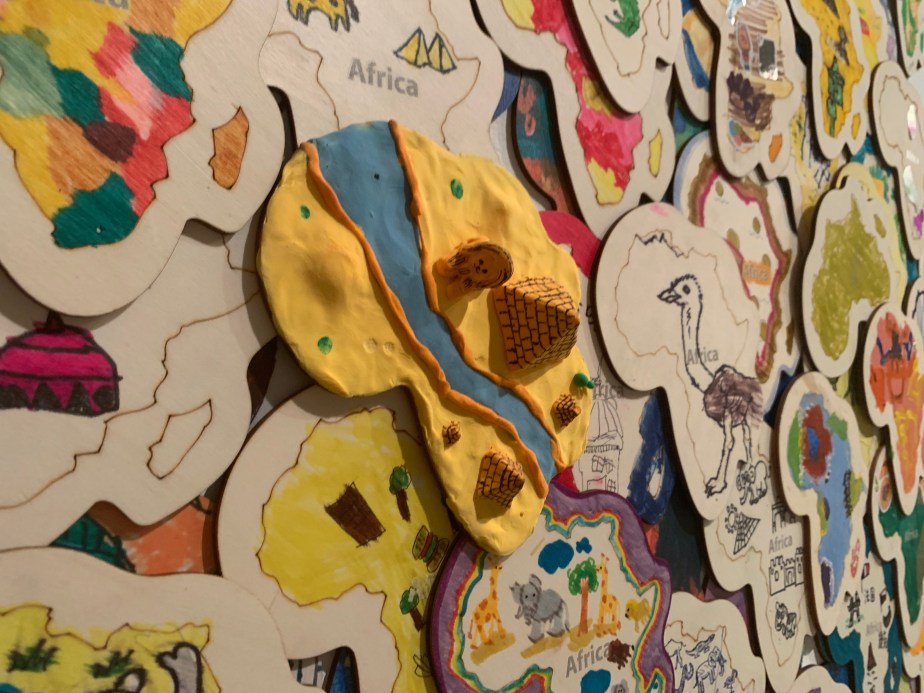
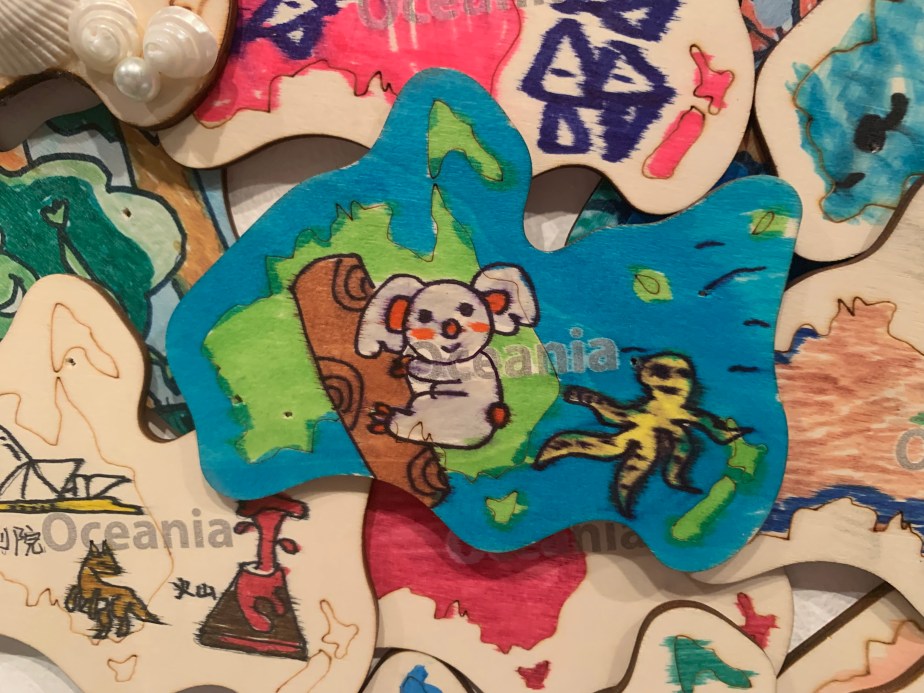
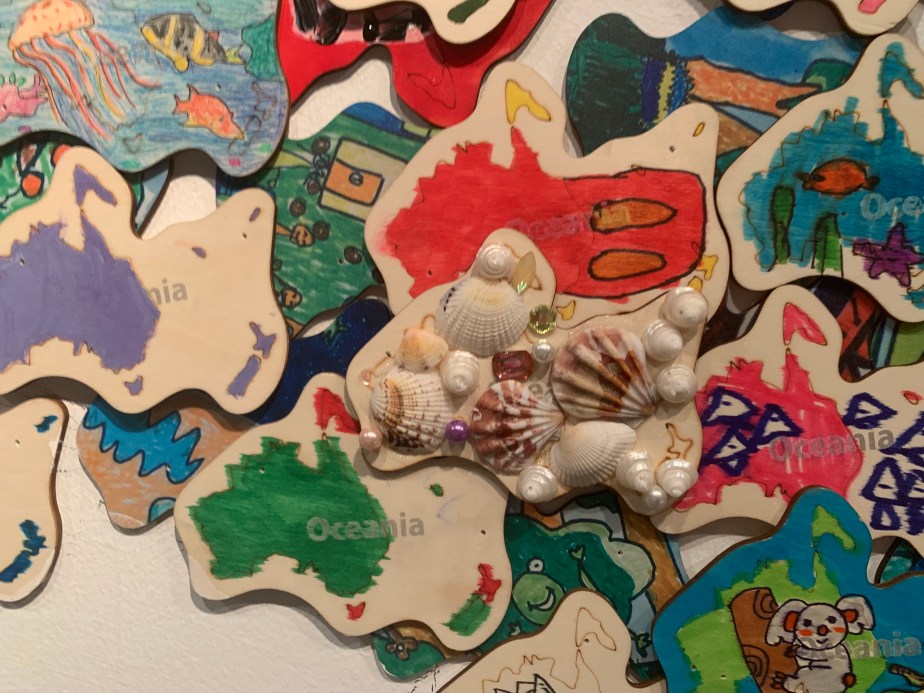
This exhibition invited children artists and curators from all over the world to make it happen. We expect to empower children by acknowledging their contribution and roles in this exhibition making process.
▷Labels stressing children’s voices.
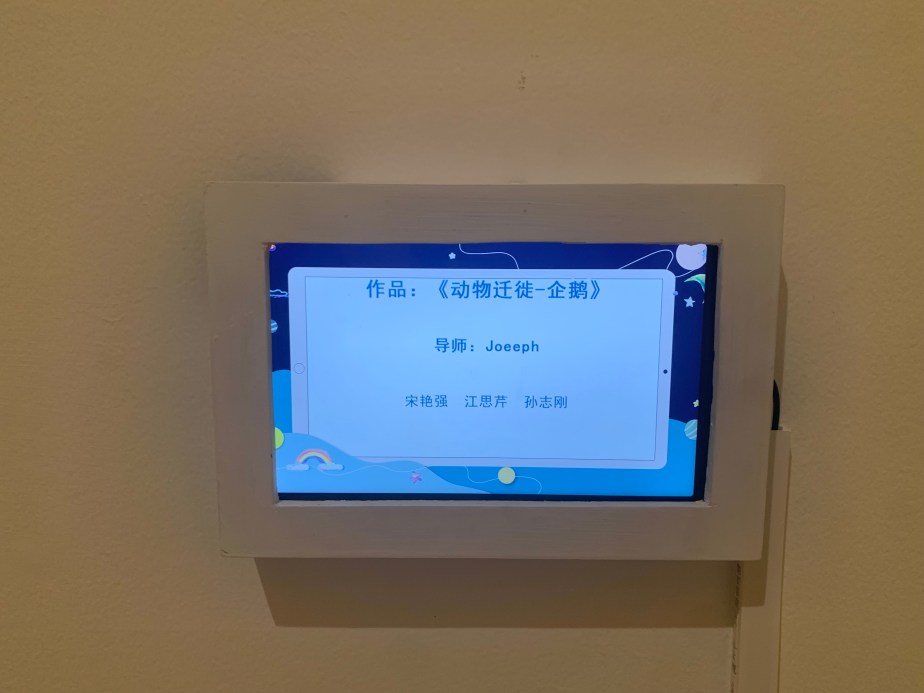
▷Ipad displaying children’s contribution: their names and art-making process.
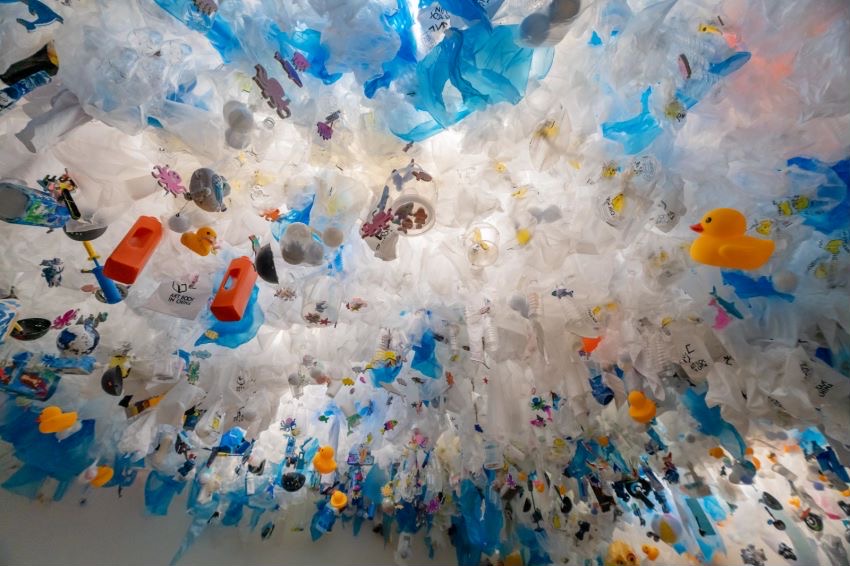
▷Children’s multiple roles in the exhibition: as artists, curators, environment protector, and young global citizens
Family programs: Social-Emotional Learning (SEL) for children and their caretakers.
Task Hug
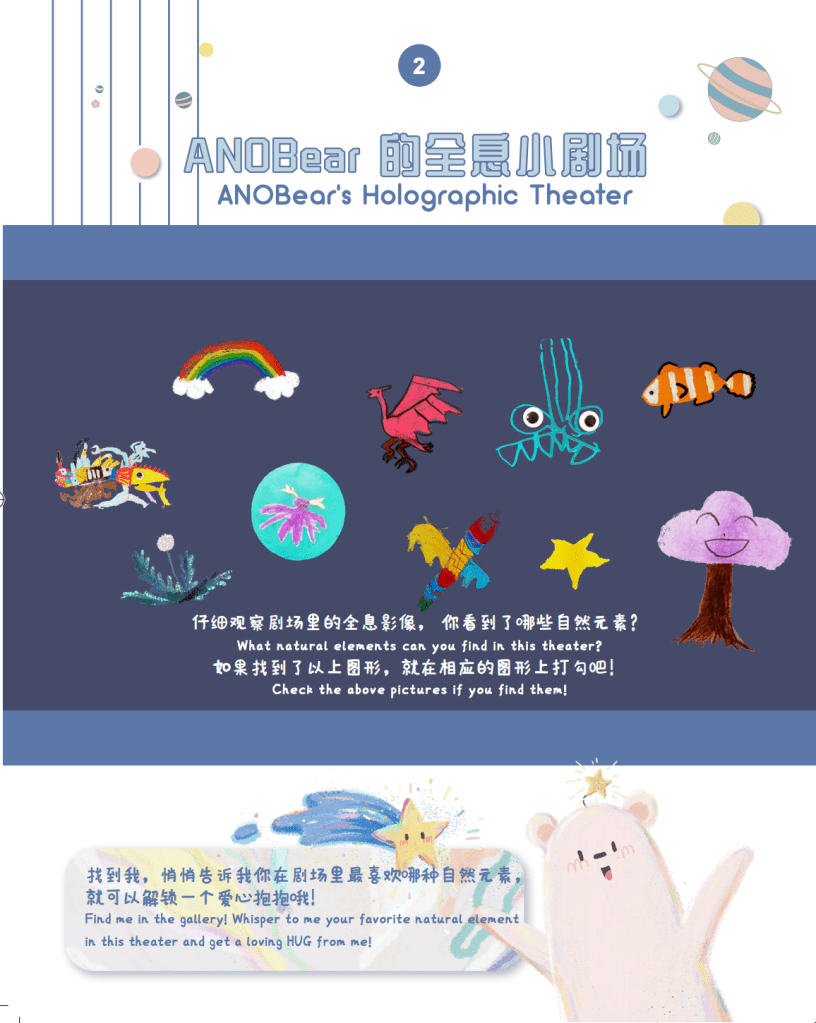
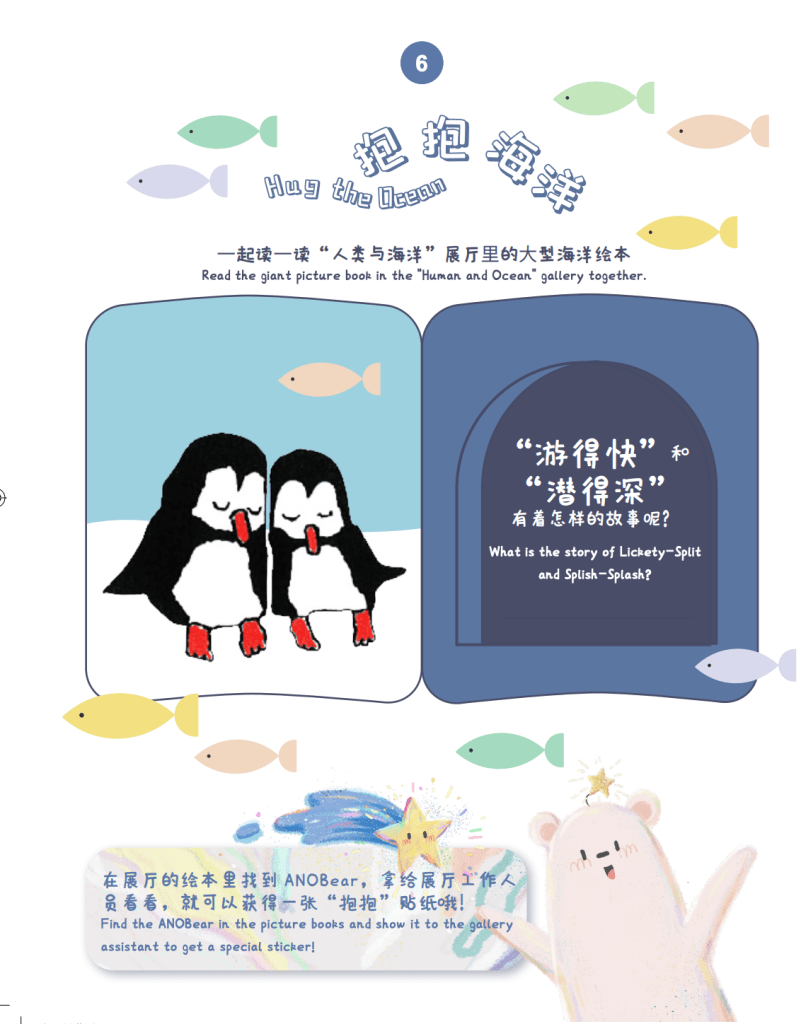
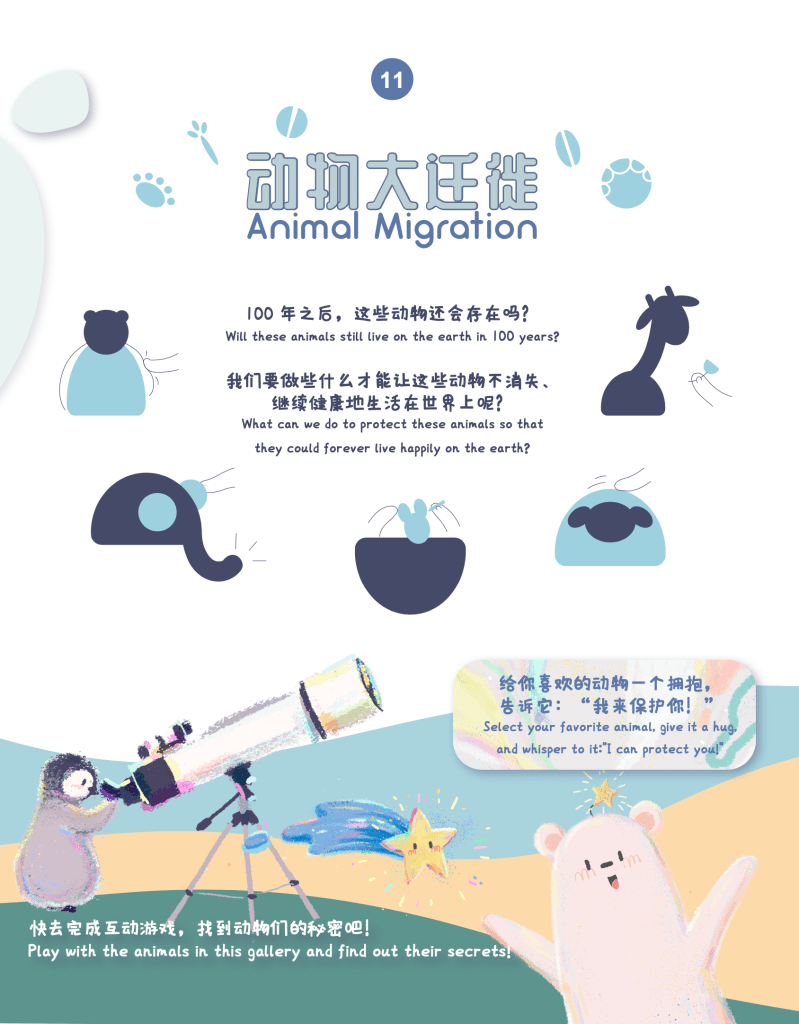
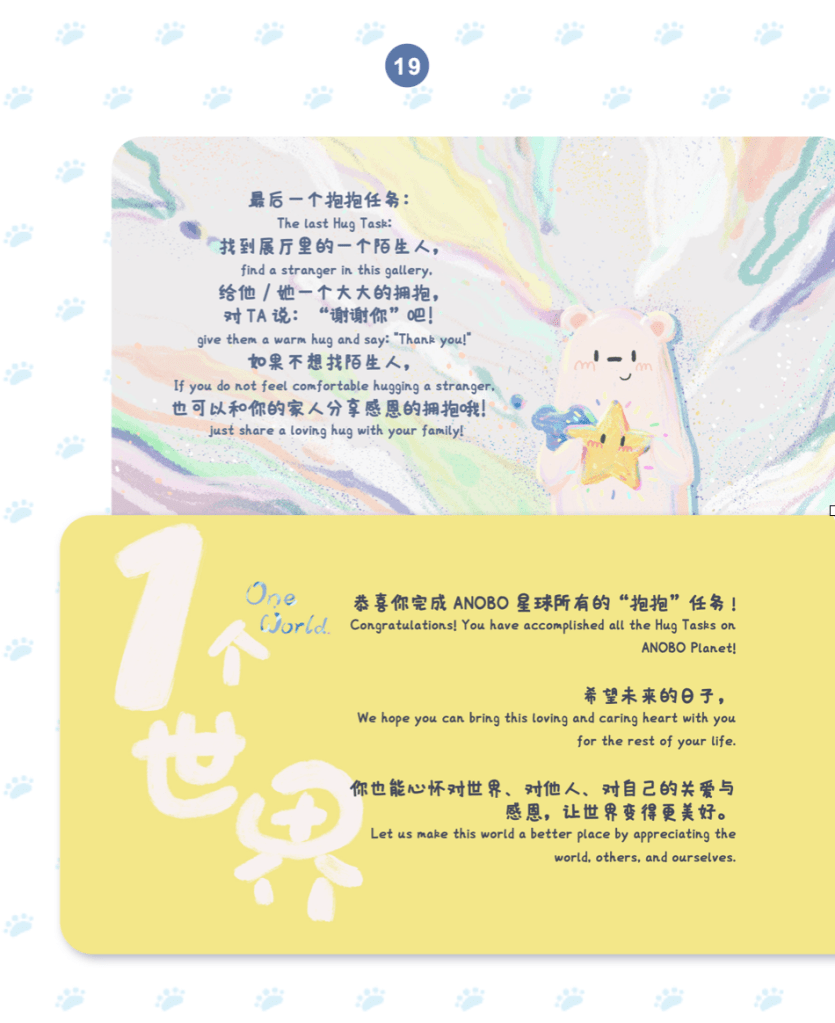
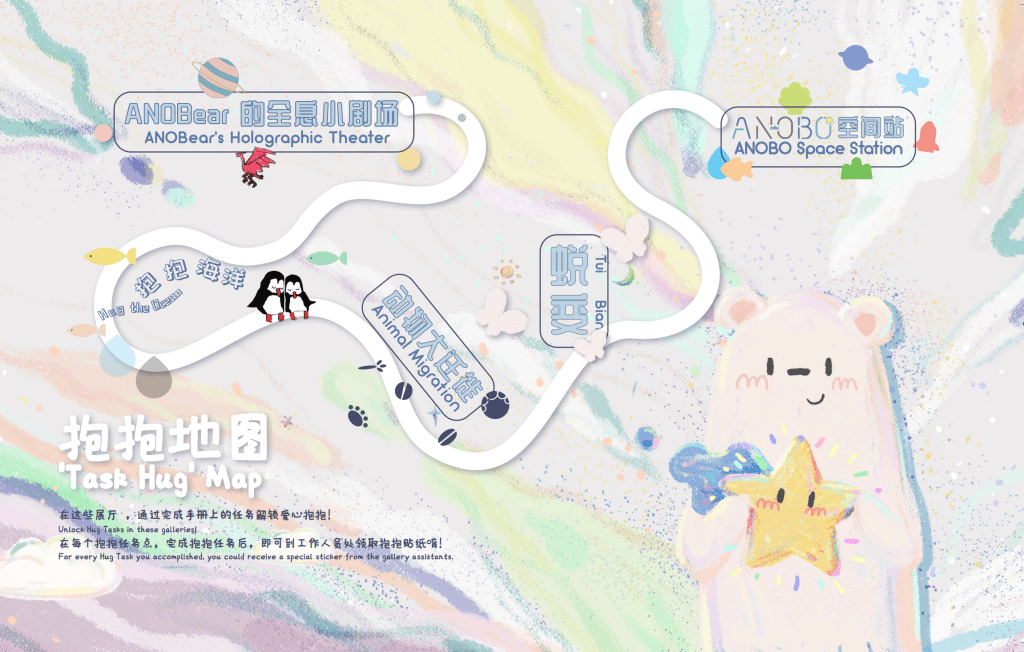
Five hug tasks to win stickers through the exhibition, and get a special pin with all four stickers. This activity encourages young audiences to develop empathy for the natural worlds surrounding them as well as gratitude towards their families and friends.
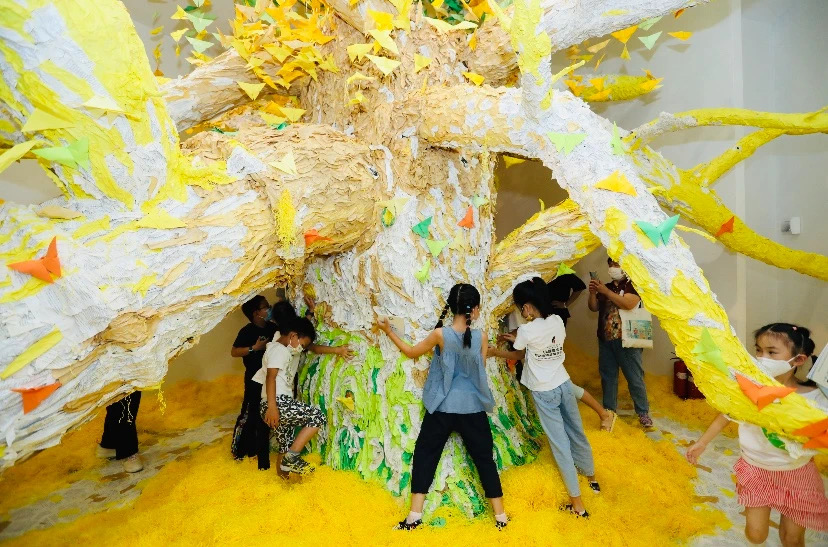
Hug ANOBearHug the great aukHug your favorite animalHug the ginko tree with other audiencesHug a stranger or your caretakerExample of task hug stickersTask Hug Map
Make an Impact to the World!
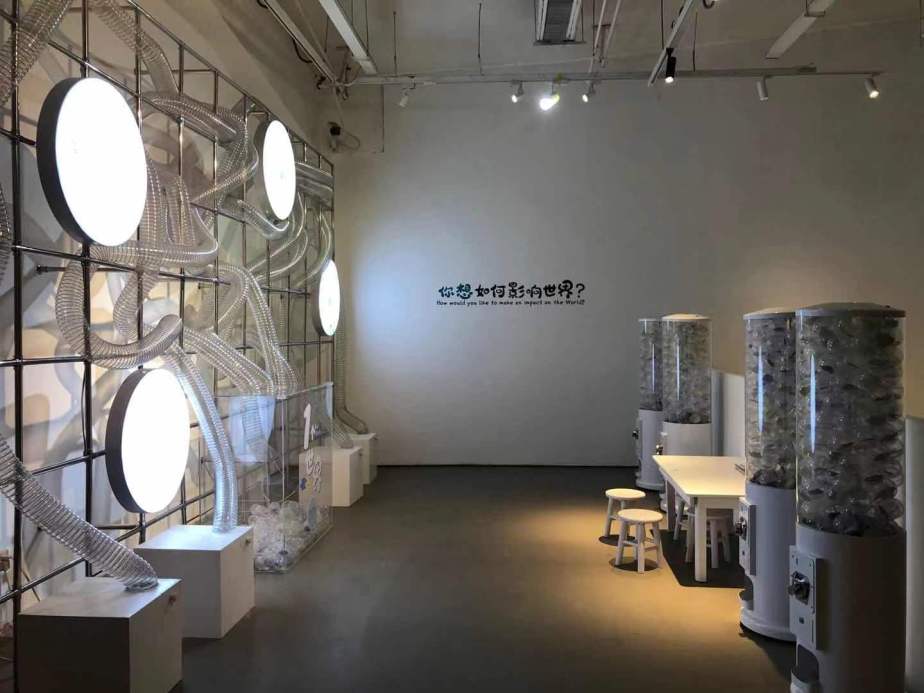
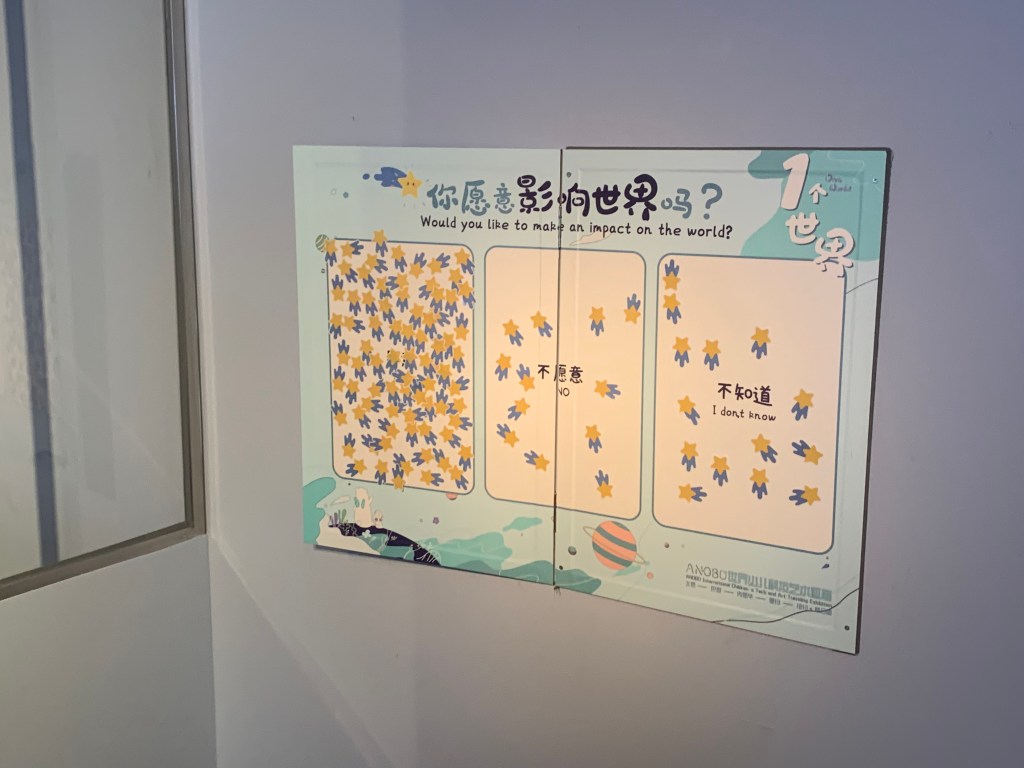
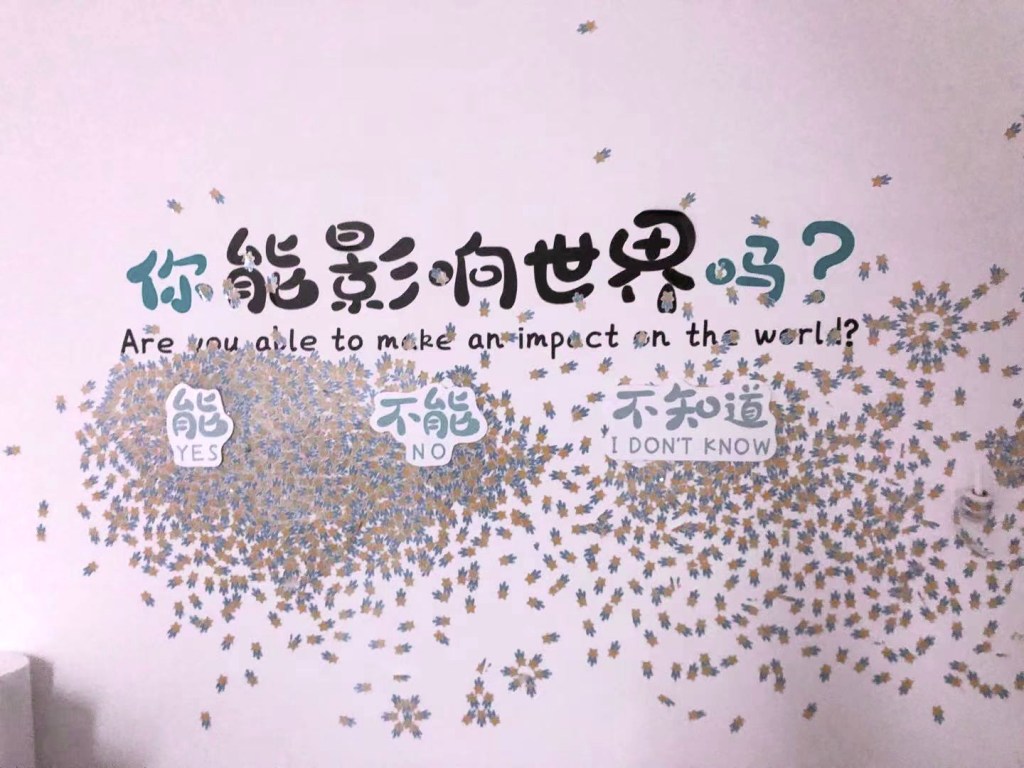
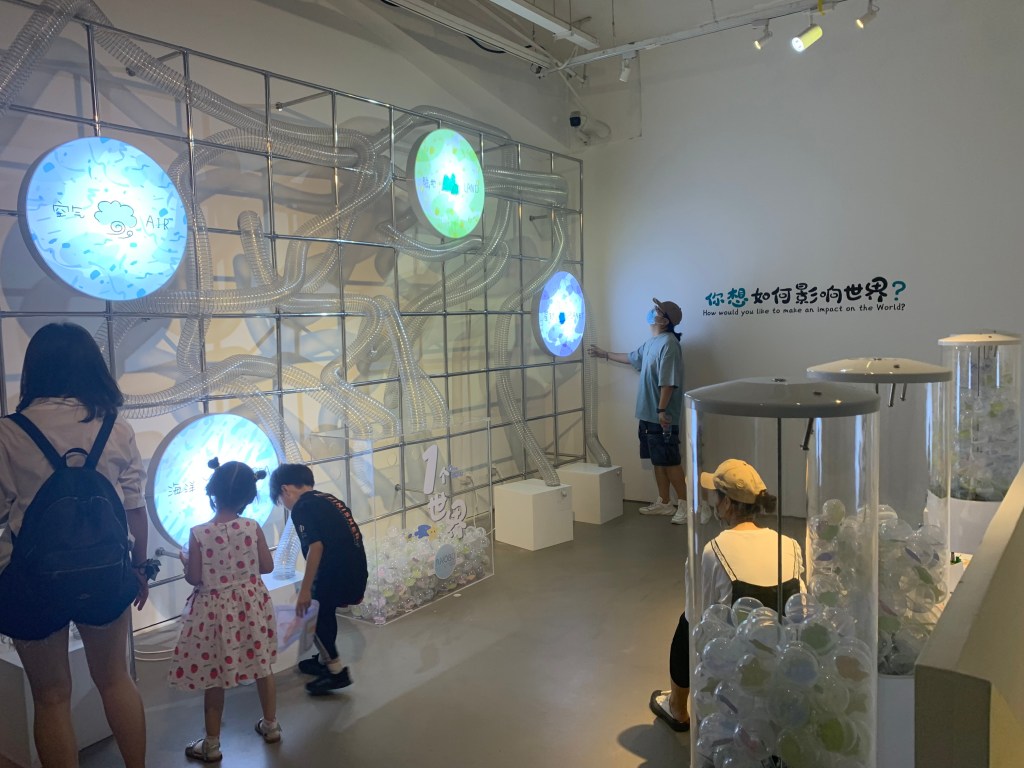
Three questions through the exhibition for children to think about and make their own choices: Would you like to make an impact to the world? Are you able to make an impact to the world? How can you make an impact to the world? These three questions start from children’s willingness at the very first gallery, to their ability in the middle of the exhibition, and finally to their actions of impact-making at the last gallery. Hopefully, children who visited this exhibition could bring their thoughts and efforts into their lives to take solid actions to make the world a better place.
The first questionThe second questionThe final question
Brave Heart Exploration
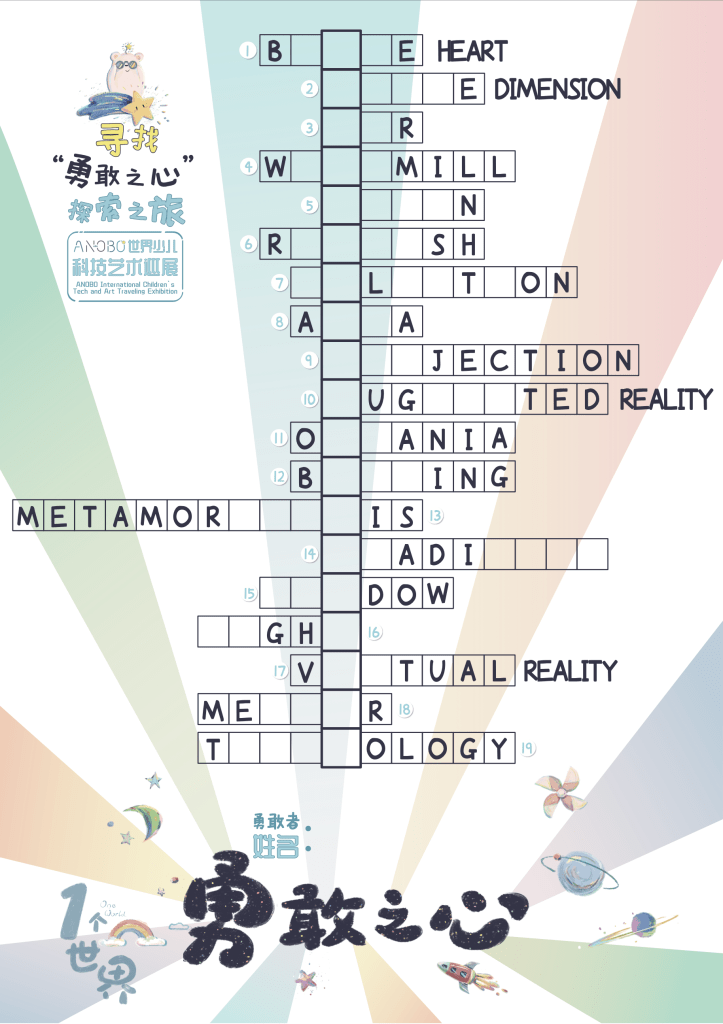
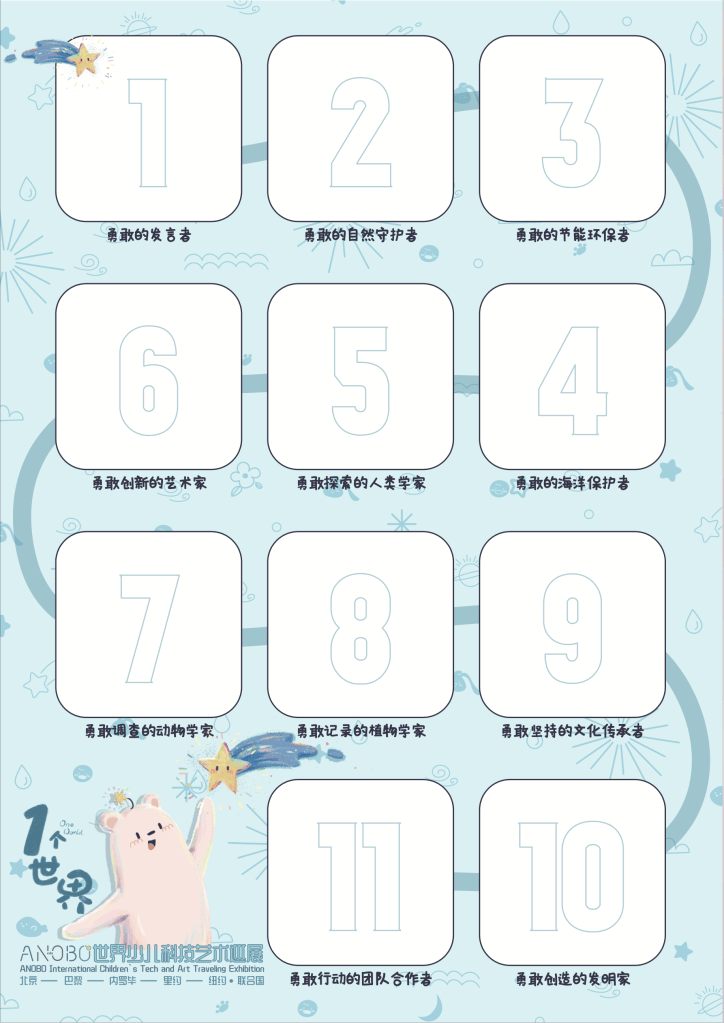
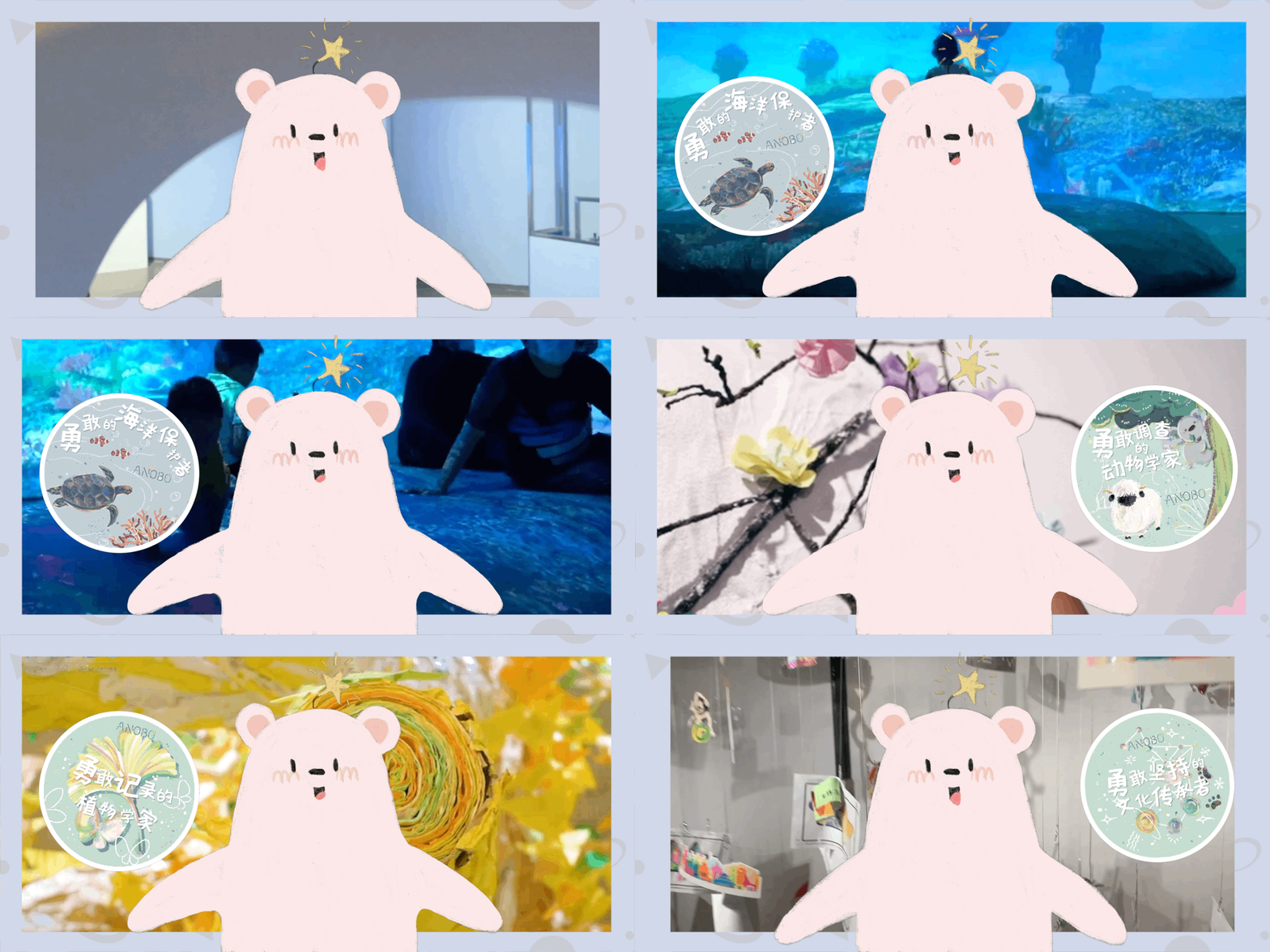
This gallery exploration started with a story of ANOBear who lost its brave heart in the exhibition. Young global citizens were expected to explore the exhibition, learn about the different perspectives of braveness, do several tasks to win the clues, and complete 19 cross-words to help ANOBear re-obtain its brave heart. Through the exploration, learners would learn about art (collage, installation, ready-made), nature (ocean, plants, animals, geography), science (genetics, space, technology), as well as obtain some social-emotional skills and ideas, including braveness, empathy, environmental protection, cultural differences, teamwork, etc.
Brave Heart CrosswordsBrave rolesSelected part from the final brave heart task reveal video
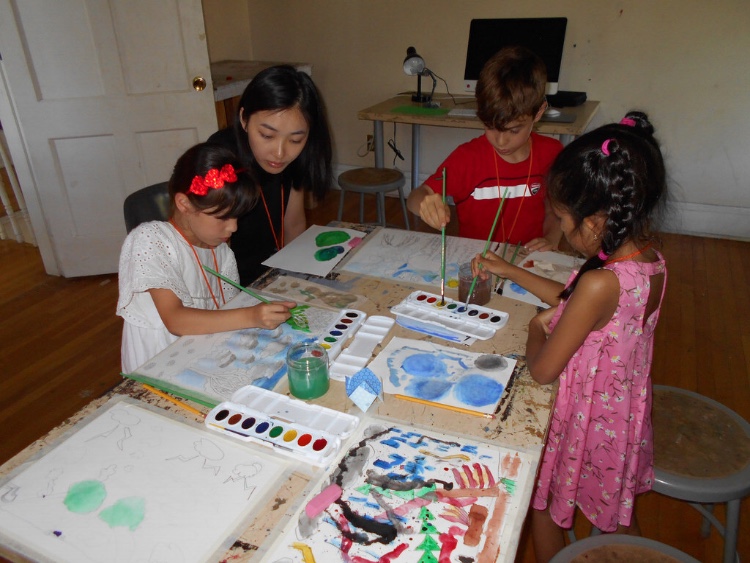
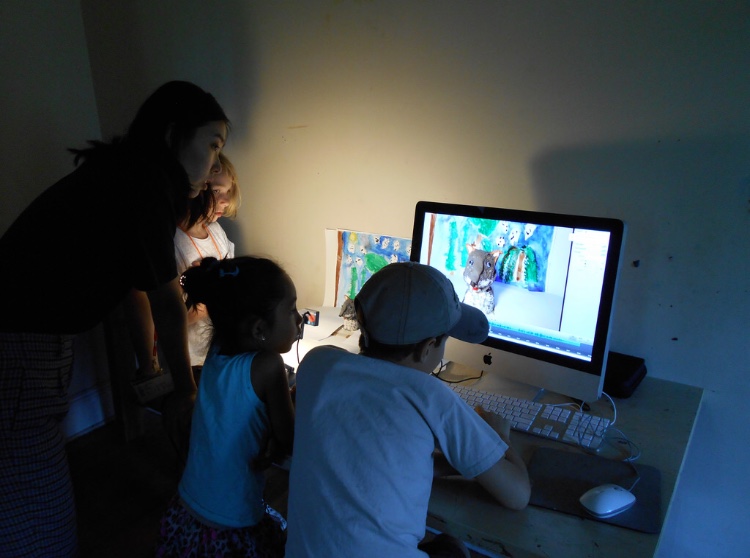
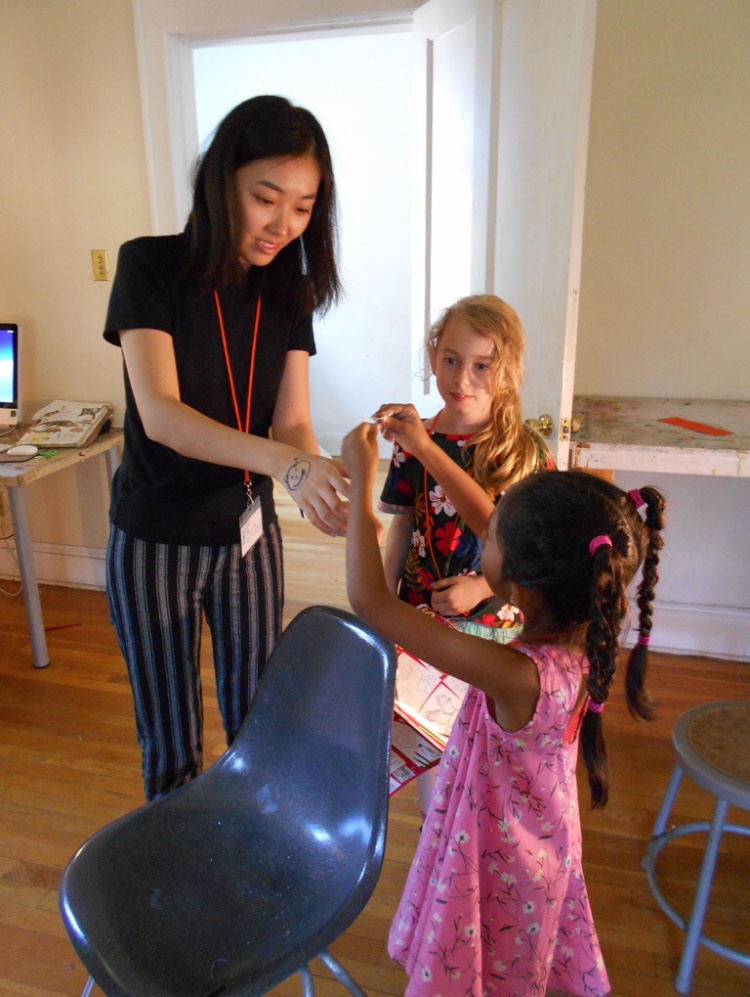
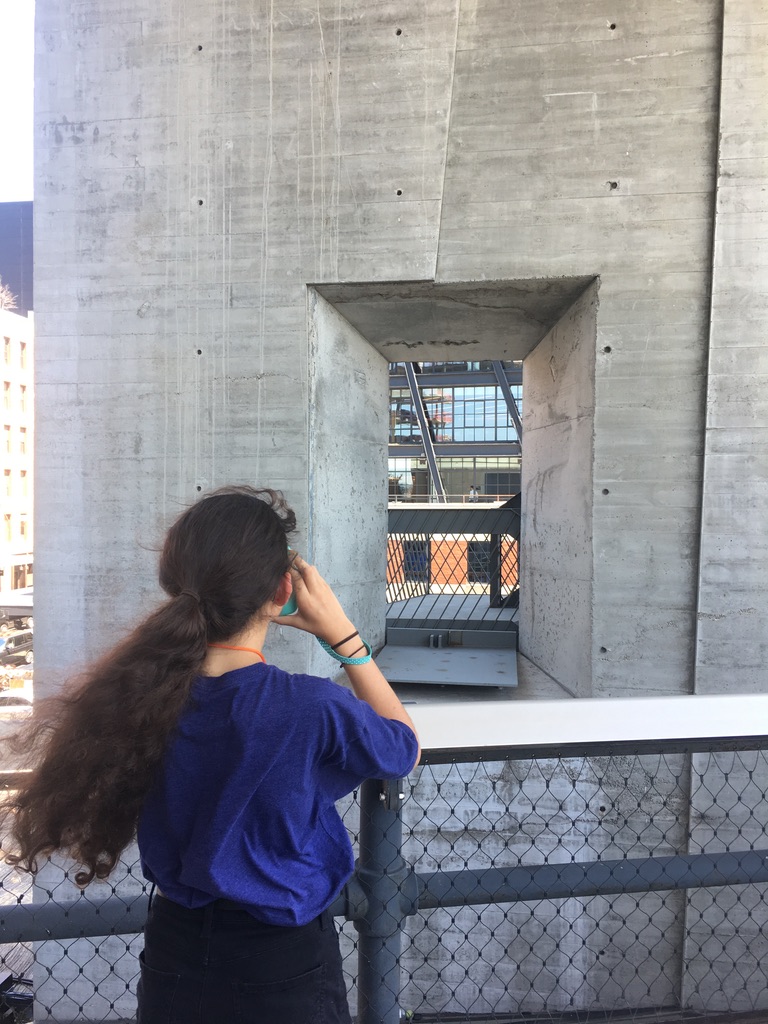
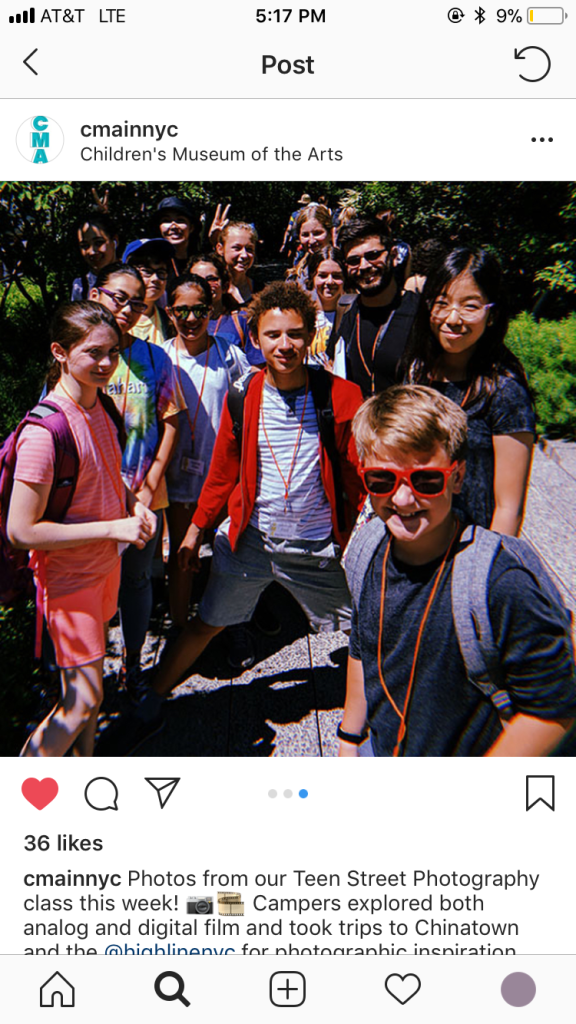
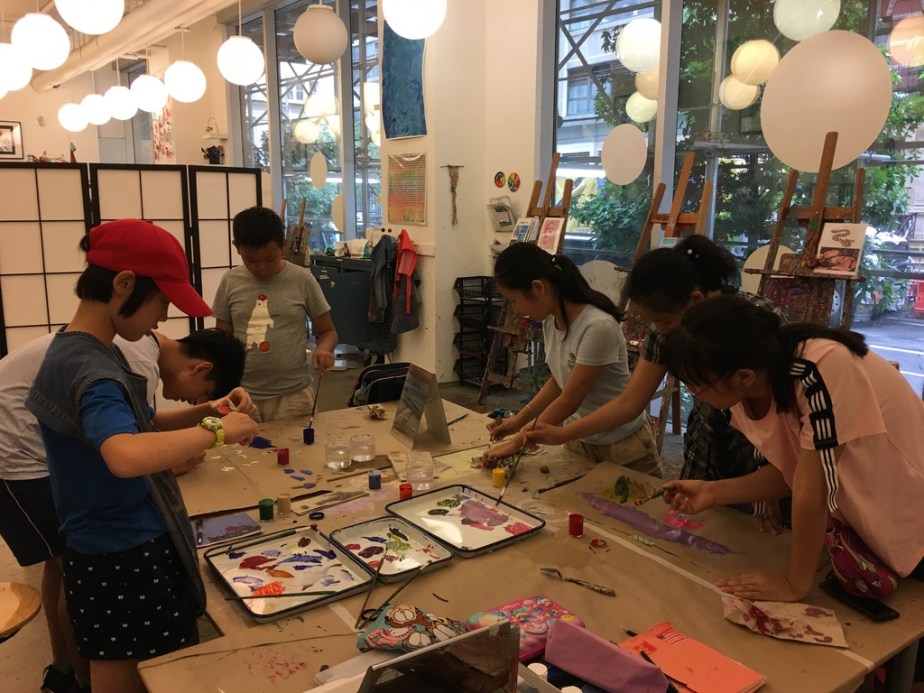
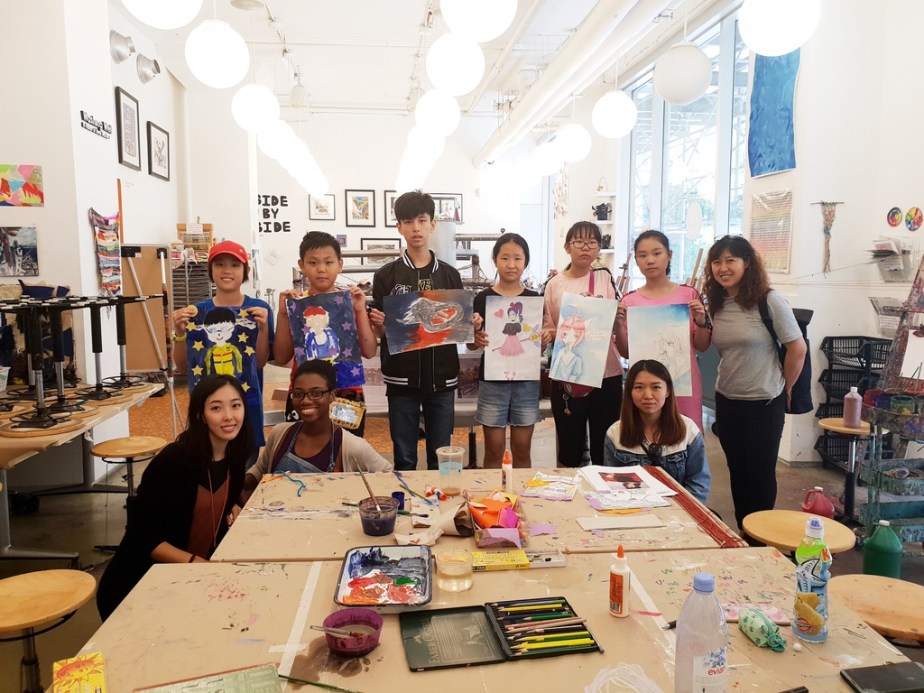
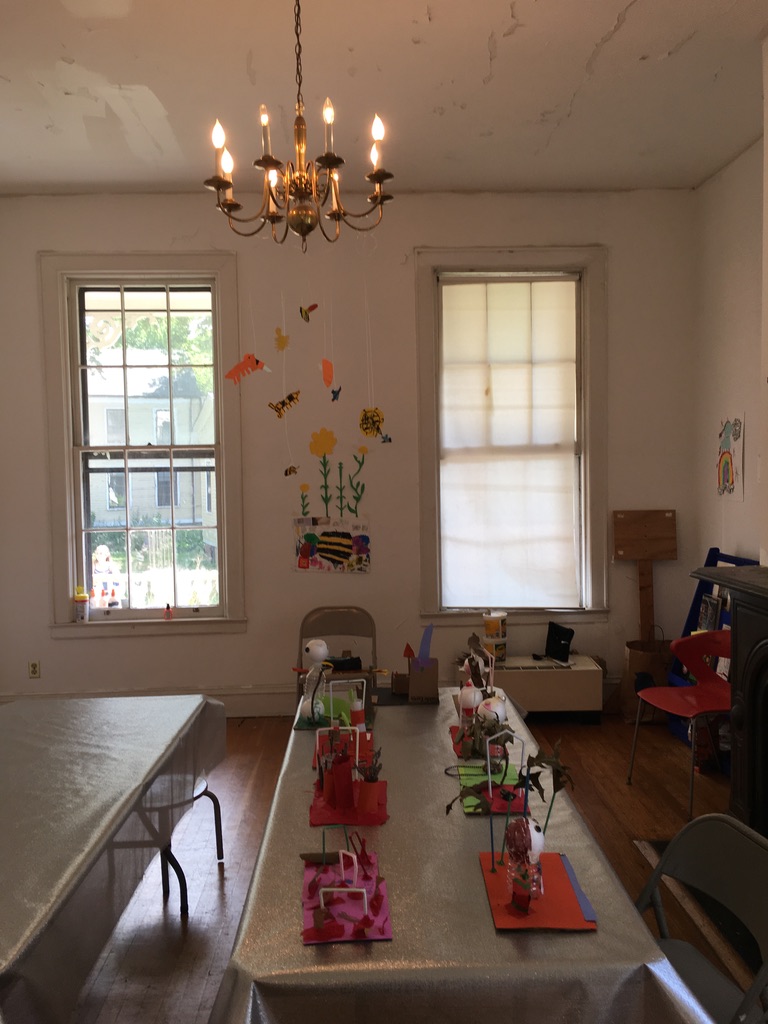
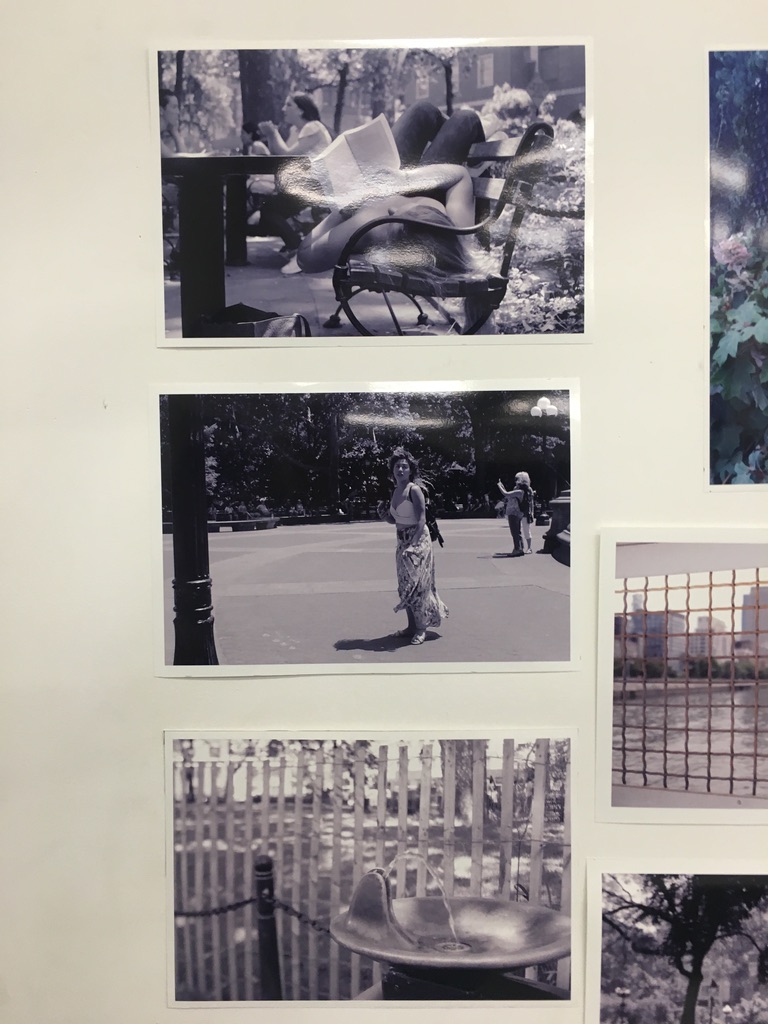
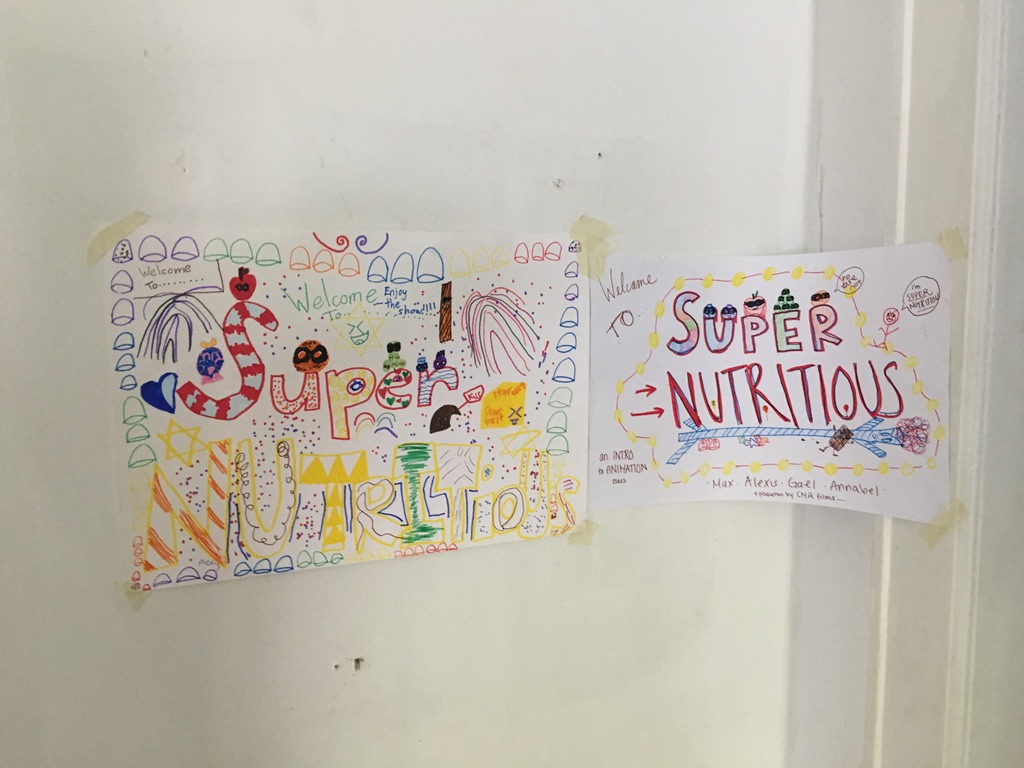
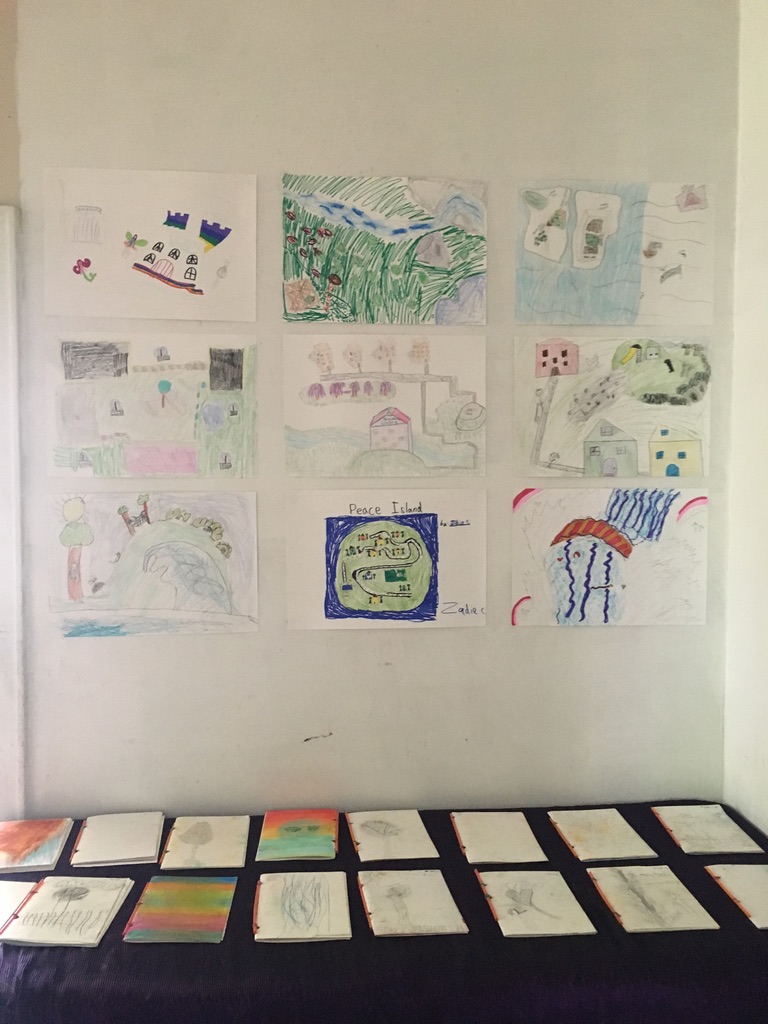
When working as an art colony counselor and teaching artist for Children’s Museum of the Arts in the City of New York, I counseled for children and teenagers ranging from age 5 to 15 who took the summer art colony lessons in 2018. I facilitated art-making in several art classes, including stop-motion animation, oil painting, digital photography, sculpture, and crafting. Furthermore, I designed and developed lesson plans for private art lessons. I also led creative pre- and post-class art activities in the Manhattan museum gallery as well as in the museum’s outpost on the Governor’s Island.
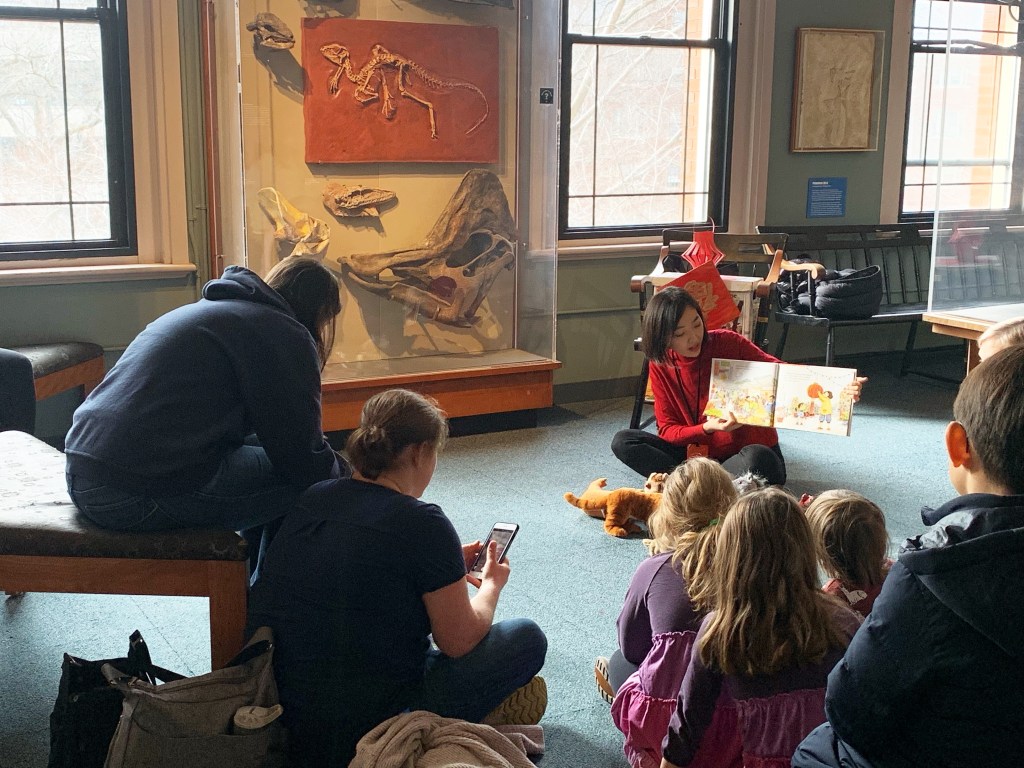
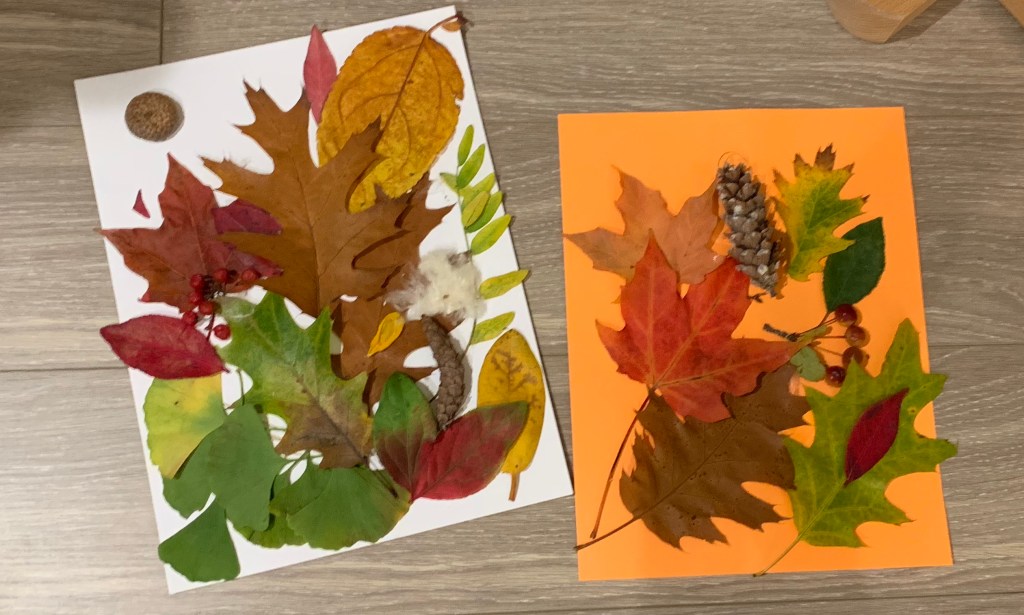
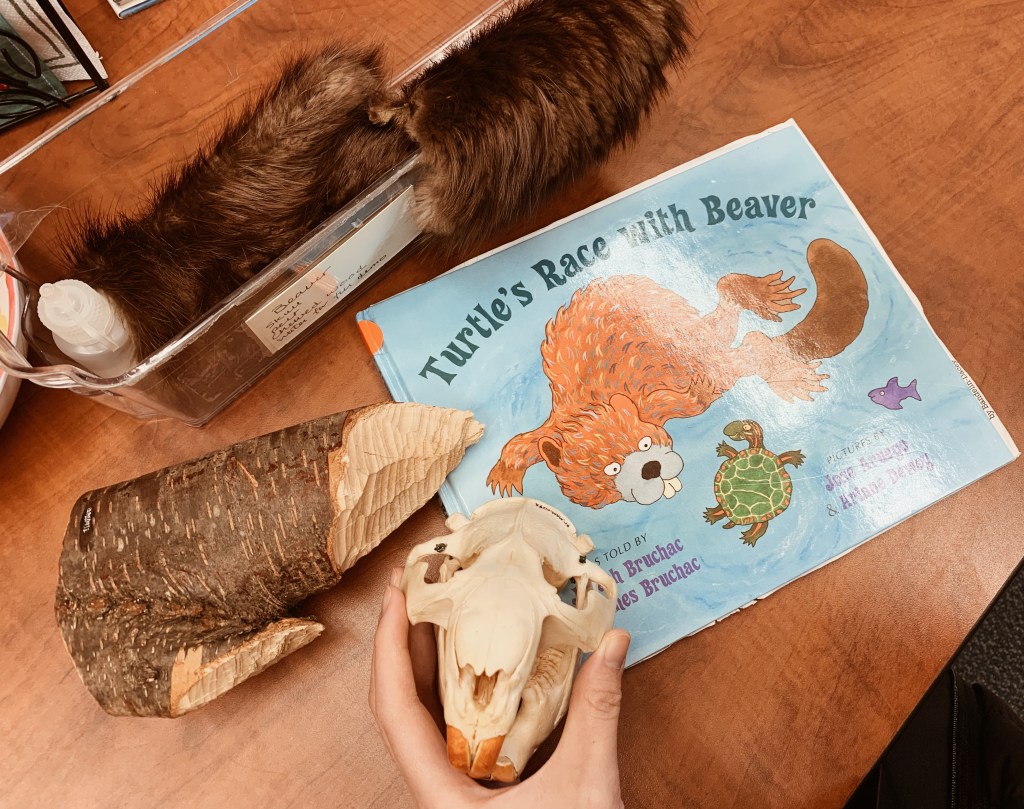
As a nature story teller at Harvard Museum of Nature and Science, I read nature and culture themed picture books to families visiting the museum during the weekends. I used stuffed animals, specimen, models, and cultural artifacts to aid kids’ understanding of the stories and also to attract their attention in the reading. We sometimes even performed as the characters in the stories to have more fun in this learning process. Usually after the reading, we would make arts together according to the story theme, for example, after reading a story about autumn together, we made collages using foliage, acorns, flowers we collected in the nature. Sometimes after the reading, we would also explore the related galleries together and try to find the animals mentioned in the stories and acknowledge their scale as well as characters in person.
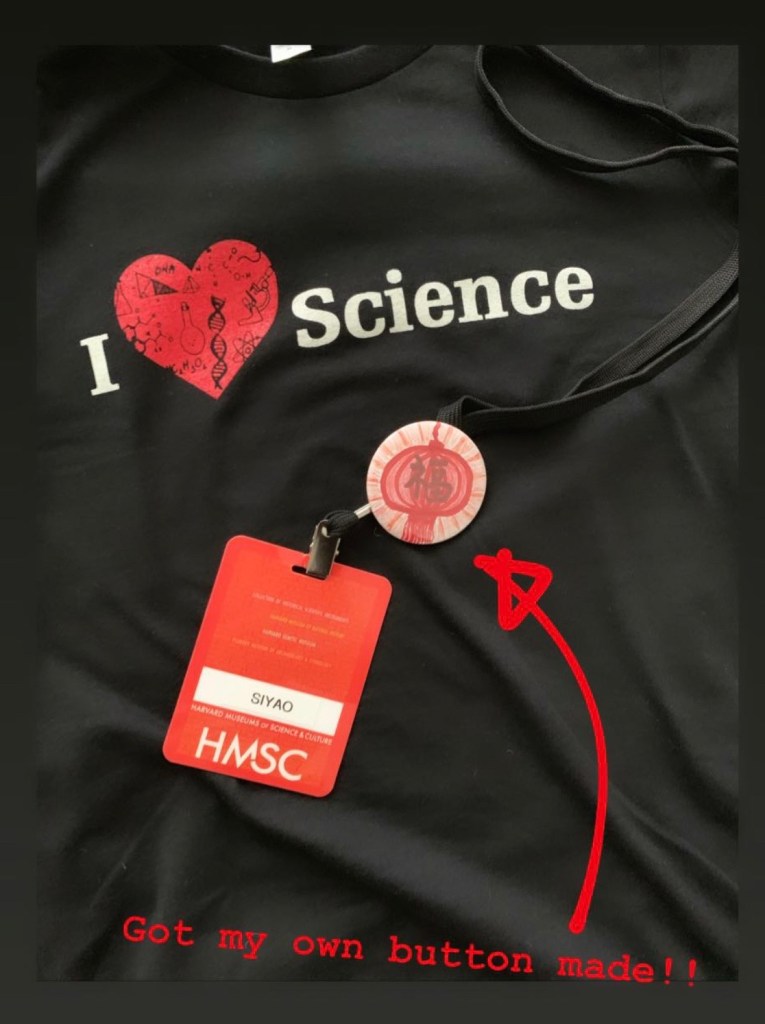
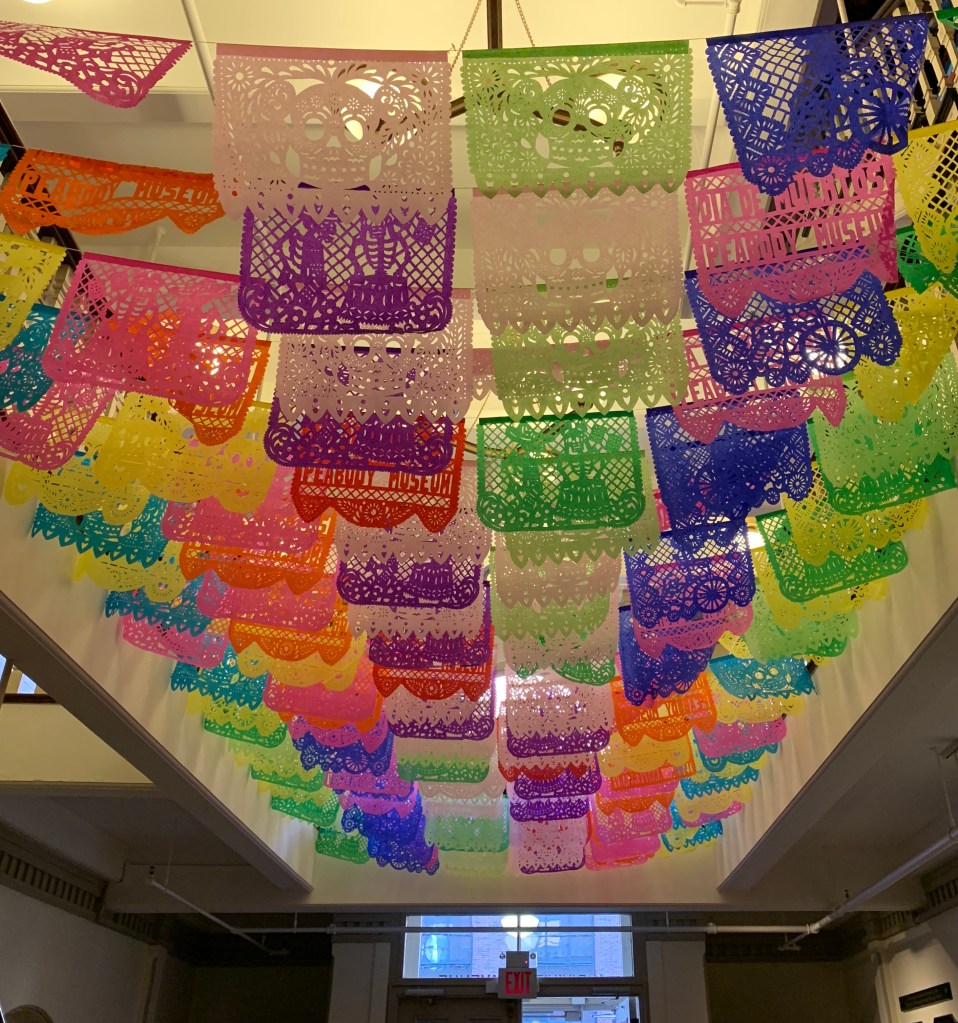
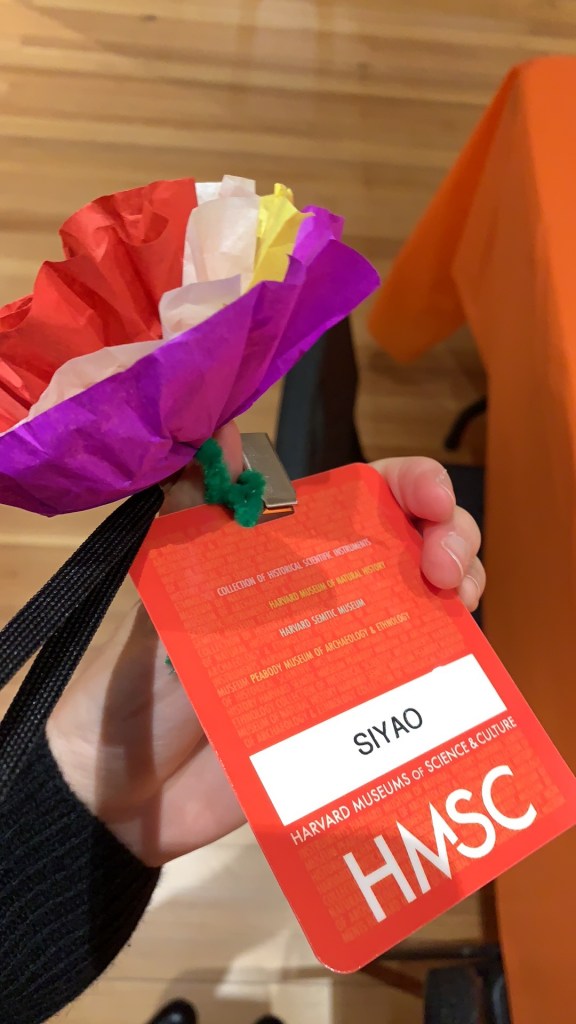
Besides story-telling, I was involved in the preparation and execution of the Day of Dead Festival in 2018, in which we made paper flowers, sugar skulls, and face-painting with families in the neighborhood. I also participated in the preparation of the Science Festival in 2019, in which I helped kids creating and making their own buttons to show their understanding of culture and science using the button machine.
Project Type: Professional Project with HARVARD ART MUSEUMS
Project Location: Harvard Art Museums, Cambridge, MA, U.S.
Role in the Team: Graduate Student Teacher of the Public Program Department
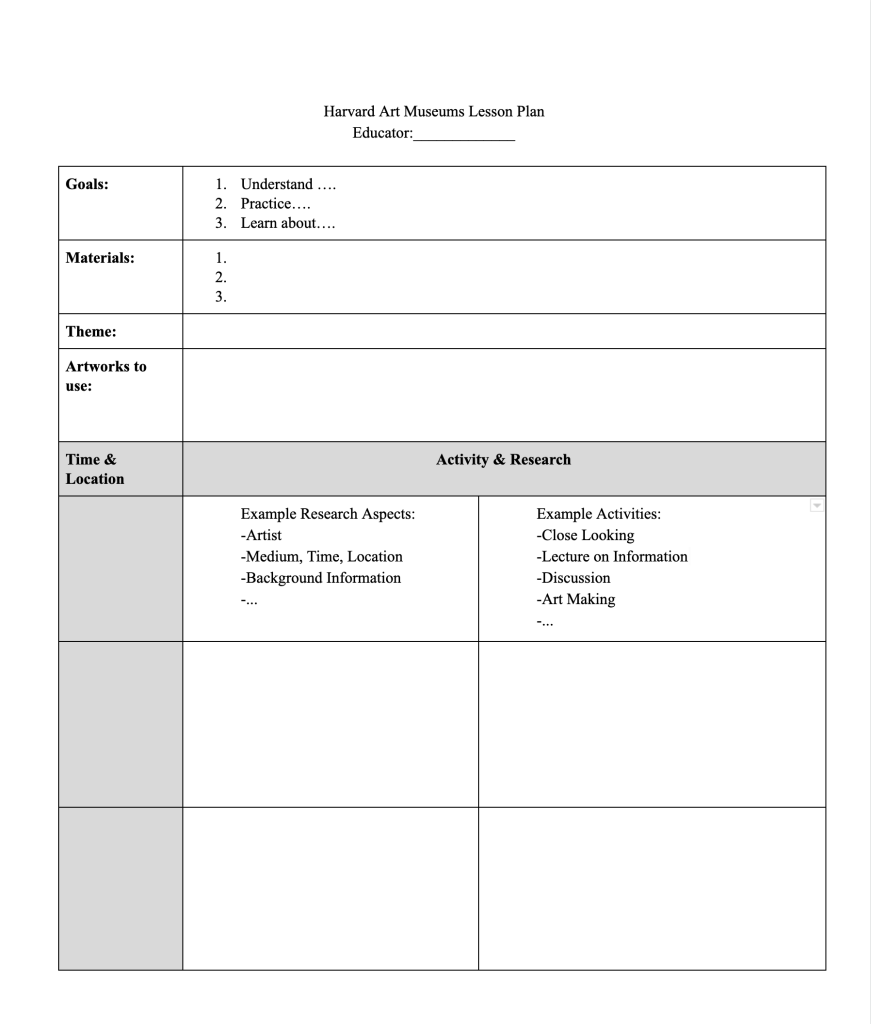
Lessons I designed and taught: Foundations of Art (2018 Fall, 3 classes), Foundations of Art (2019 Spring, 2 classes), Fashion Design (2019 Spring, 2 classes from intro level to intermediate level)
HAM Colleagues I collaborated with: Sarah Summers, Mimi Thompson, Sarah Briggs
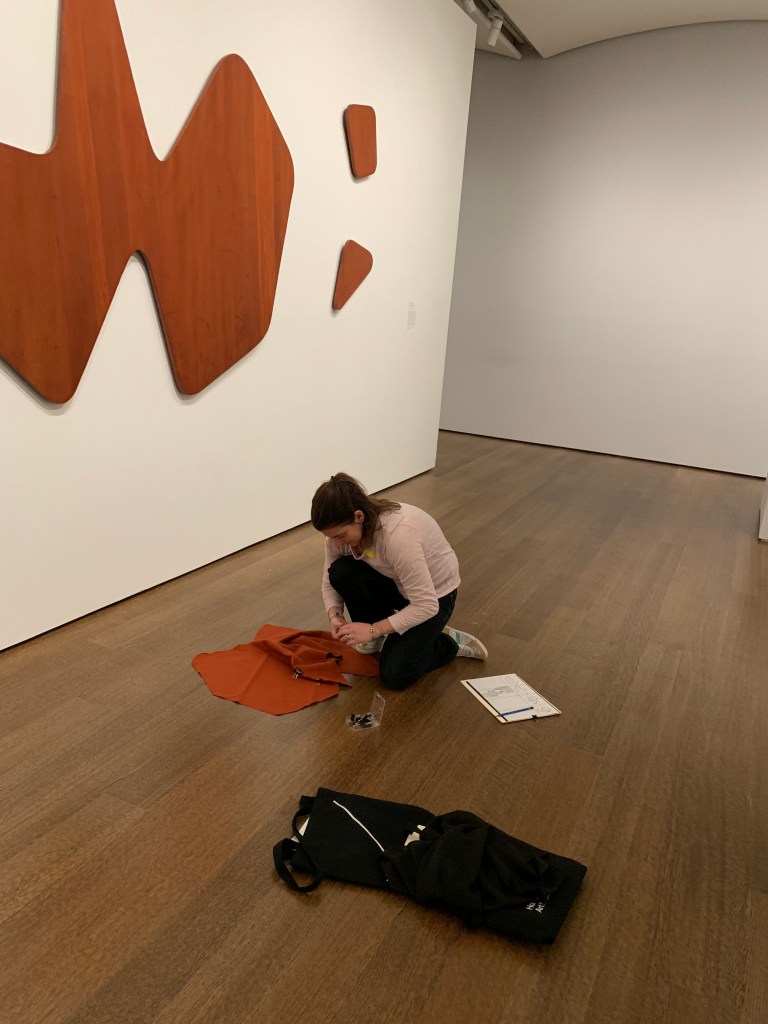
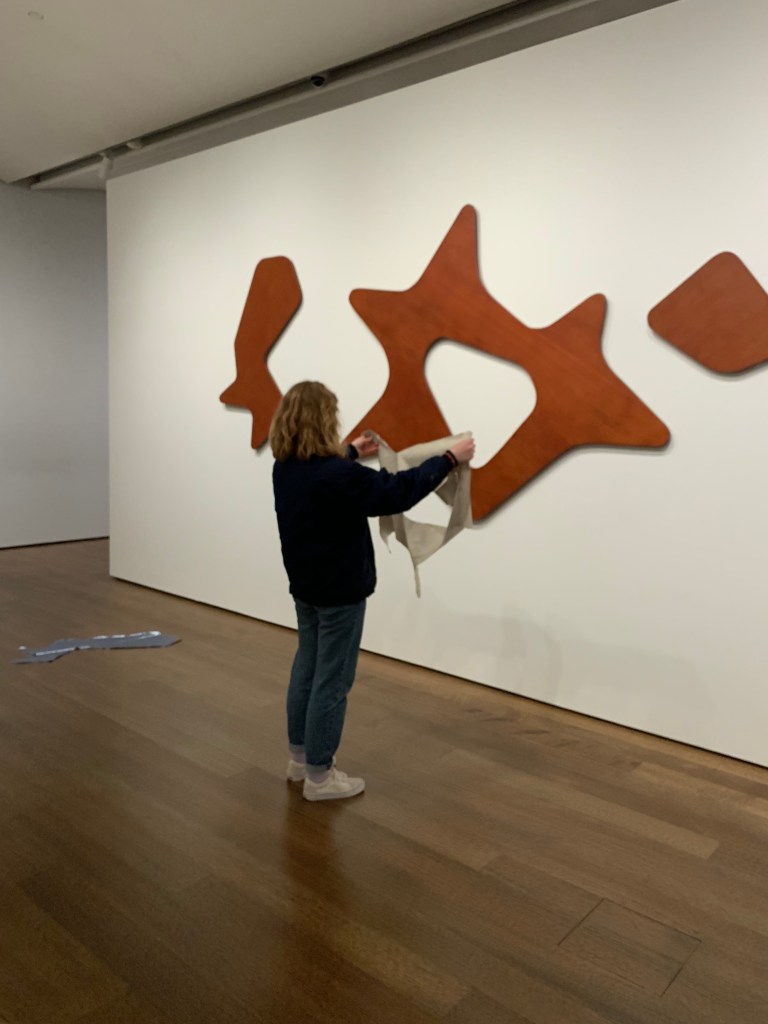
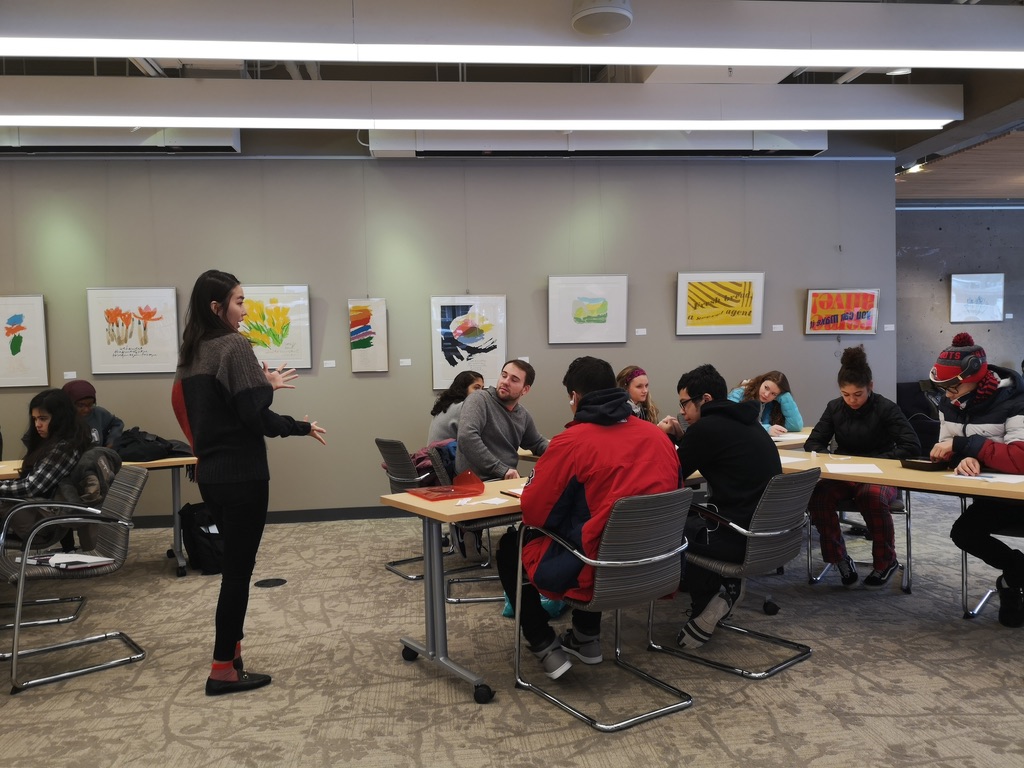
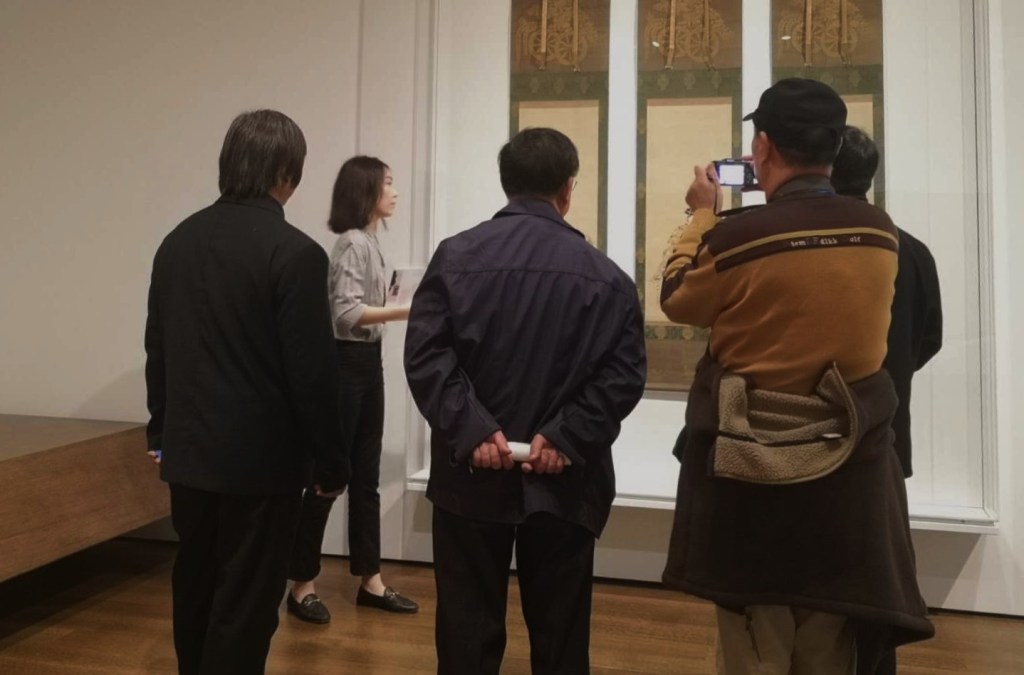
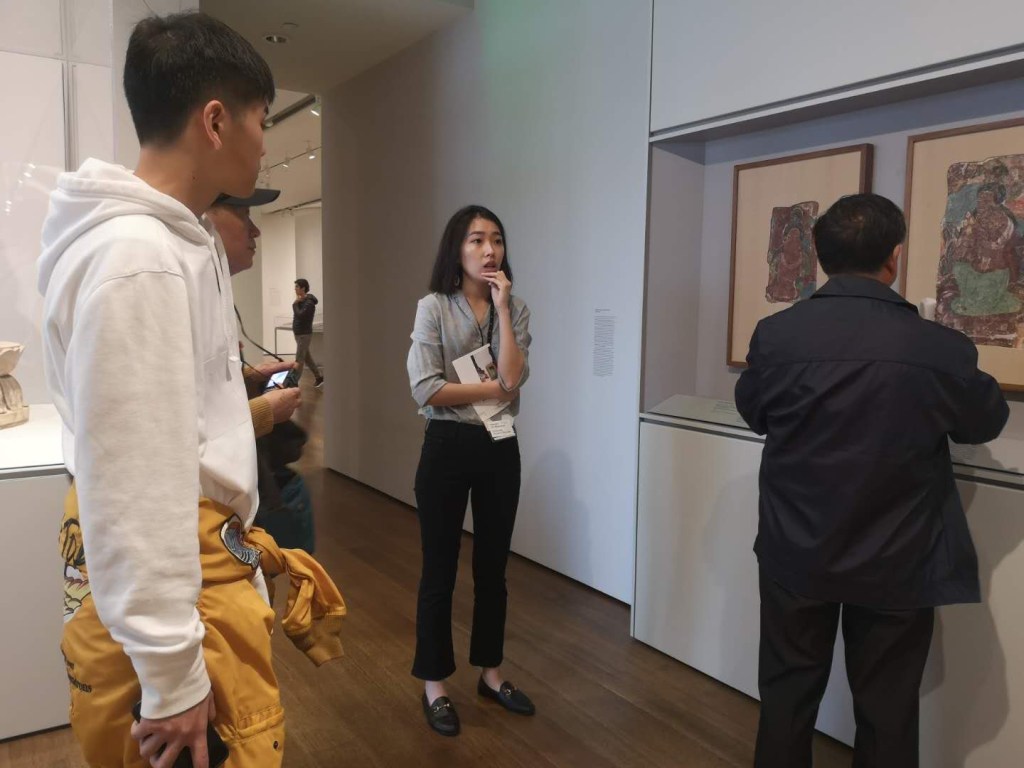
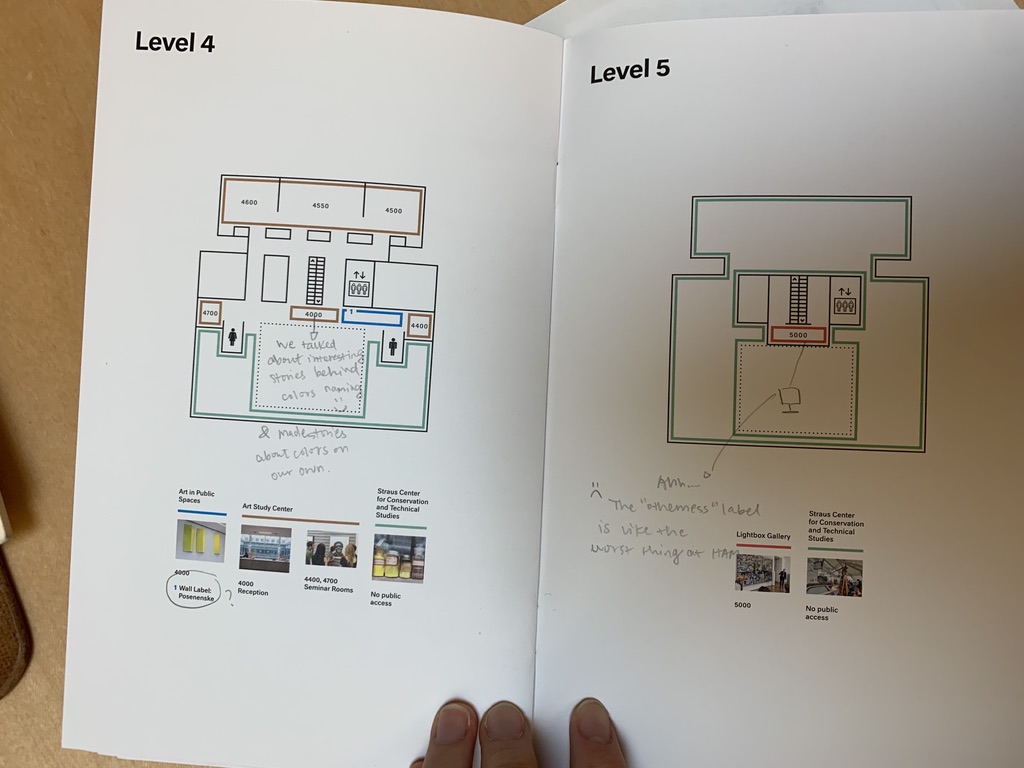
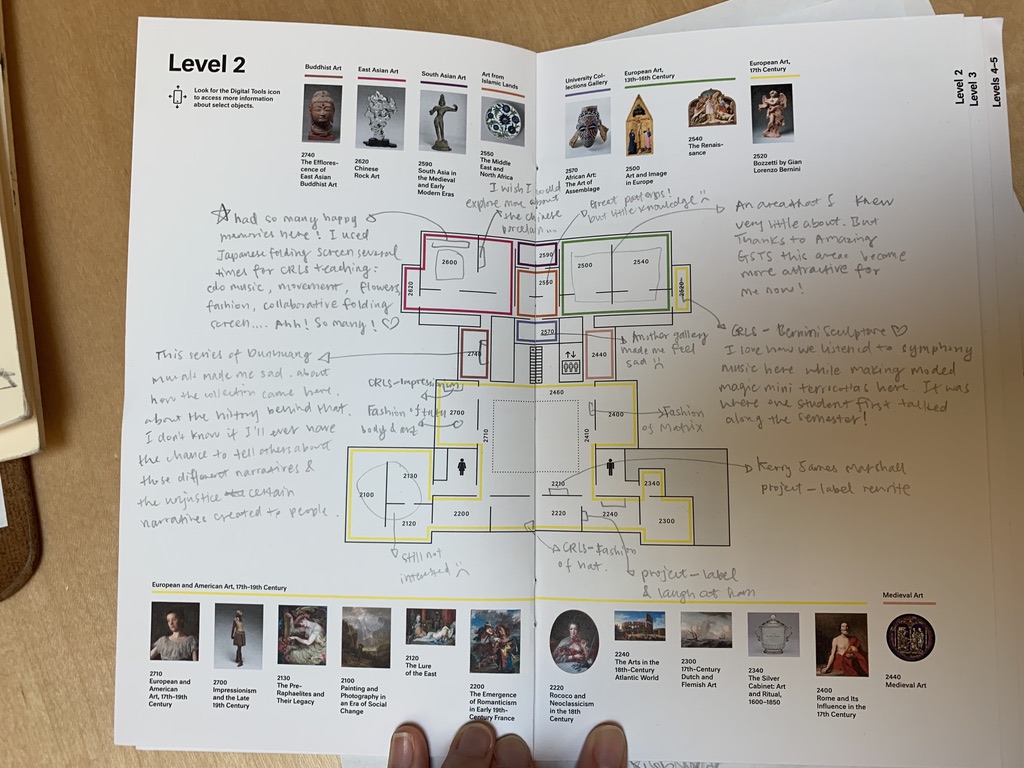
During my time as a graduate student teacher at HAM, I researched, designed, and taught art lessons in the museum galleries as well as across the Harvard campus in collaboration with art teachers from the Cambridge Rindge and Latin School, a public school in Cambridge, MA. The students I encountered were from grade 9 to 12 and were from very diversified backgrounds. Some students were frequent museum-goers and world travelers with excellent senses and understandings of art, while some students had never been to a museum before even though they might be interested in the arts but felt intimidated by and excluded from the “high-class” art museums somehow.
cof
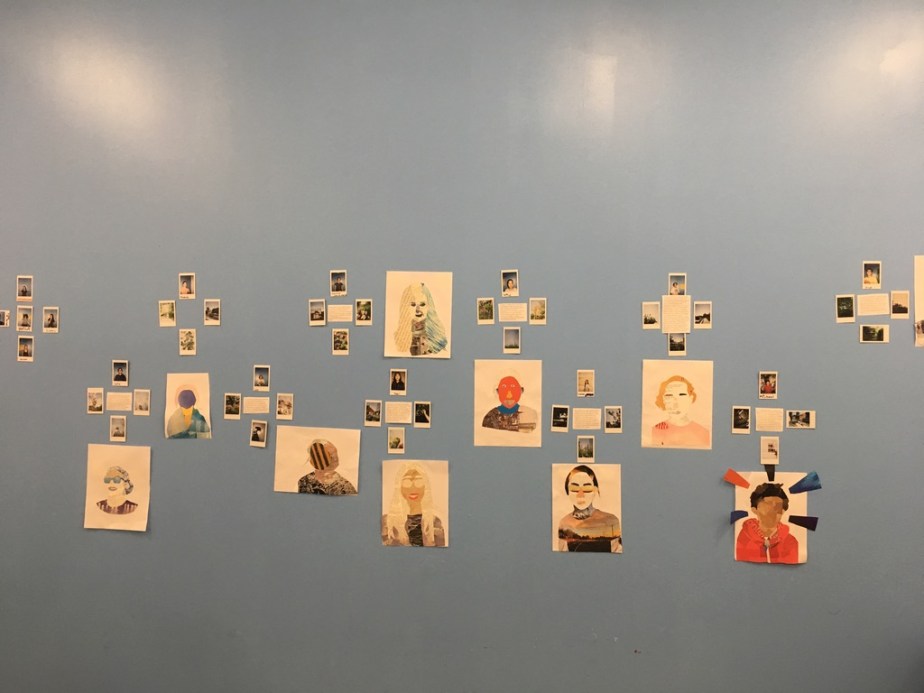
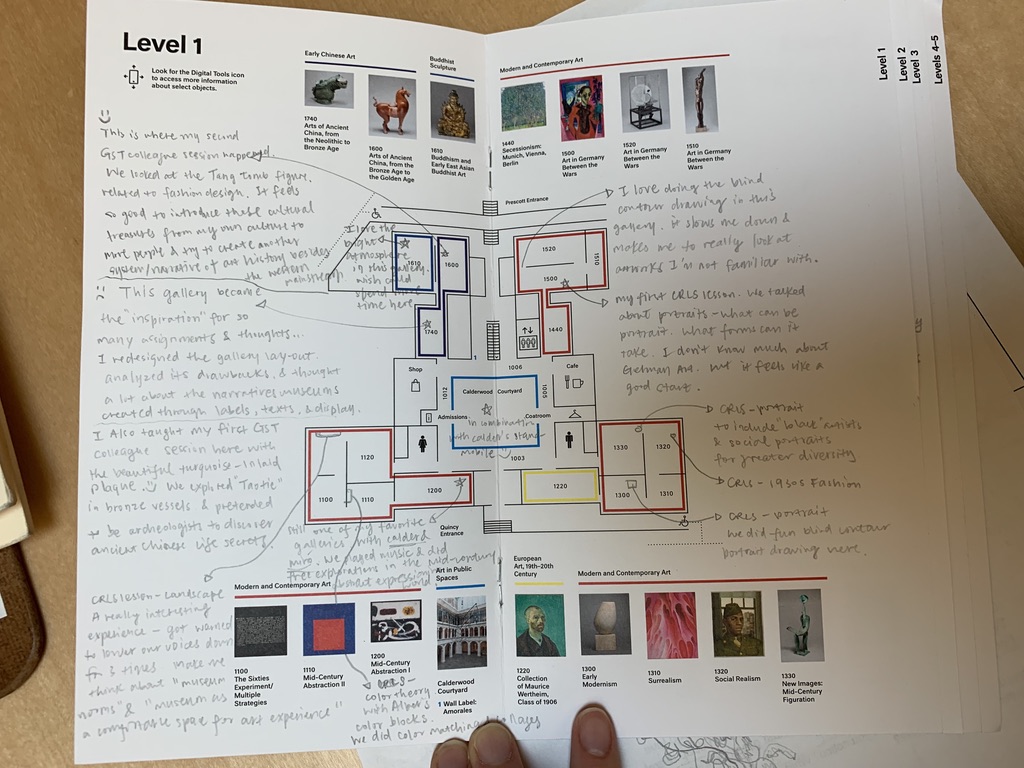
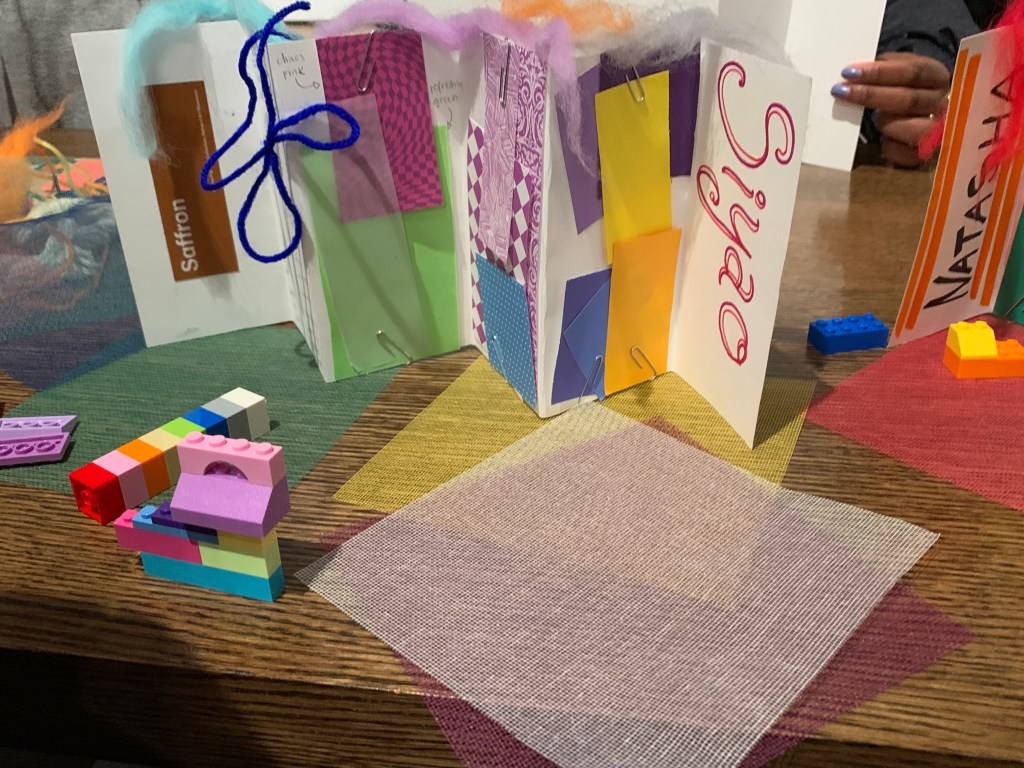
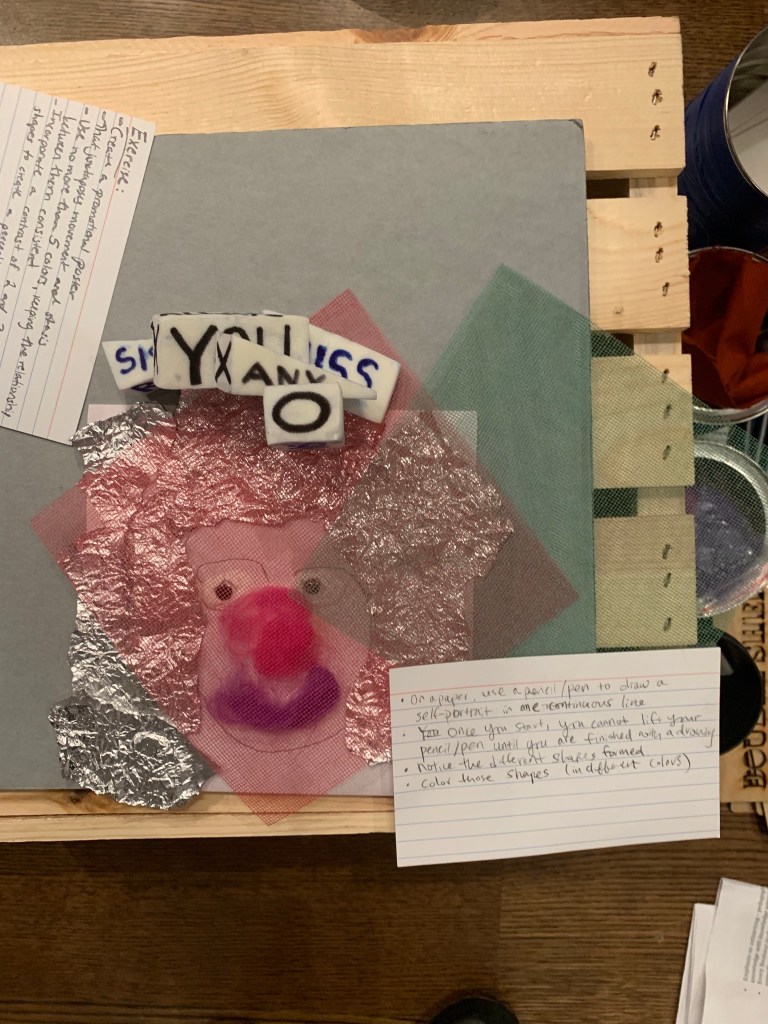
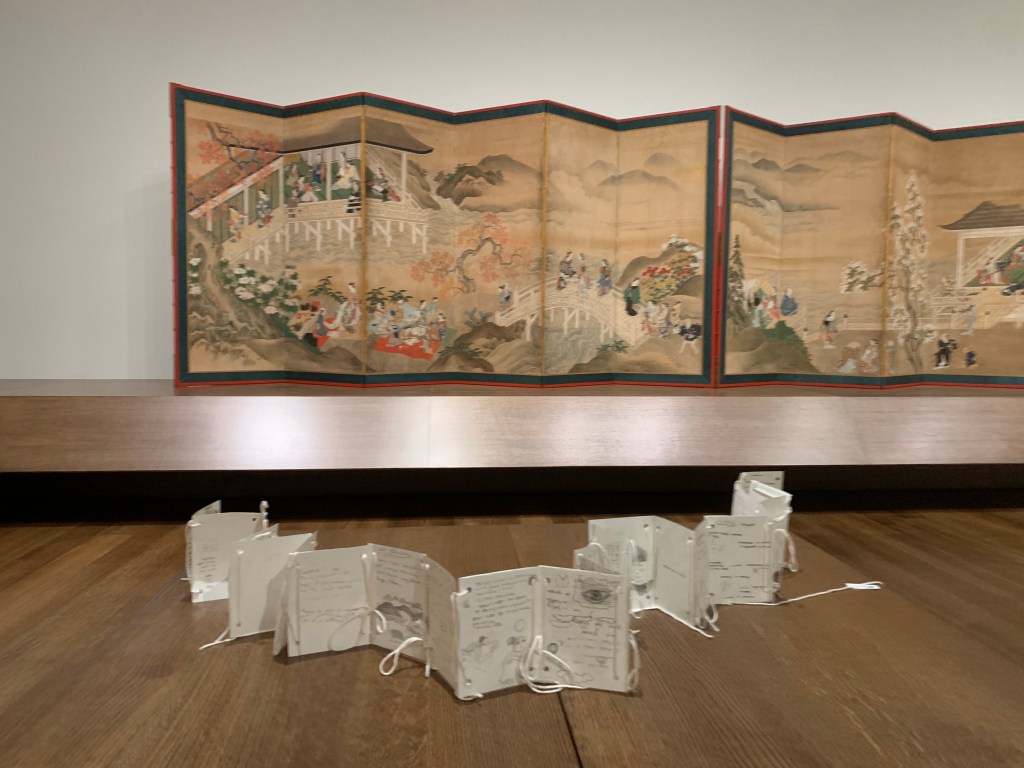
My job, as well as my 9 other colleagues, was to encourage all students visiting the museum to feel empowered to enter the museum gallery and enjoy art, see the possibilities of generating meaningful observations and ideas of the arts, and even better, to build personal connections with the arts which may lead them back to museums for further explorations. Meanwhile, we also expect to encourage students’ critical thinking about arts as well as all those invaluable information hidden behind them, by introducing art pieces taking very different forms, from diversified cultural contexts, or even controversial to some extent. For example, we expanded the idea of portraiture by observing works from concrete to abstract; we displayed the inclusiveness of arts by drawing connections between the Japanese folding screens and the Impressionism; we challenged the idea of “fashion” by designing an ugly fashion tour, etc.
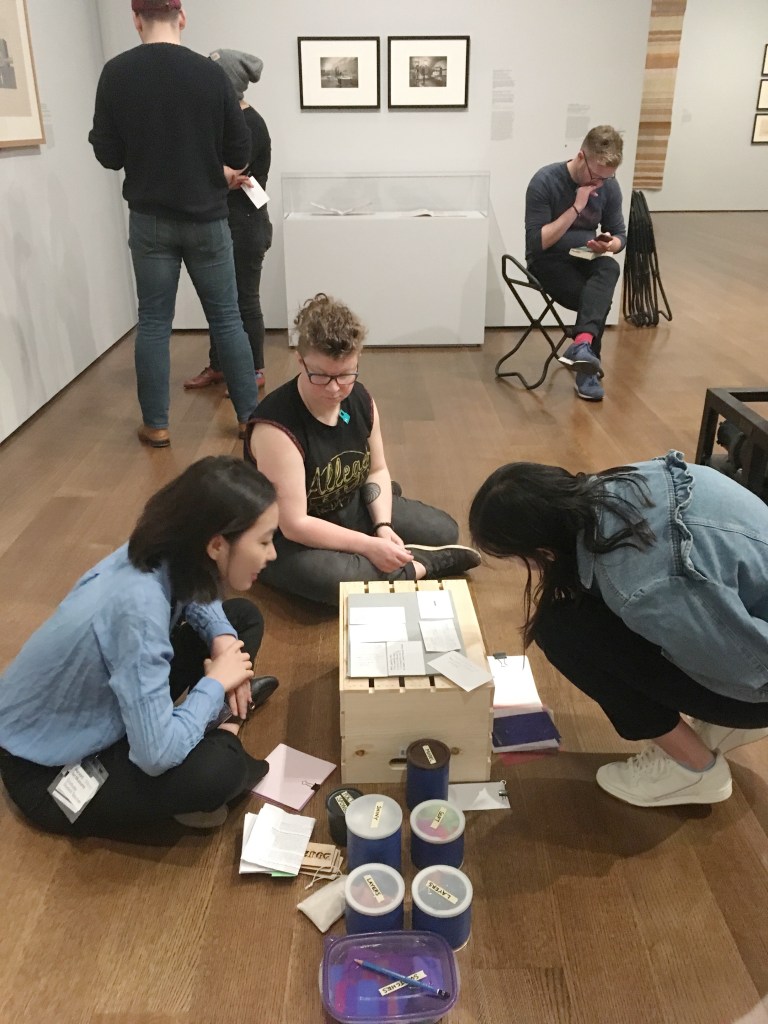
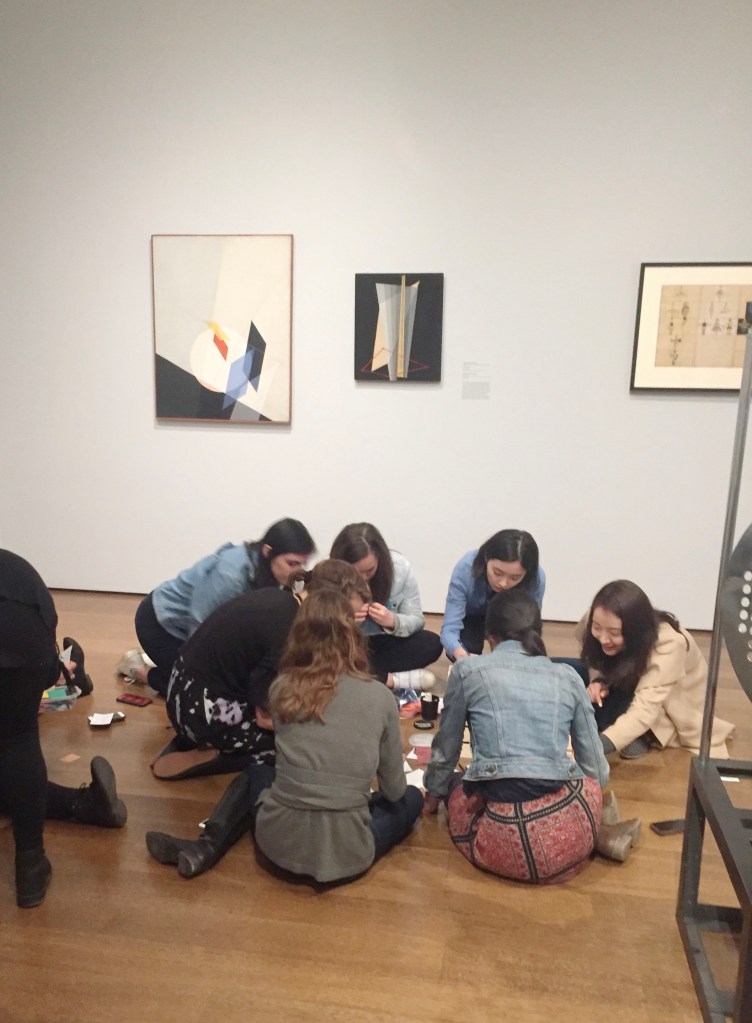
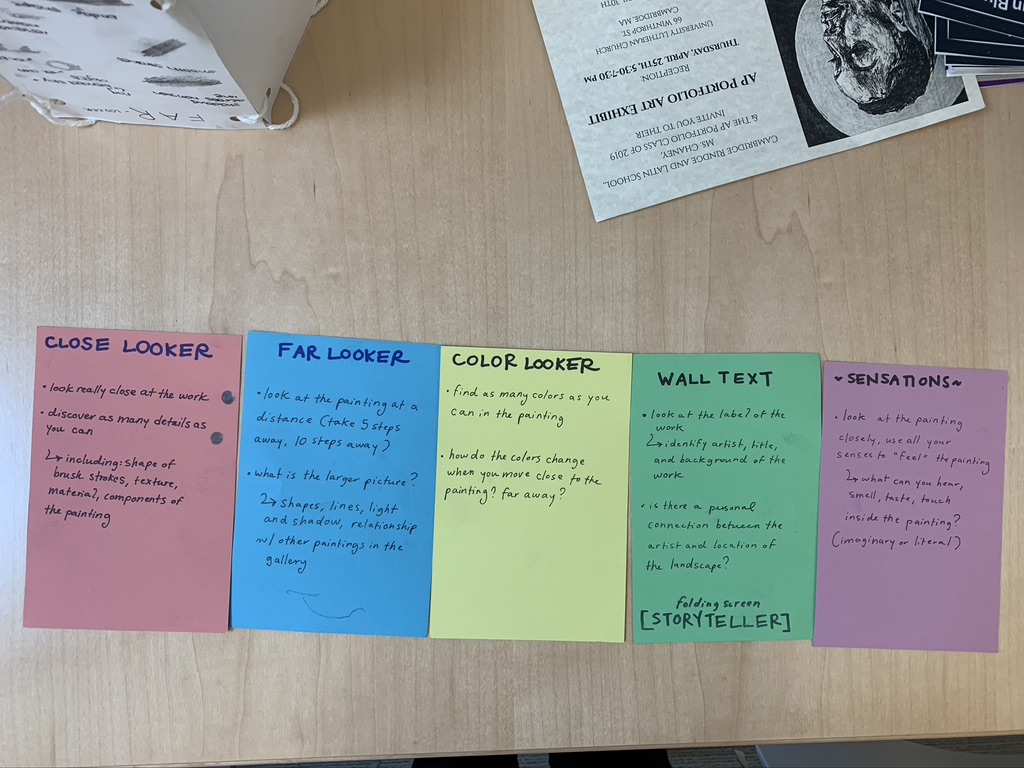
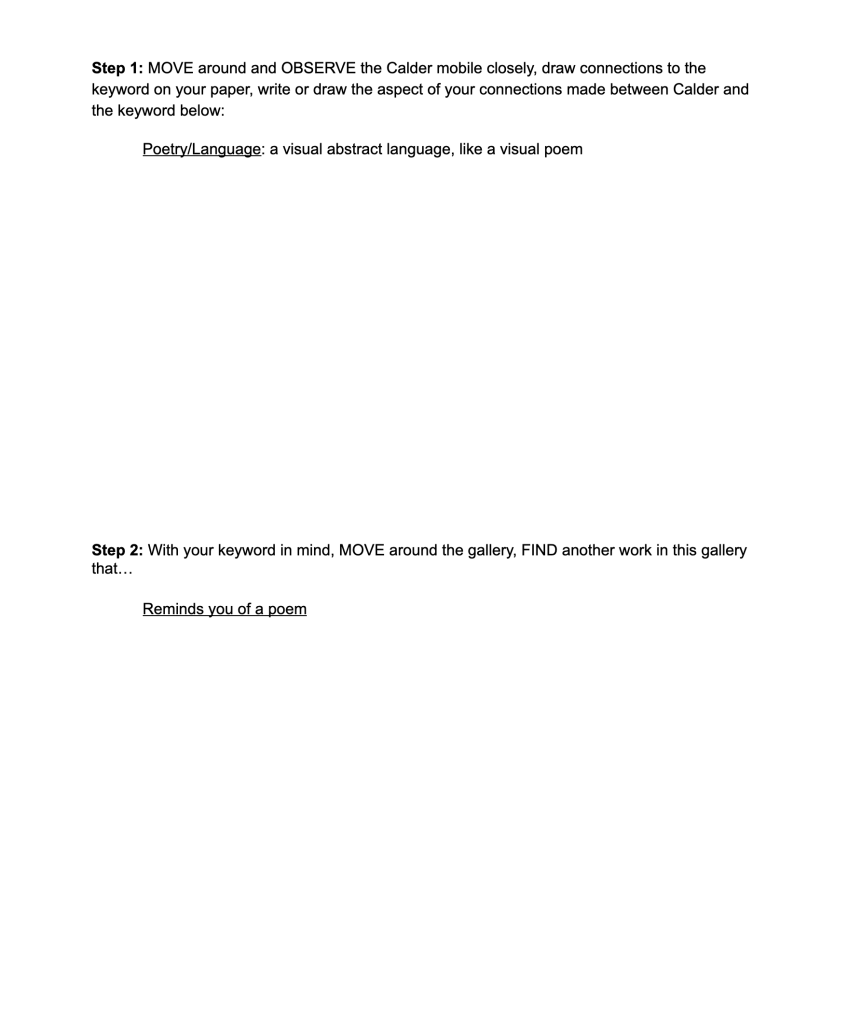
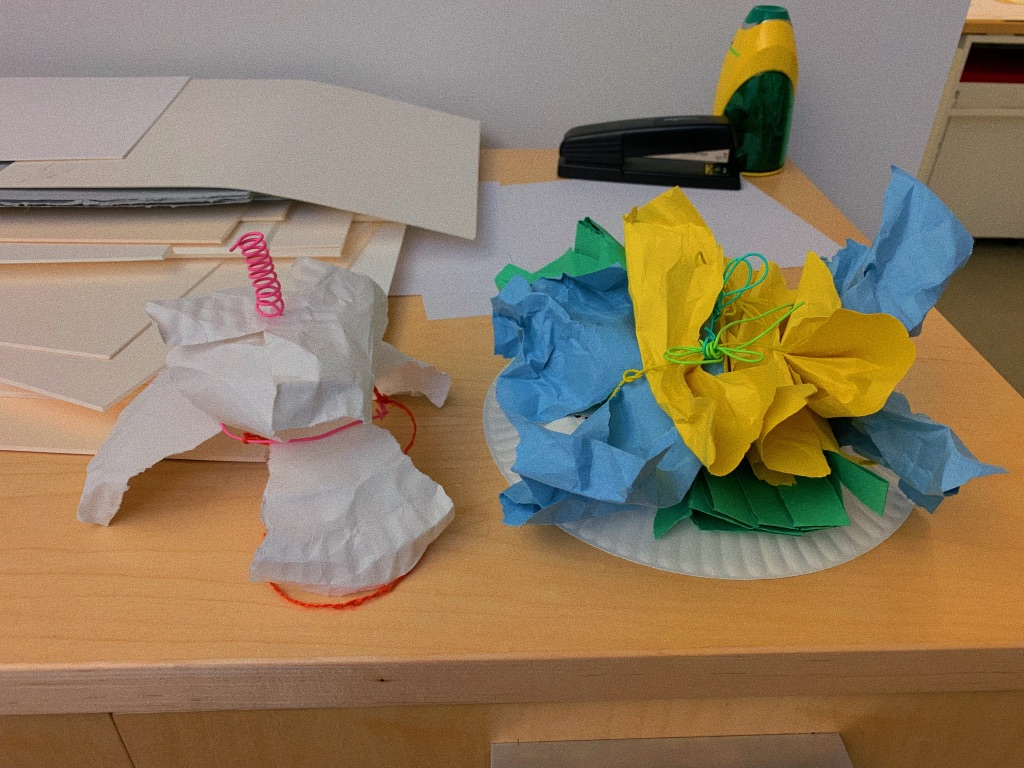
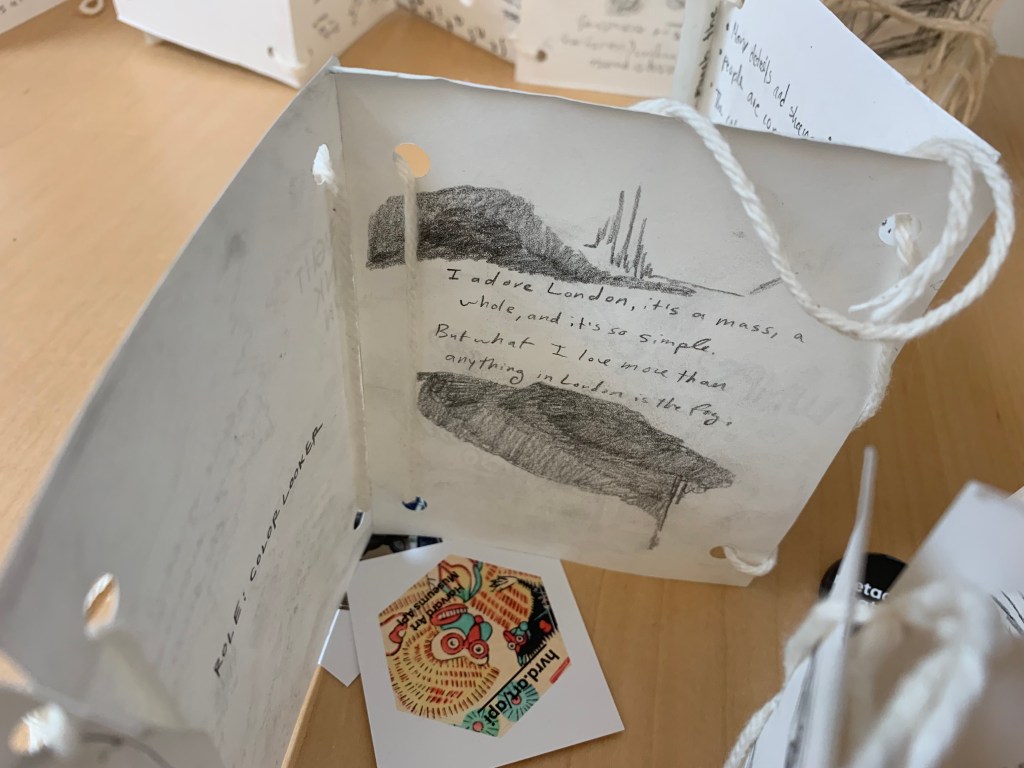
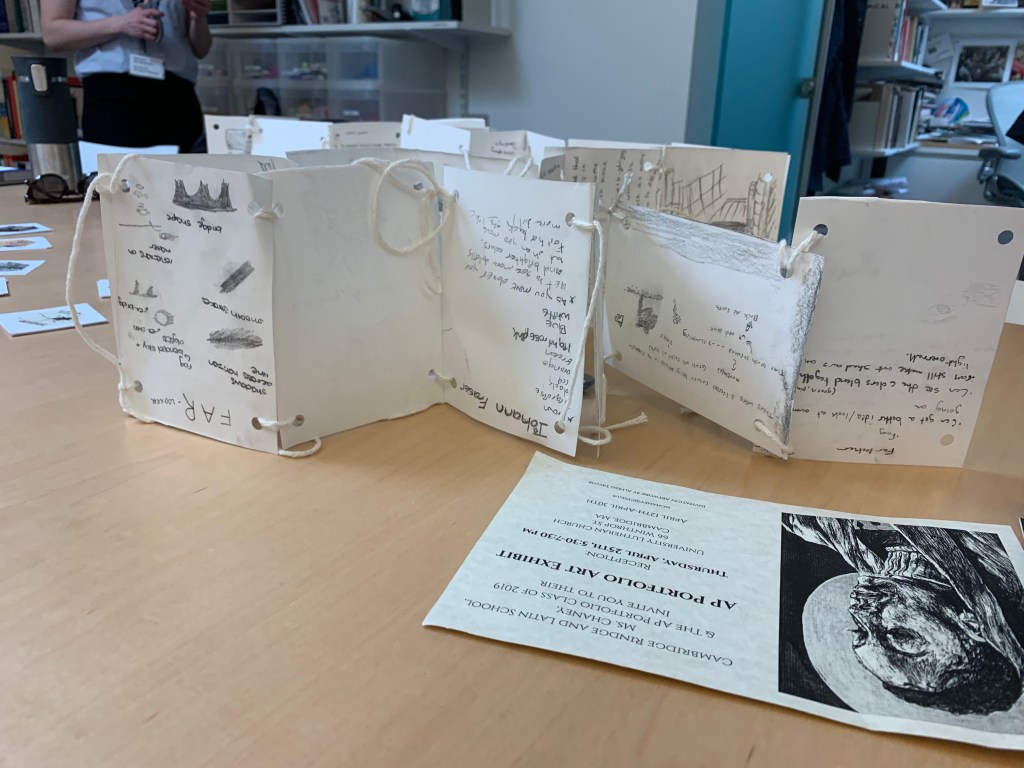
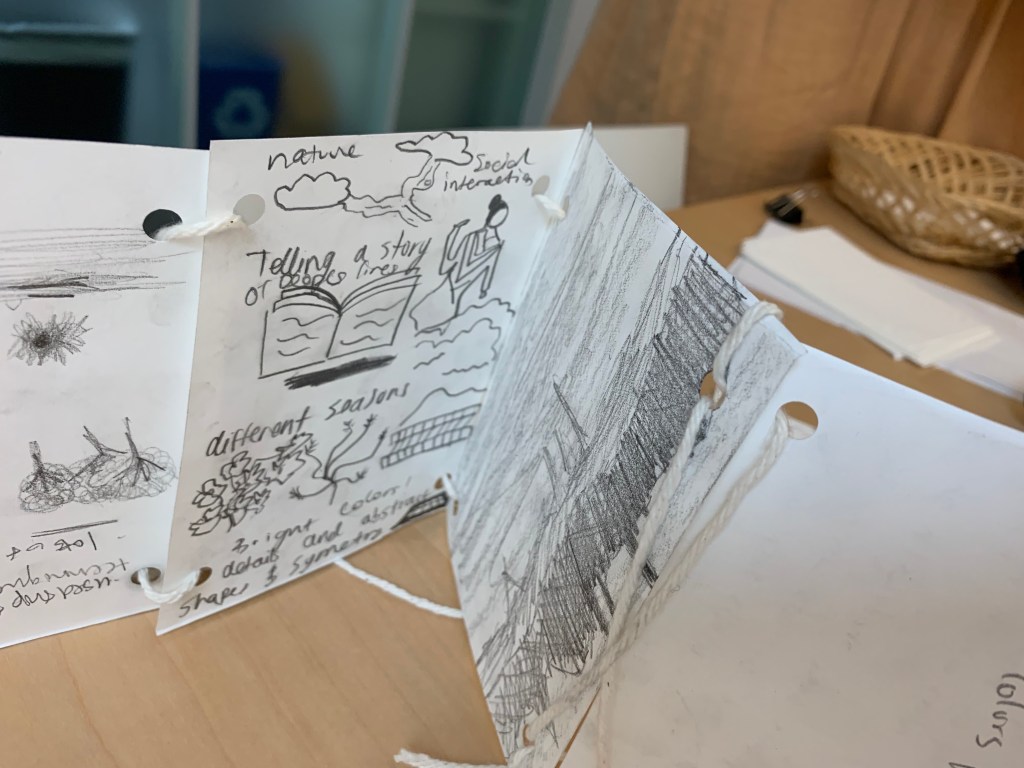
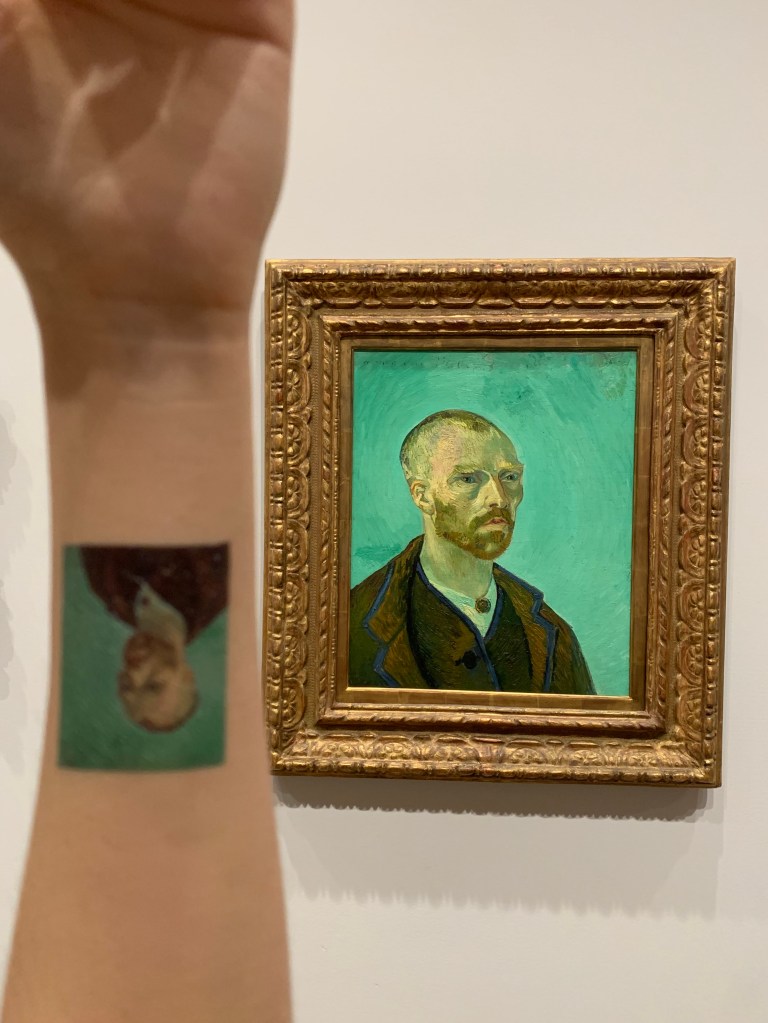
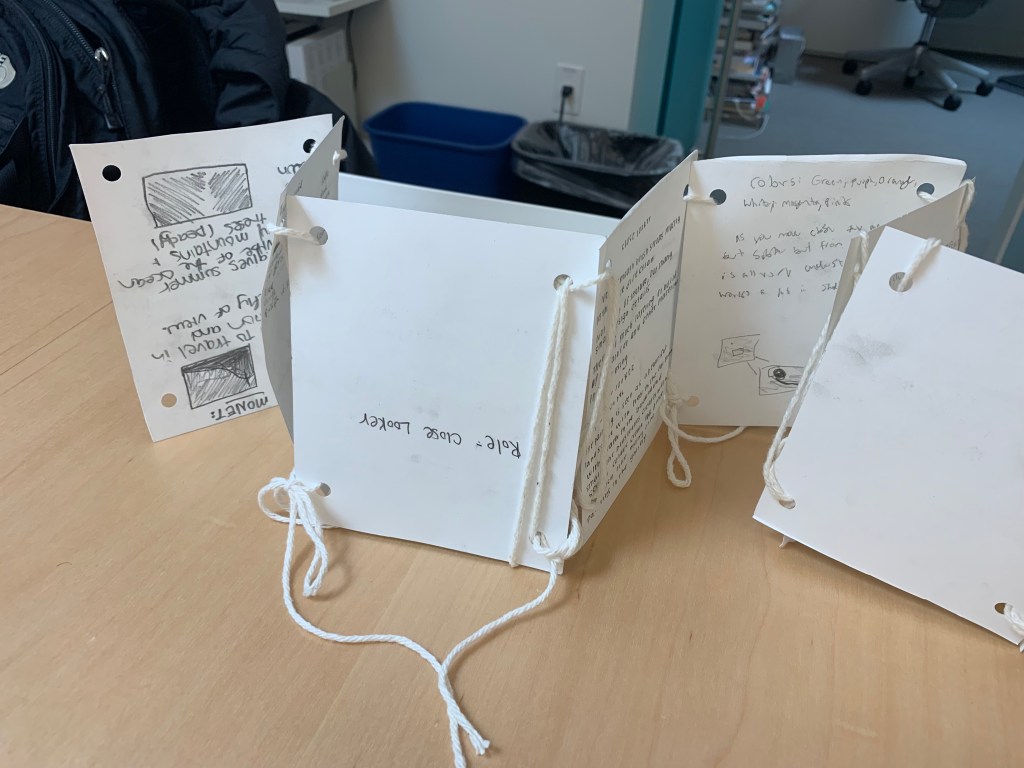
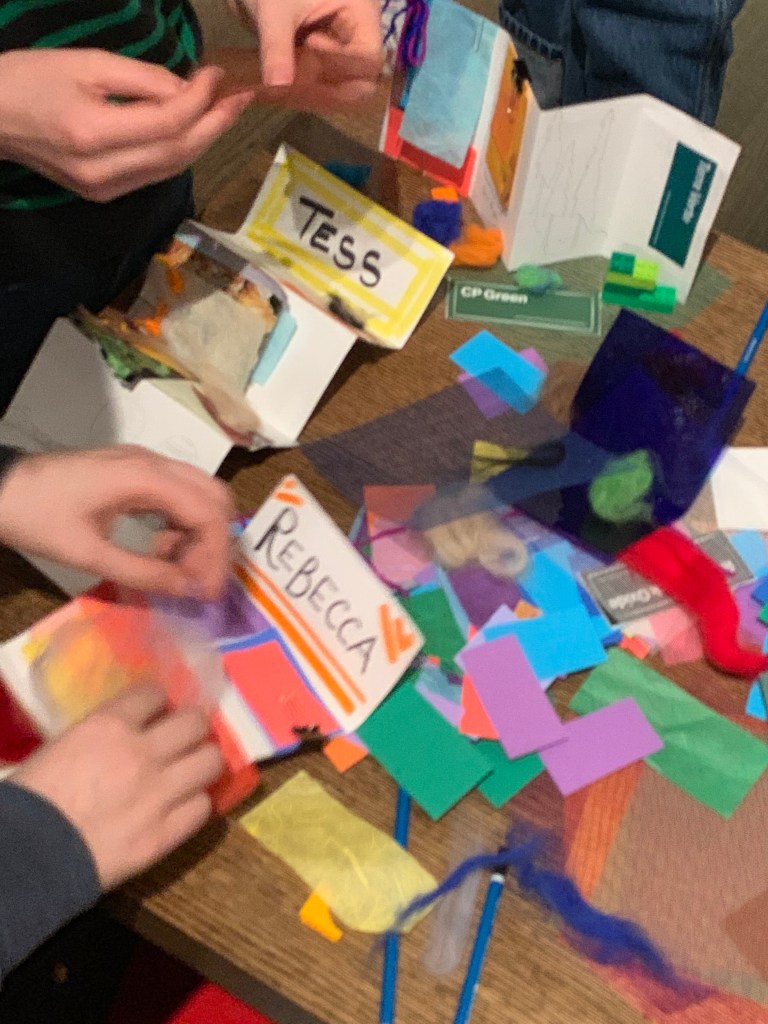
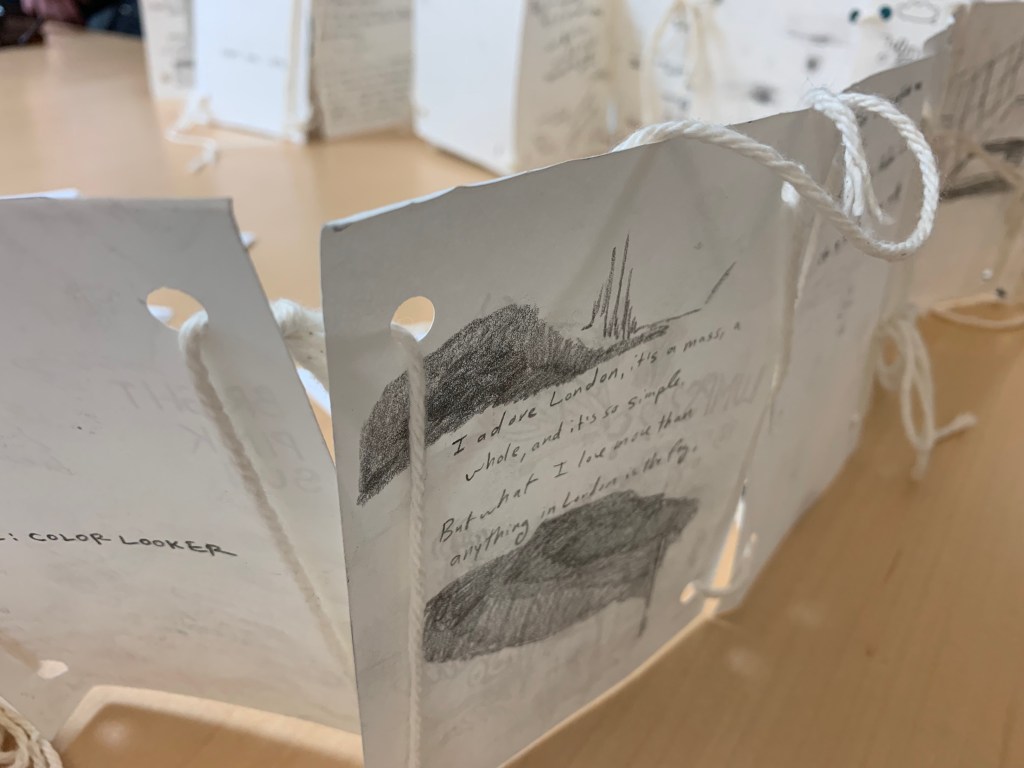
In this process, we also experimented with many creative approaches of museum education, including museum-staff-role-play games (in which students can select a museum staff role and to rethink and recreate certain aspects the museum from this selected-perspective), observation card games (in which students would observe the artwork guided by certain rules, such as close look or far away look or color look), multi-sensory learning (especially using music to aid understanding), art-making in the gallery, etc. Most of the strategies we used were developed based on Object-based Learning, Visual Thinking Strategies and Slow Looking Thinking Routines.
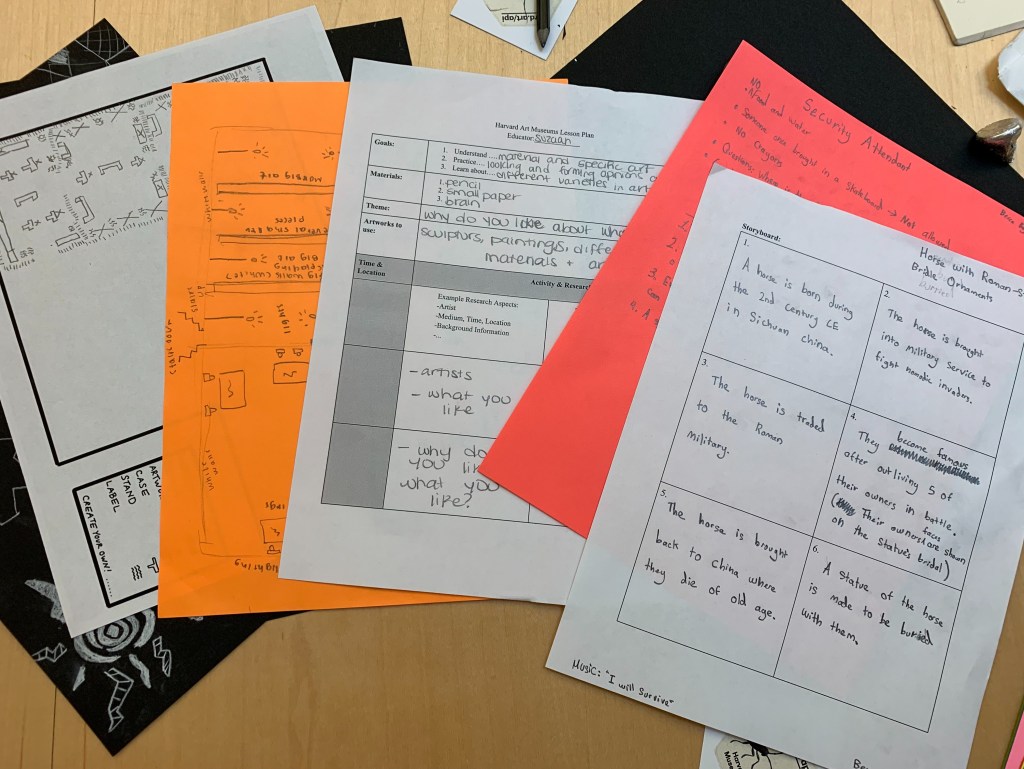
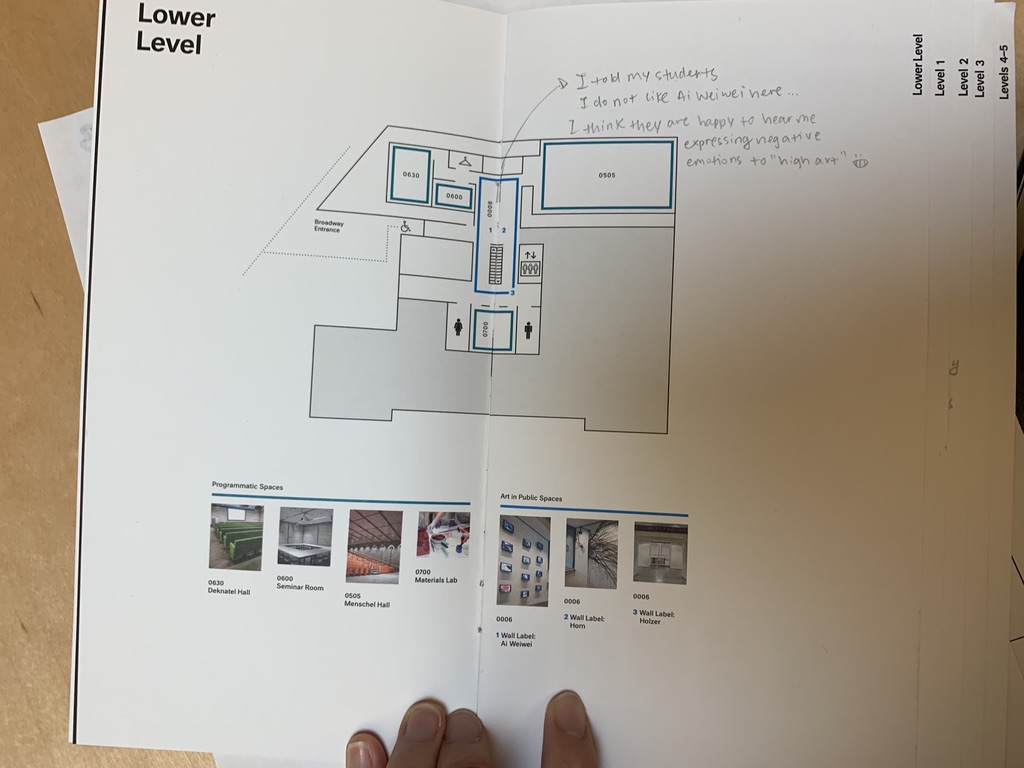
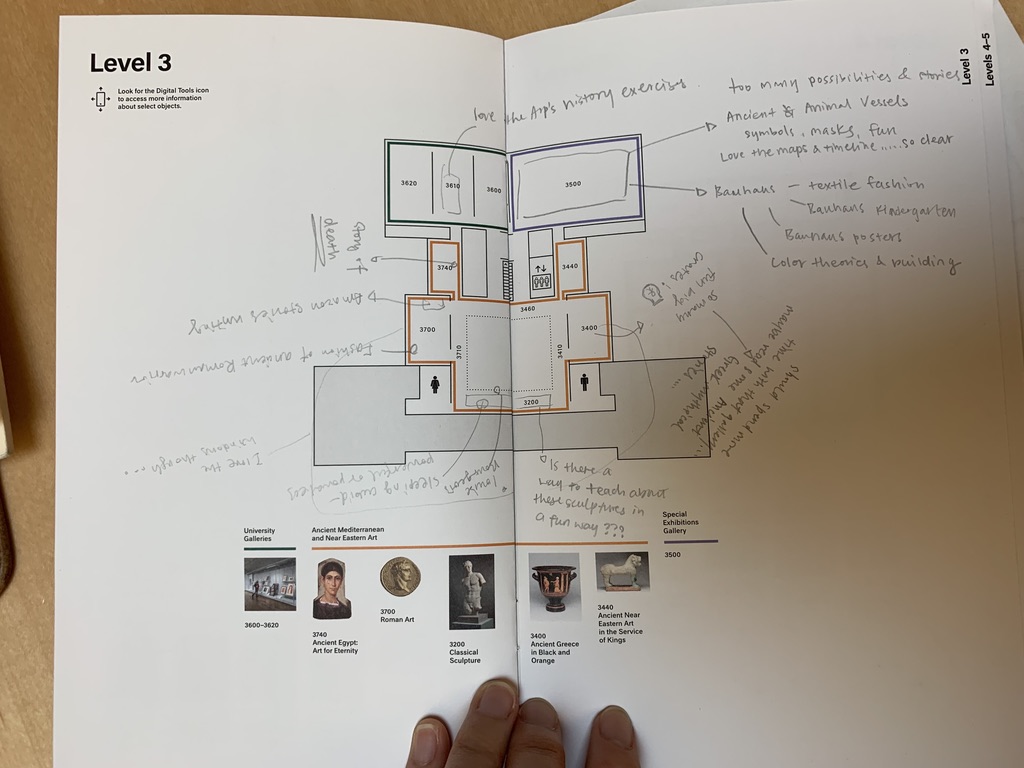
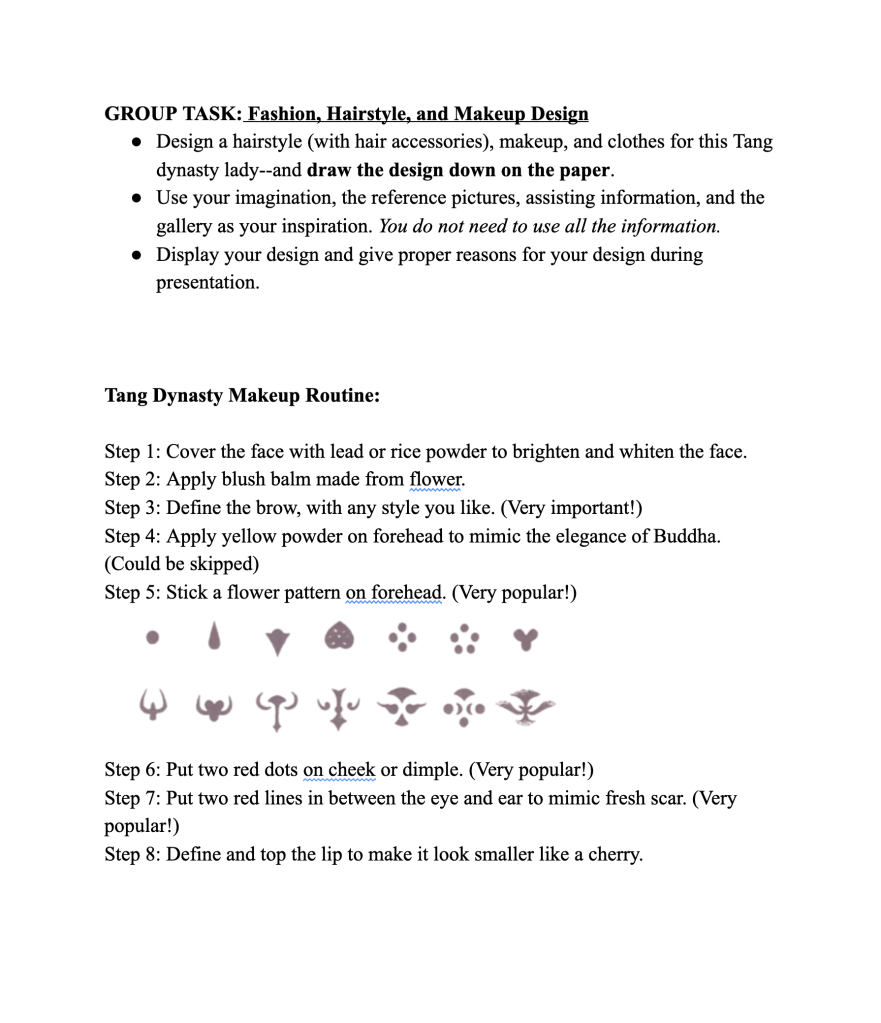
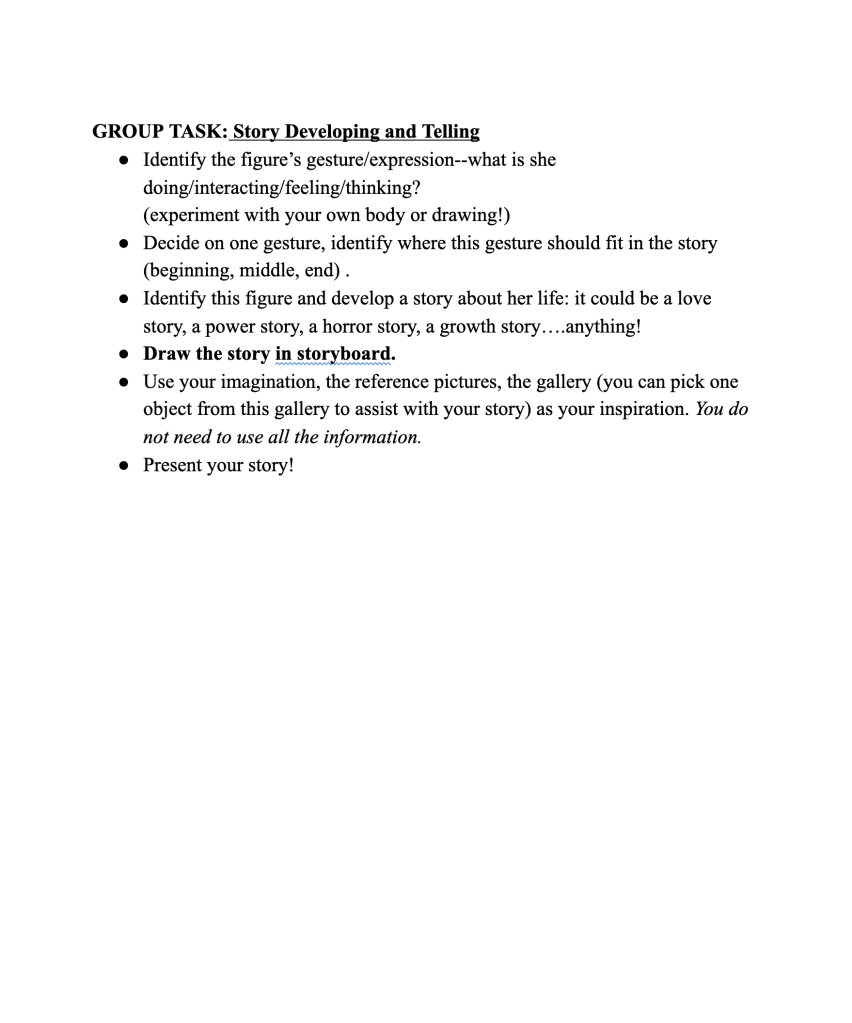
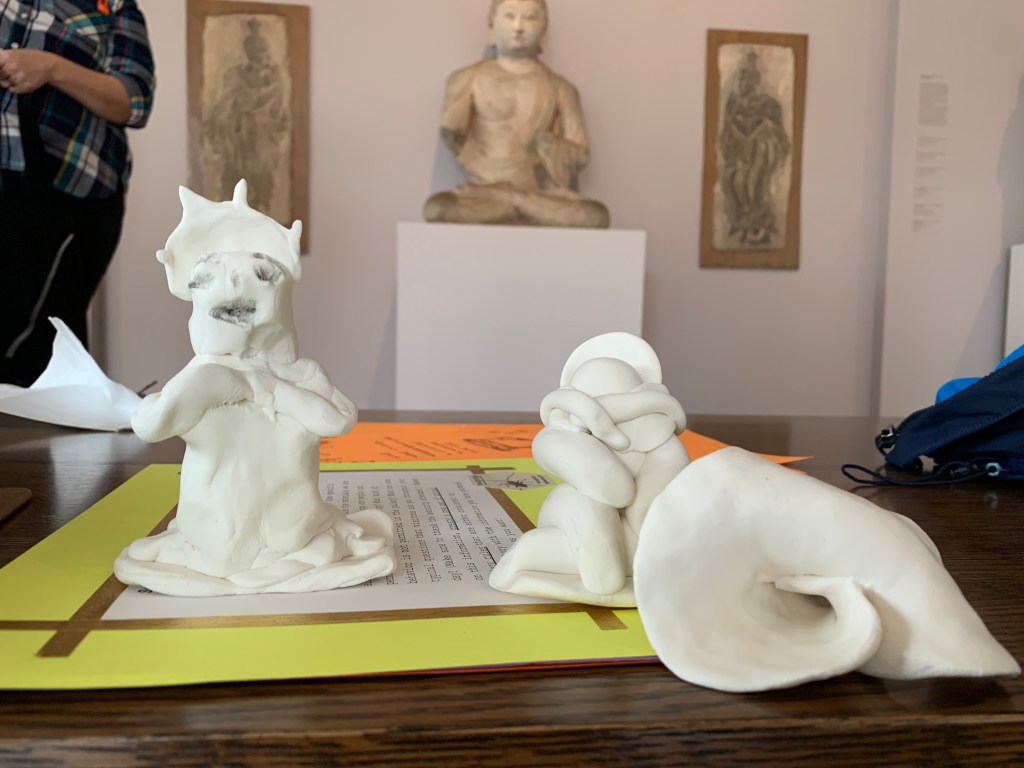
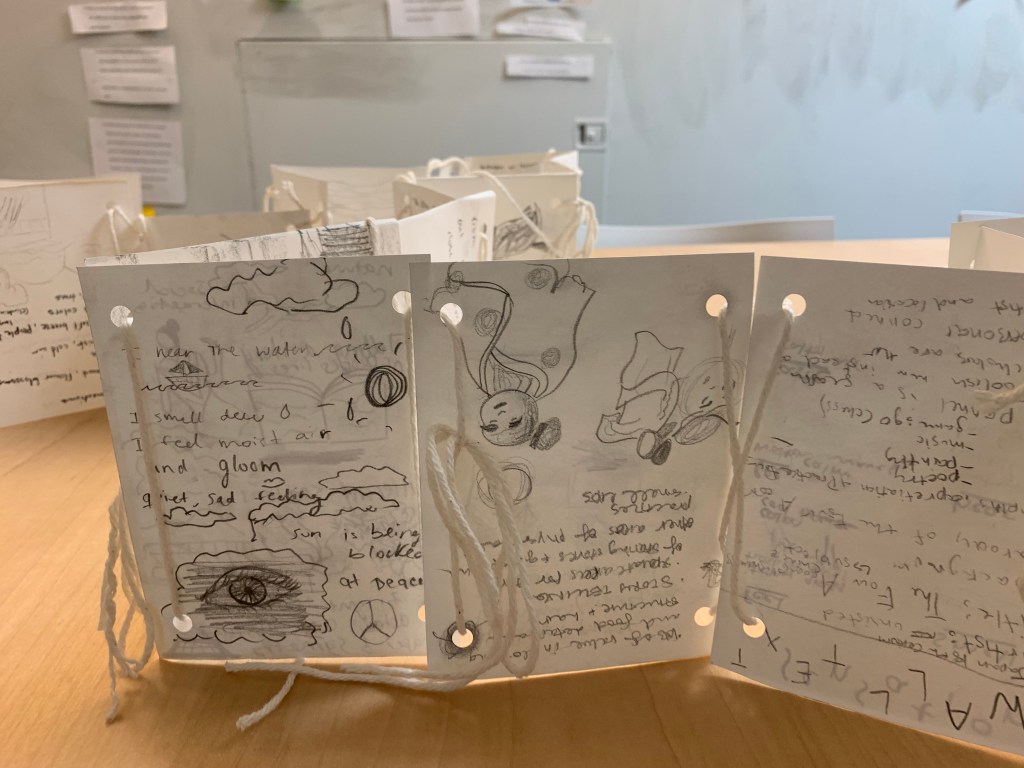
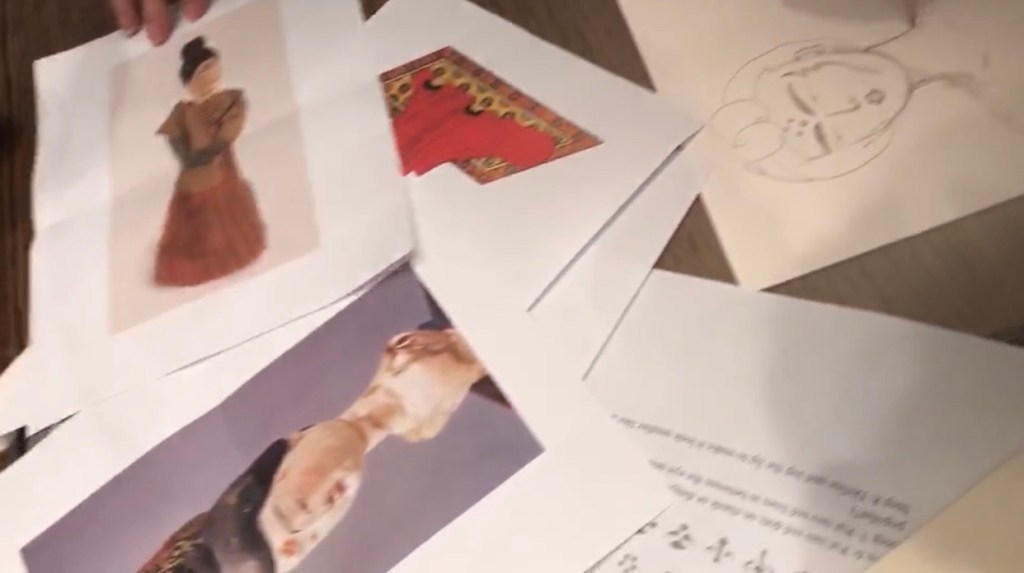
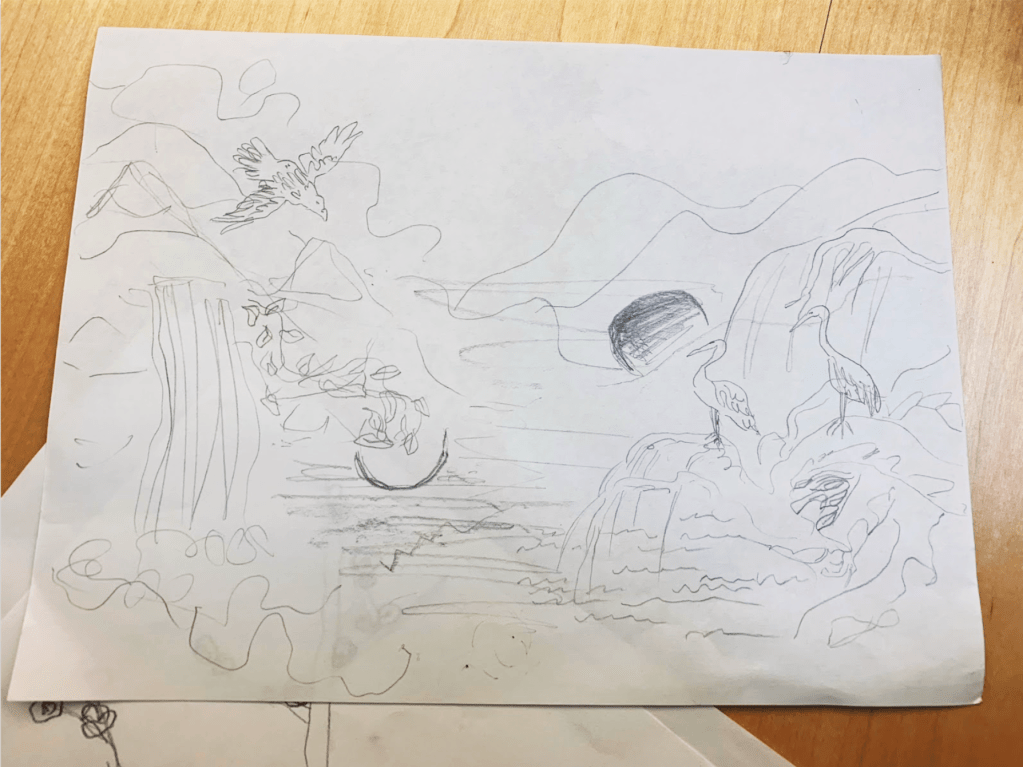
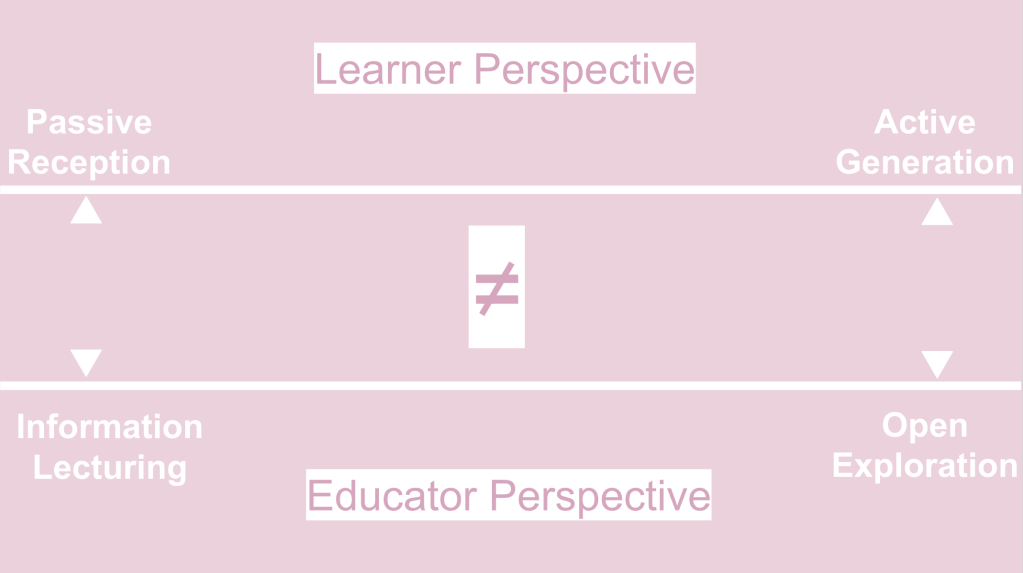
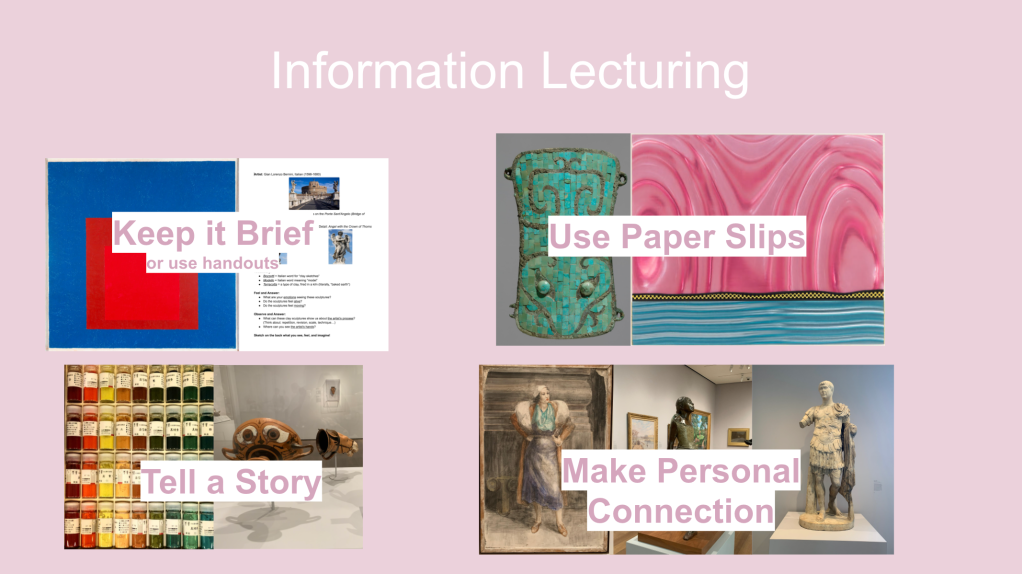
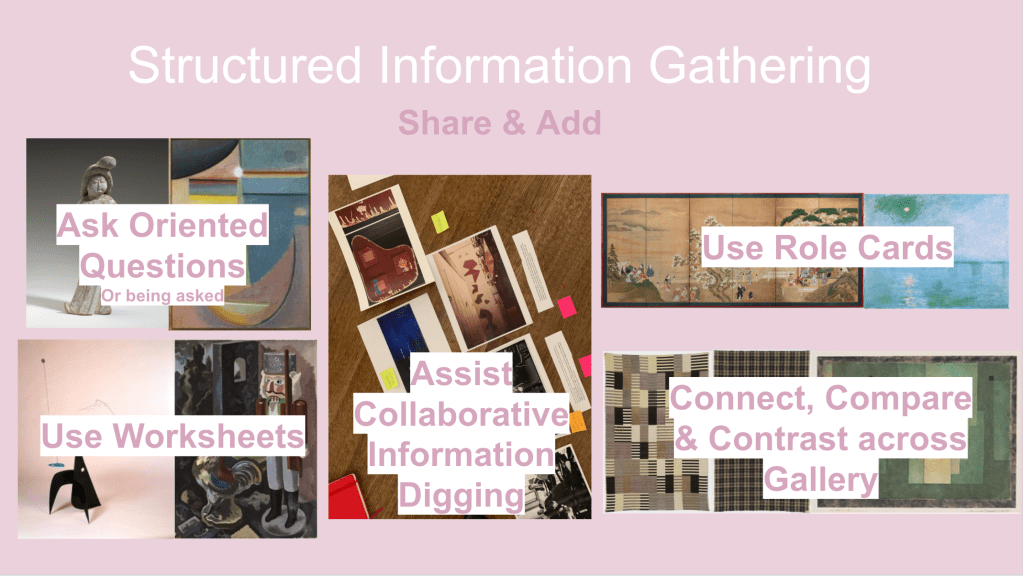
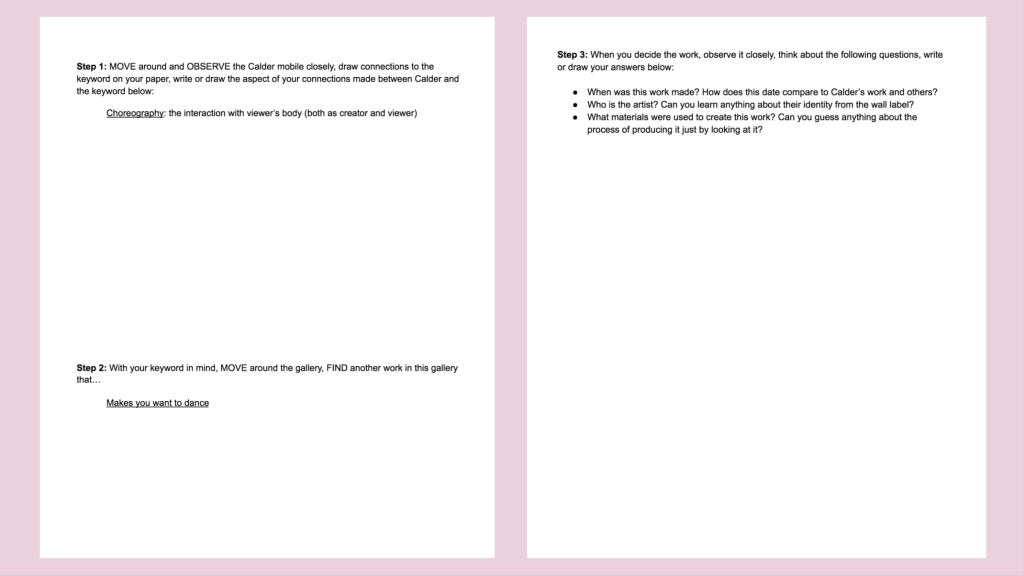
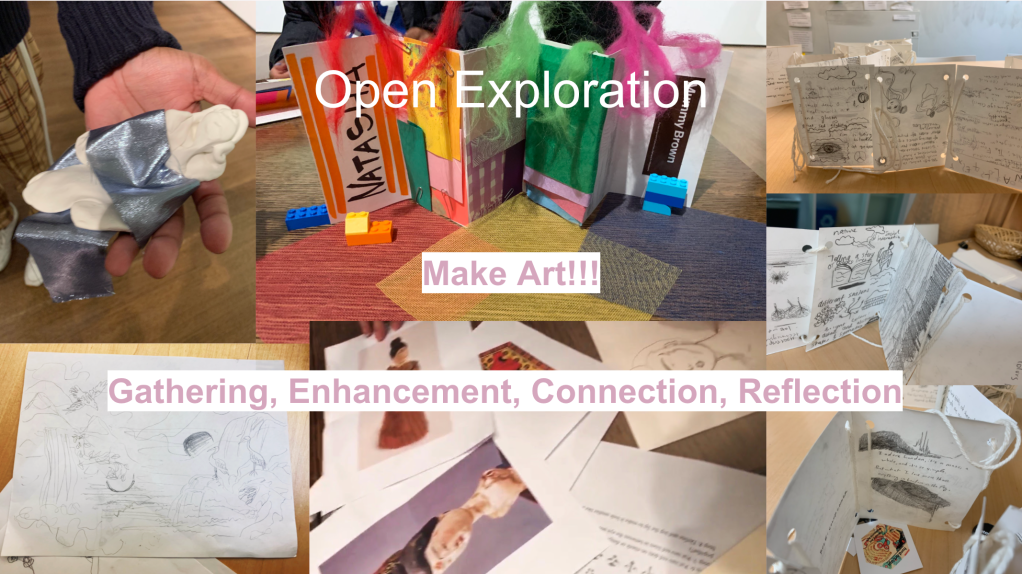
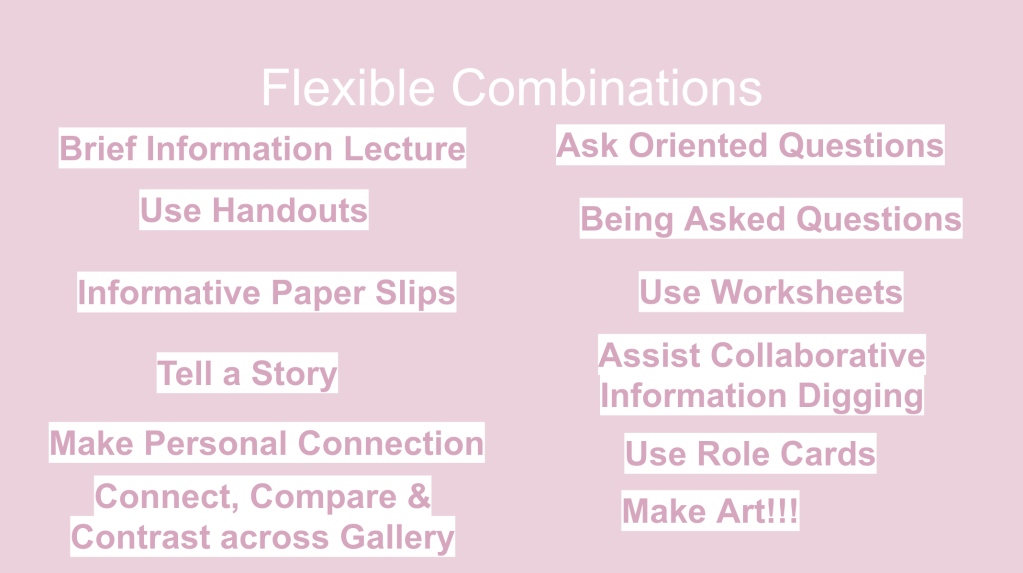
Besides gallery teaching with high school students, we also constantly improved our lesson designing and teaching skills by leading peer gallery lessons and critics. For my two turns, I selected works from the Chinese gallery and led the discussions about the Tang dynasty female figures as well as Neo-lithic mysteries. For the final conclusive presentation of this GST experience at HAM, I concluded a toolkit for gallery information delivery which you could see below (copyright reserved).
Project Type: Professional Public Programs with TODAY ART MUSEUM
Project Location: Today Art Museum (今日美术馆), Beijing, China
My role in the team: Curator of Public Programs for adult programs
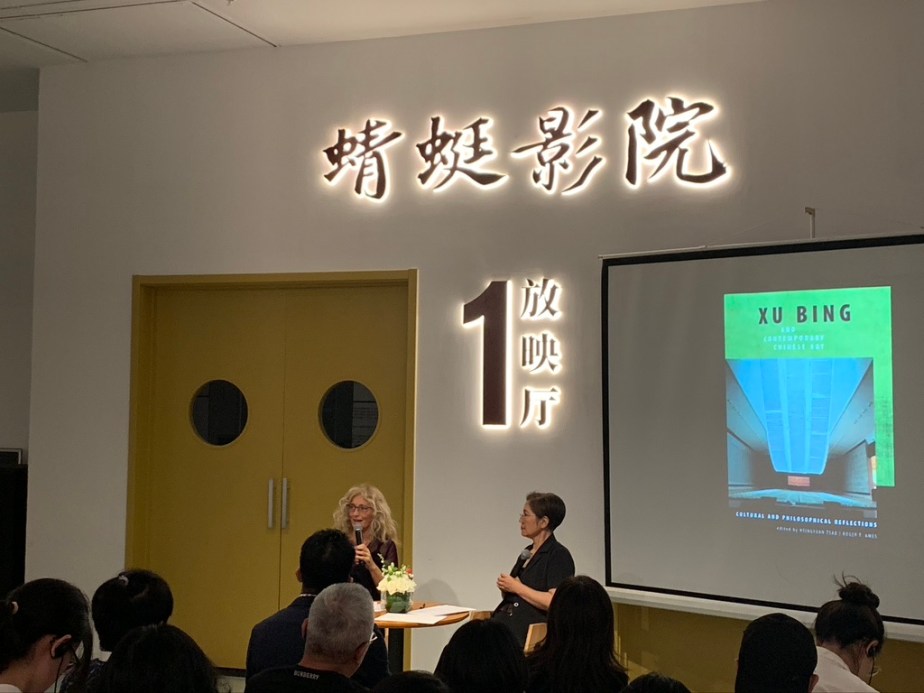
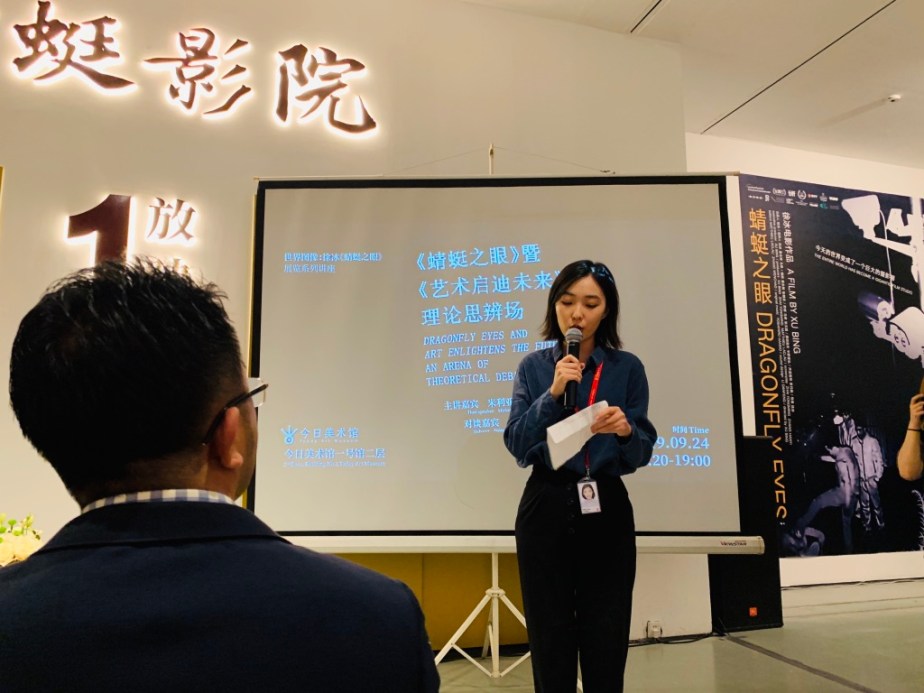
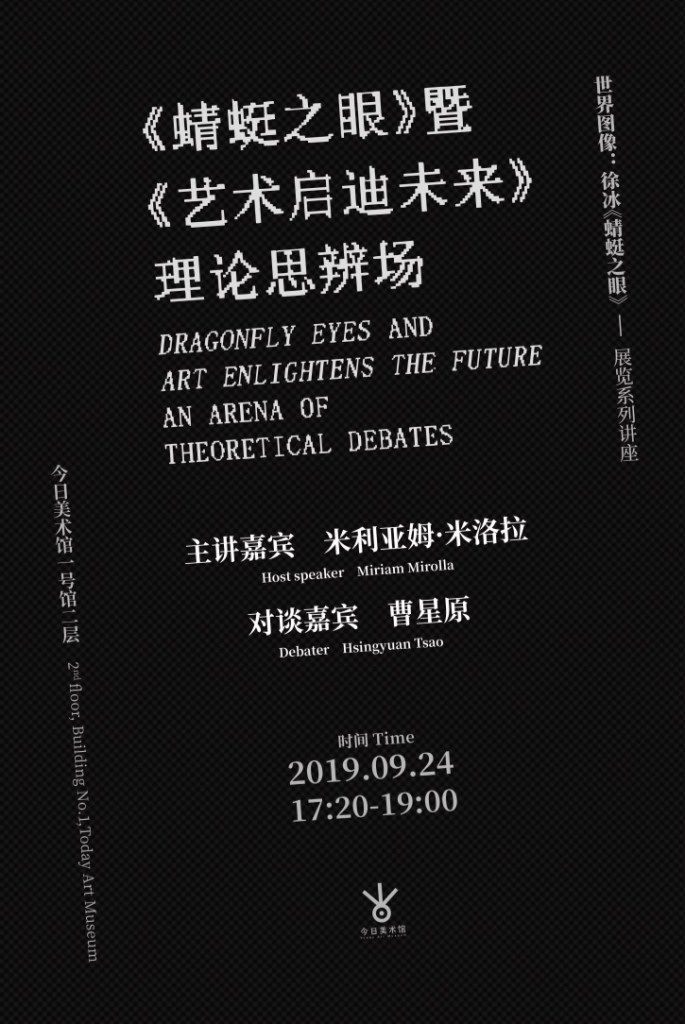
When working as the curator of public programs at Today Art Museum, I was dedicated to promoting the accessibility of adult visitors from different backgrounds and groups to the museum through diversified public programs. I developed and executed activities that were both closely related to the exhibition and of various forms for the benefits of audiences with different habits of learning and experiencing art. I was also in charge of the founding and daily running of Today Art Club to listen to and better serve the public’s needs of public programs.
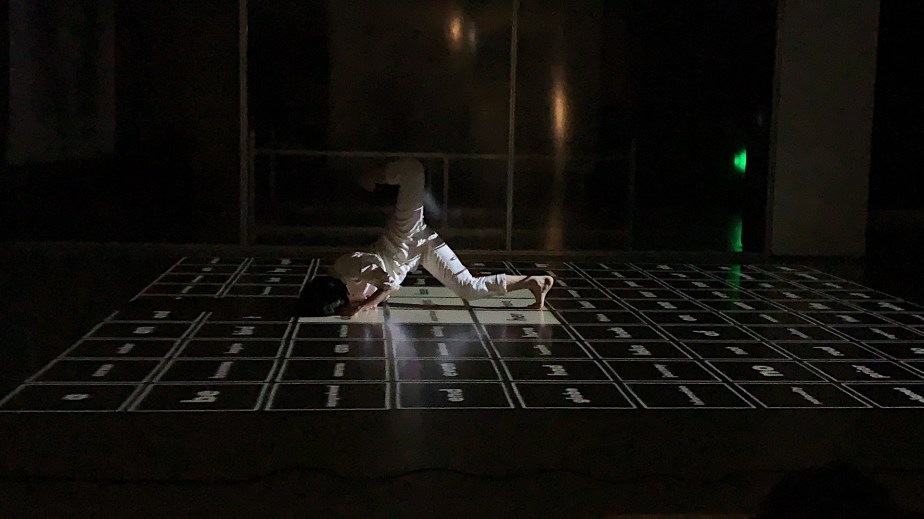
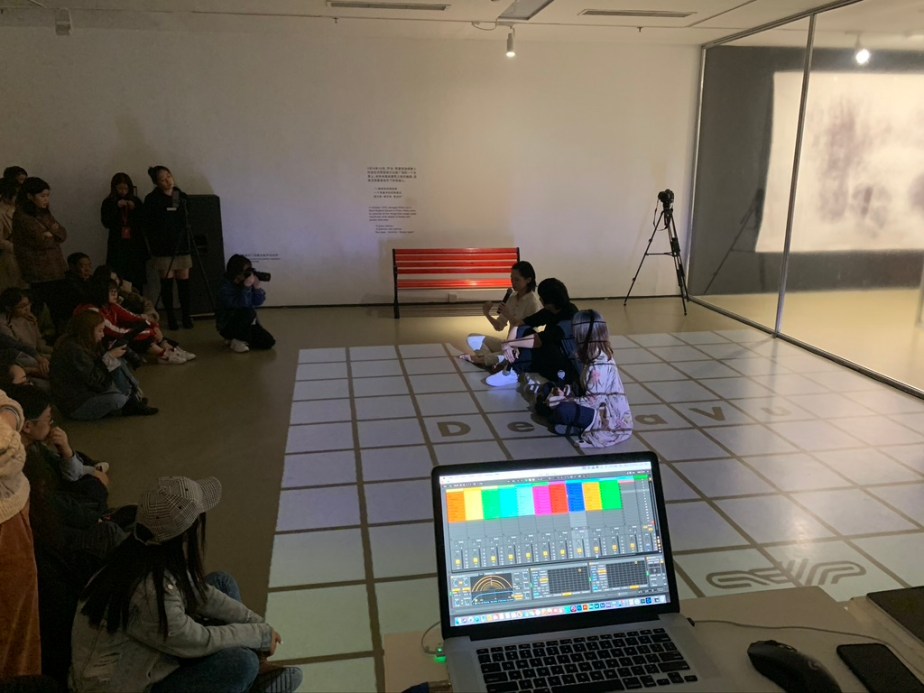
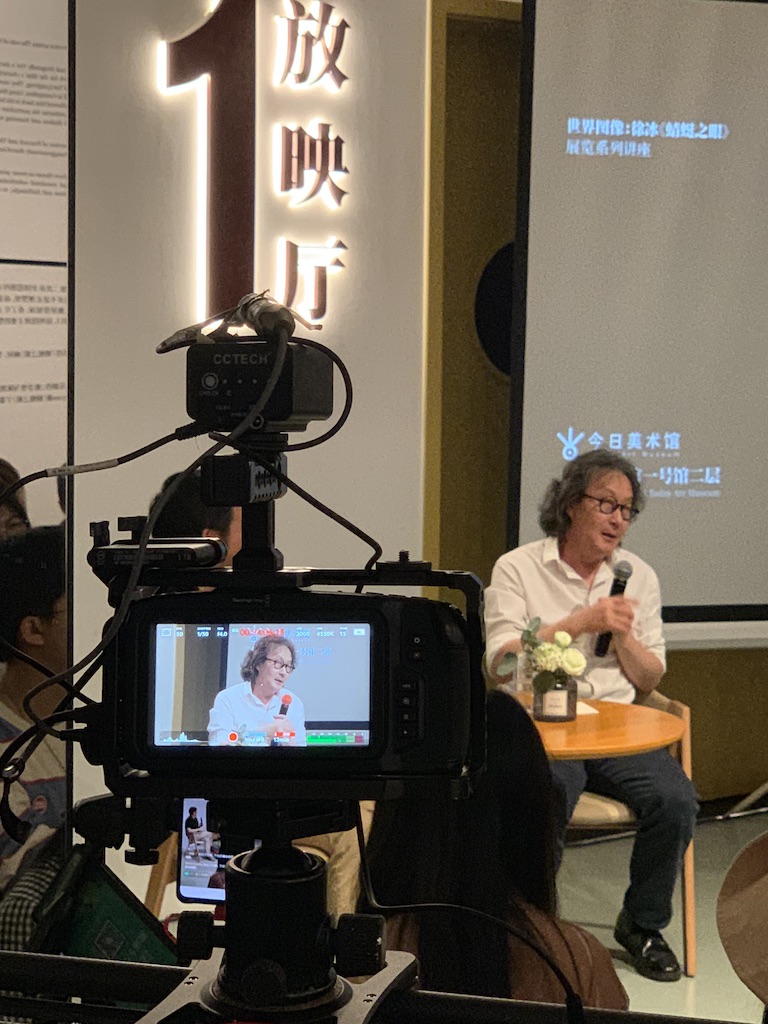
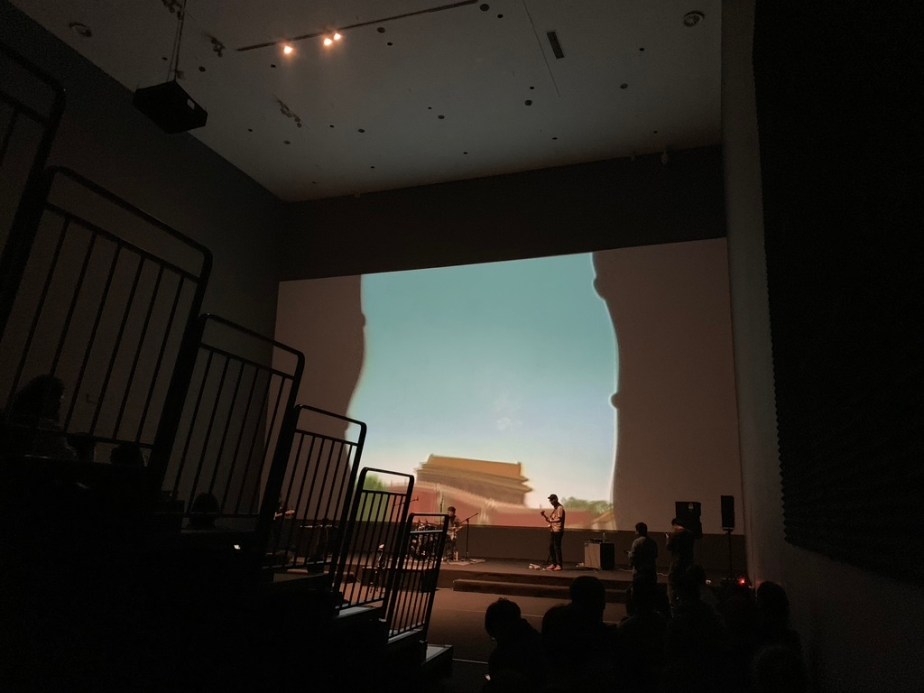
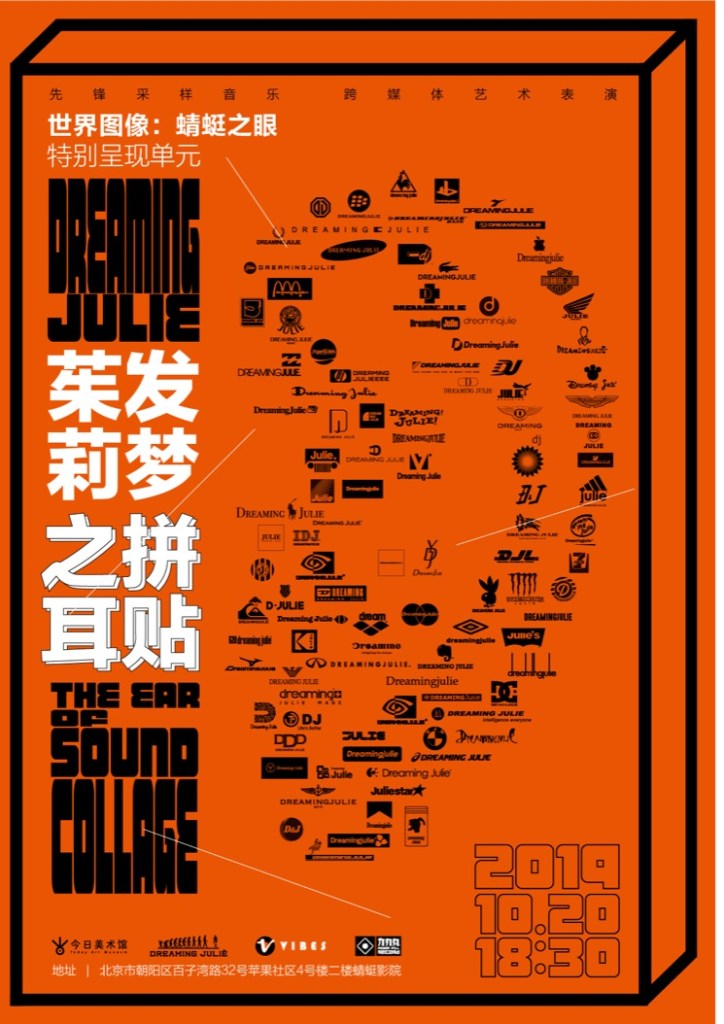
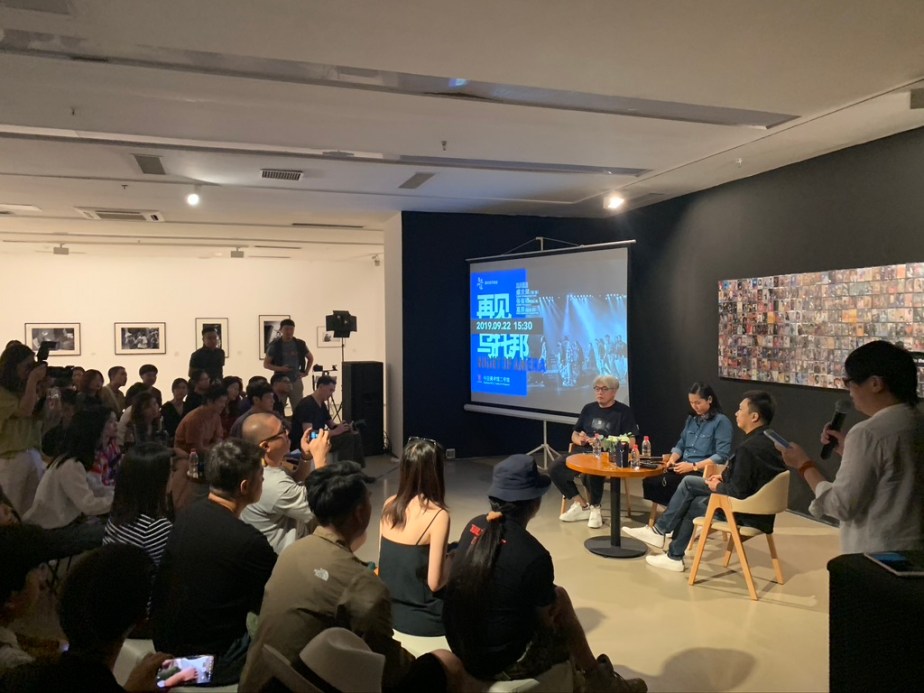
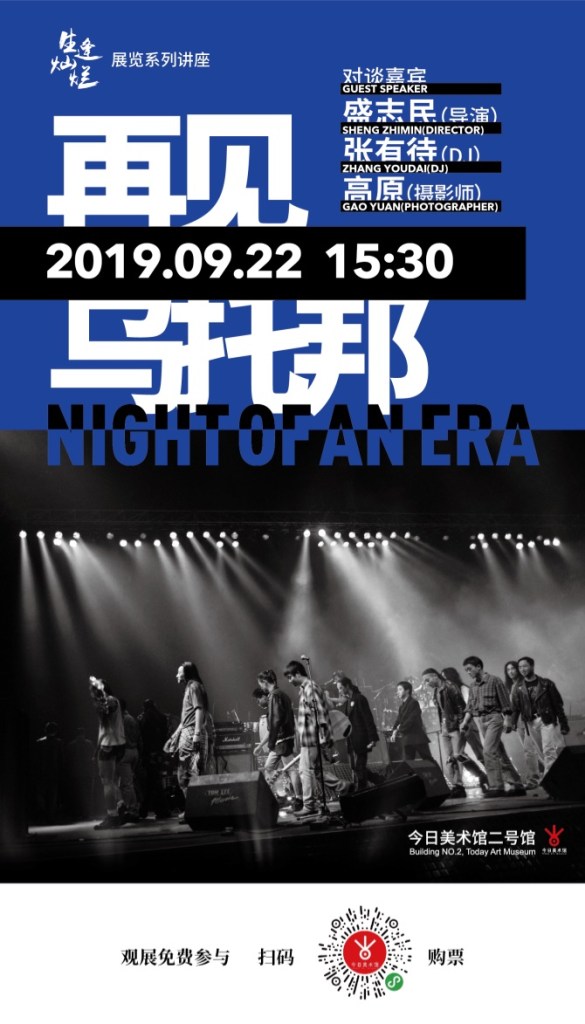
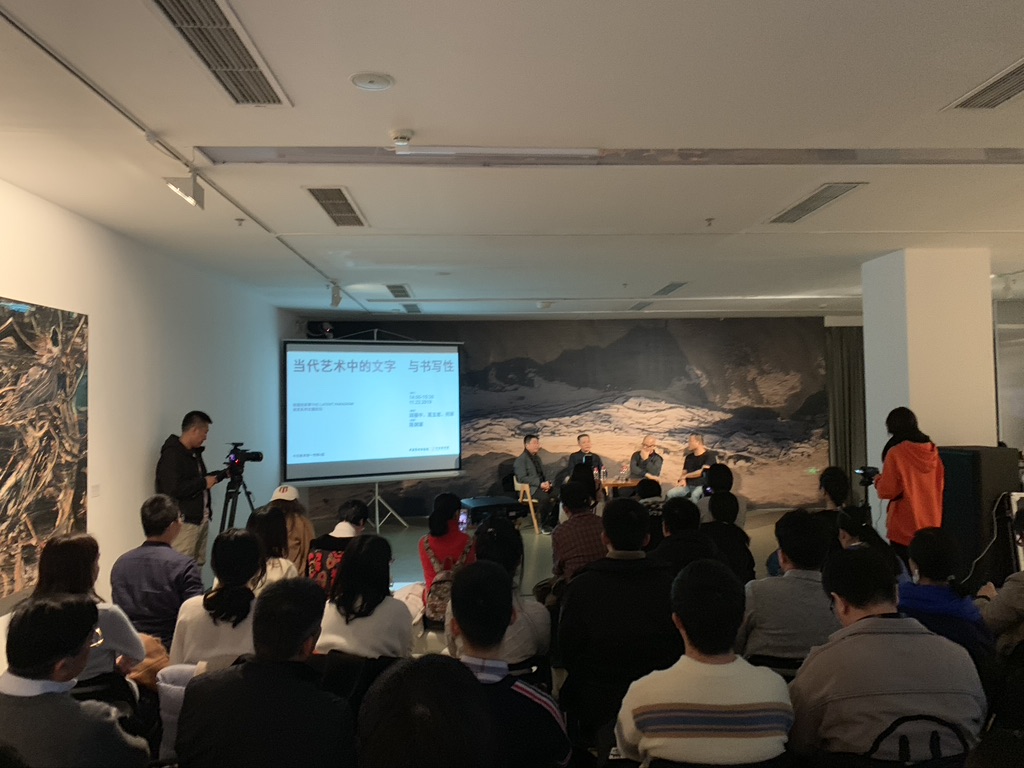
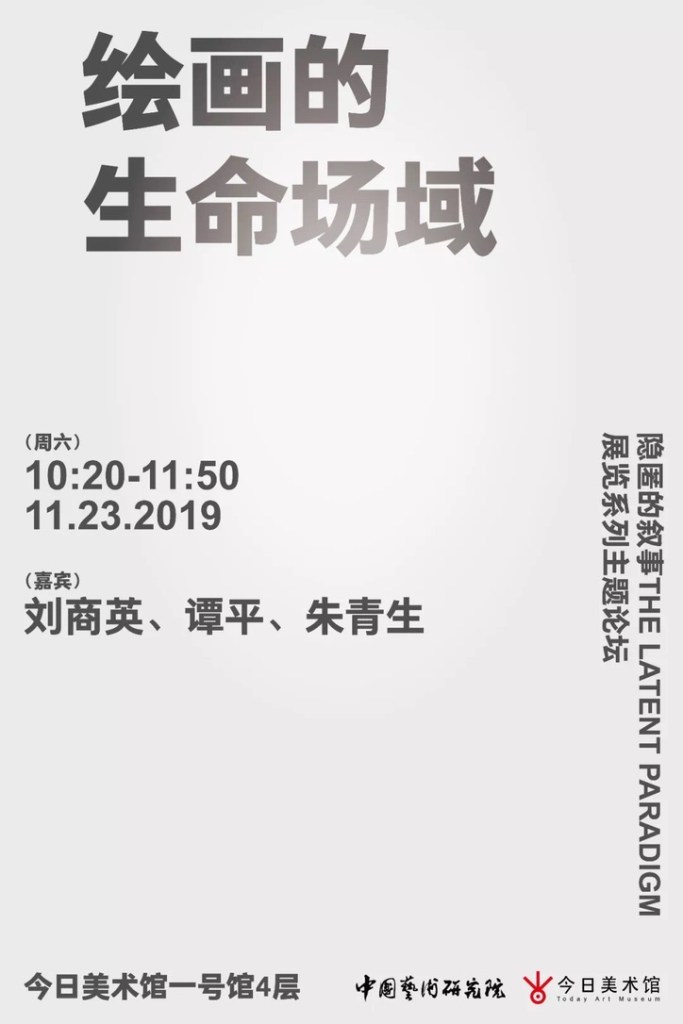
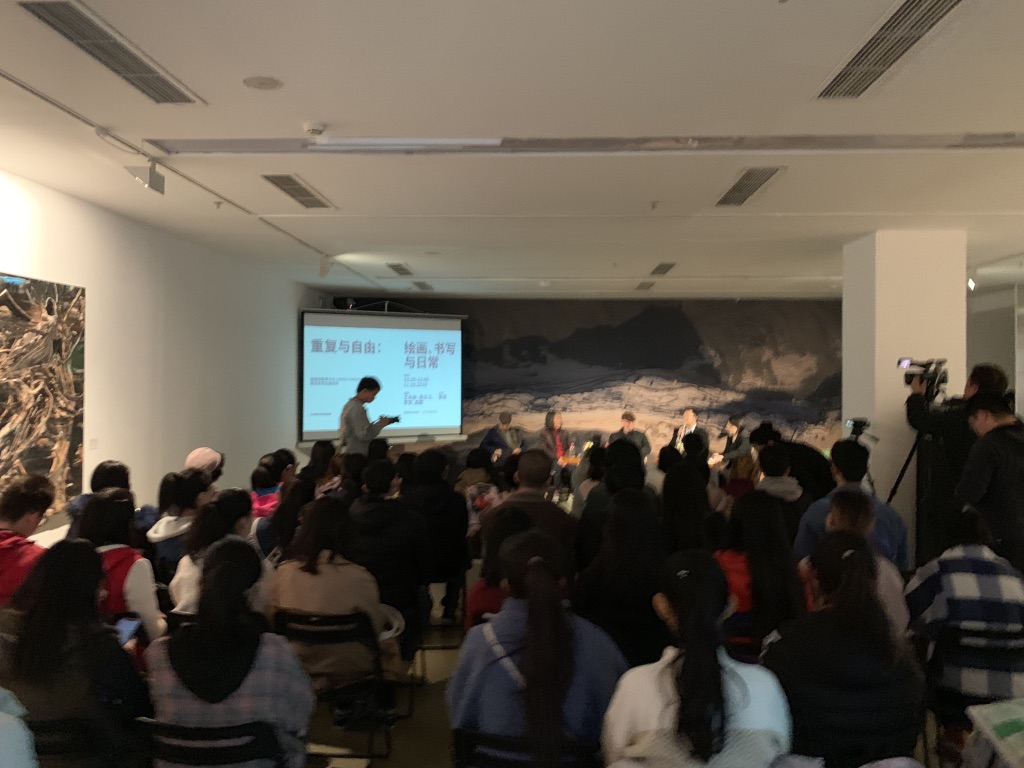
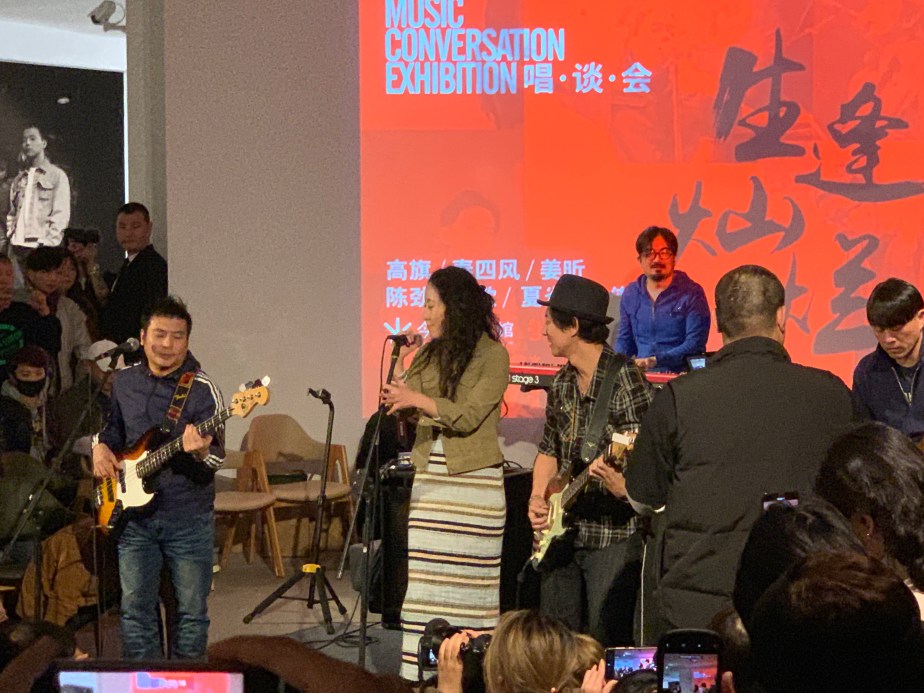
Selected activities were: the public lecture series, in which the featured artist Xu Bing was in dialogue with scholars from diversified academia including poetry, film, psychology, technology, as well as fictions, and an avant-garde live band performance were also held inside the main gallery to echo the exhibition Xu Bing: World Pictures (2019); the curator talks, book talks, dance performance, and sound experiments for De ja vu (2019); the artist talks, 90s’ live music events, and film screening for Look Back into the Sun (2019); the artist talks and interviews for The Latent Paradigm (2019). I was also involved in the early stage preparation of workshops, artist talks, film screening, and music and dance events for the 4th Today’s Documents (2019-2020), during which I built connections with the Embassies of several countries for possible collaboration in cultural programs for the broader public.
Project Type: Professional Project with TOSEE ART EDUCATION
Project Location: Dunhuang Academy(敦煌研究院), Dunhuang, Gansu, China
My Role in the Team: Main Content Contributor
Team Members: Keying Chen (Team Leader), Xiu Yao, Zijing Zhao, Ziyi Zhao, etc.
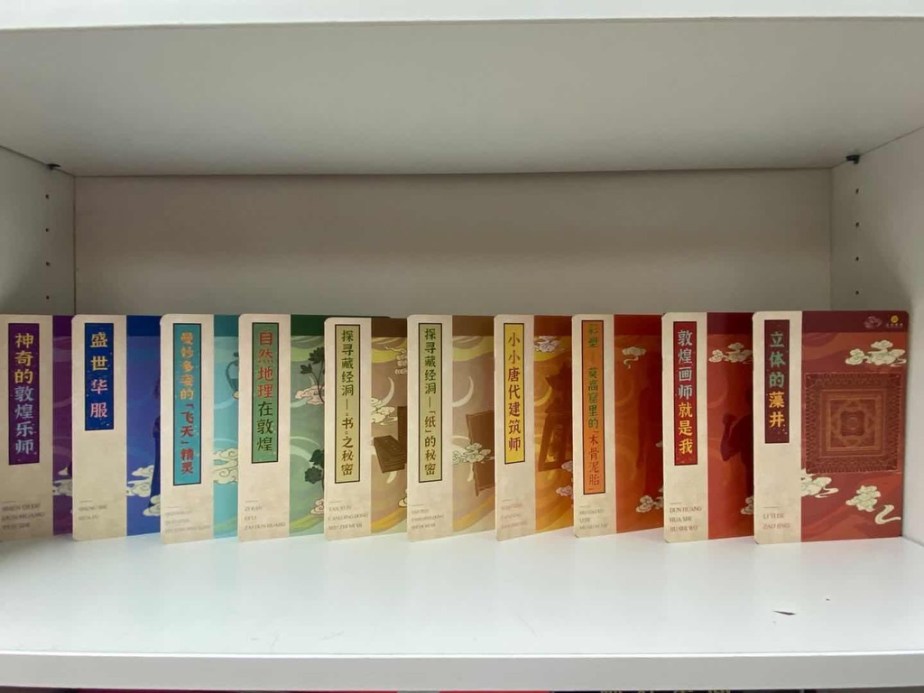
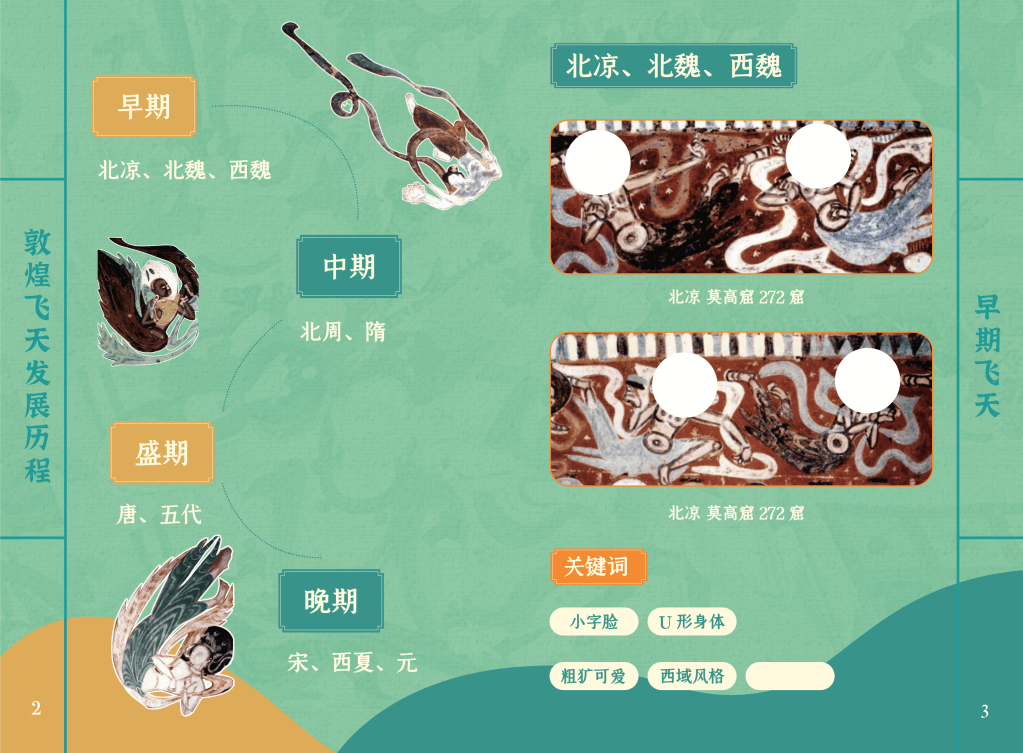
This was an art and history class project developed in collaboration with Dunhuang Academy based on the unique cultural resources of Mogao Grottos. This project was consisted of 10 class units and a 5-day discovery camp and was developed to improve the educational experiences of the young learners from age 6 to 18 who take the Mogao Class.
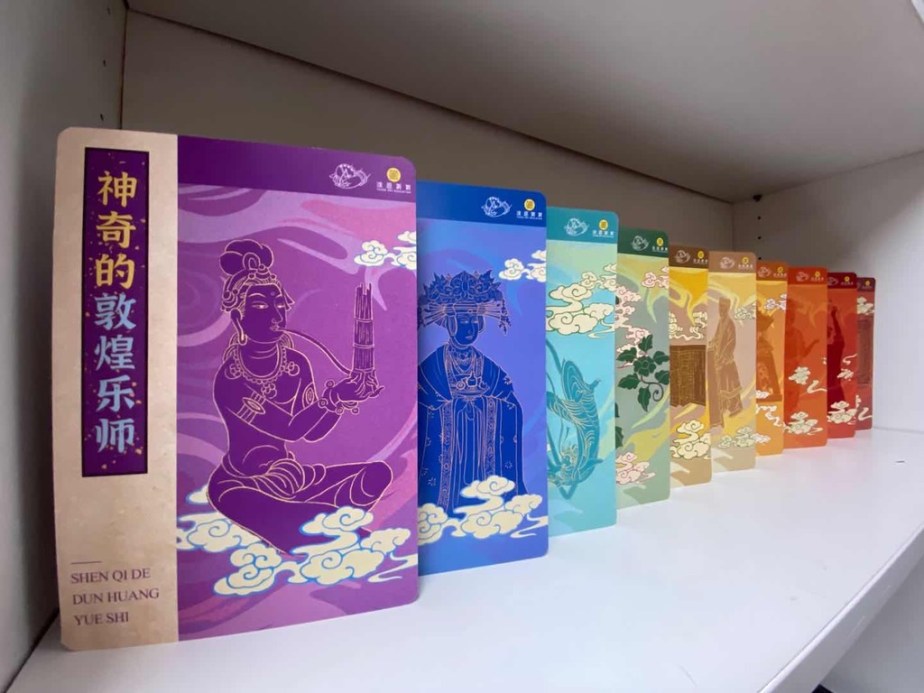
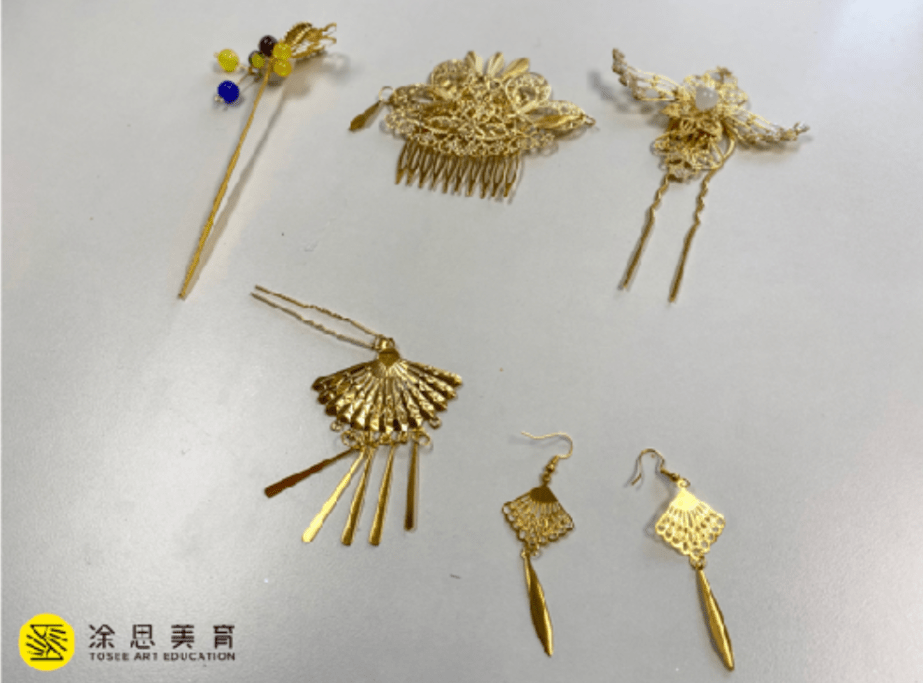
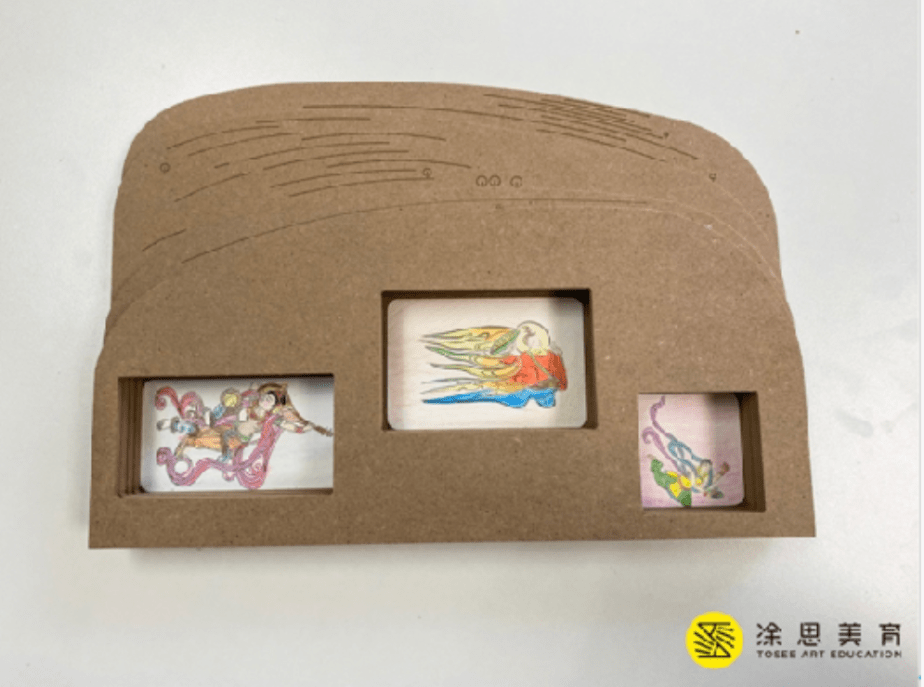
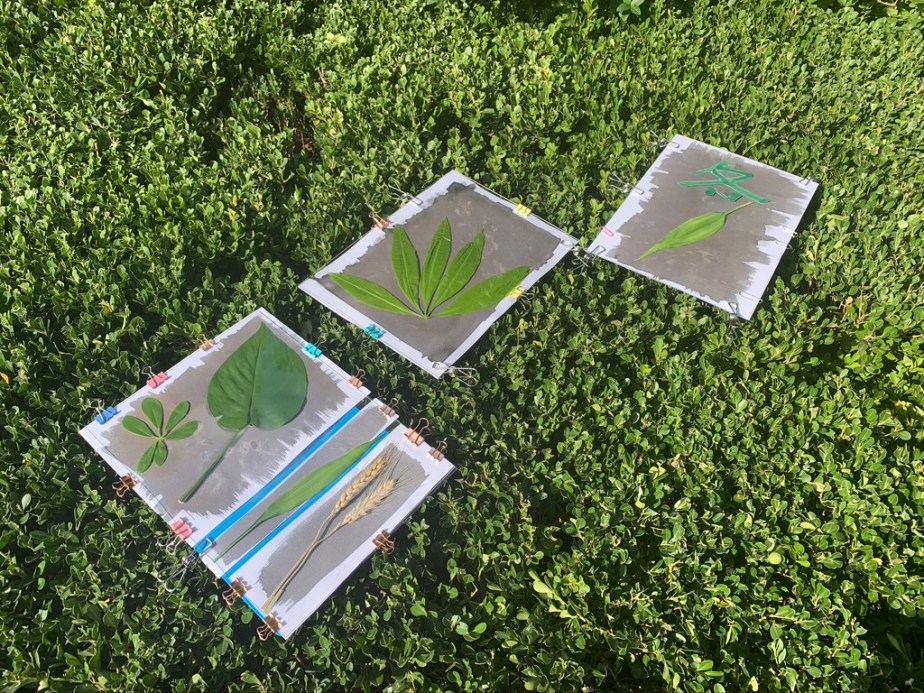
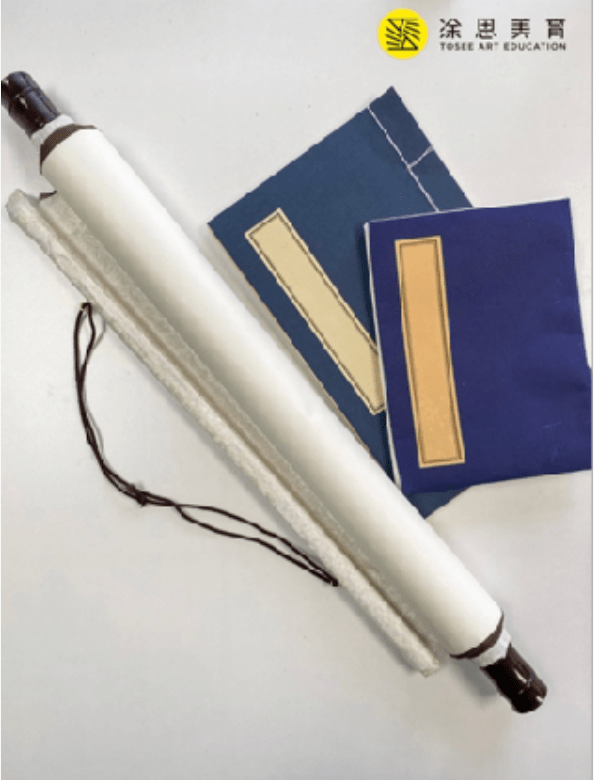
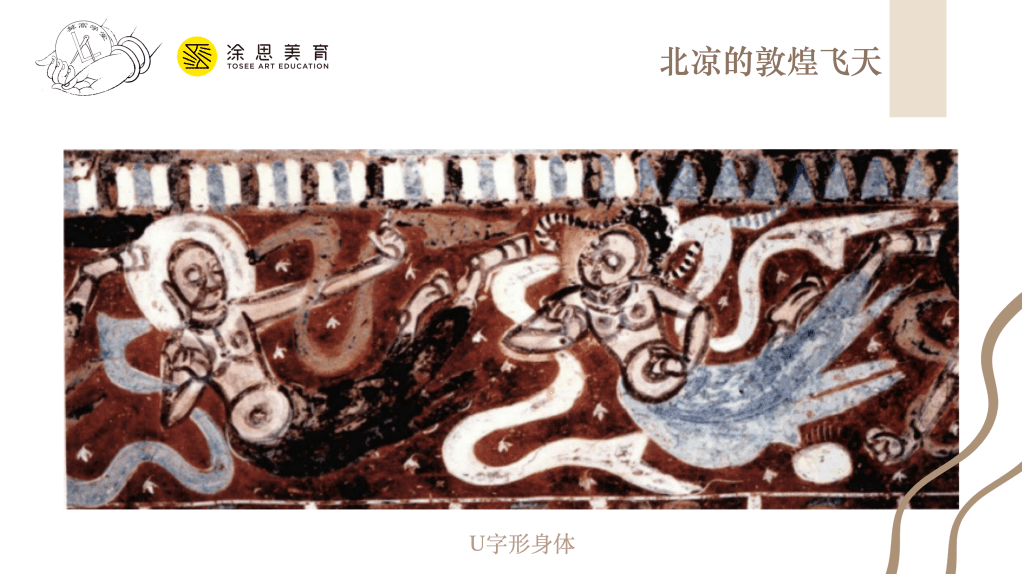
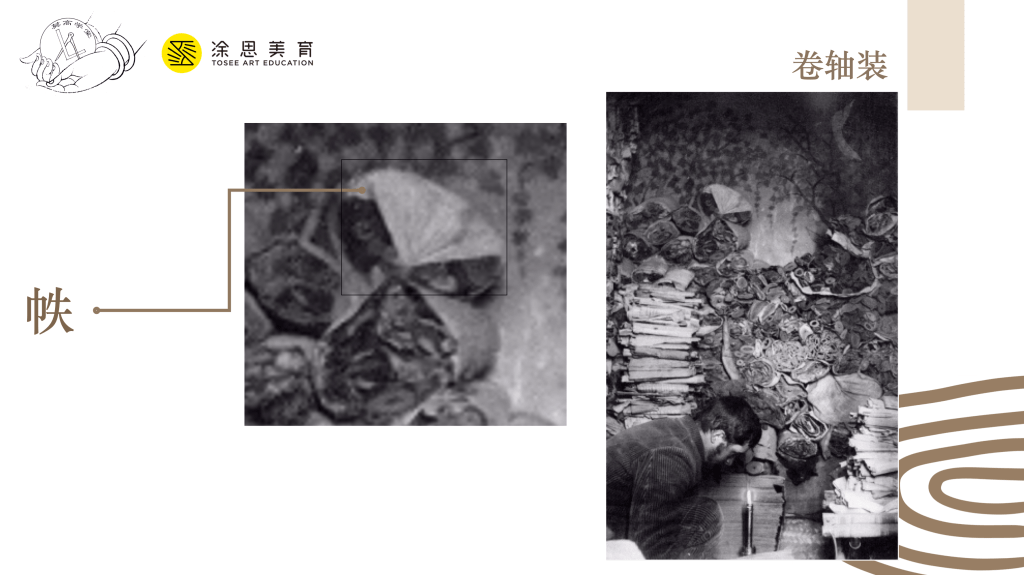
The 10 class units would each introduce a specific theme about the arts, culture, or history of Dunhuang from an important but easily accessible perspective, for example, music, books, plants, anecdotes, dressing, etc. Every class unit was mainly consisted of two parts: the first 30 minutes were devoted to knowledge construction through engaging dialogues between the teacher and the learners as well as through using specially designed booklets with interactive paper games and key information; the second part was an art or craft making workshop to encourage the learners to deepen their understanding of the specific aspect of Dunhuang through creative hands-on activities. Such activities included ancient paper-making, blue printing of collected leaves, coloring flying Apsaras (飞天) , ancient instrument making, traditional jewelry design, ancient book binding and mounting, etc.
The 5-day discovery camp would be combination of the class units and the spectacular field visits to related Mogao Grottos according to the themes. I was involved in the initial draft of the camp theme and schedule outline.
The project also involved a teacher training workshop which was delivered by the team leader and me to the core team members of Mogao Class.
Project Type: Professional Project with TOSEE ART EDUCATION
Project Location: Red Brick Art Museum 红砖美术馆, Beijing, China
My Role in the Team: Project Leader & Manager / Main Content Contributor / Gallery Teacher
Team member(s): Bing Meng (visual designer)
Photos credit to: Siyao Lyu, Xiu Yao, Ziyi Zhao
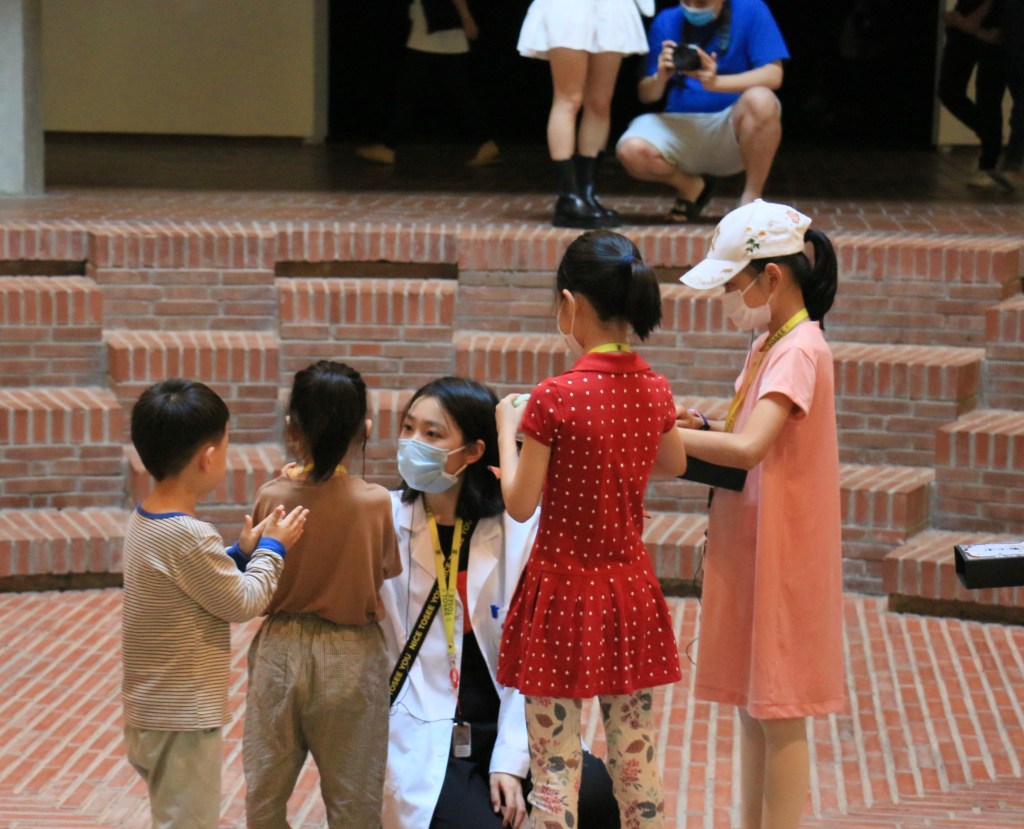
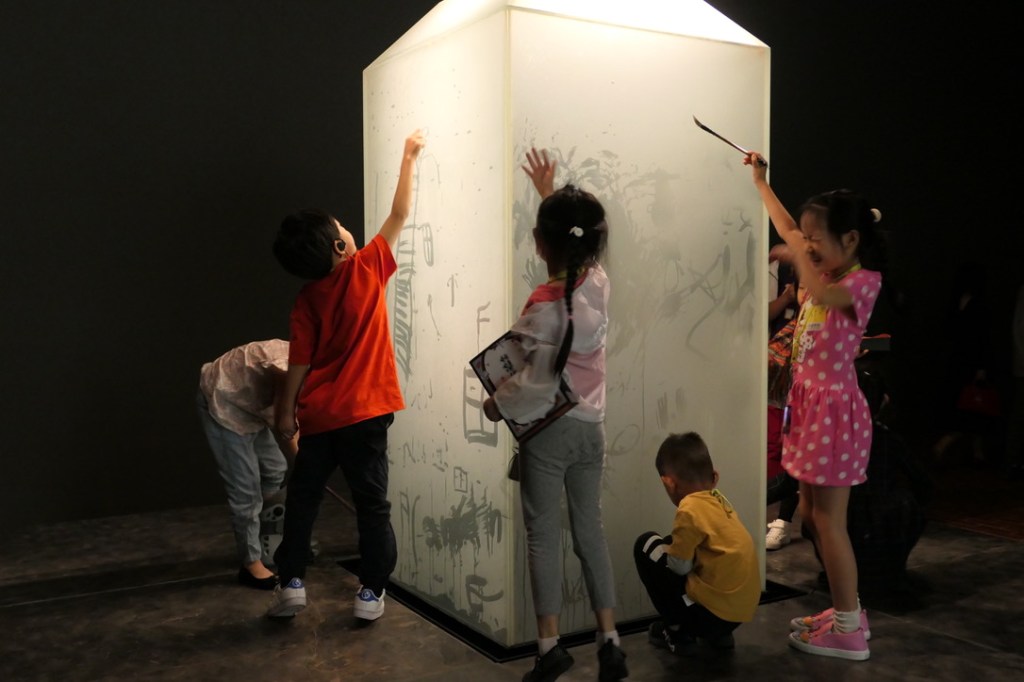
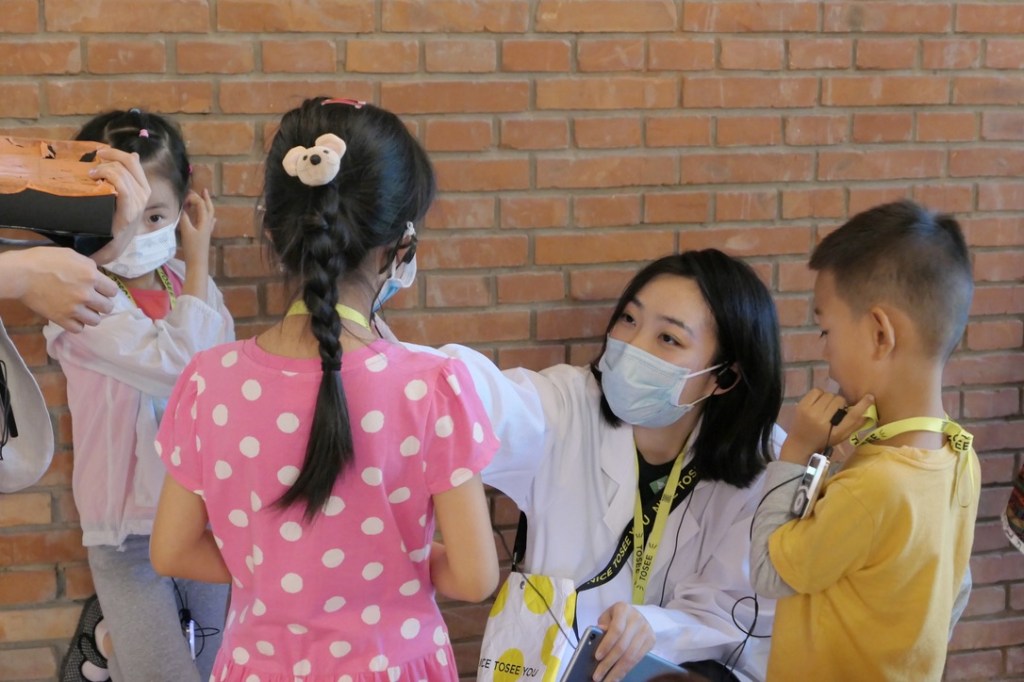
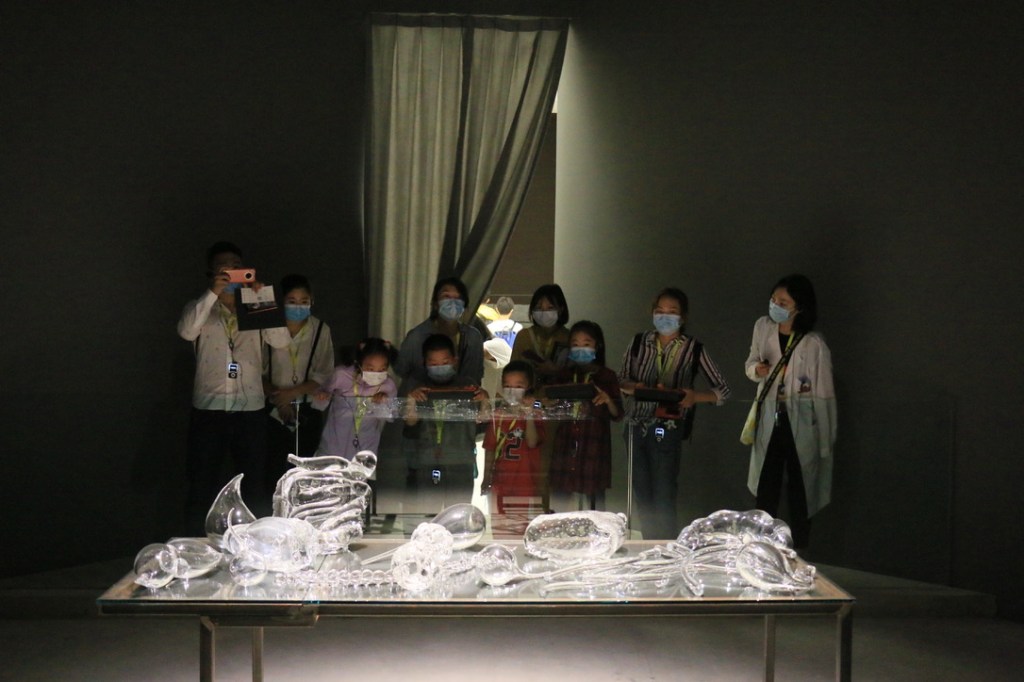
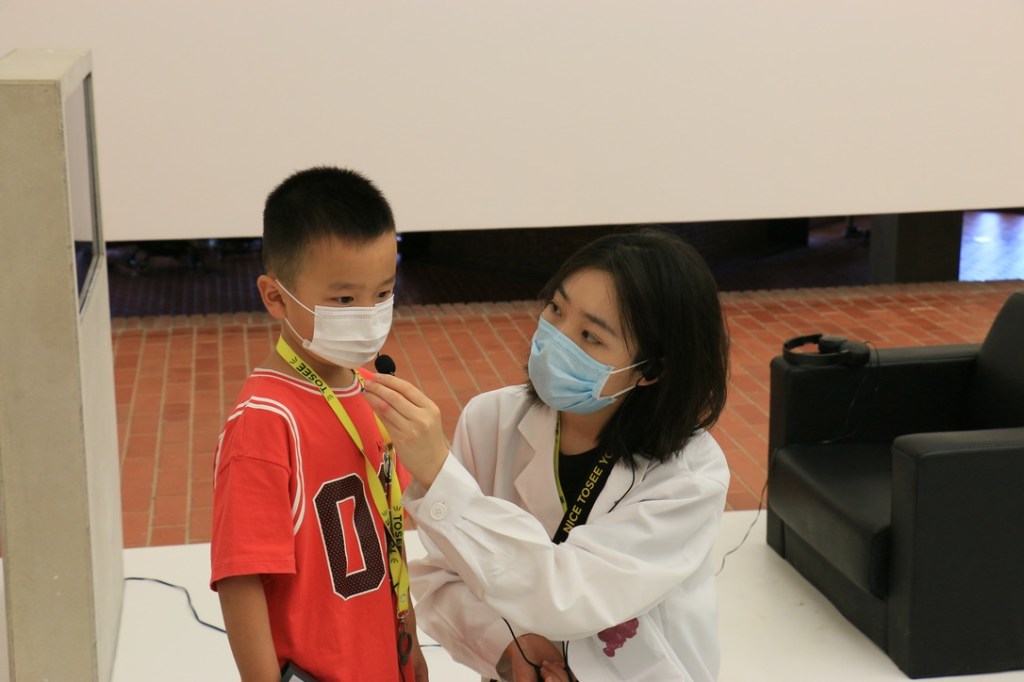
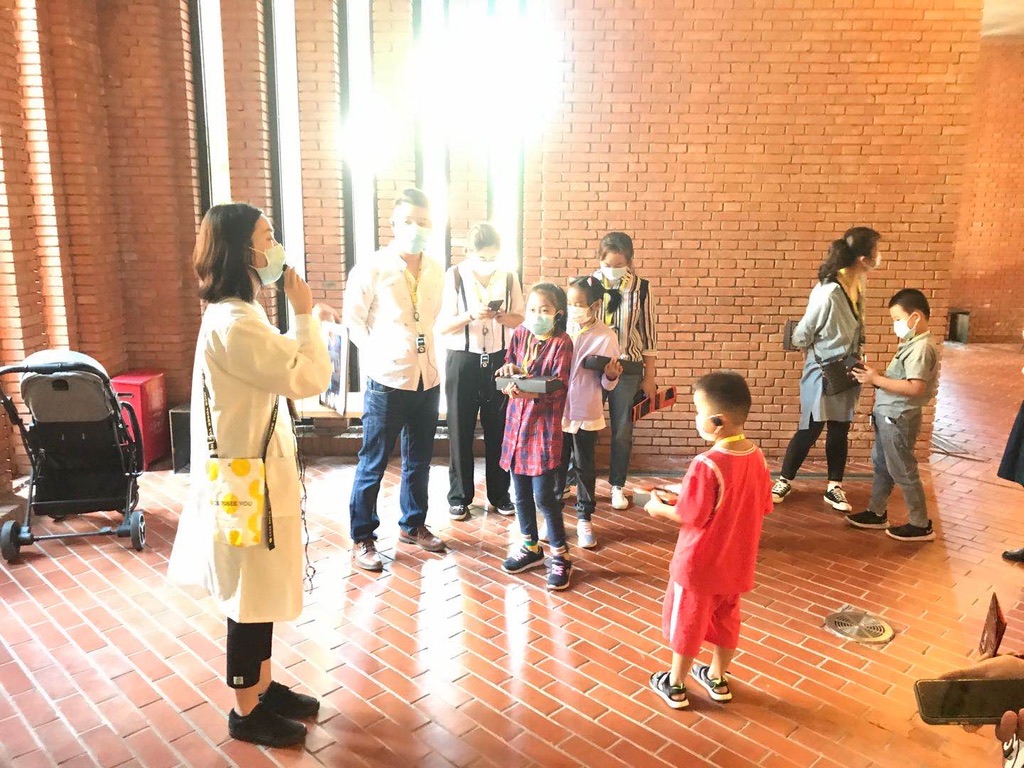
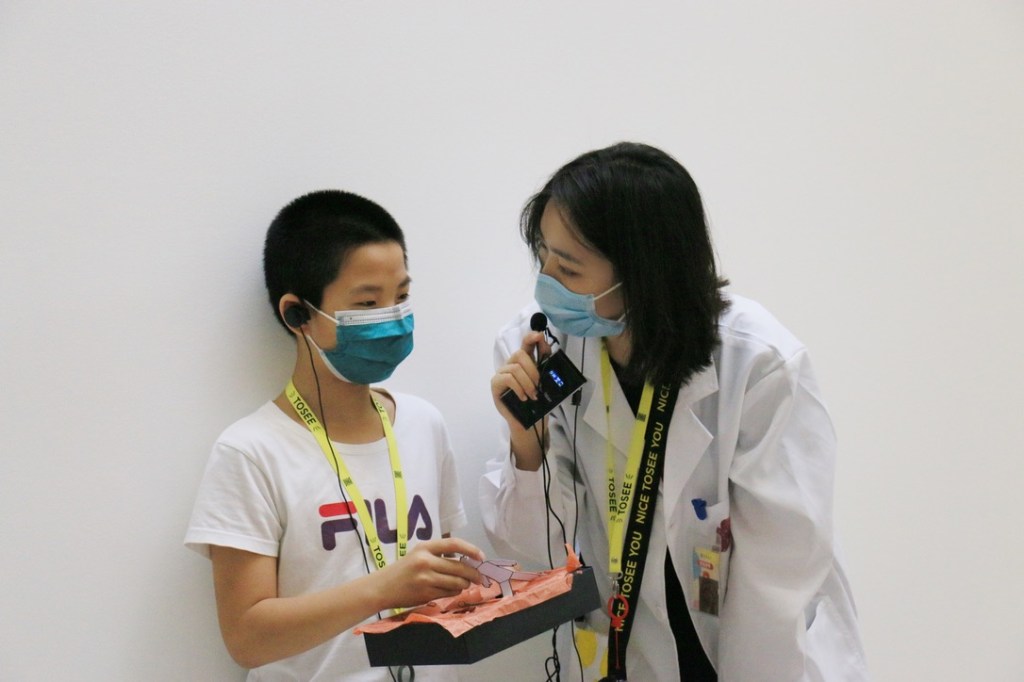
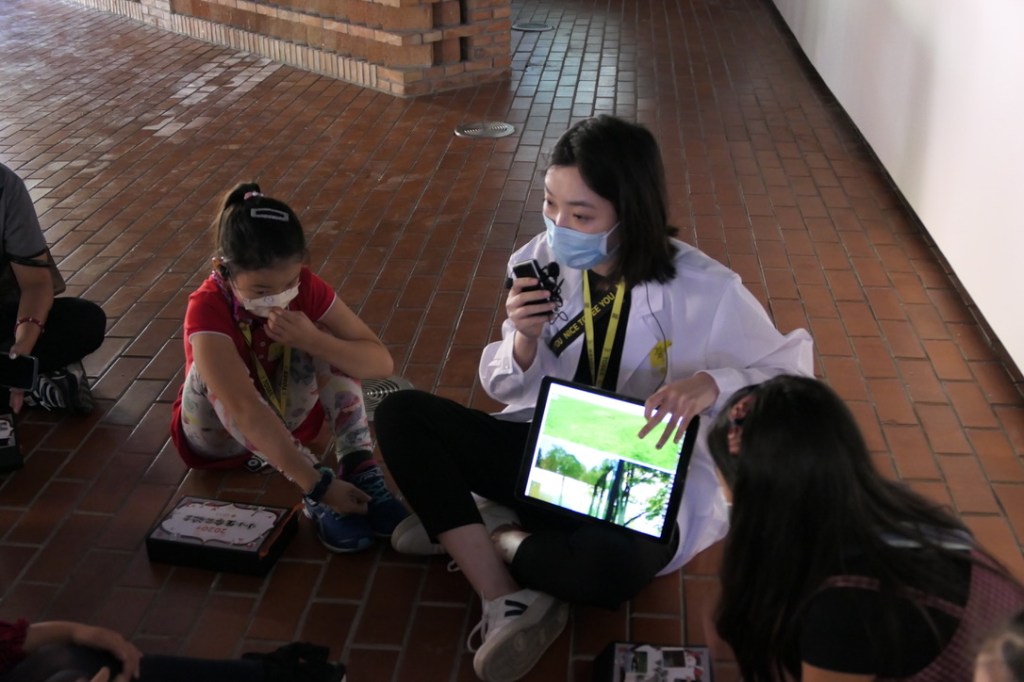
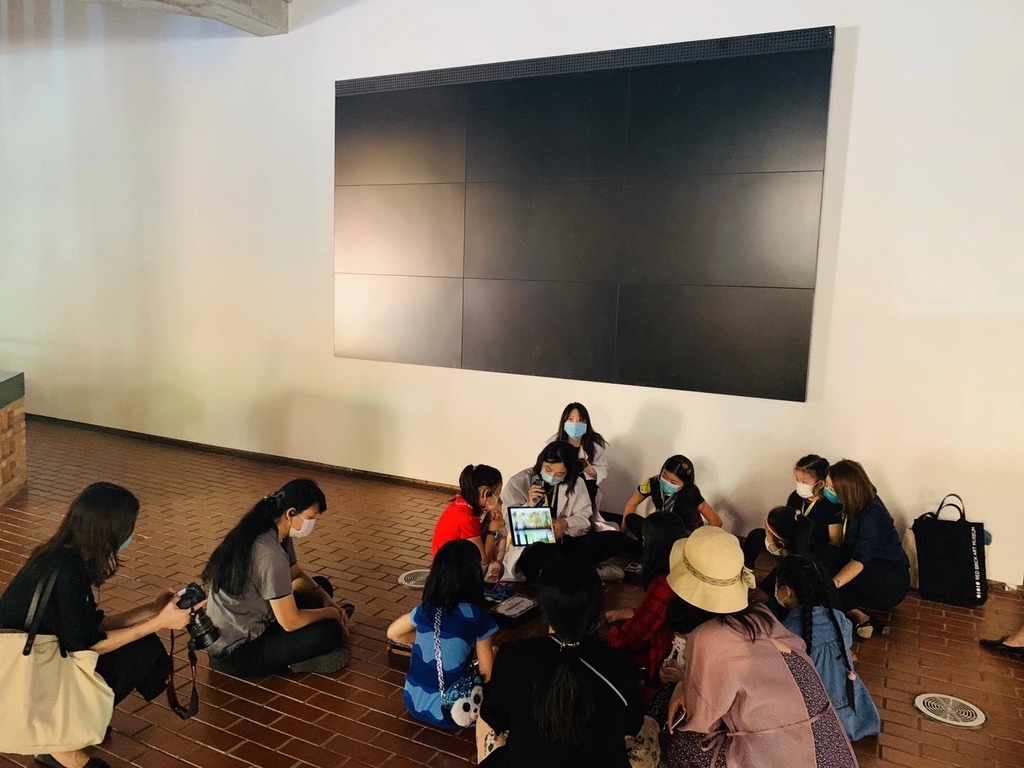
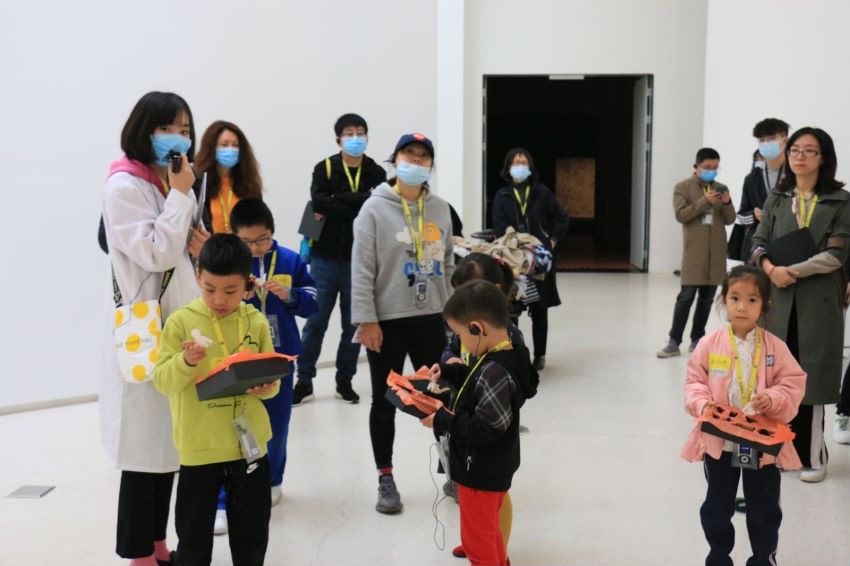
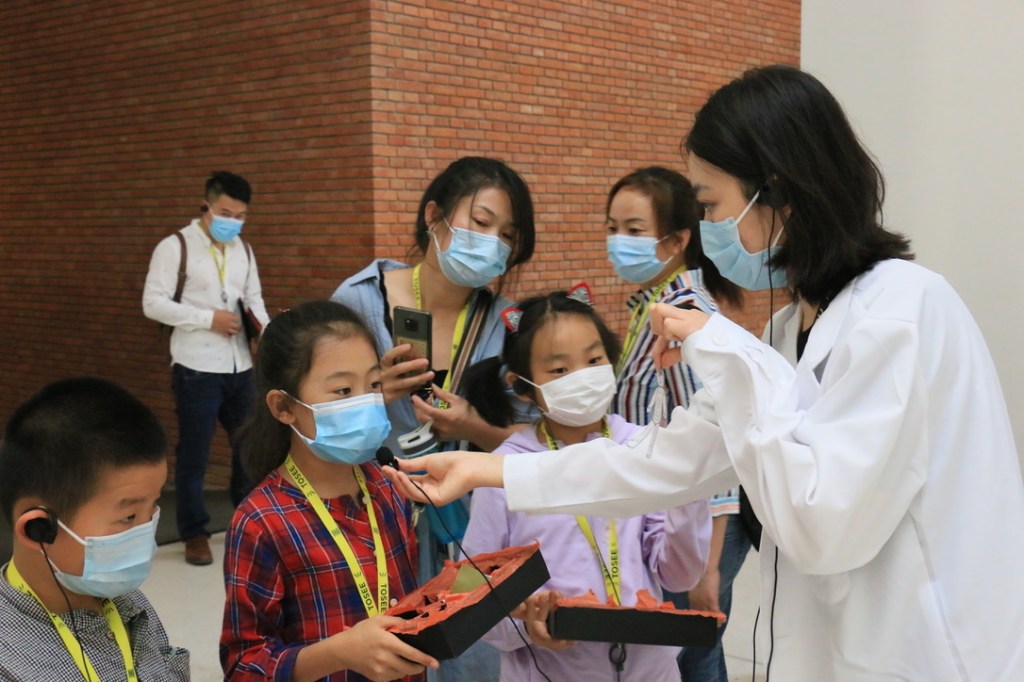
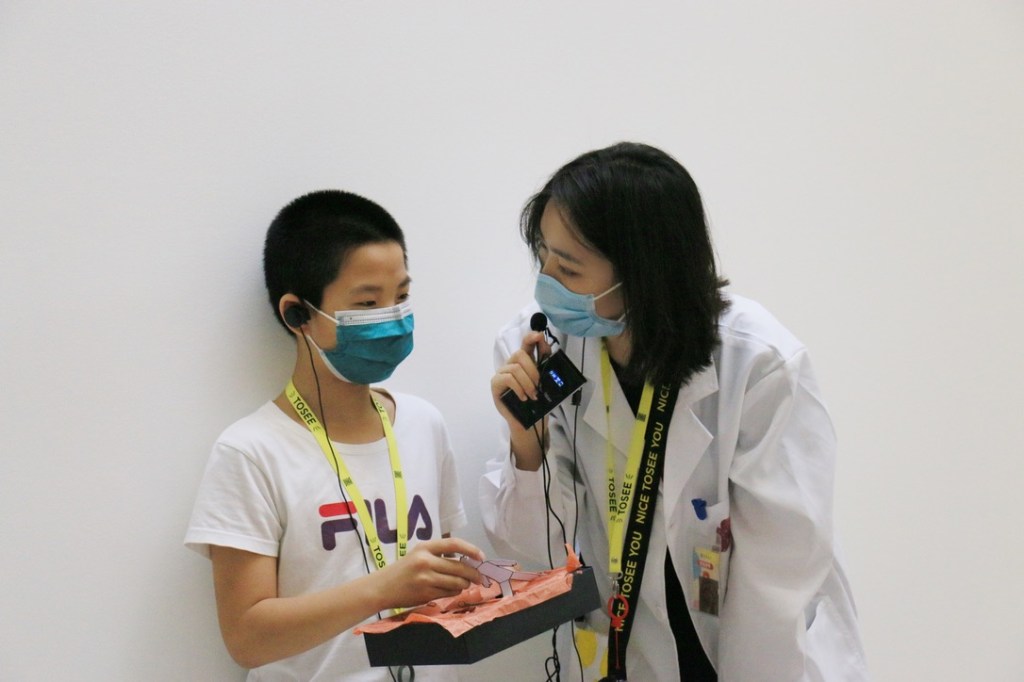
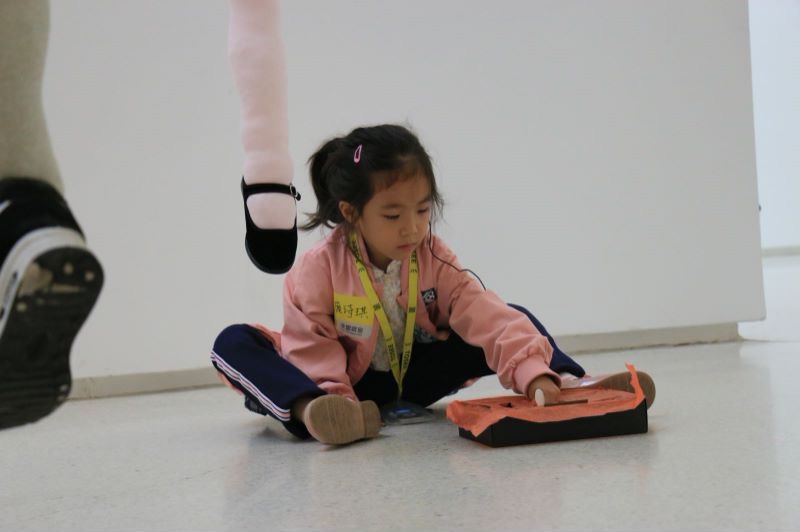
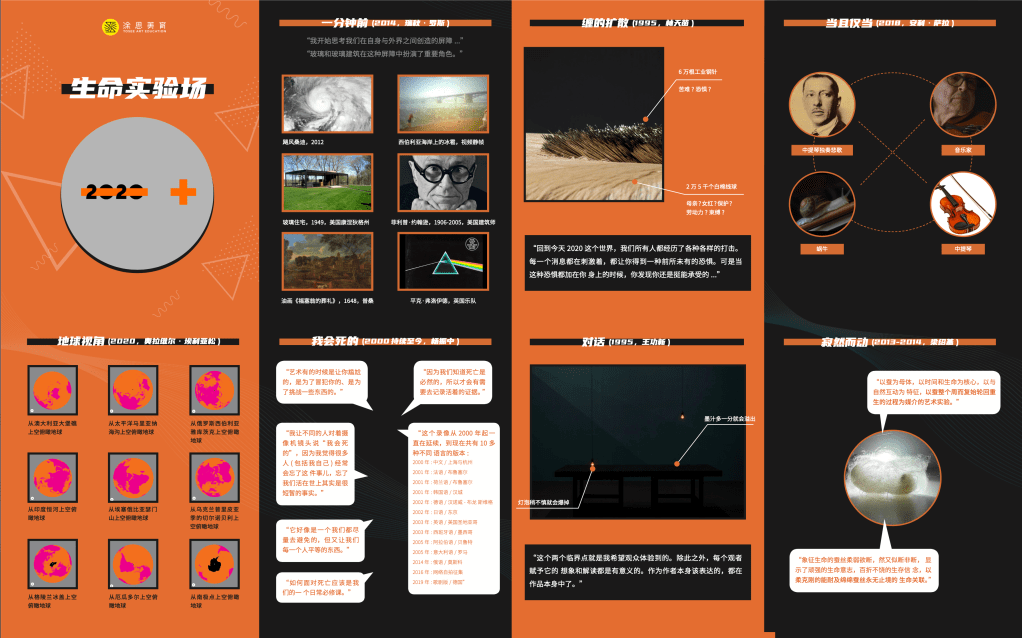
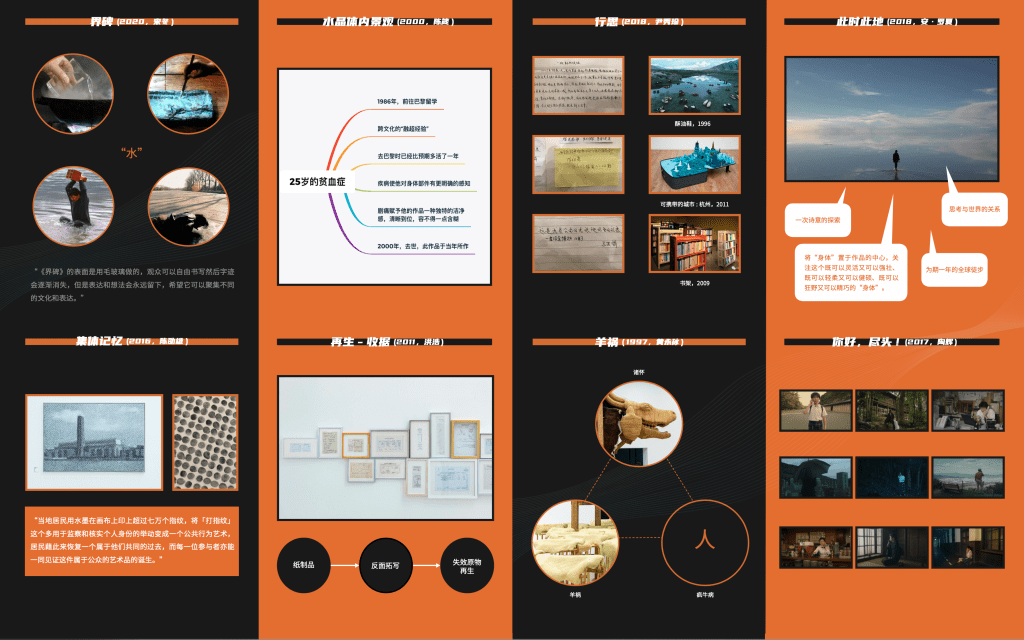
This was a gallery teaching project developed to encourage audiences from different age groups to build personal connections with contemporary art through examining several contemporary artwork by various bodily senses. The project was themed as 2020+: Lab of Art and Life to be align with the exhibition theme, as well as encourage rigorous discussions about the meaning of art and life in the (maybe) post-pandemic time. The project was designed based on Object-Based Learning theory and Visual Thinking Strategy (VTS).
Besides the in-gallery teaching part, I also made a pre-visit video as well as a post-visit video to extend learners’ museum experiences beyond the museum wall.
Contemporary art has always been acknowledged as a difficulty in terms of understanding and connecting with for audiences across the world. This project was developed to help with this situation and introduced a set of accessible approaches that audiences can use and re-use in their experience with such artwork in not only the Red Brick galleries but also in other museum contexts.
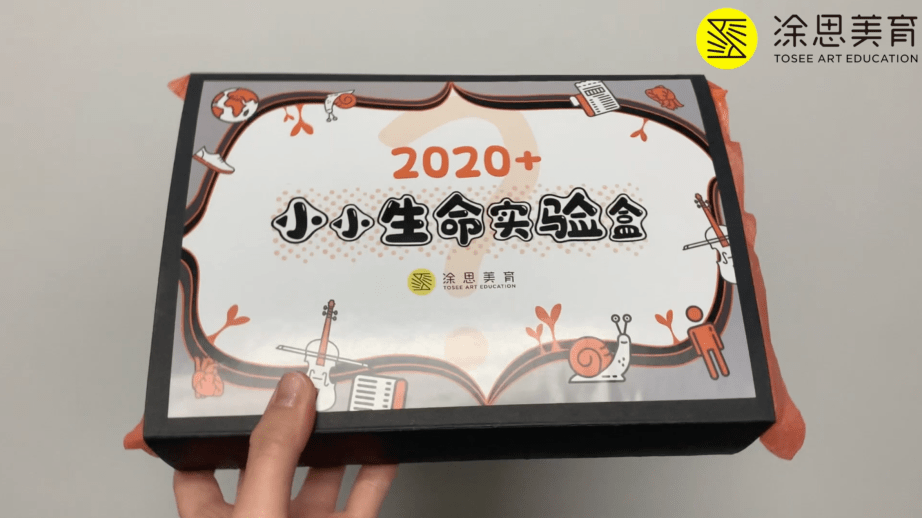
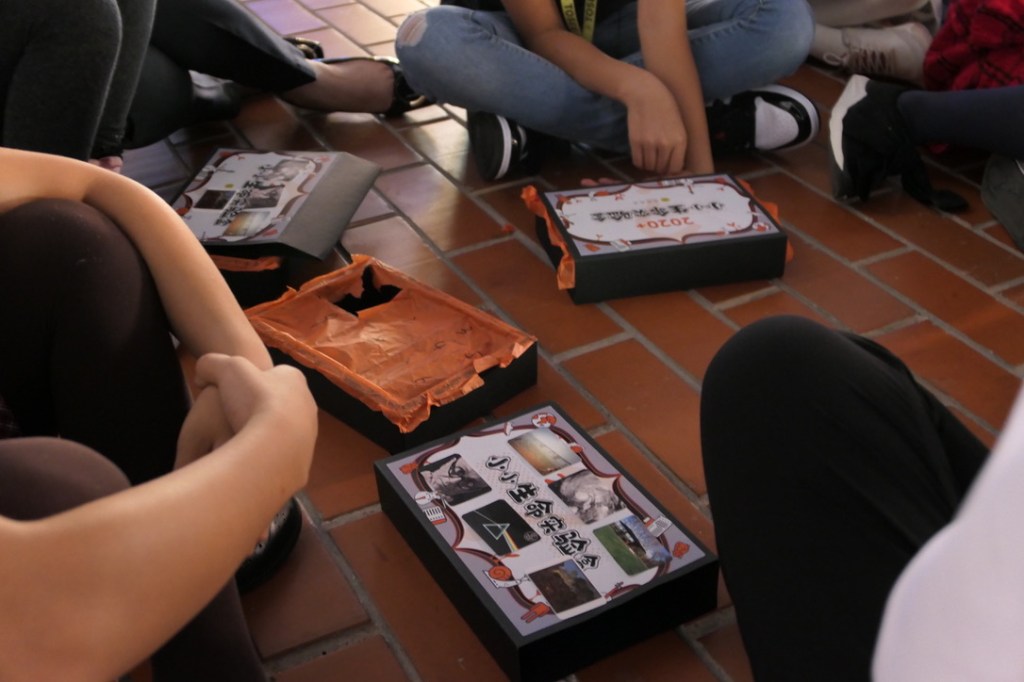
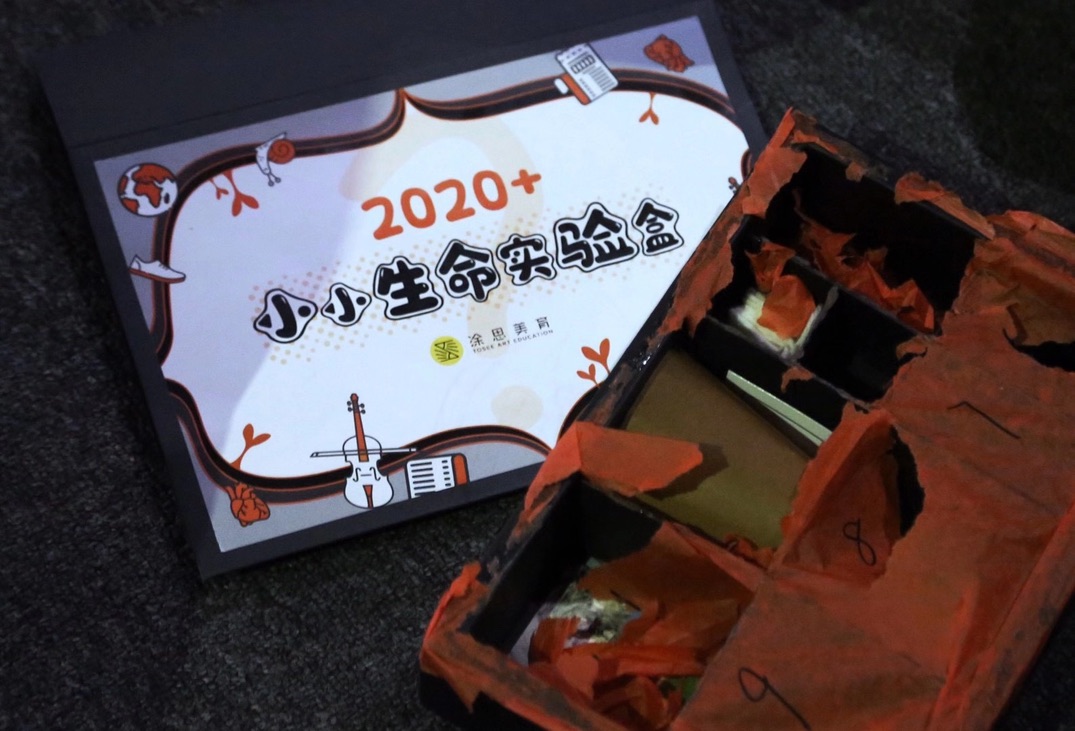
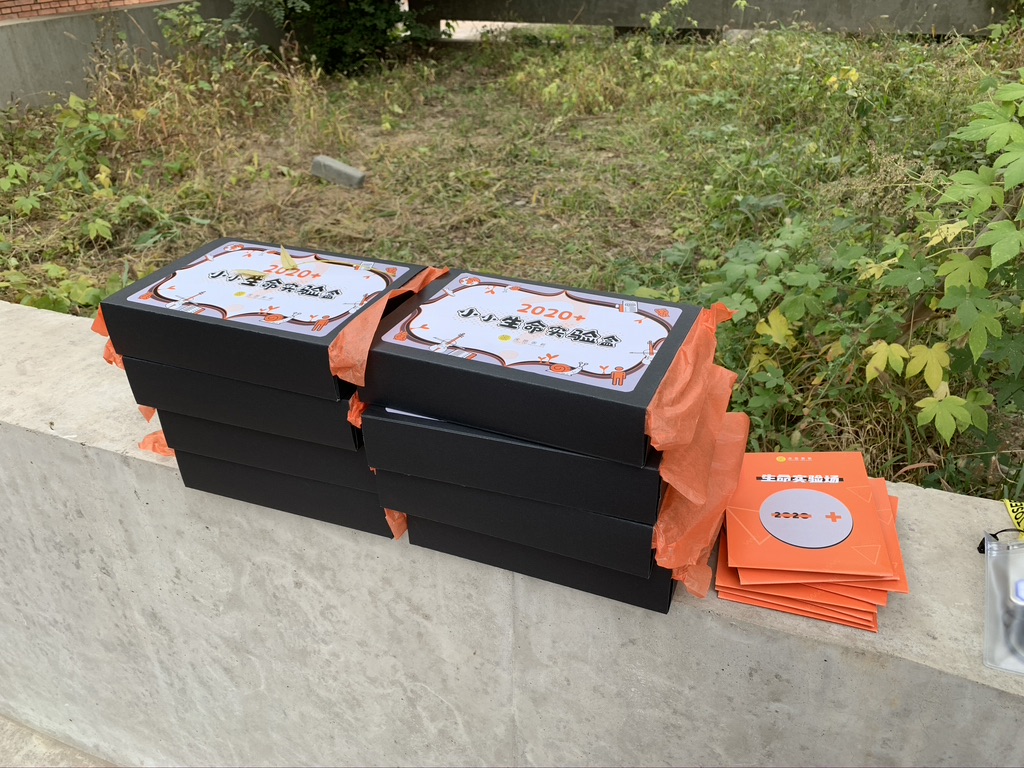
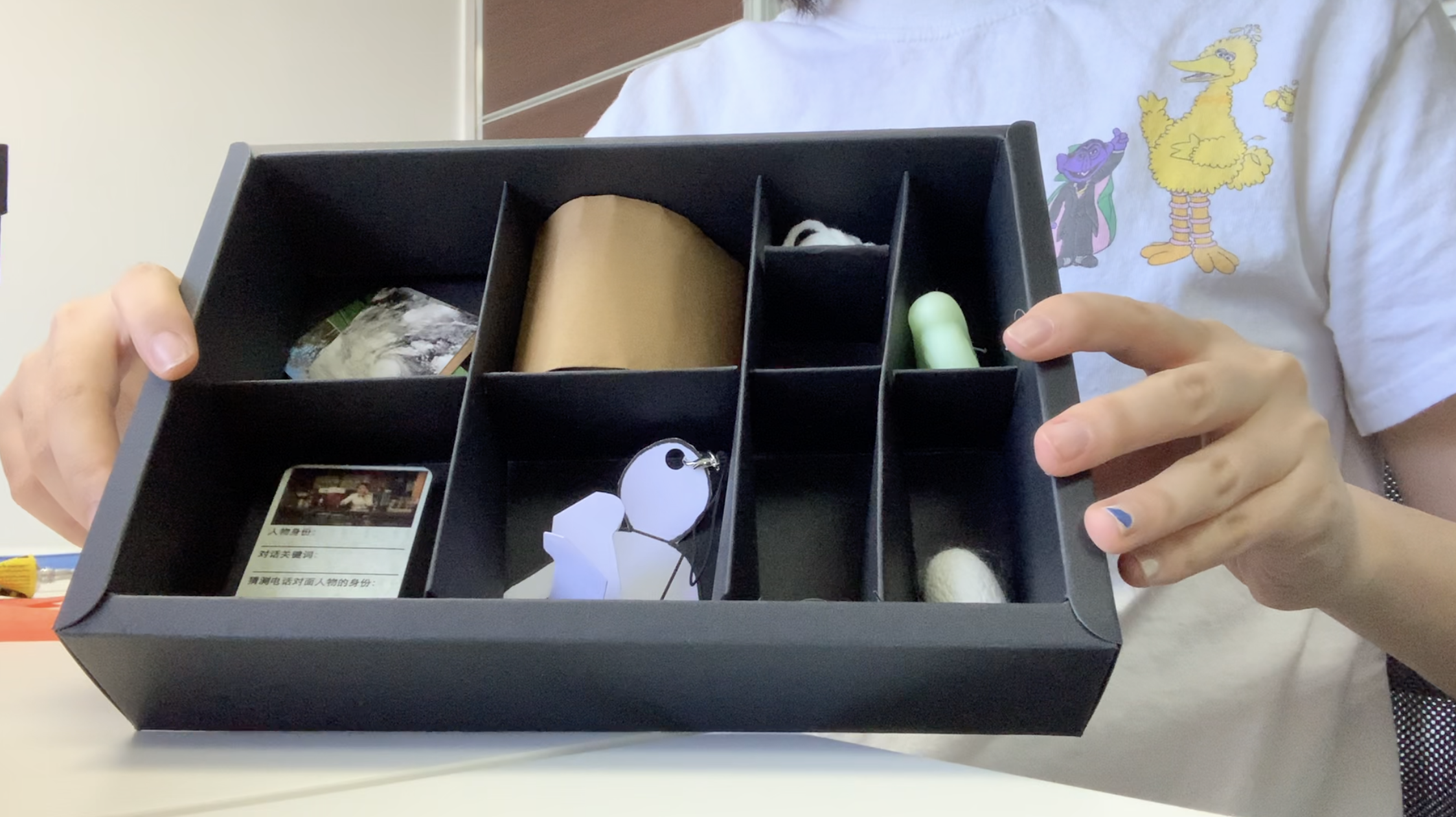
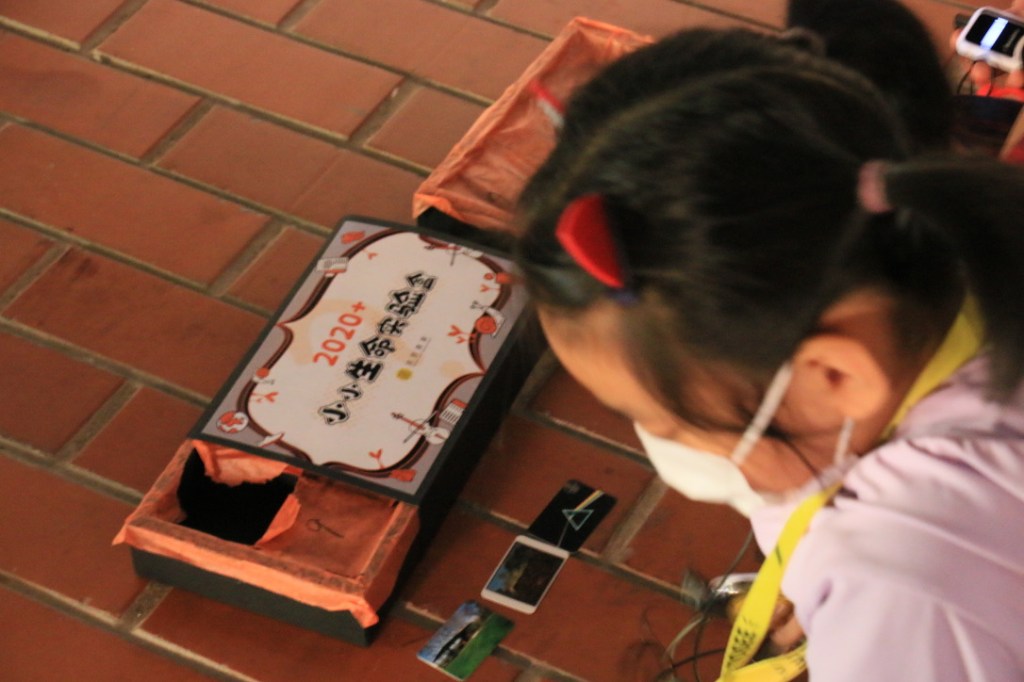
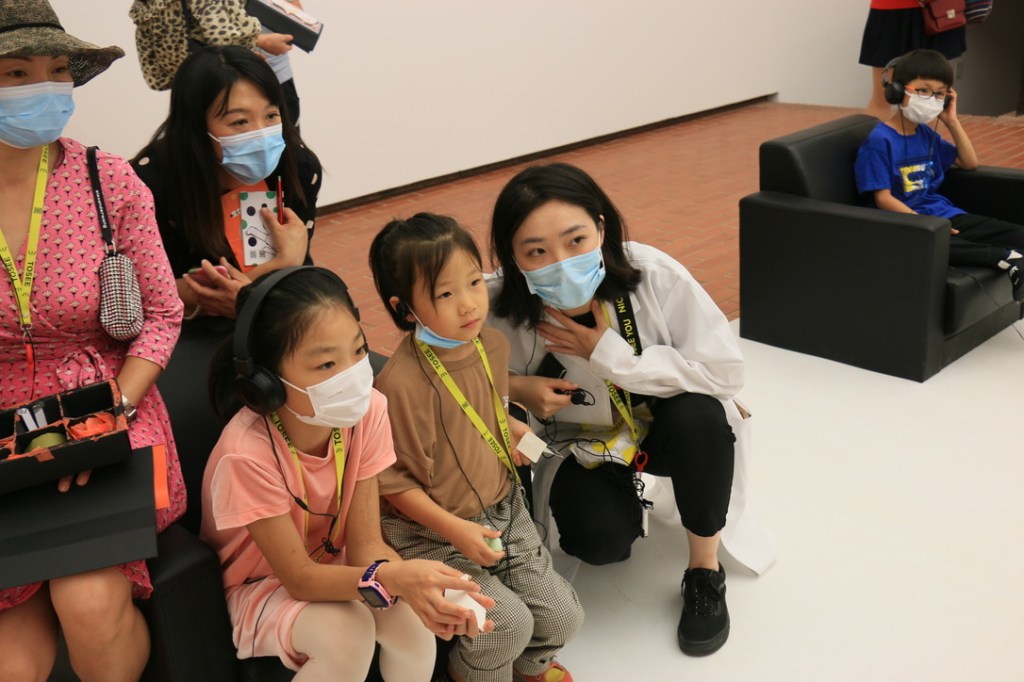
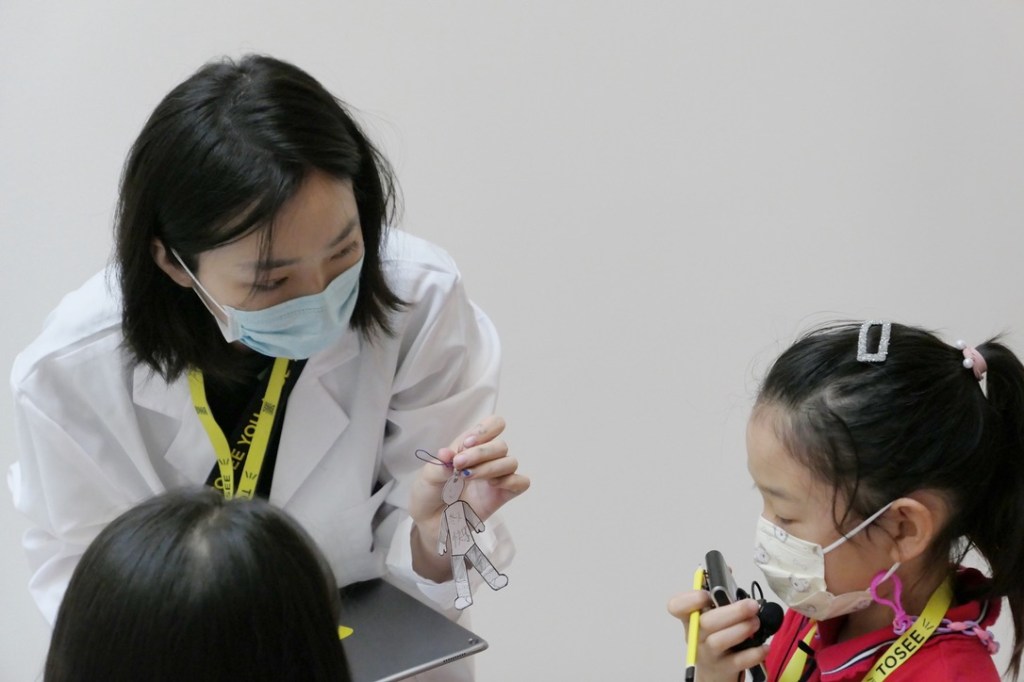
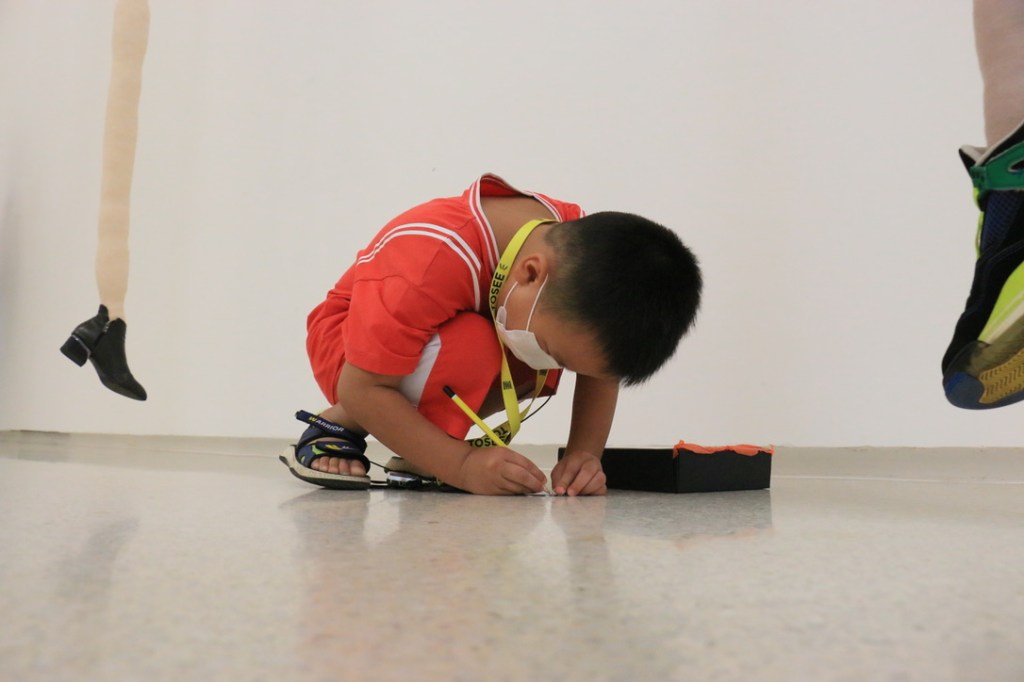
For audiences from age 4 to 12, I designed a tinker box with 9 objects inside. The 9 objects that I handmade or selected were in close-relation with the artwork in this exhibition.
Some objects were related to the artwork according to the art-making process (for example, the shuffle cards I made for students to understand the creative process of Rachel Rose when making the A Minute Ago) ;
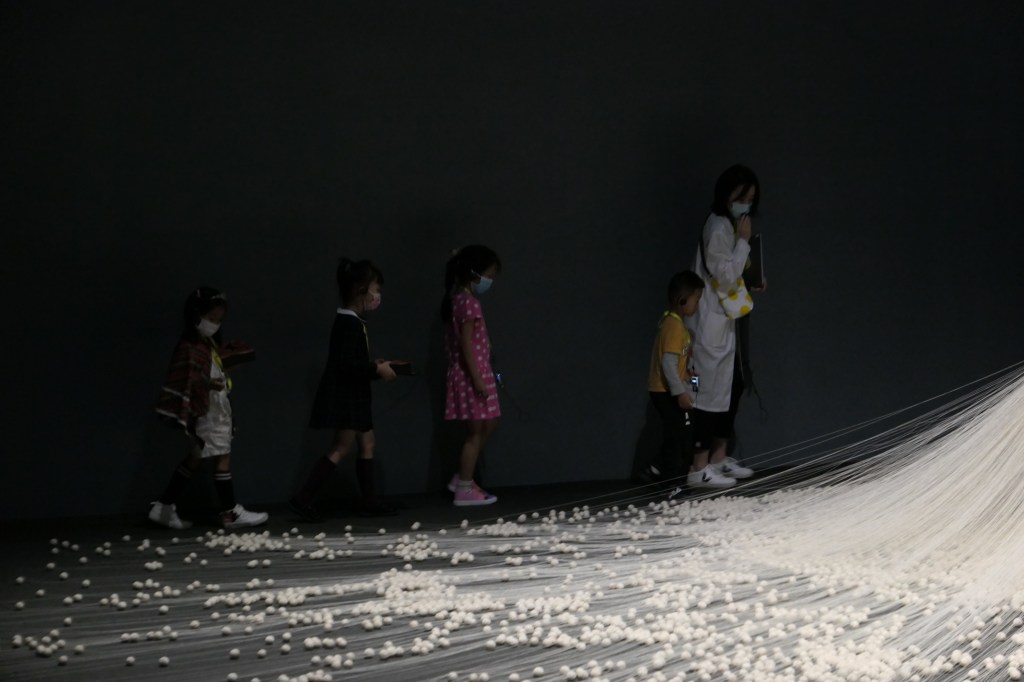
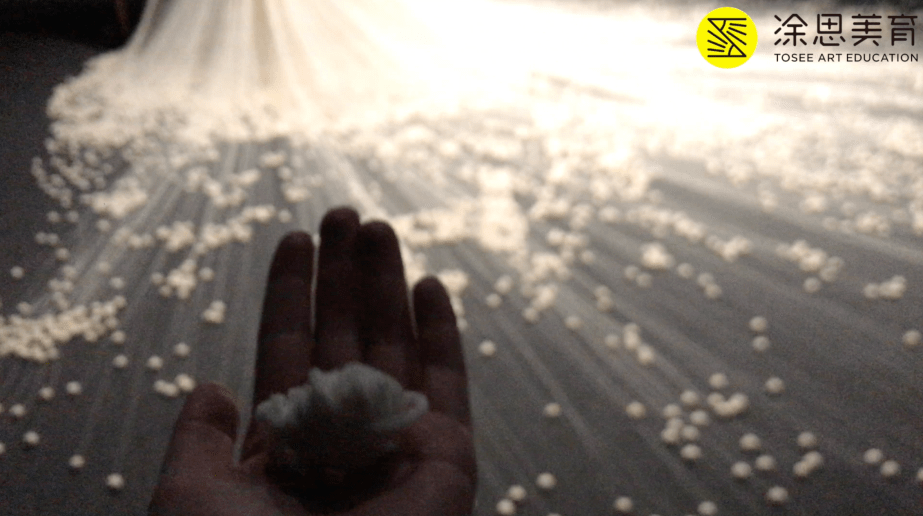
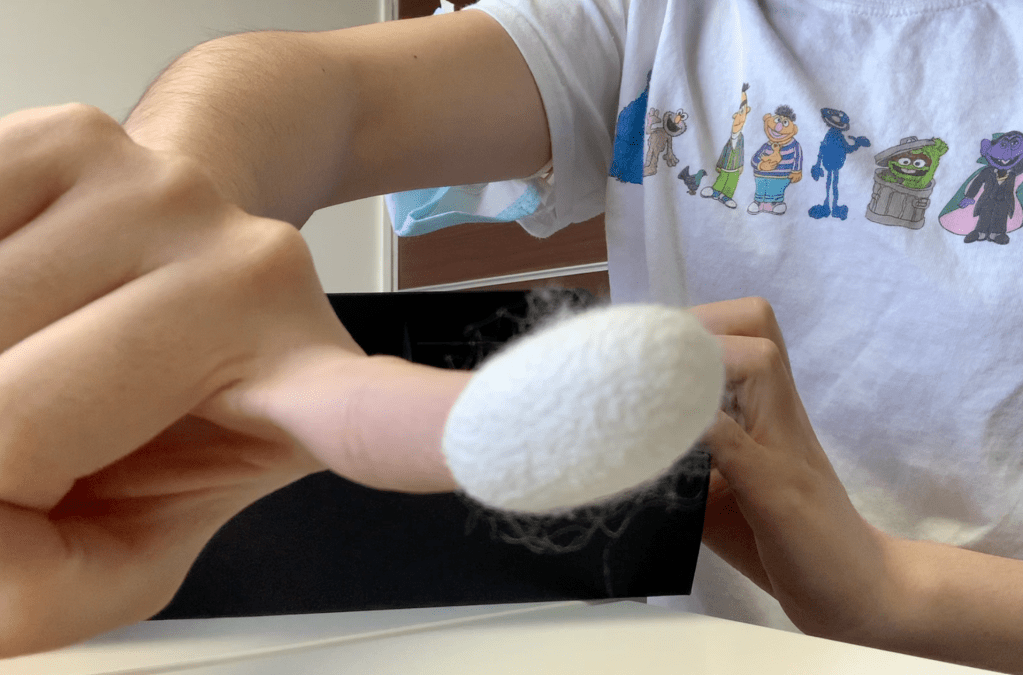
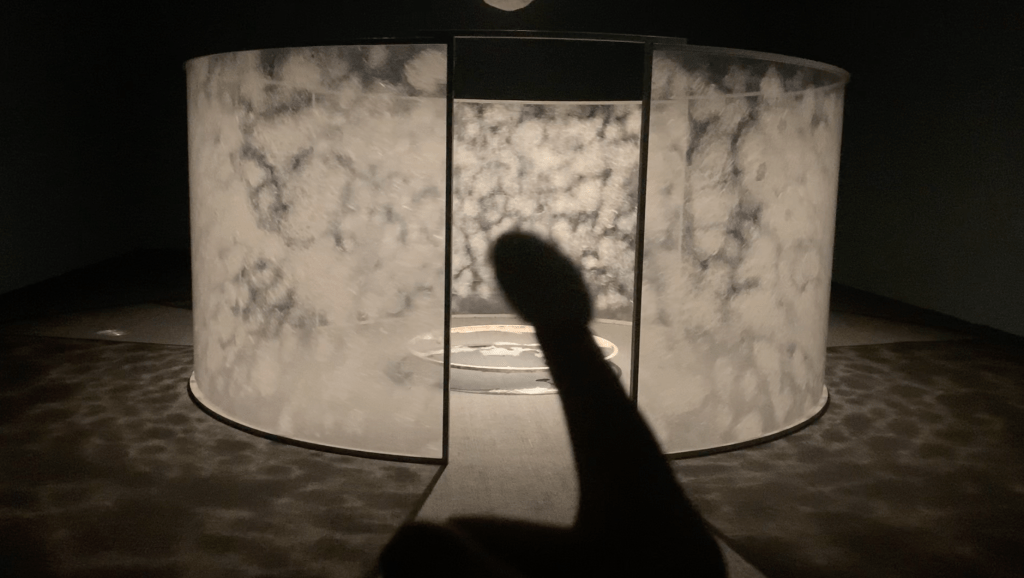
Some were related to the artwork in terms of material (for example, the silkworm cocoon I put in the box would allow students to touch and feel how Shaoji Liang’s silk-made artwork feels like, and to further aid their understanding of the artist’s specific choice of material);
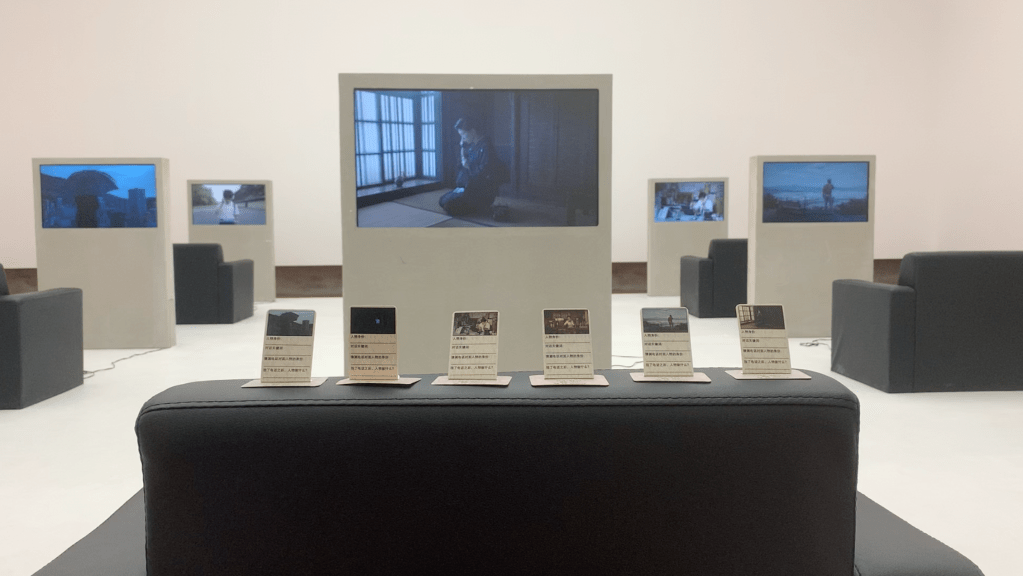
Some were related to the artwork by means of artistic concepts (for example, the task cards in the shape of ‘tombstone’ were designed based on the 9 stories told in Hui Tao’s video installation, the questions on the cards, including discovering the identity of the person in the video, concluding the keywords of the conversation, speculating who was on the other side of the phone call, imagining what would happen after the phone call, were used to encourage students’ close examination and logistic understanding of the video content they were assigned to watch);
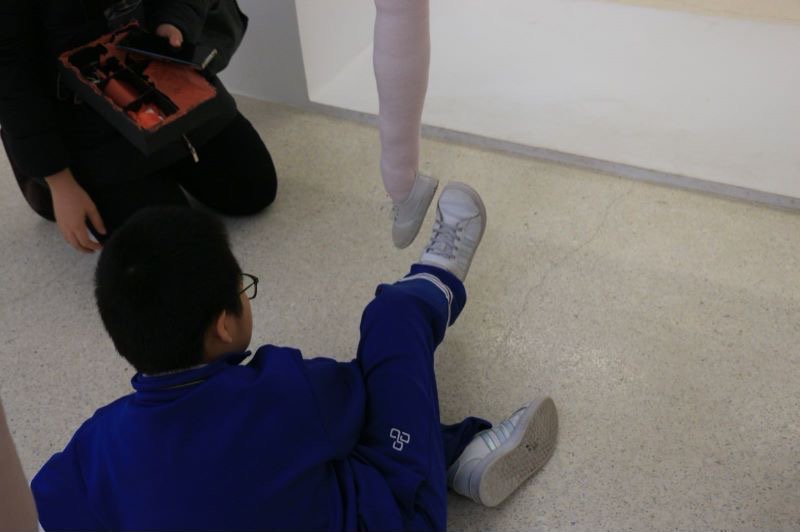
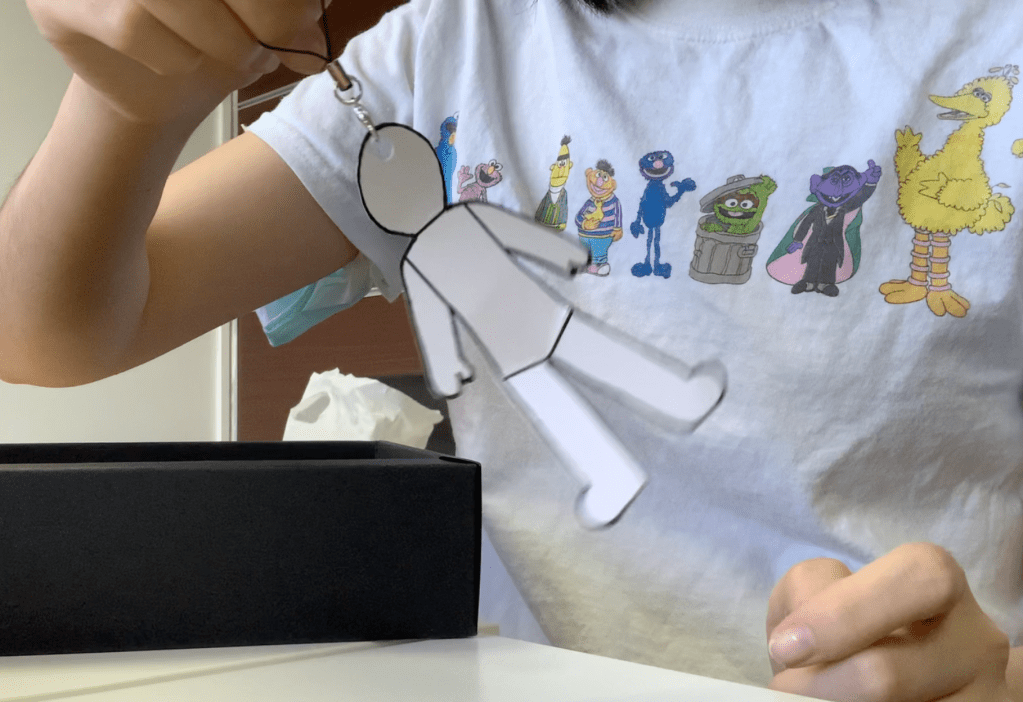
Some were designed in line with the core inspirations of the artwork (for example, the human-body-shaped card was designed to help students understand the main idea of ‘shoes carrying memory’ in Xiuzhen Yin’s artwork, and to encourage students choose and observe one pair of shoes from the installation and create a imaginative body as well their memory for the owners of the shoes);
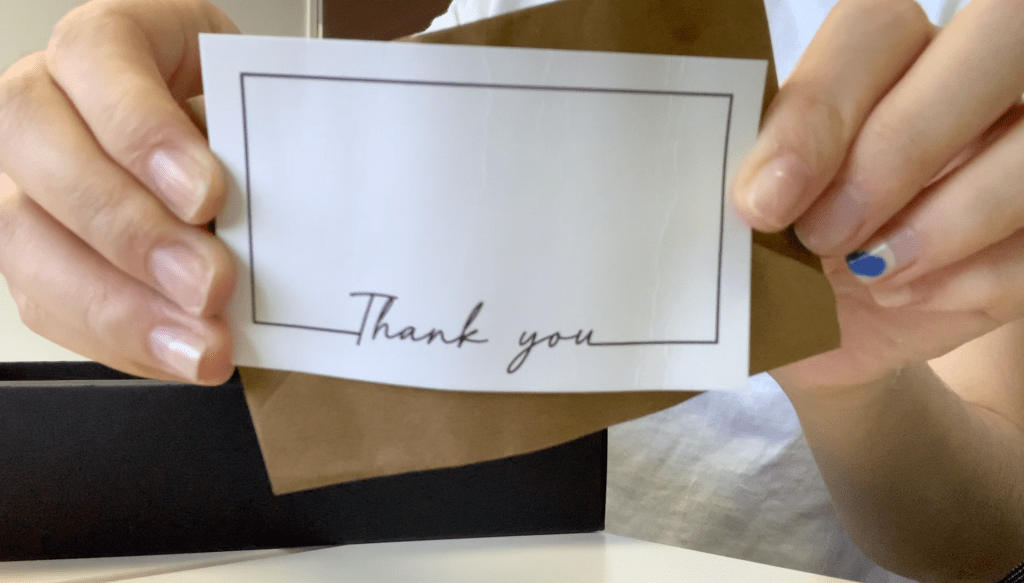
Some were developed to connect artwork with the real life and to further cope with real life difficulties (for example, the thank you card I put in the box was used to inspire learners’ understanding of death from a more positive perspective).
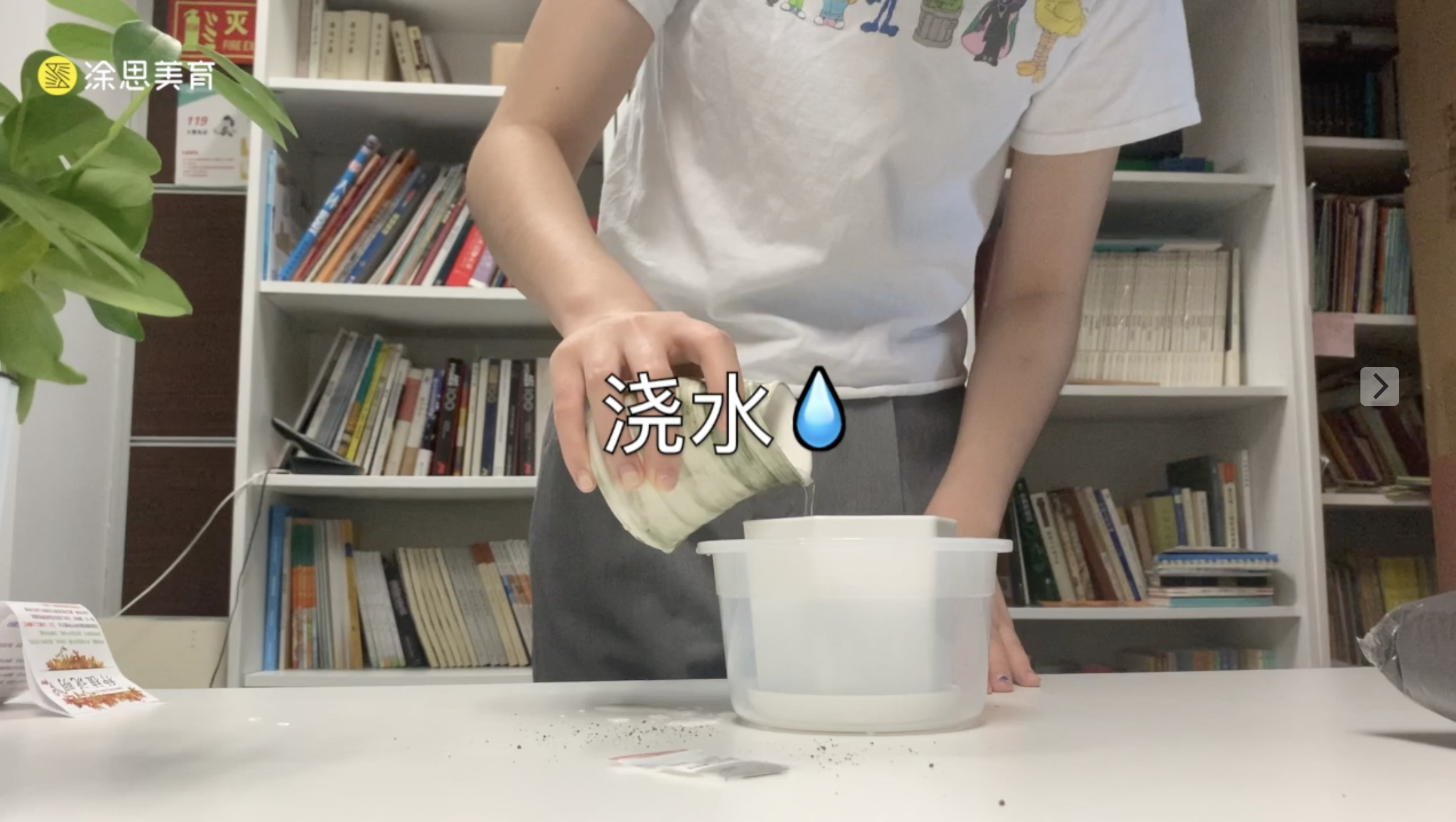
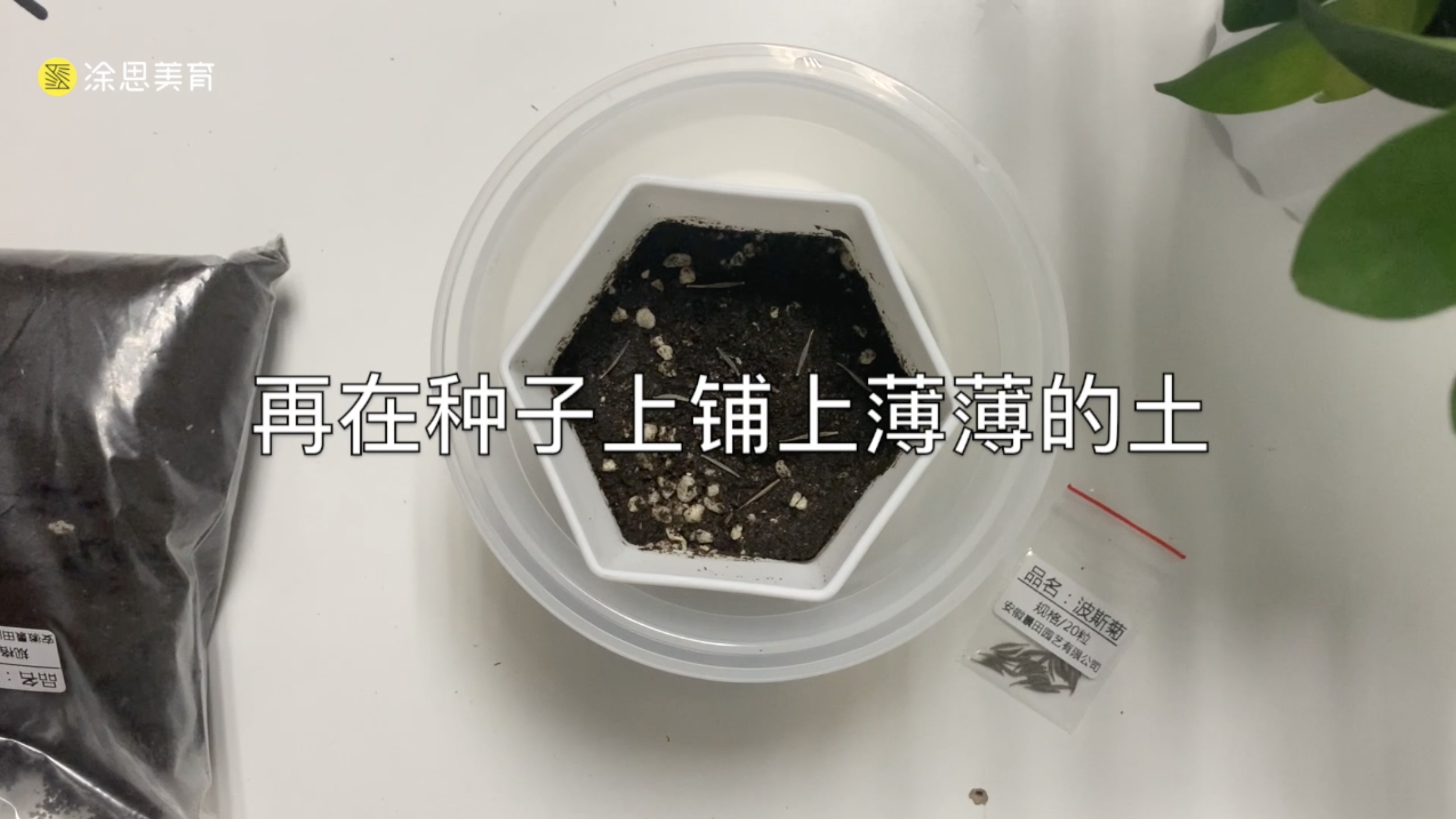
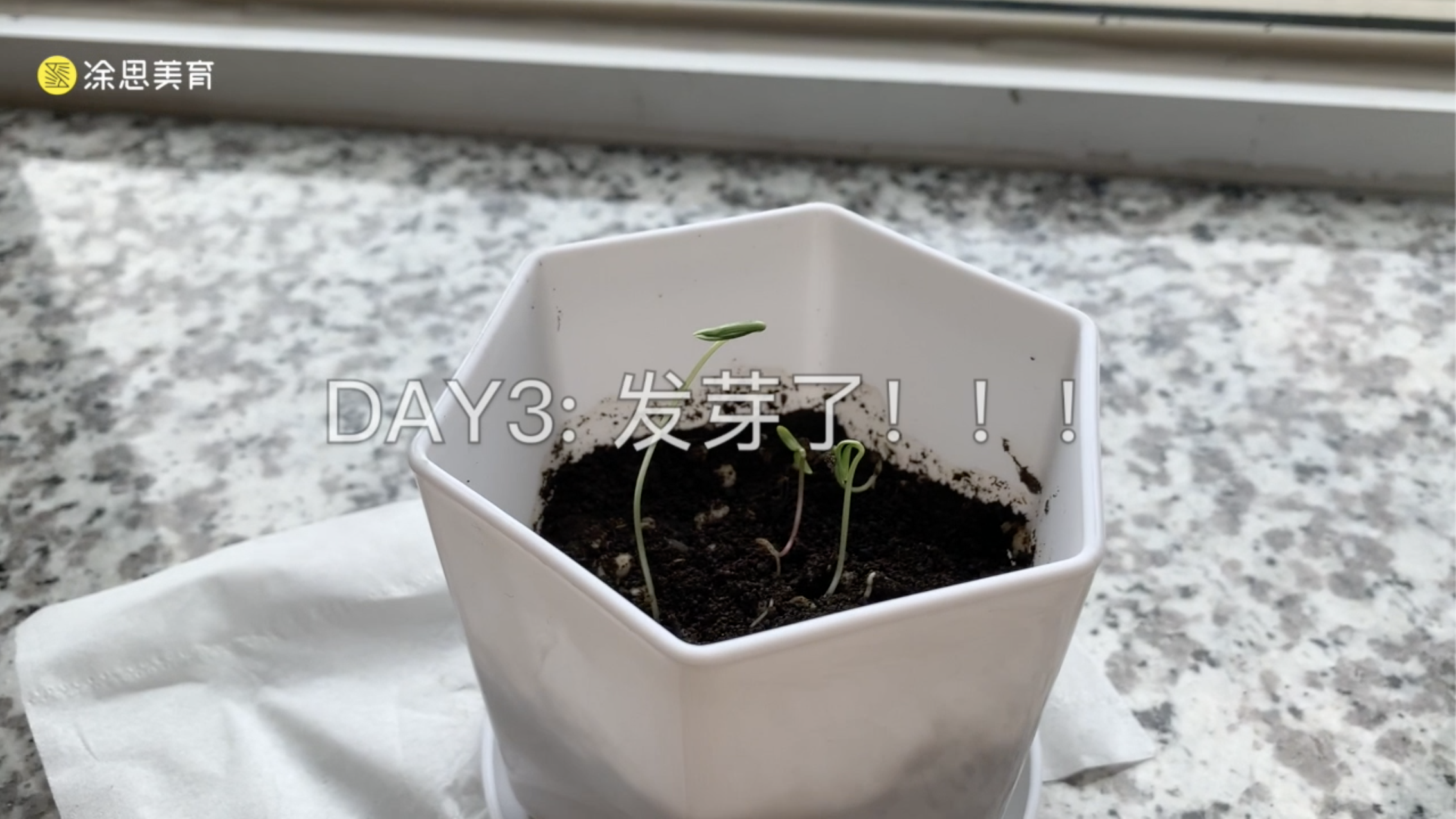
Besides this tinker box, which was of great welcome from the young learners, I also put together a post-visit gift for each of the young learners: a seed and pot package for them to plant and care after the gallery experience. I gifted this special life-package to the kids to hopefully enhance their understanding and experience of Life building upon the experiences of Life they gained from the artwork and the gallery lesson. I also encouraged the learners to record the growth of their plant by posting a video record of my own plant.
For adult learners, I developed a brochure with important information, fun facts, inspiring questions, as well as artist’s quotations of all 15 artwork in this exhibition. The brochure was developed to guide the adult learners’ philosophical understanding of the contemporary art and see the deep connections between art and society in these works. During the gallery experience, I also use questions and dialogues to help the learners draw connections among the works of several Chinese artists and build a clearer view of the grand landscape of contemporary art in China.



 SIYAO LYU