- Project Type: Professional Project with HARVARD ART MUSEUMS
- Project Location: Harvard Art Museums, Cambridge, MA, U.S.
- Role in the Team: Graduate Student Teacher of the Public Program Department
- Lessons I designed and taught: Foundations of Art (2018 Fall, 3 classes), Foundations of Art (2019 Spring, 2 classes), Fashion Design (2019 Spring, 2 classes from intro level to intermediate level)
- HAM Colleagues I collaborated with: Sarah Summers, Mimi Thompson, Sarah Briggs
During my time as a graduate student teacher at HAM, I researched, designed, and taught art lessons in the museum galleries as well as across the Harvard campus in collaboration with art teachers from the Cambridge Rindge and Latin School, a public school in Cambridge, MA. The students I encountered were from grade 9 to 12 and were from very diversified backgrounds. Some students were frequent museum-goers and world travelers with excellent senses and understandings of art, while some students had never been to a museum before even though they might be interested in the arts but felt intimidated by and excluded from the “high-class” art museums somehow.
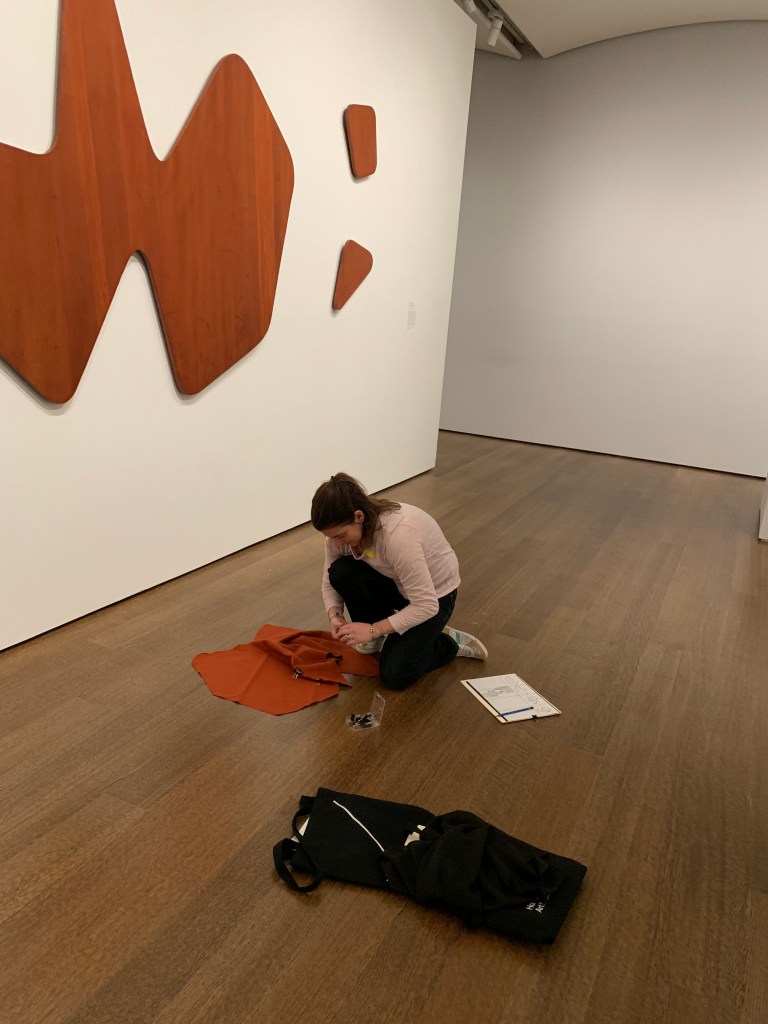
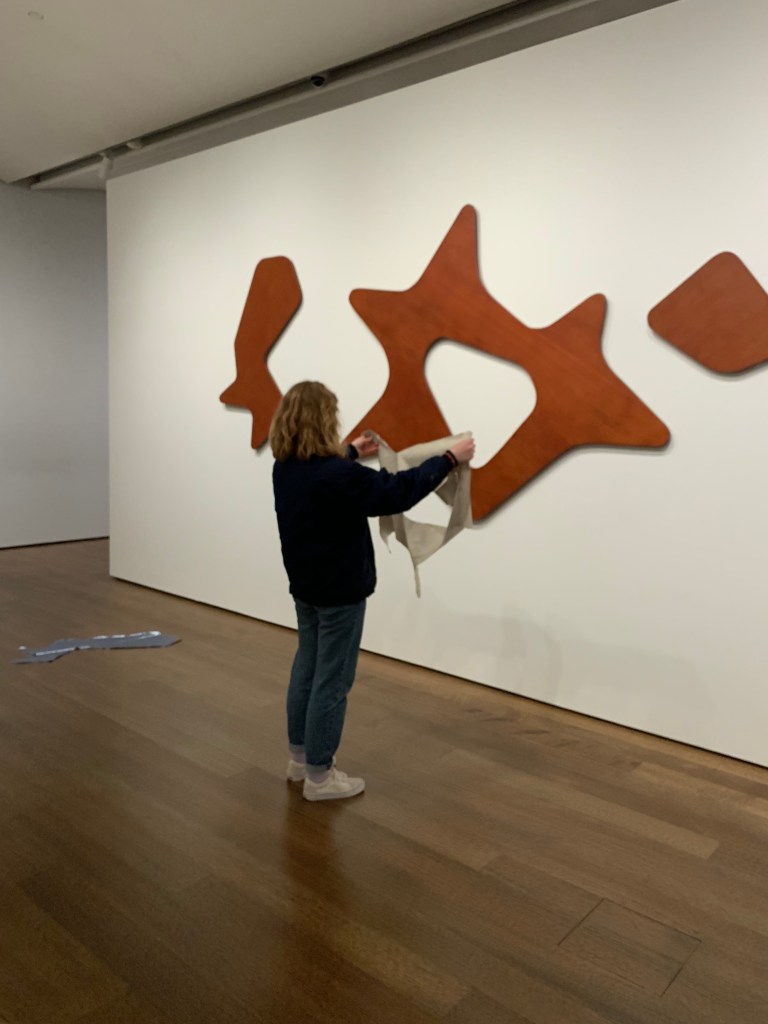
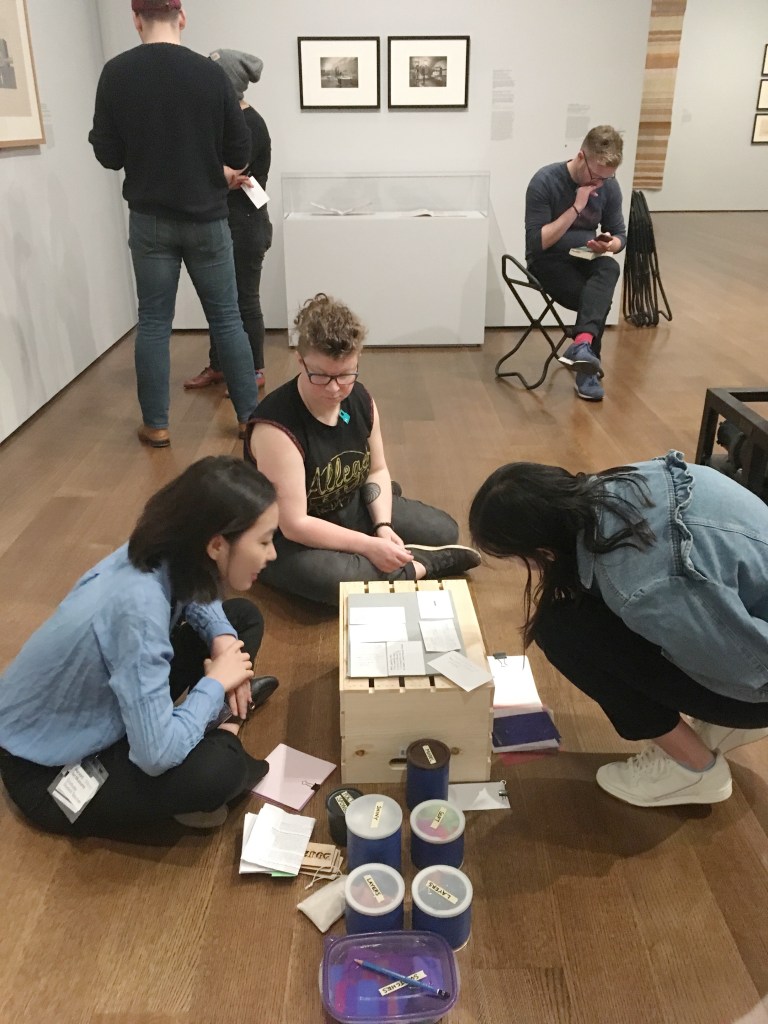
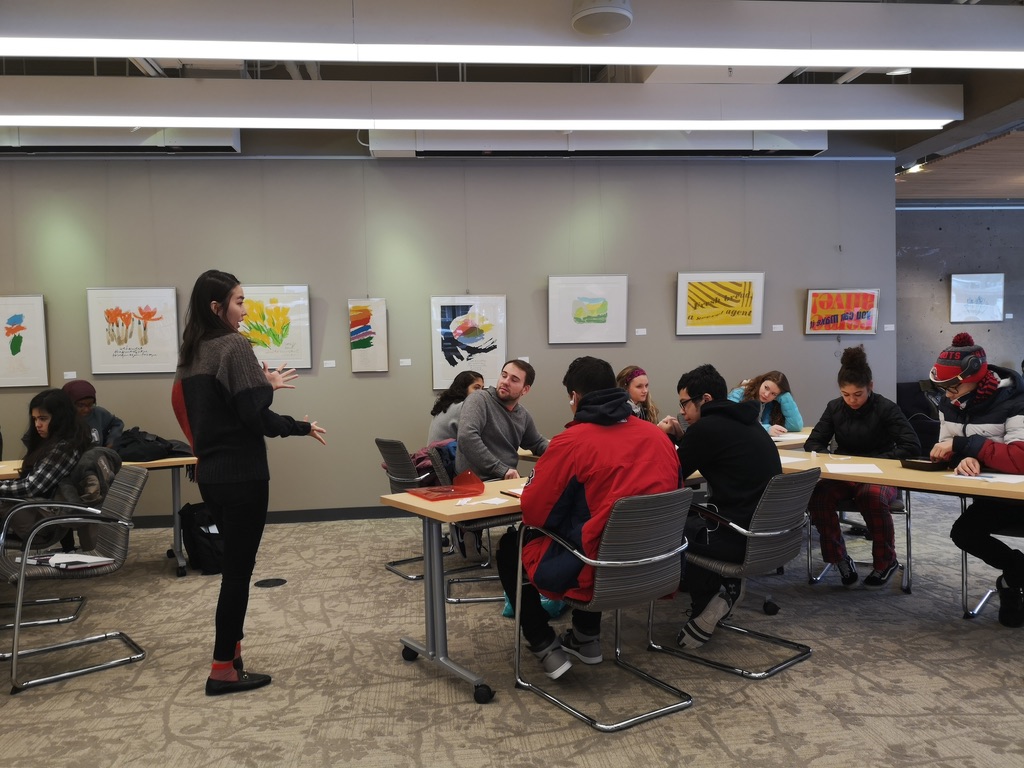
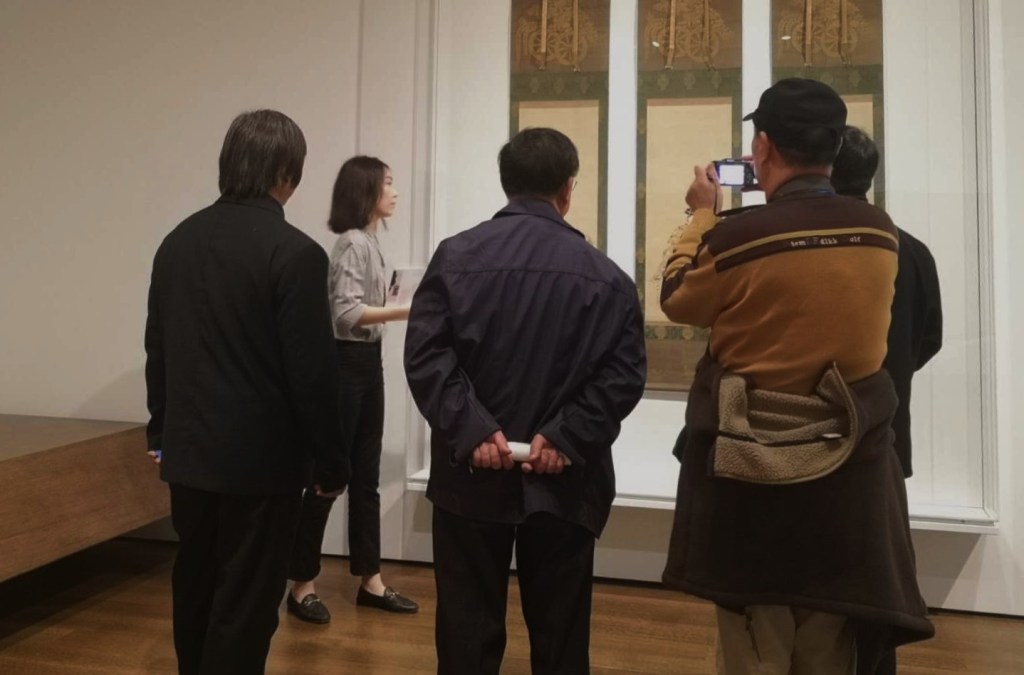
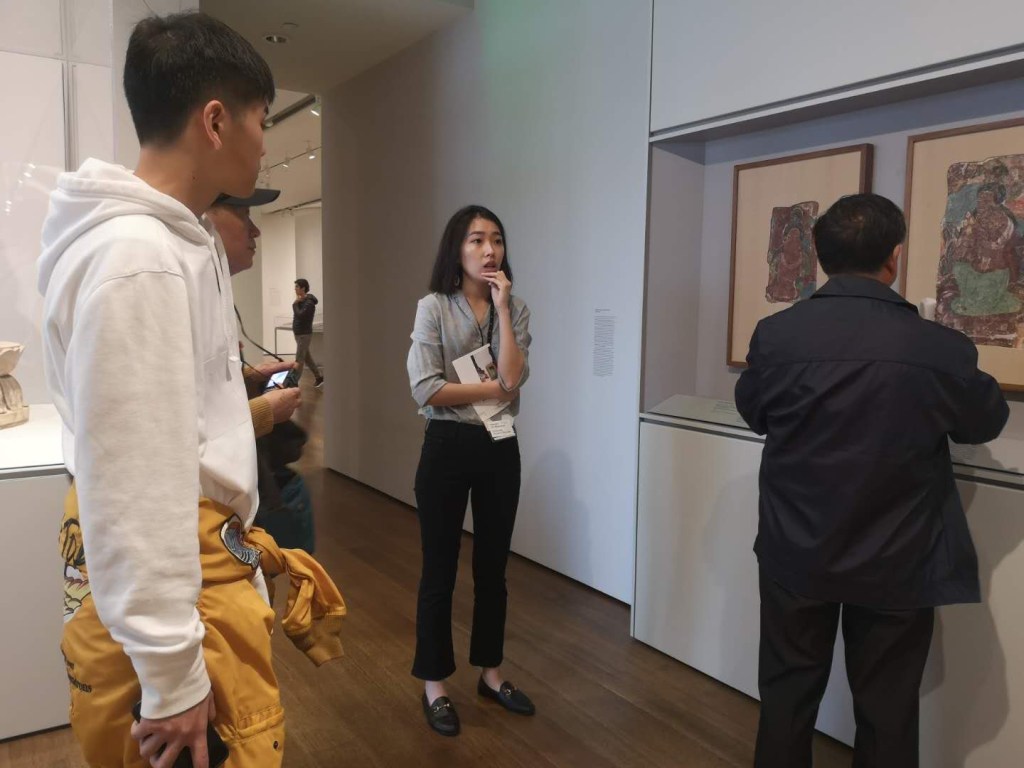
My job, as well as my 9 other colleagues, was to encourage all students visiting the museum to feel empowered to enter the museum gallery and enjoy art, see the possibilities of generating meaningful observations and ideas of the arts, and even better, to build personal connections with the arts which may lead them back to museums for further explorations. Meanwhile, we also expect to encourage students’ critical thinking about arts as well as all those invaluable information hidden behind them, by introducing art pieces taking very different forms, from diversified cultural contexts, or even controversial to some extent. For example, we expanded the idea of portraiture by observing works from concrete to abstract; we displayed the inclusiveness of arts by drawing connections between the Japanese folding screens and the Impressionism; we challenged the idea of “fashion” by designing an ugly fashion tour, etc.
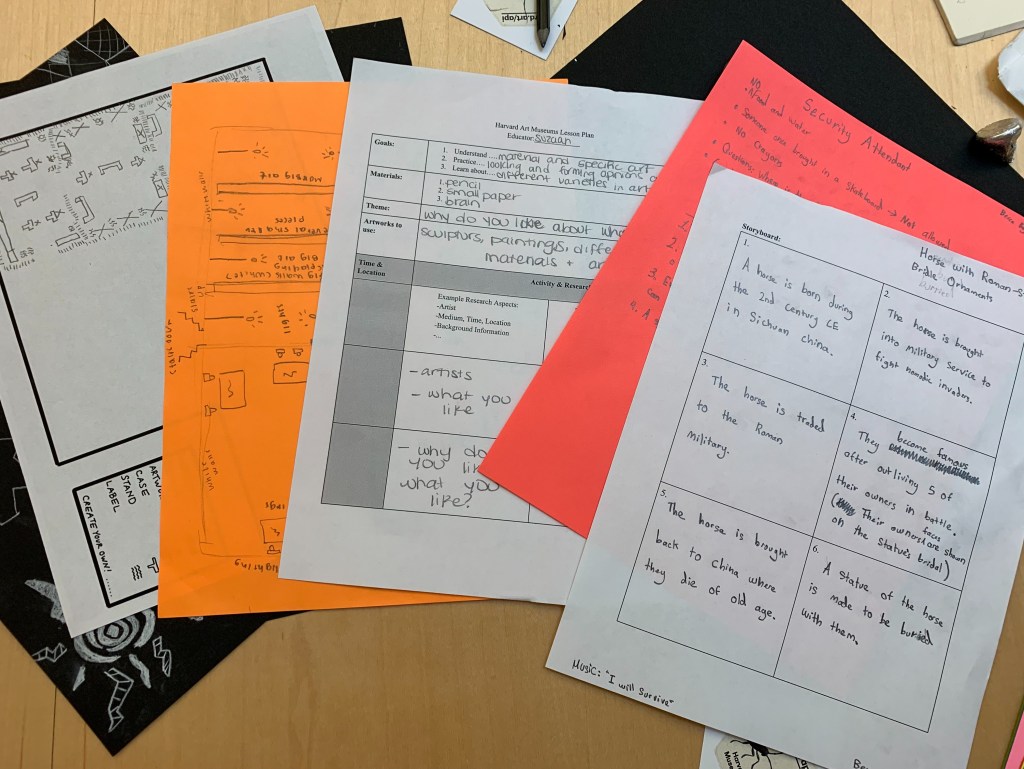
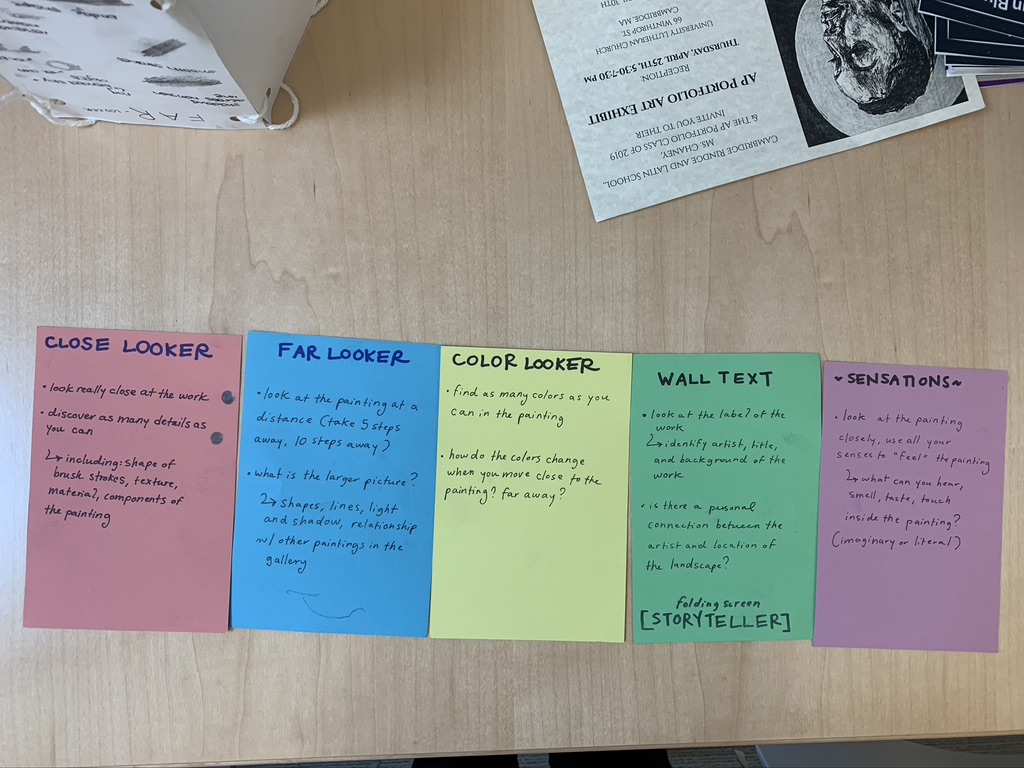
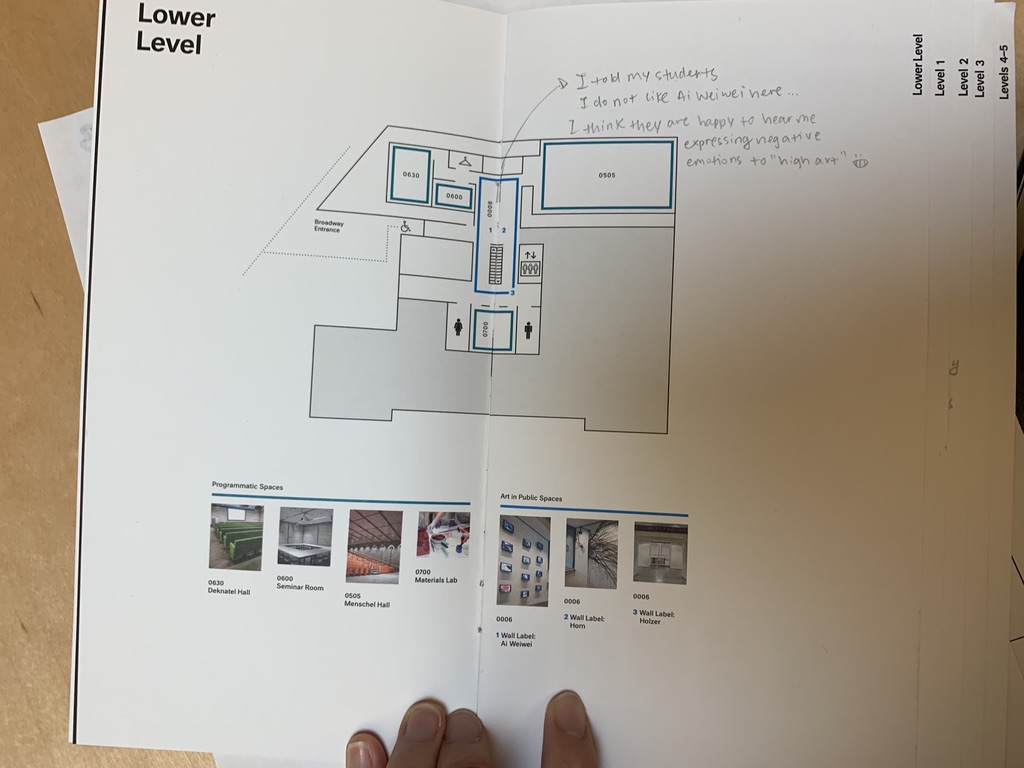
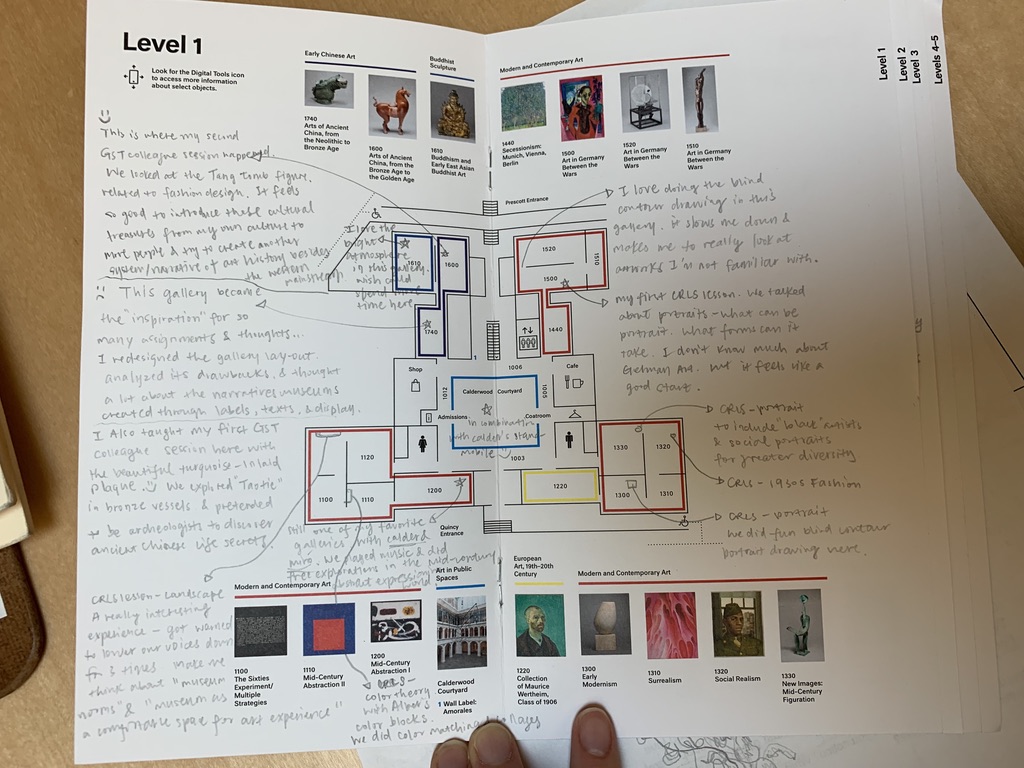
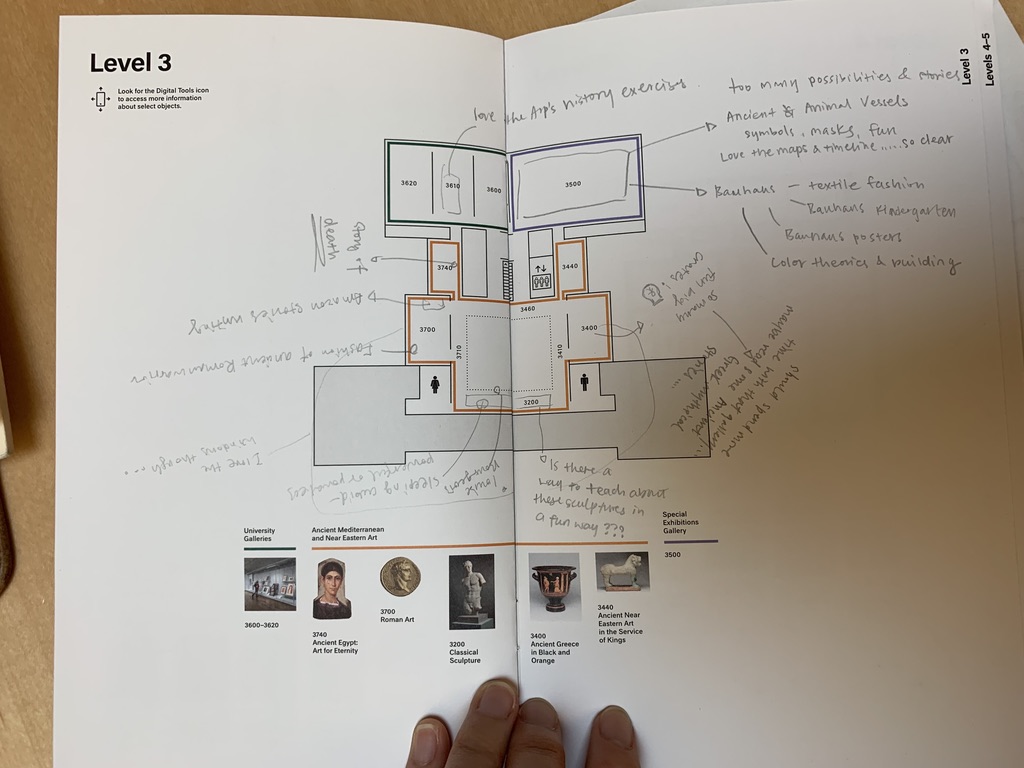
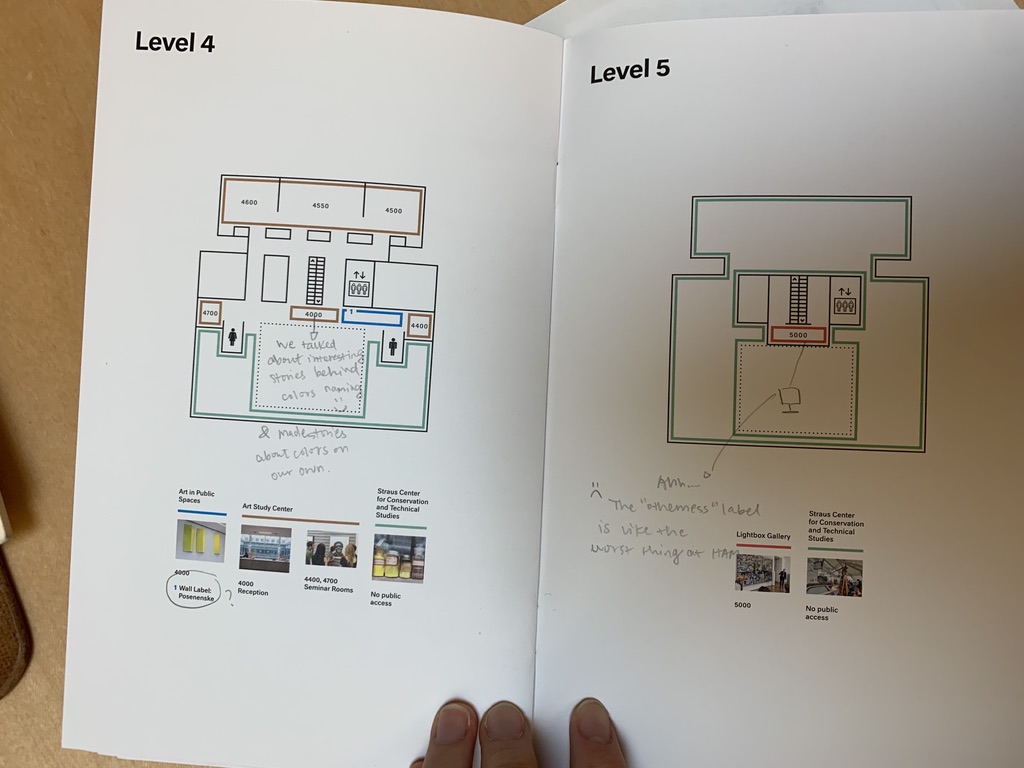
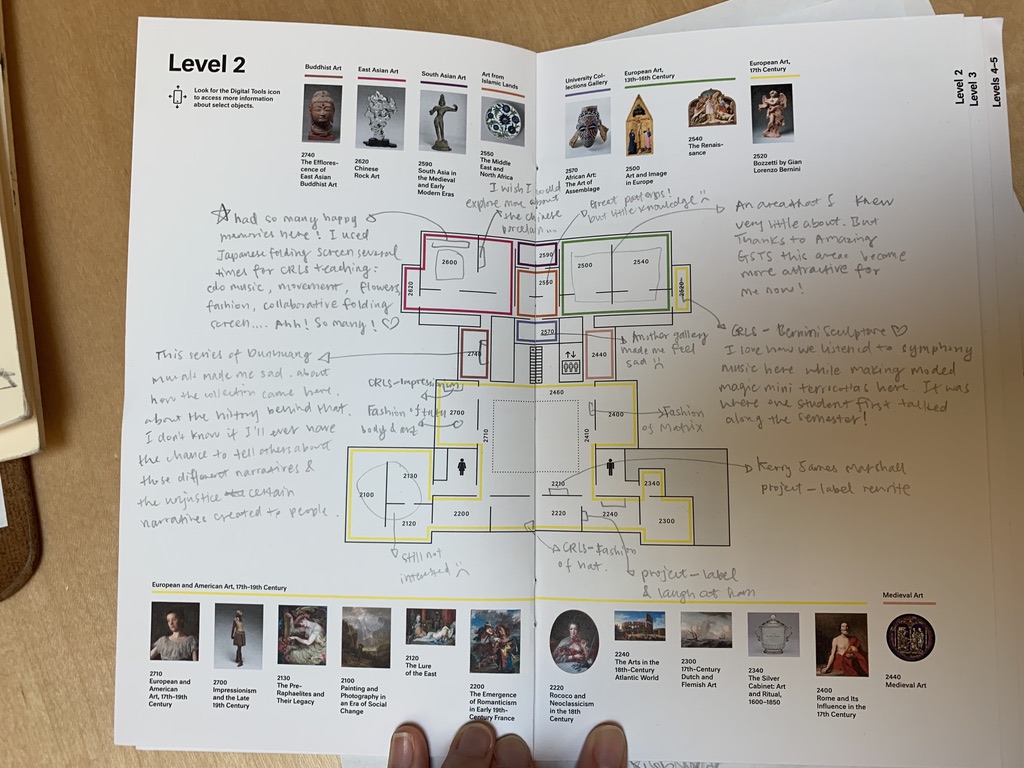
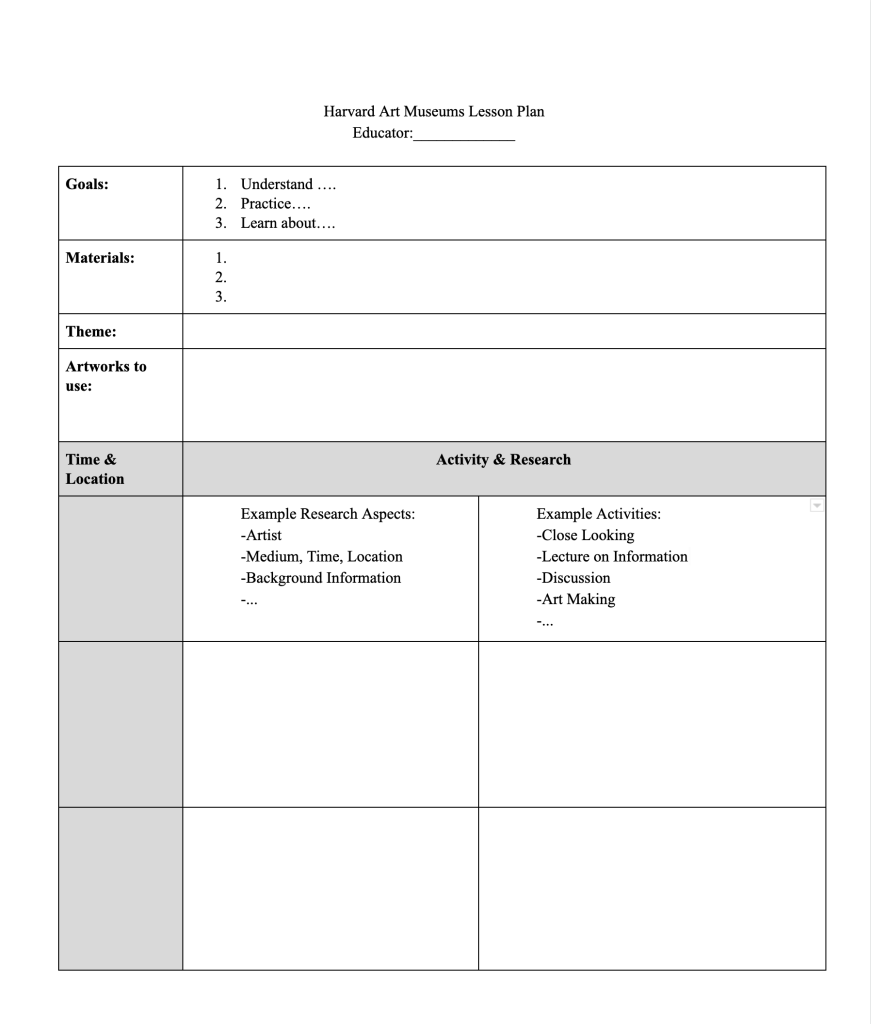
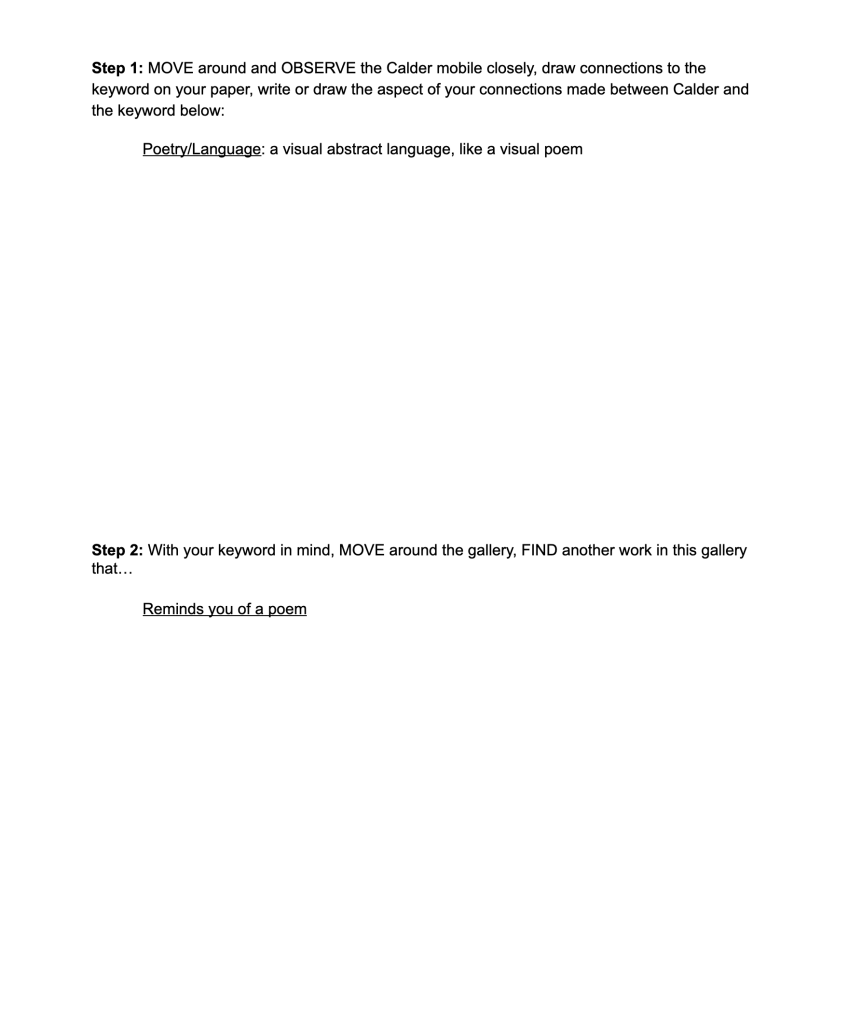
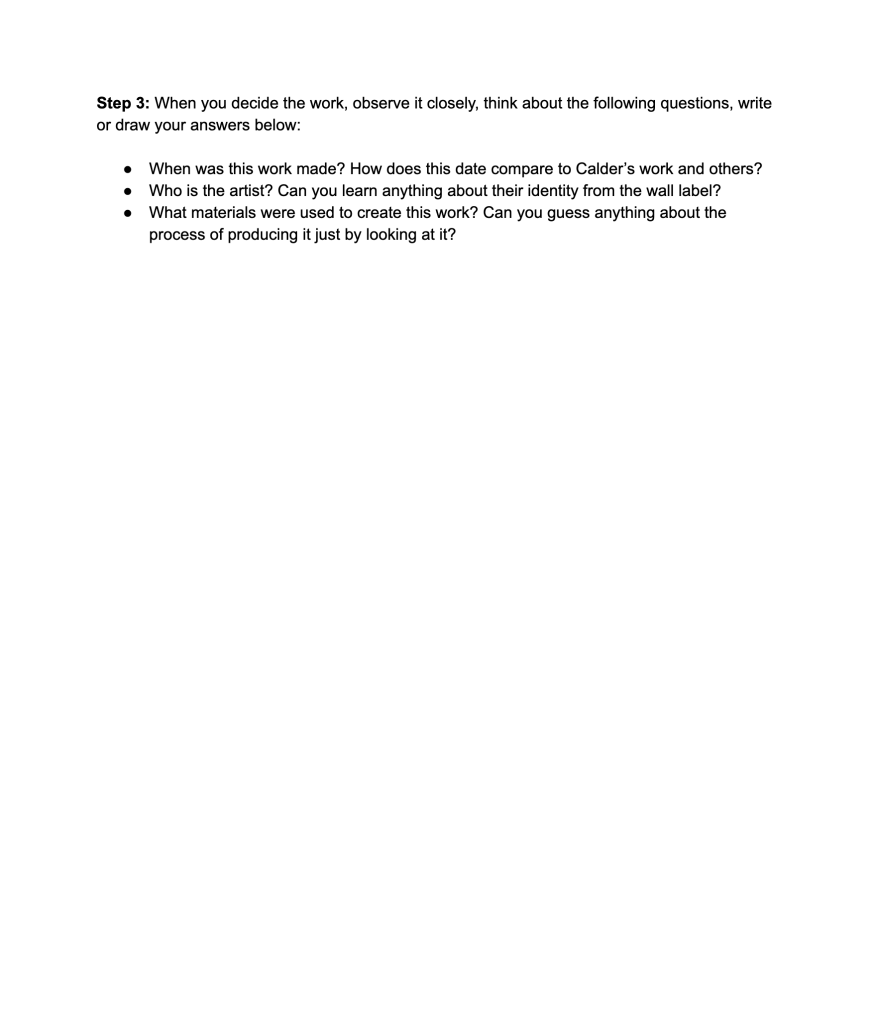
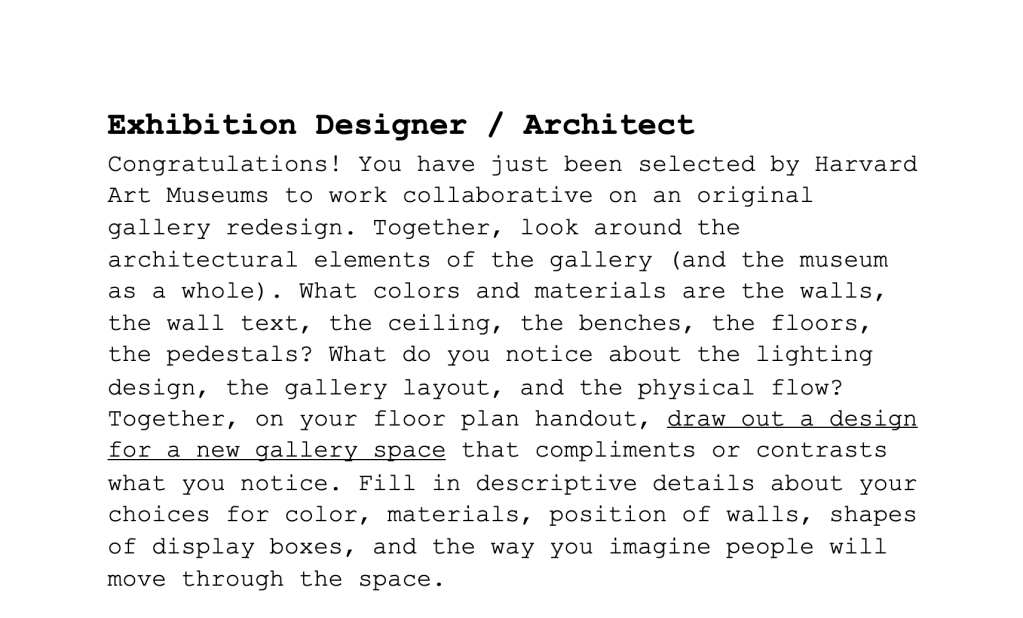
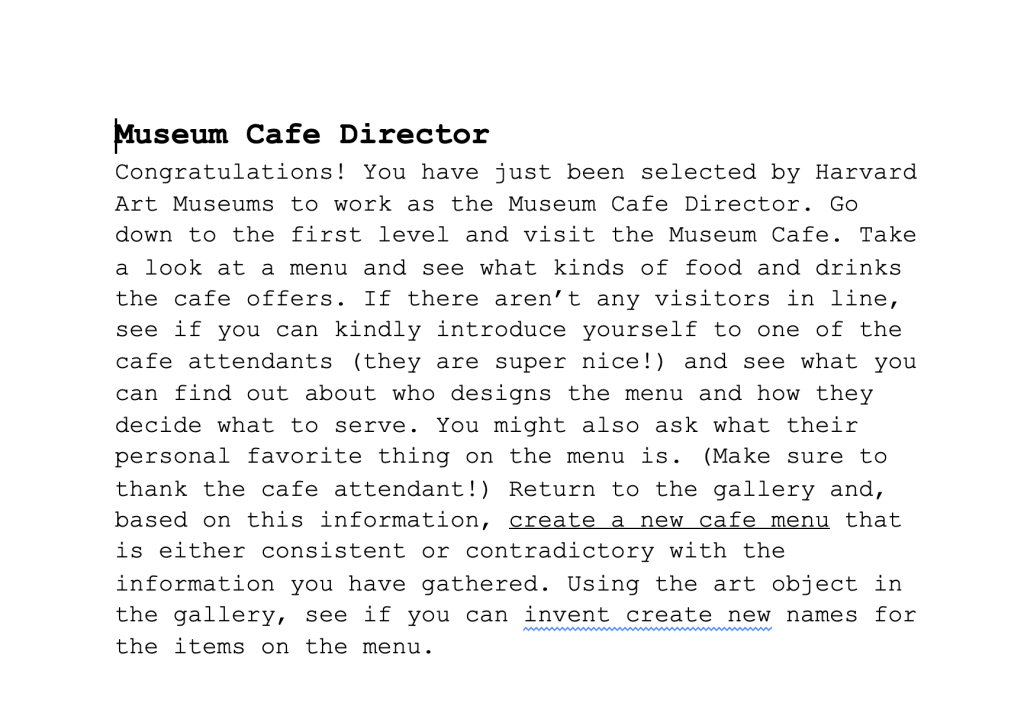
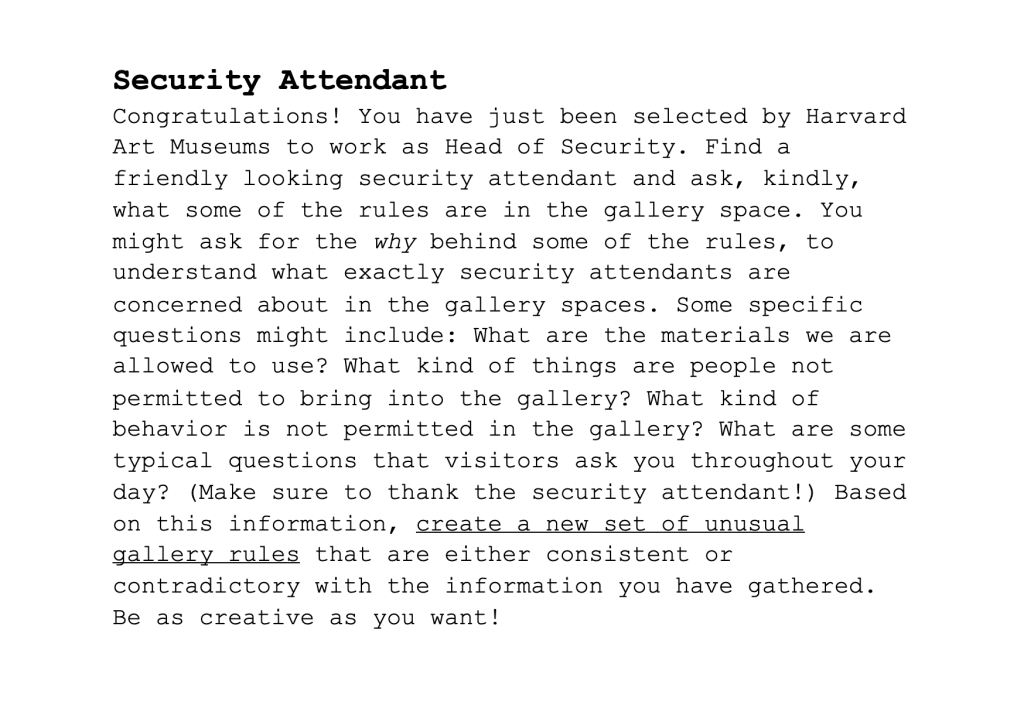
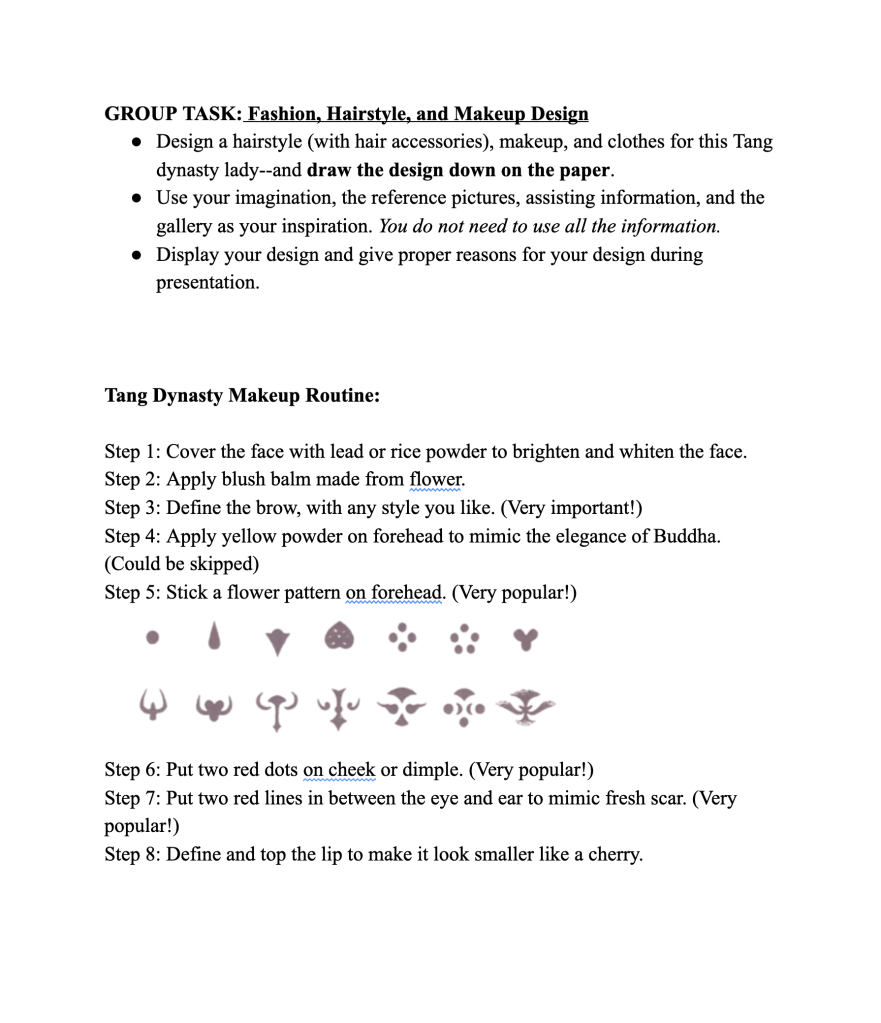
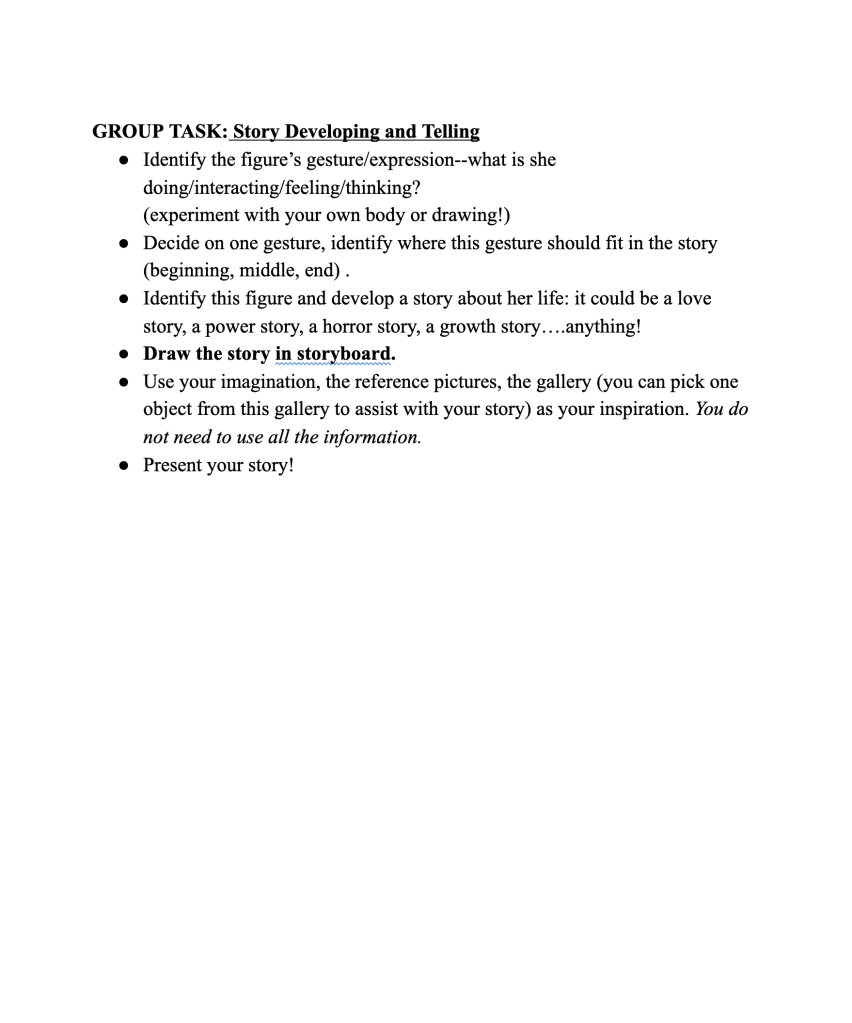
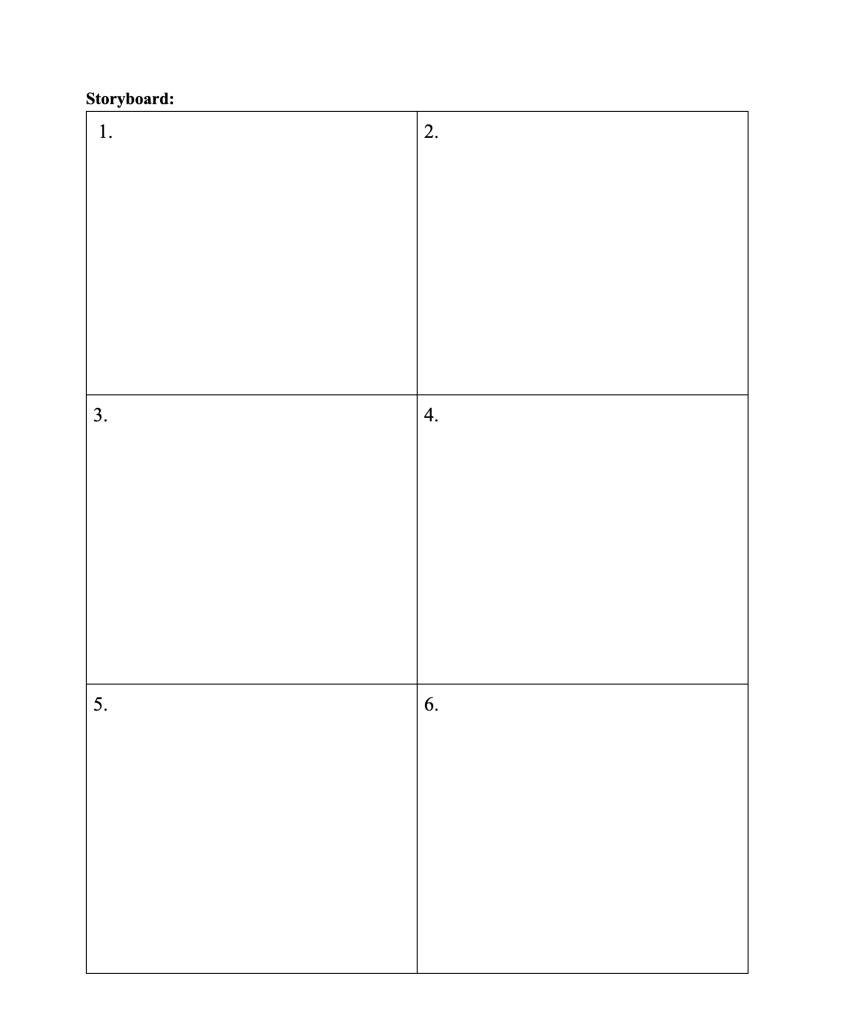
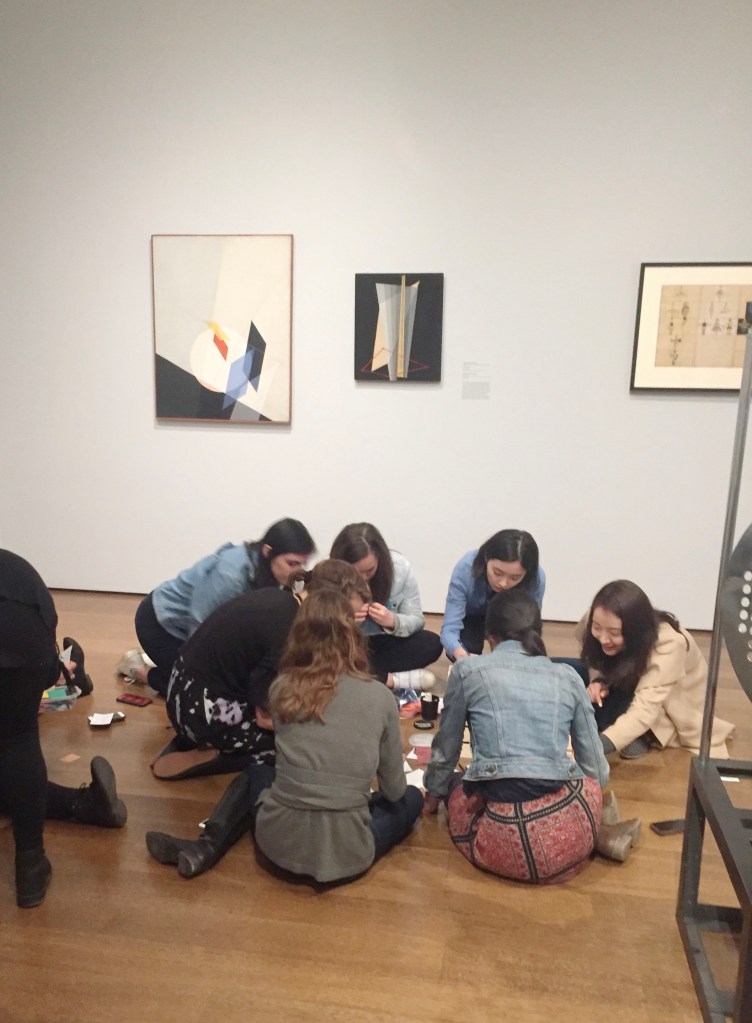
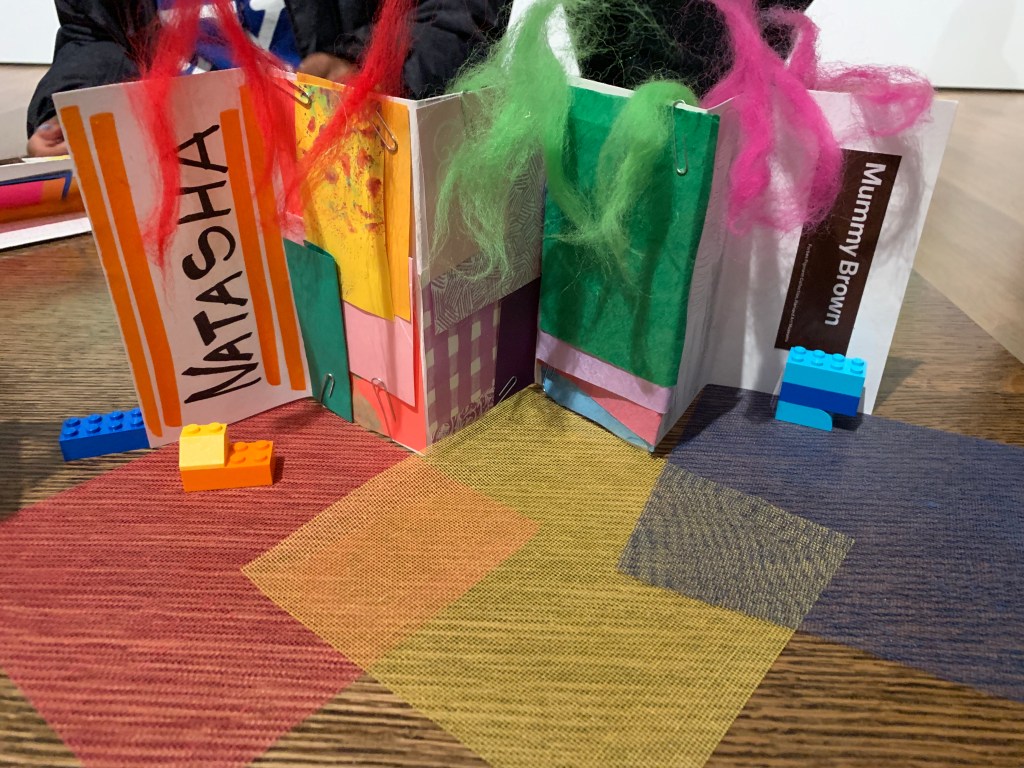
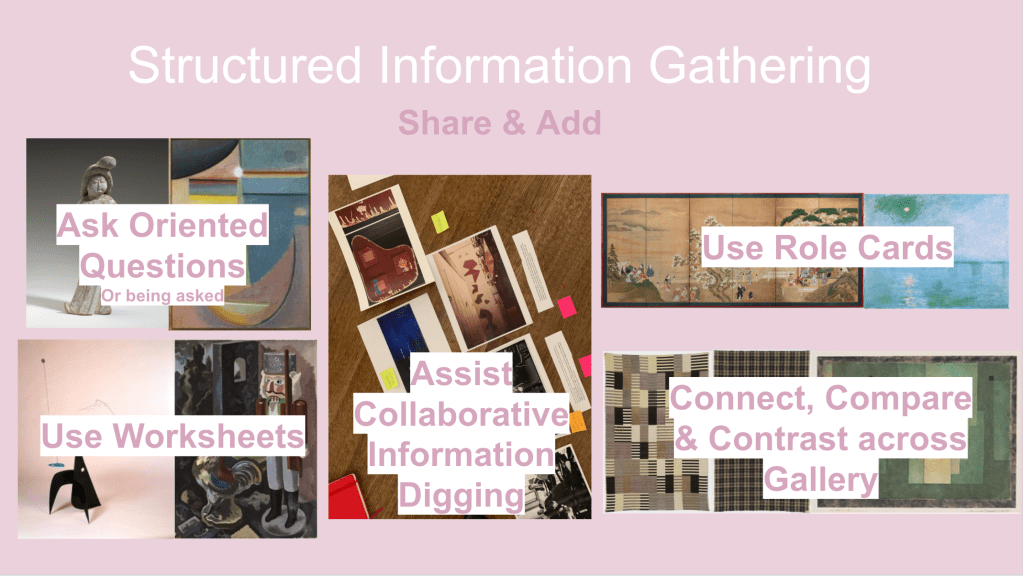
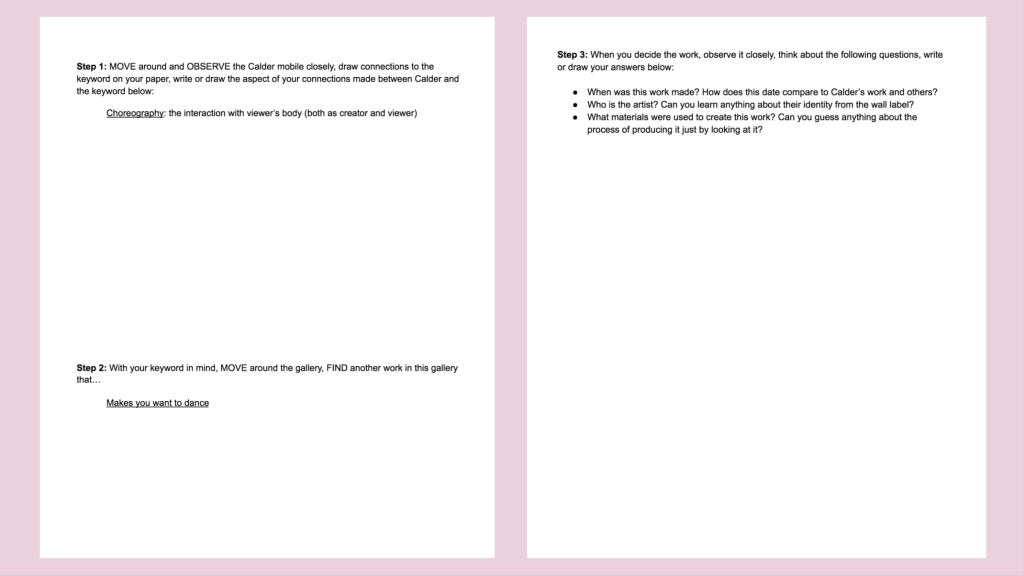
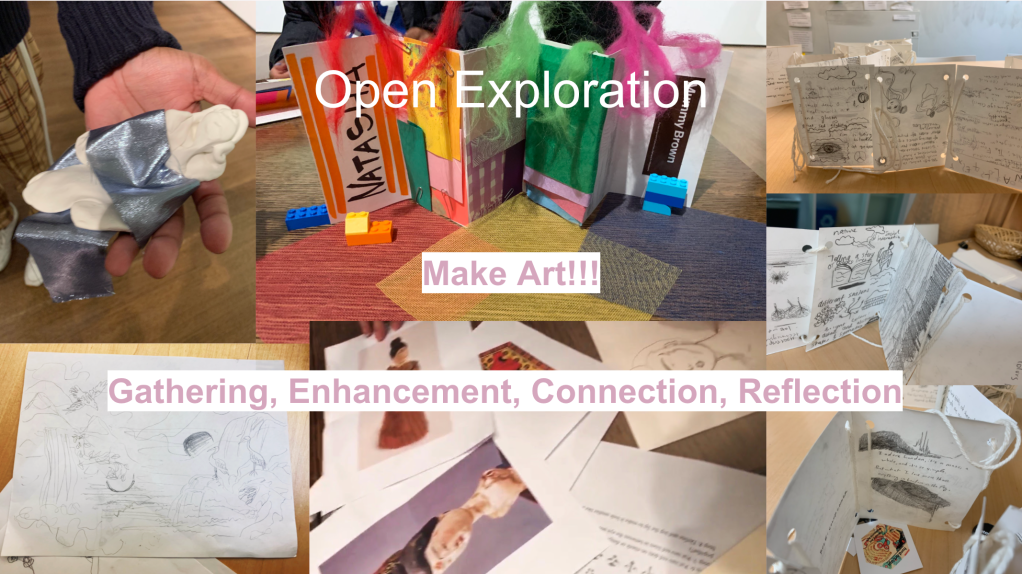
In this process, we also experimented with many creative approaches of museum education, including museum-staff-role-play games (in which students can select a museum staff role and to rethink and recreate certain aspects the museum from this selected-perspective), observation card games (in which students would observe the artwork guided by certain rules, such as close look or far away look or color look), multi-sensory learning (especially using music to aid understanding), art-making in the gallery, etc. Most of the strategies we used were developed based on Object-based Learning, Visual Thinking Strategies and Slow Looking Thinking Routines.
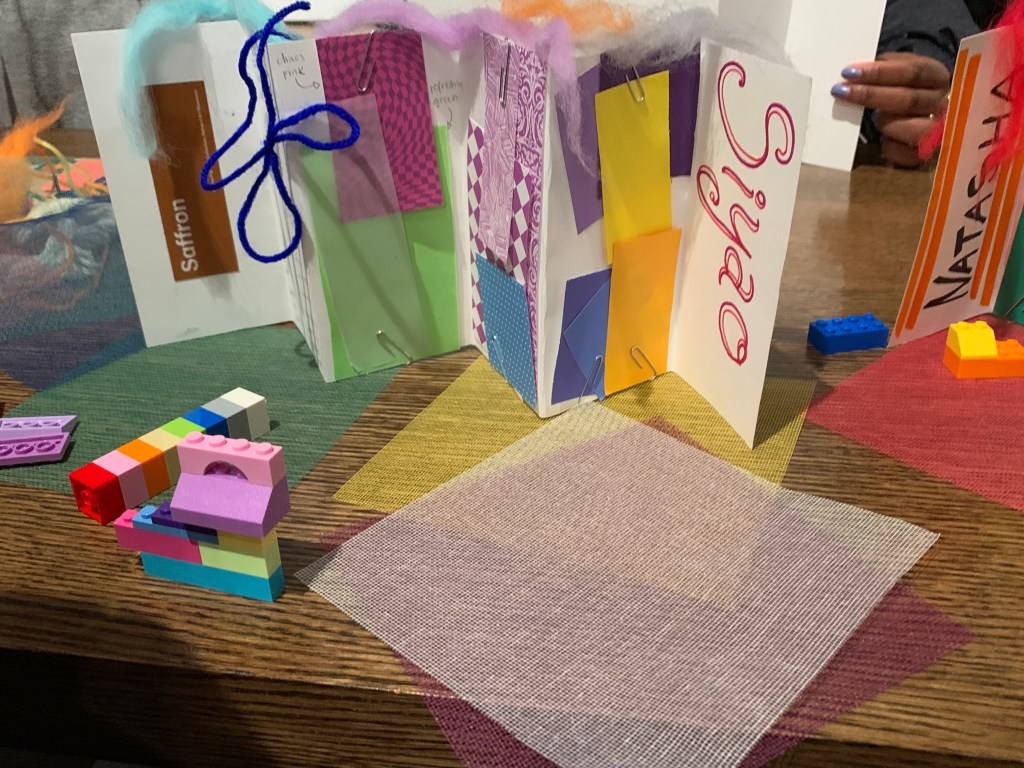
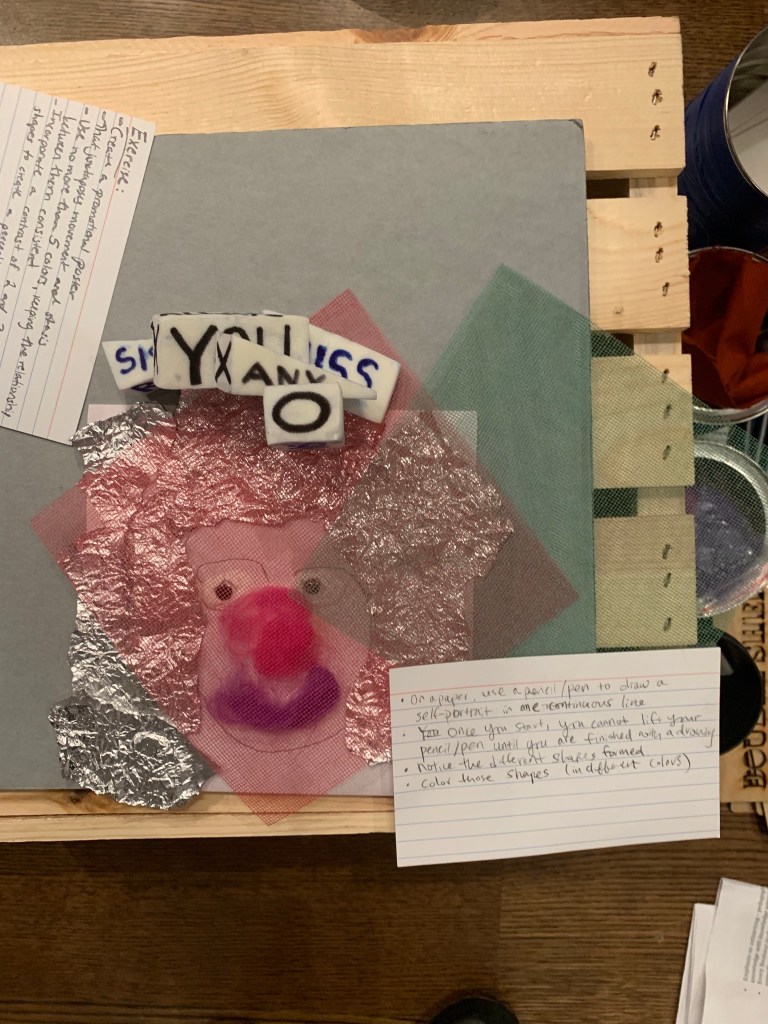
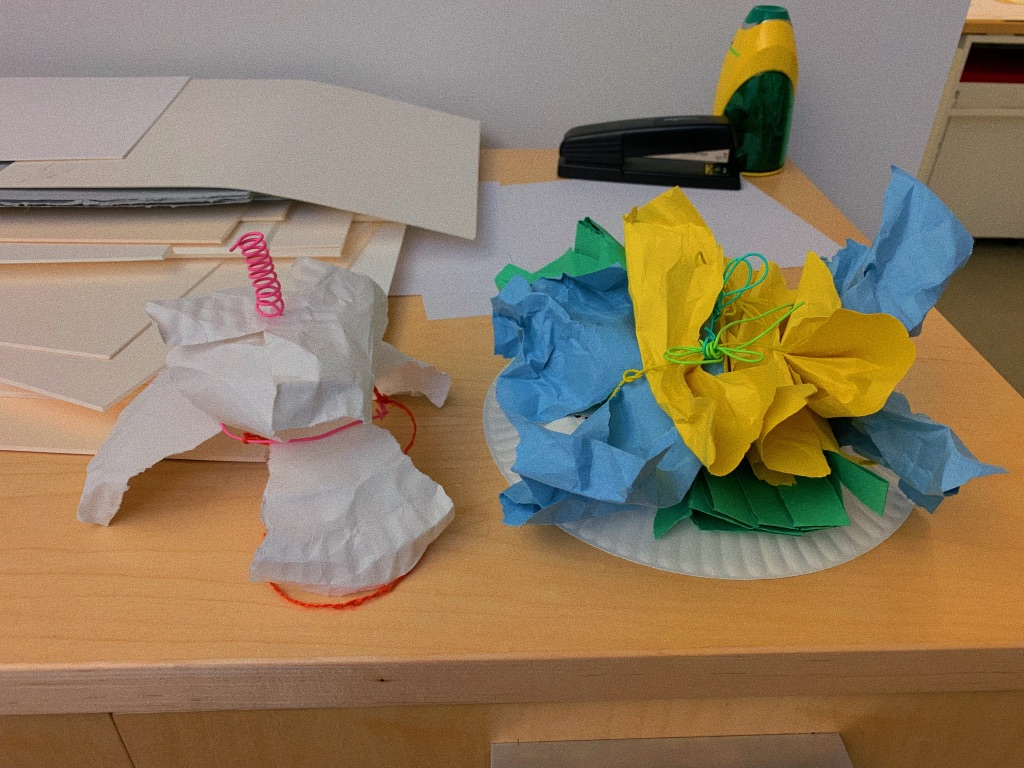
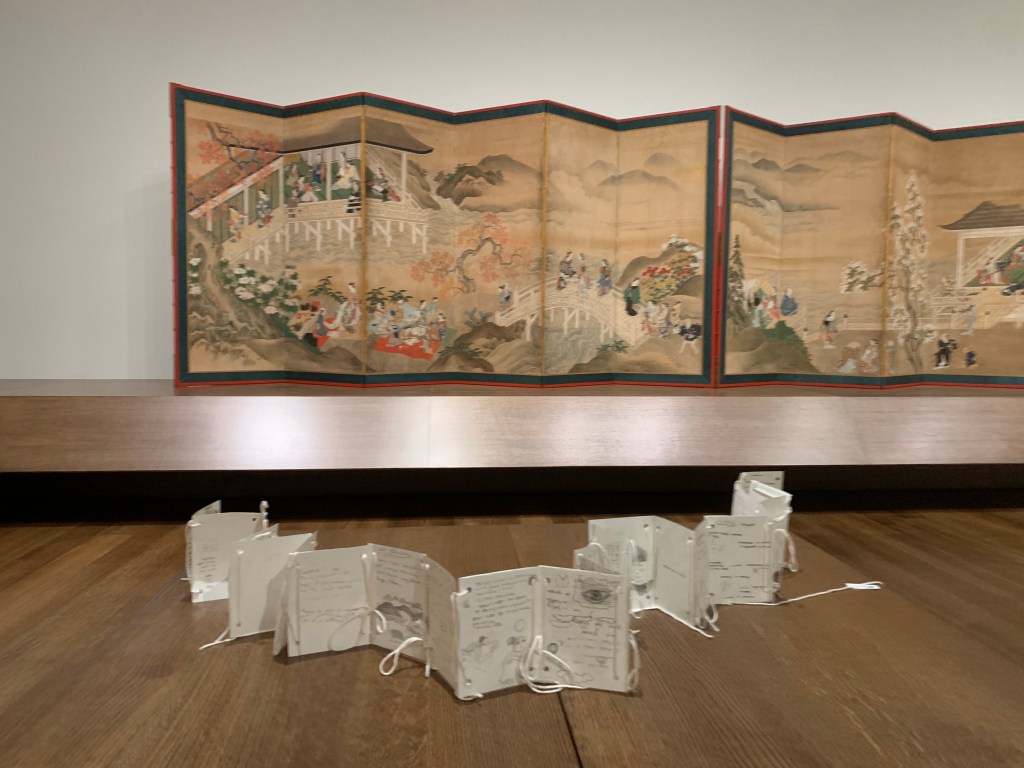
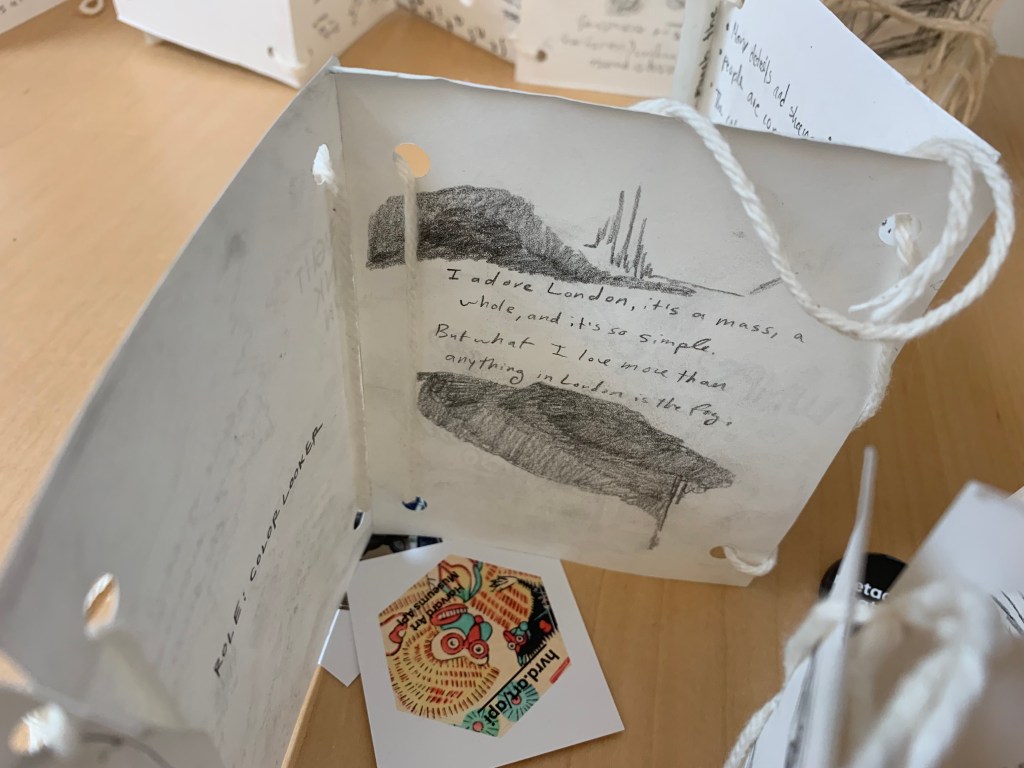
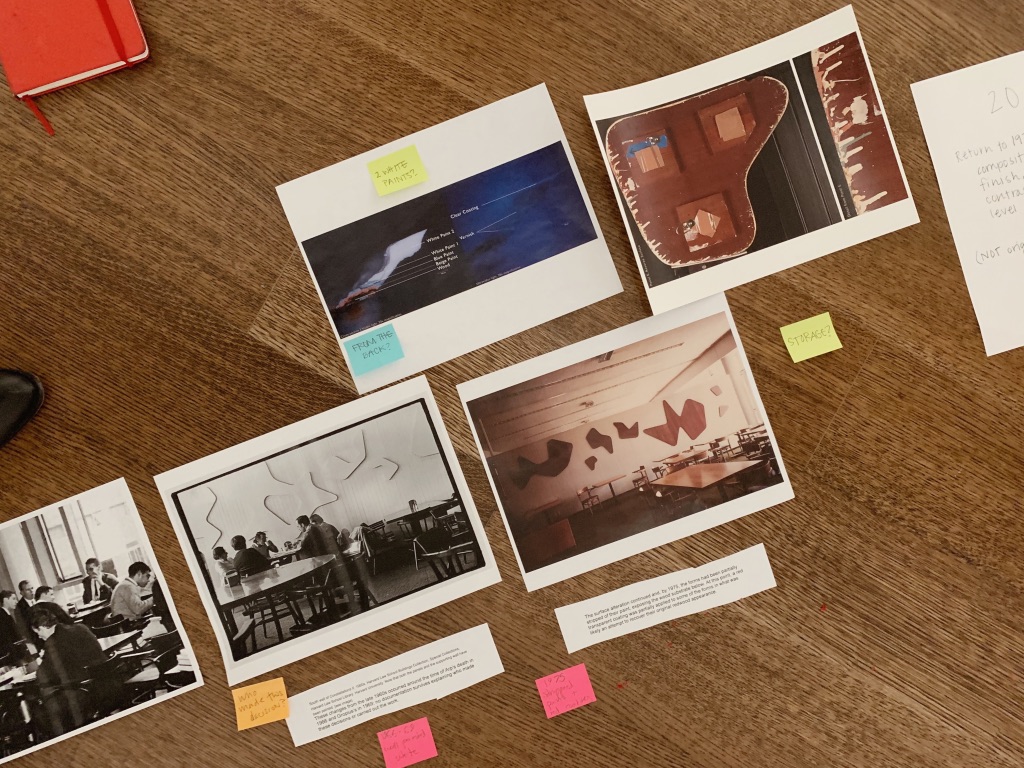
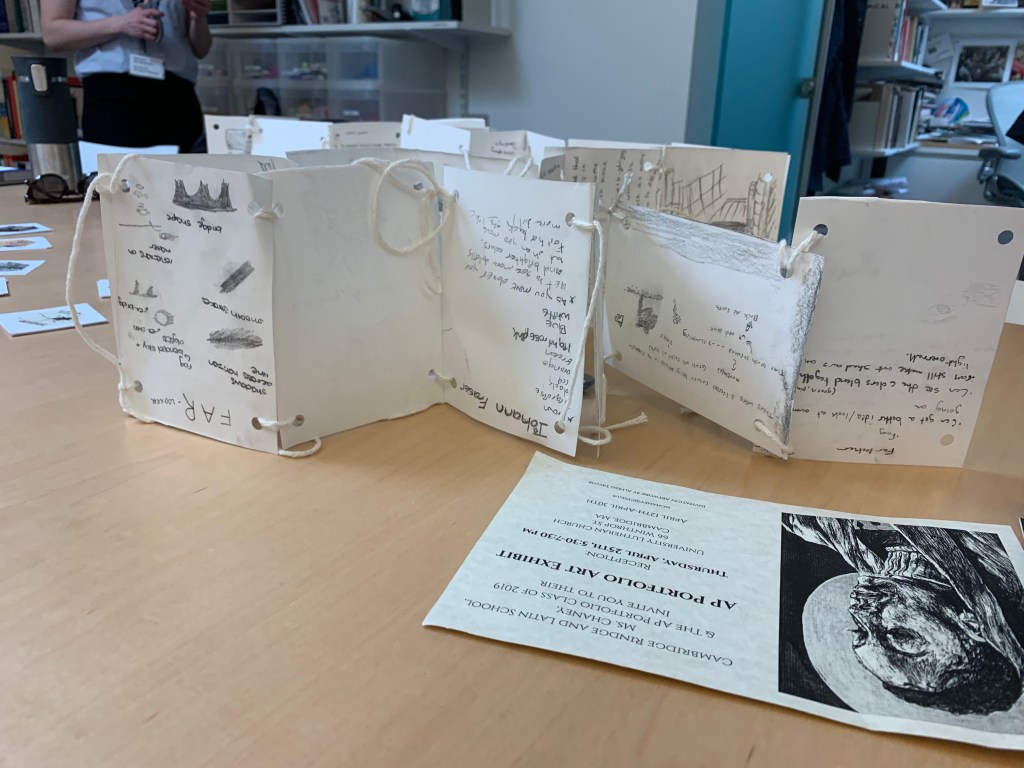
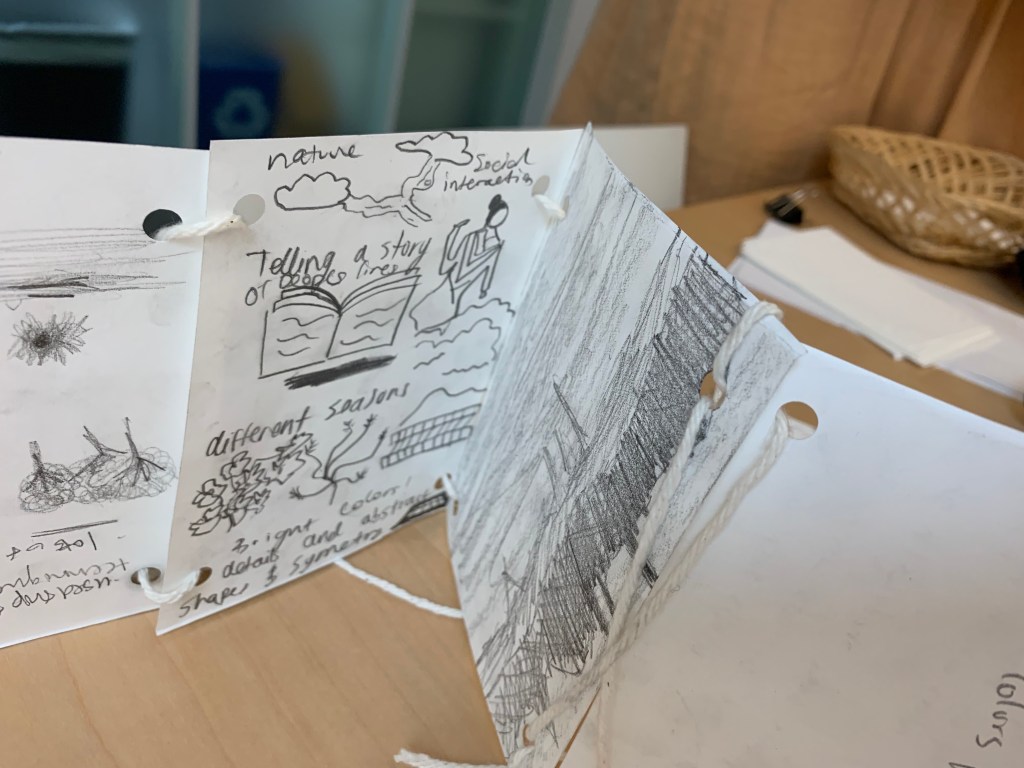
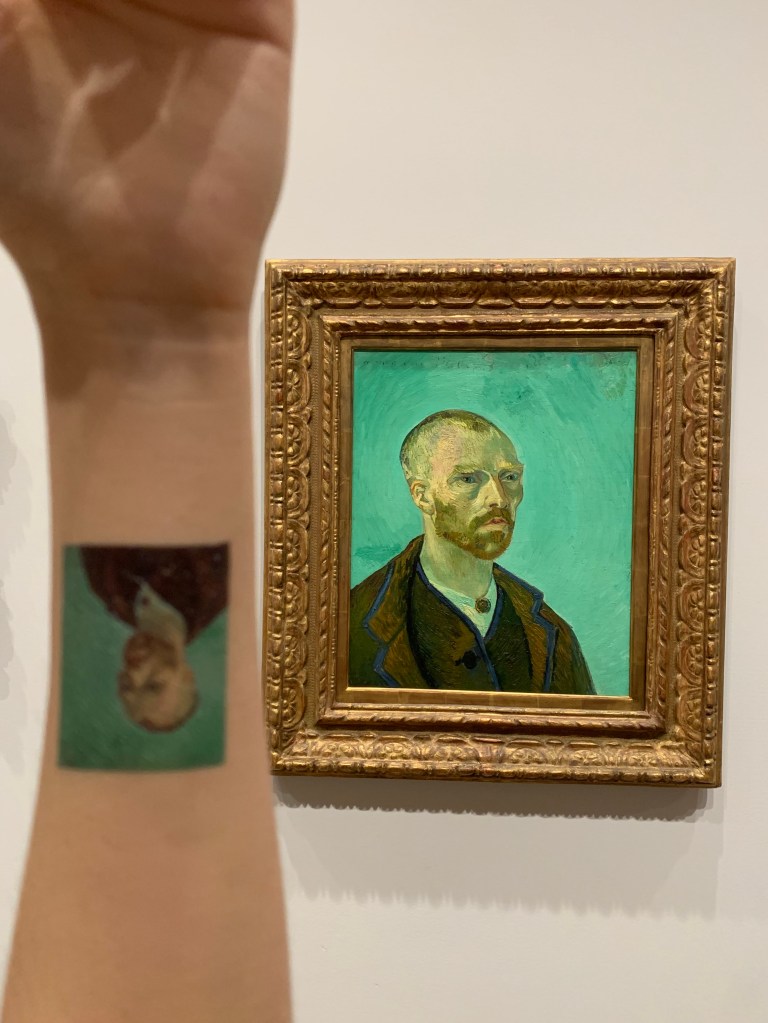
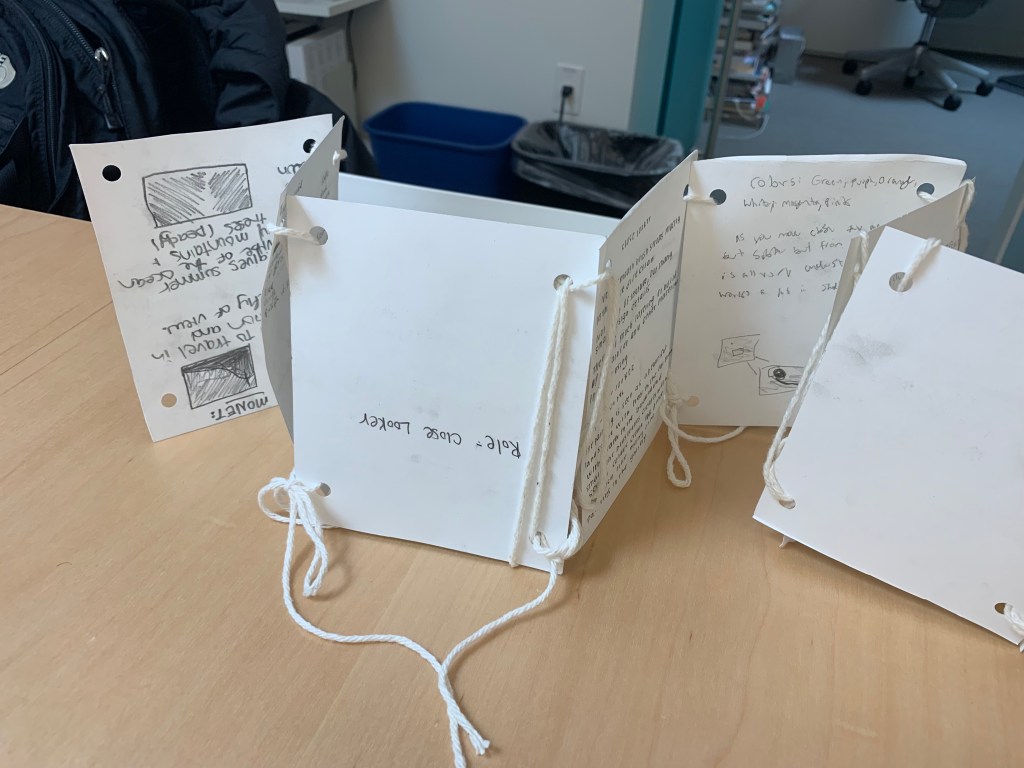
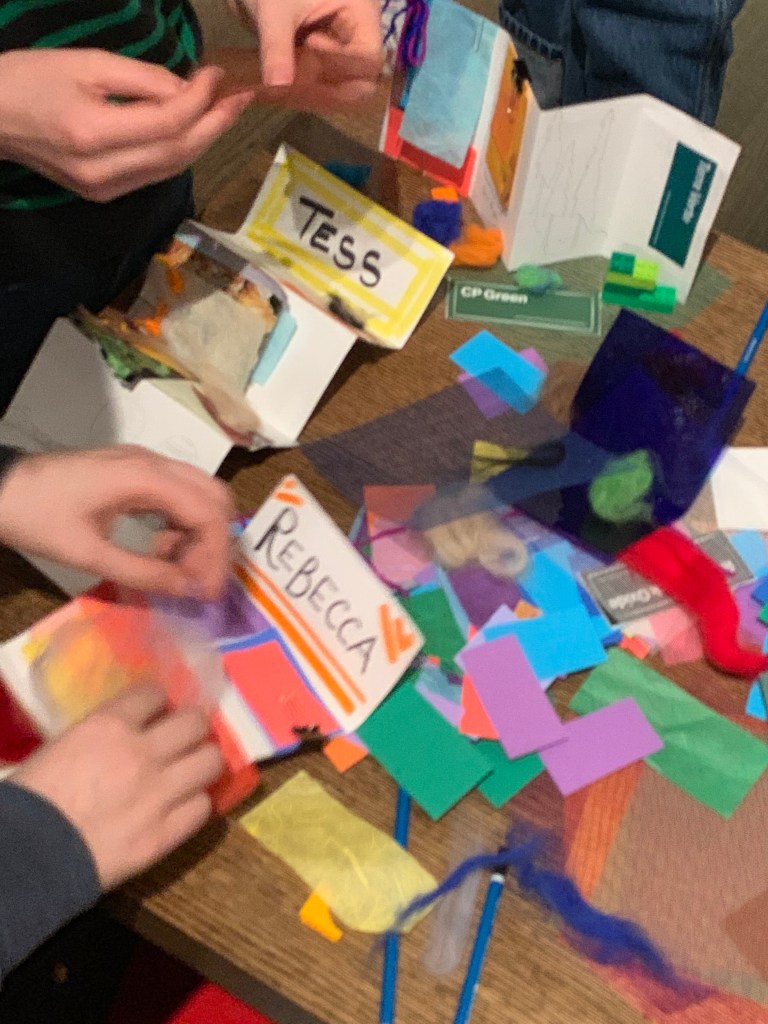
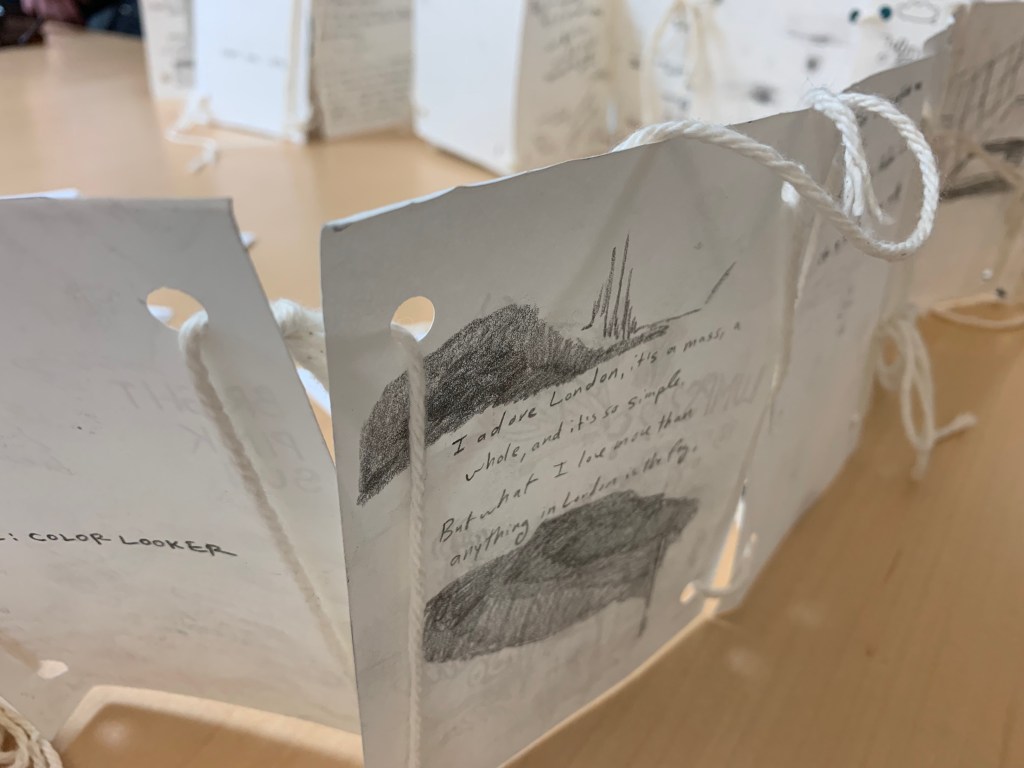
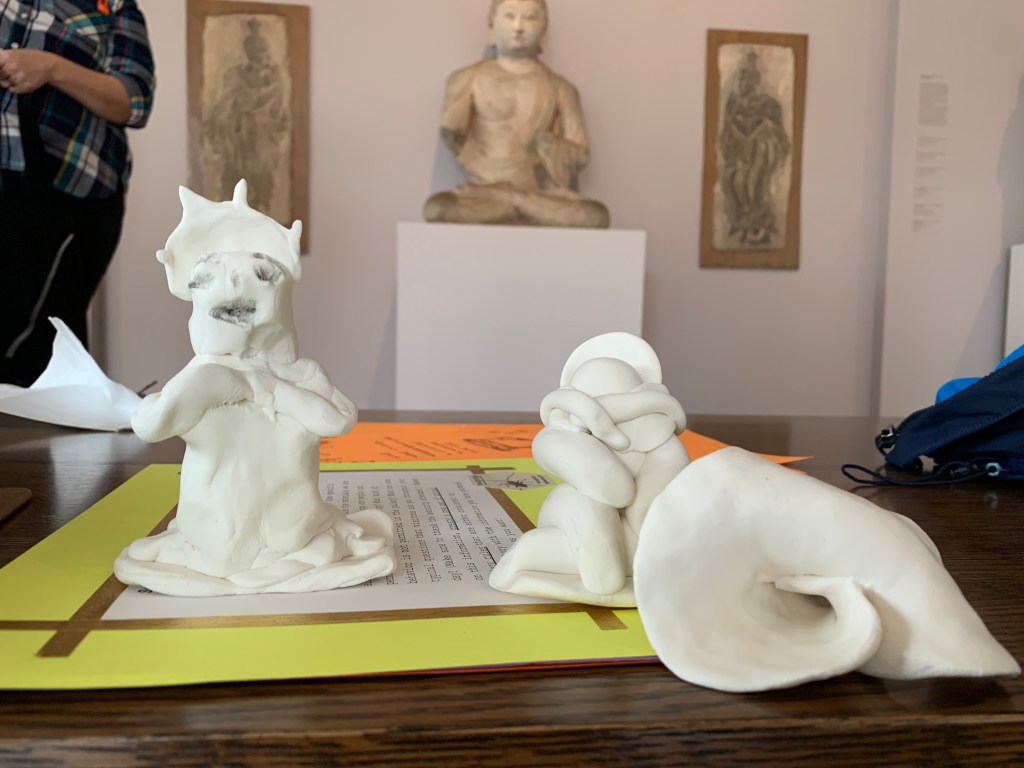
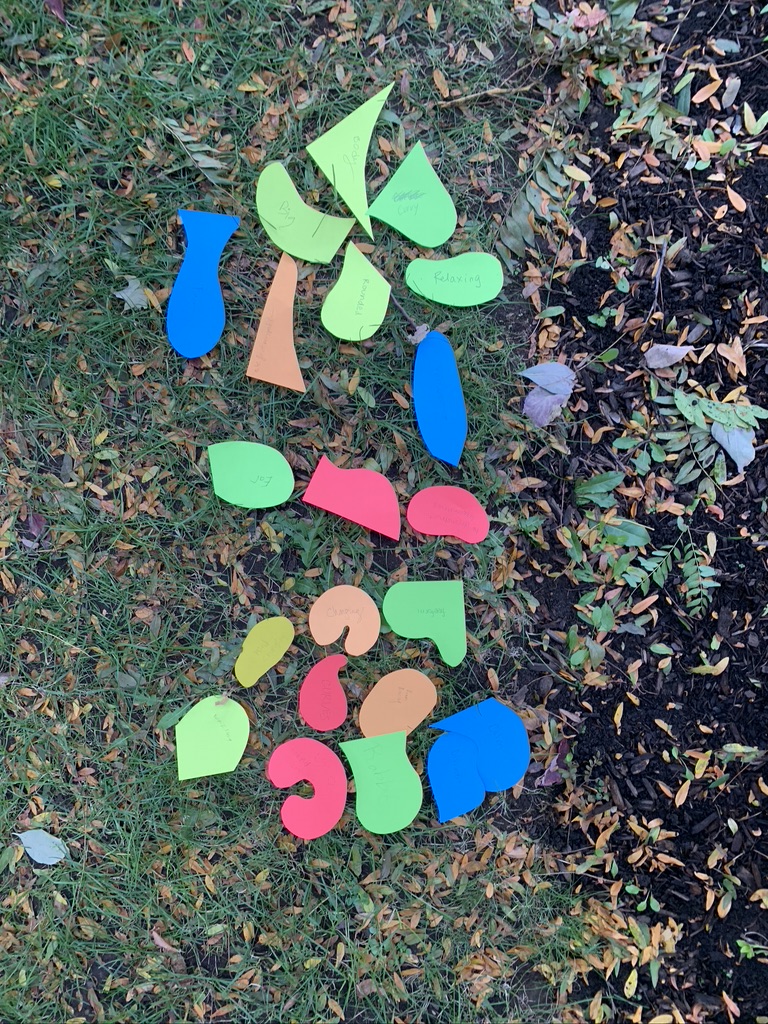
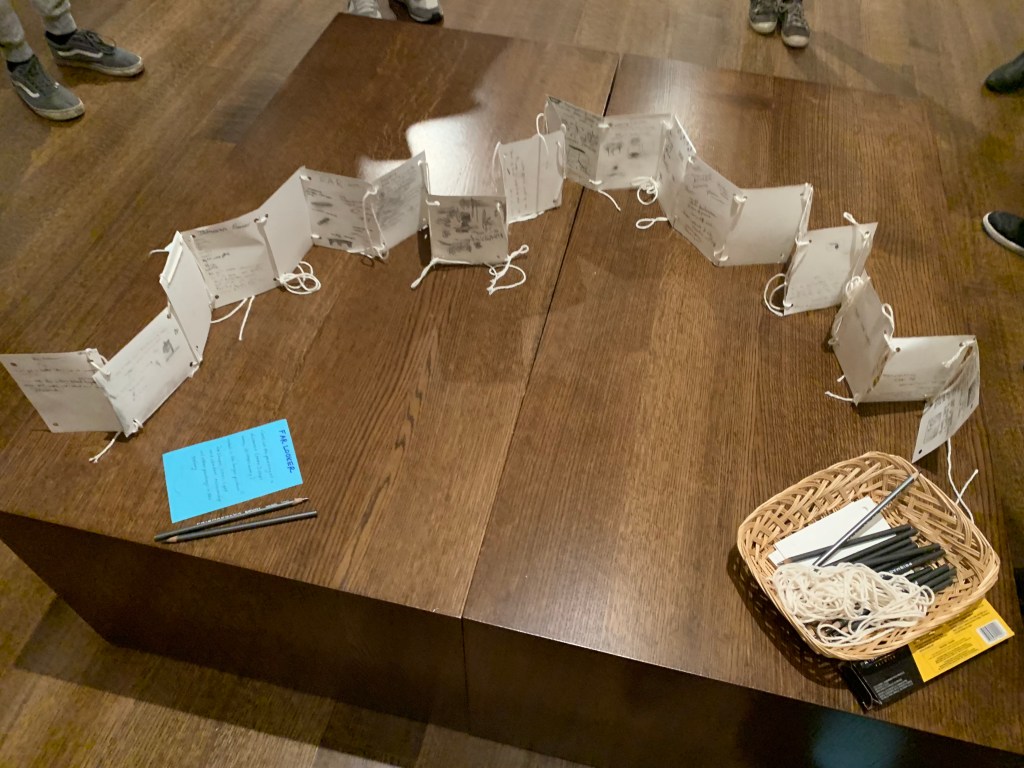
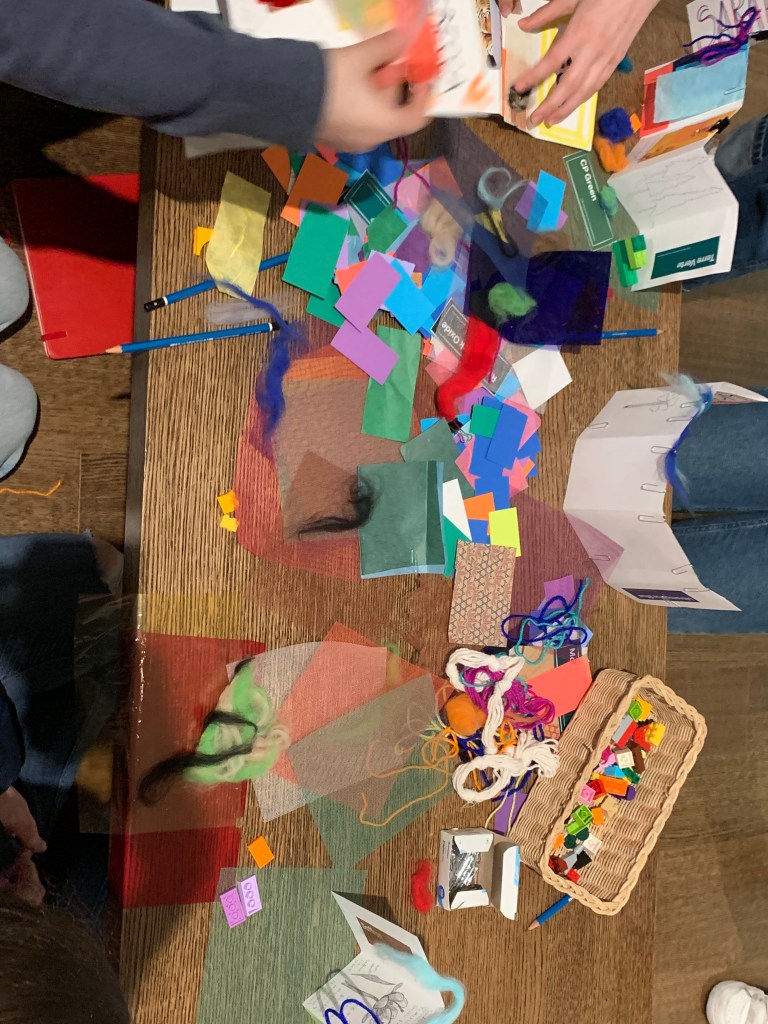
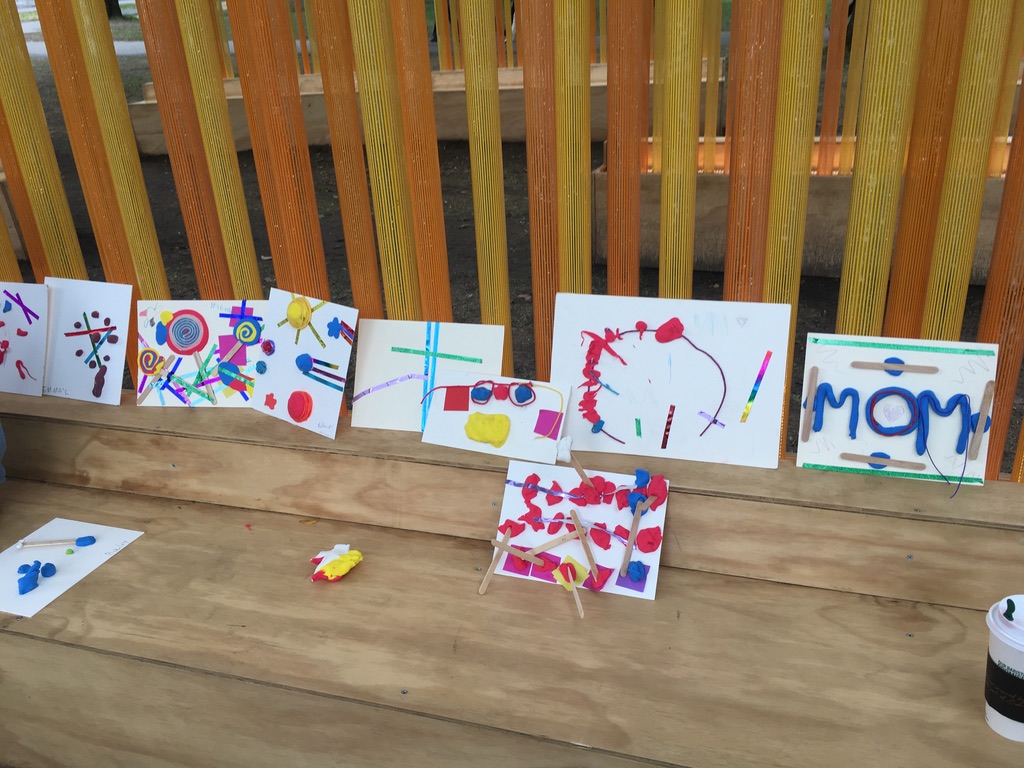
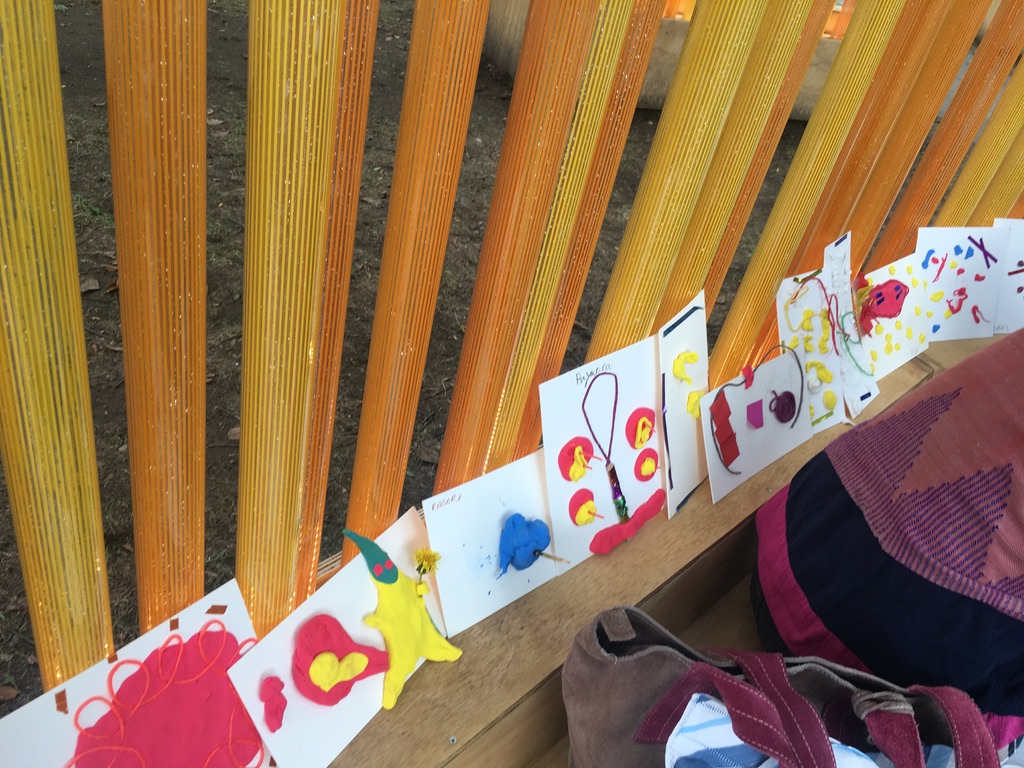
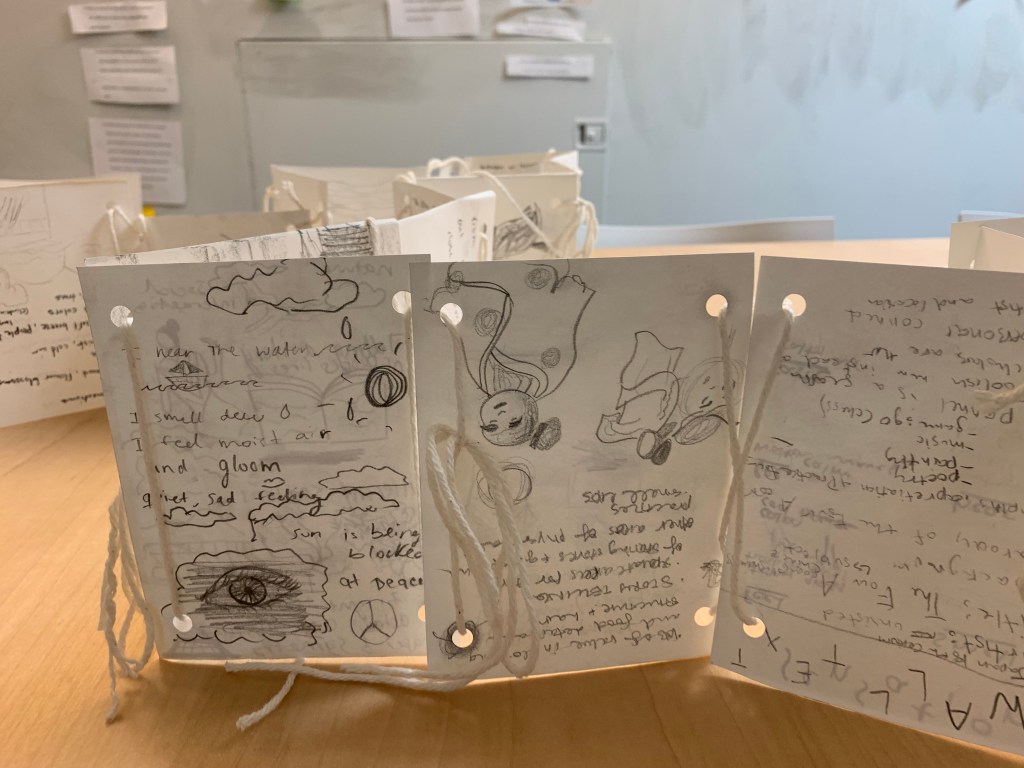
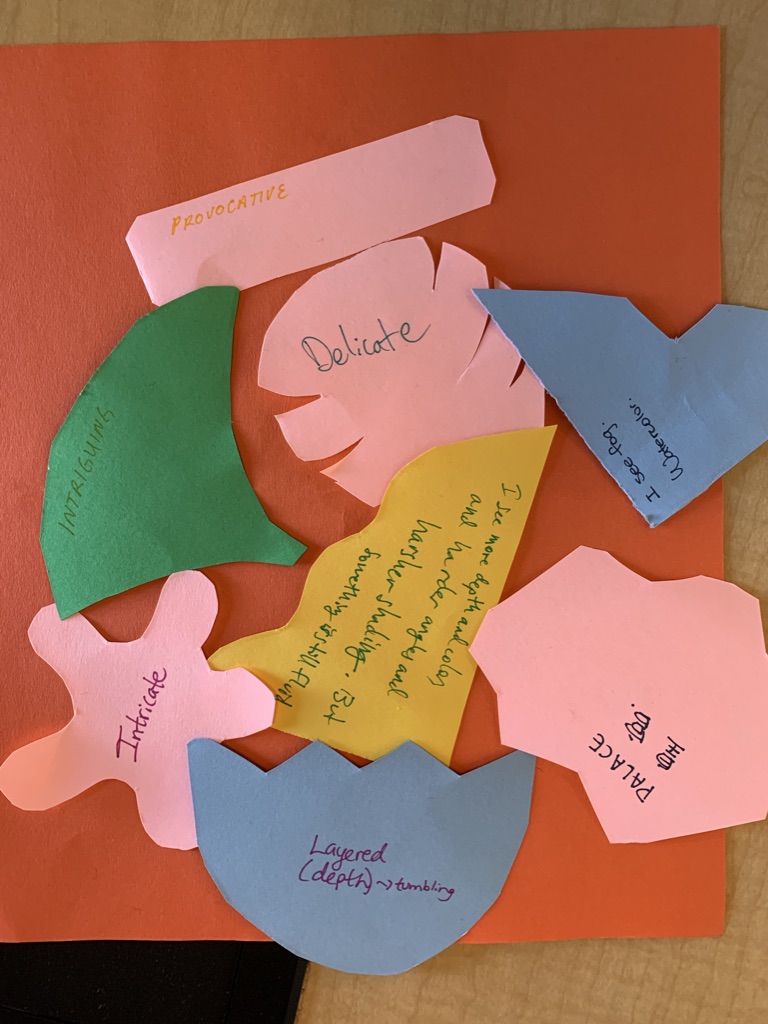
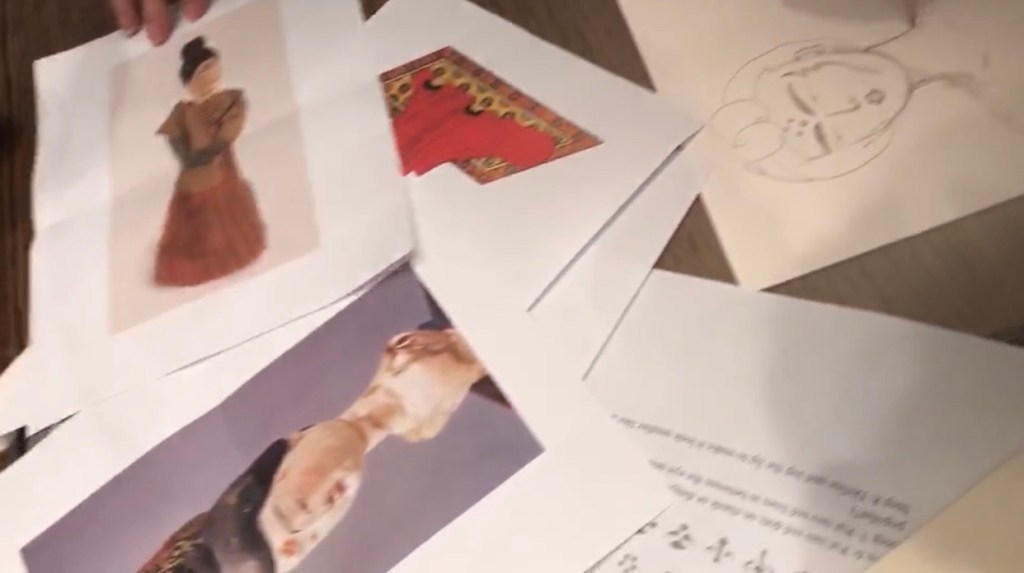
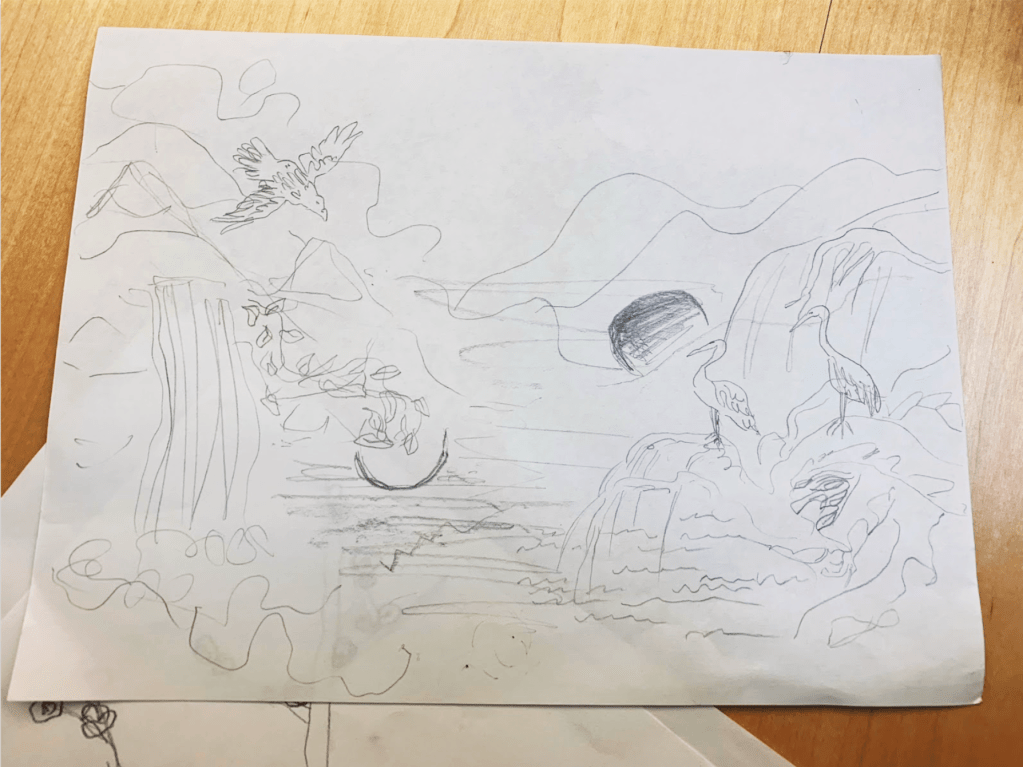
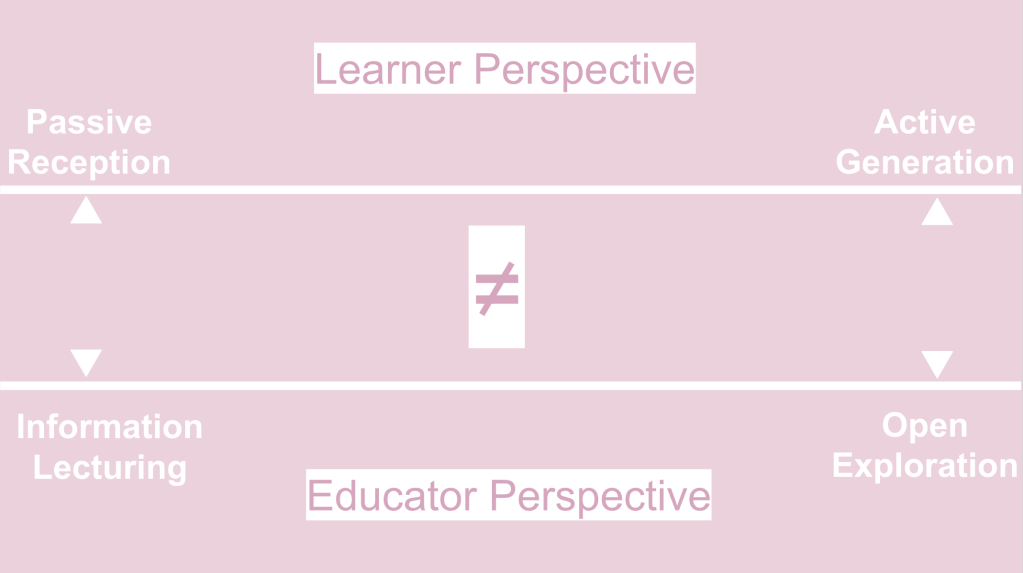
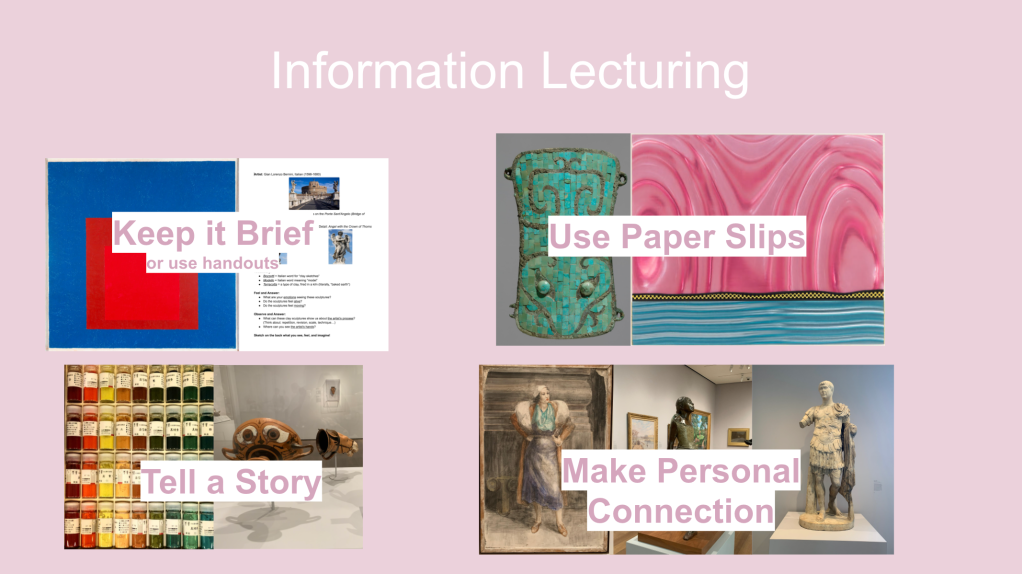
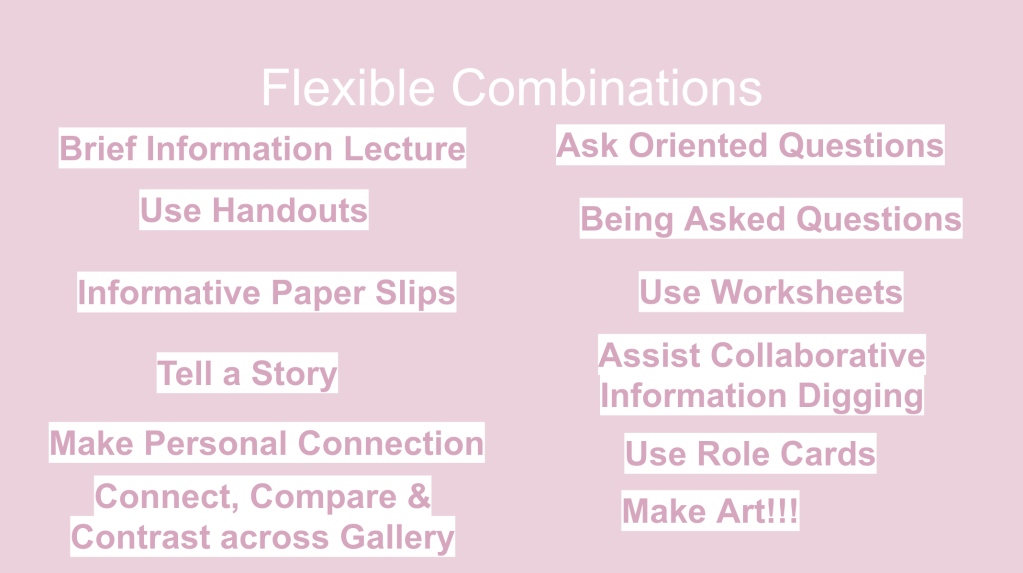
Besides gallery teaching with high school students, we also constantly improved our lesson designing and teaching skills by leading peer gallery lessons and critics. For my two turns, I selected works from the Chinese gallery and led the discussions about the Tang dynasty female figures as well as Neo-lithic mysteries. For the final conclusive presentation of this GST experience at HAM, I concluded a toolkit for gallery information delivery which you could see below (copyright reserved).
 SIYAO LYU