- Project Type: Professional Project with TOSEE ART EDUCATION
- Project Location: Red Brick Art Museum 红砖美术馆, Beijing, China
- My Role in the Team: Project Leader & Manager / Main Content Contributor / Gallery Teacher
- Team member(s): Bing Meng (visual designer)
- Photos credit to: Siyao Lyu, Xiu Yao, Ziyi Zhao
This was a gallery teaching project developed to encourage audiences from different age groups to build personal connections with contemporary art through examining several contemporary artwork by various bodily senses. The project was themed as 2020+: Lab of Art and Life to be align with the exhibition theme, as well as encourage rigorous discussions about the meaning of art and life in the (maybe) post-pandemic time. The project was designed based on Object-Based Learning theory and Visual Thinking Strategy (VTS).
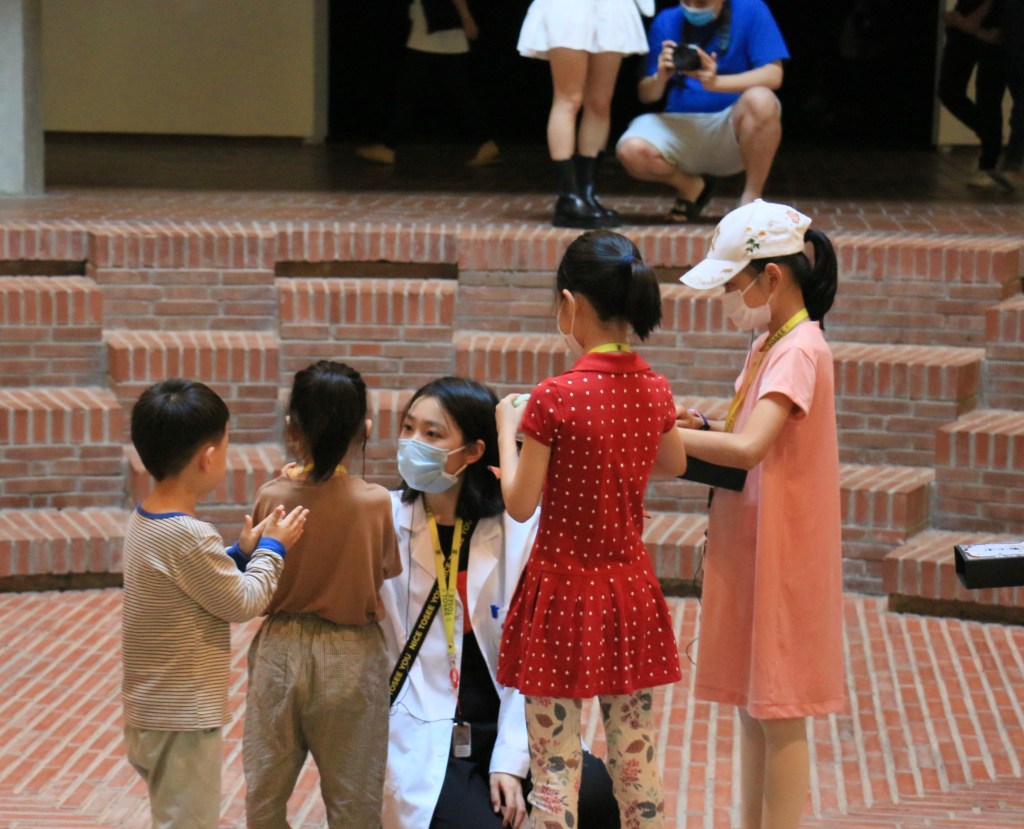
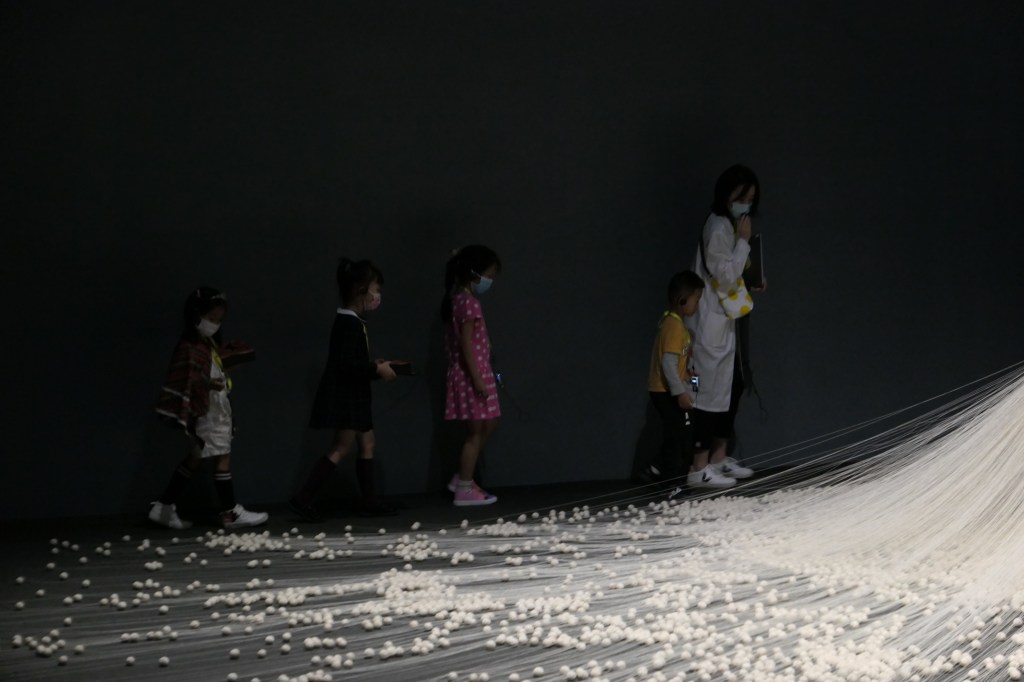
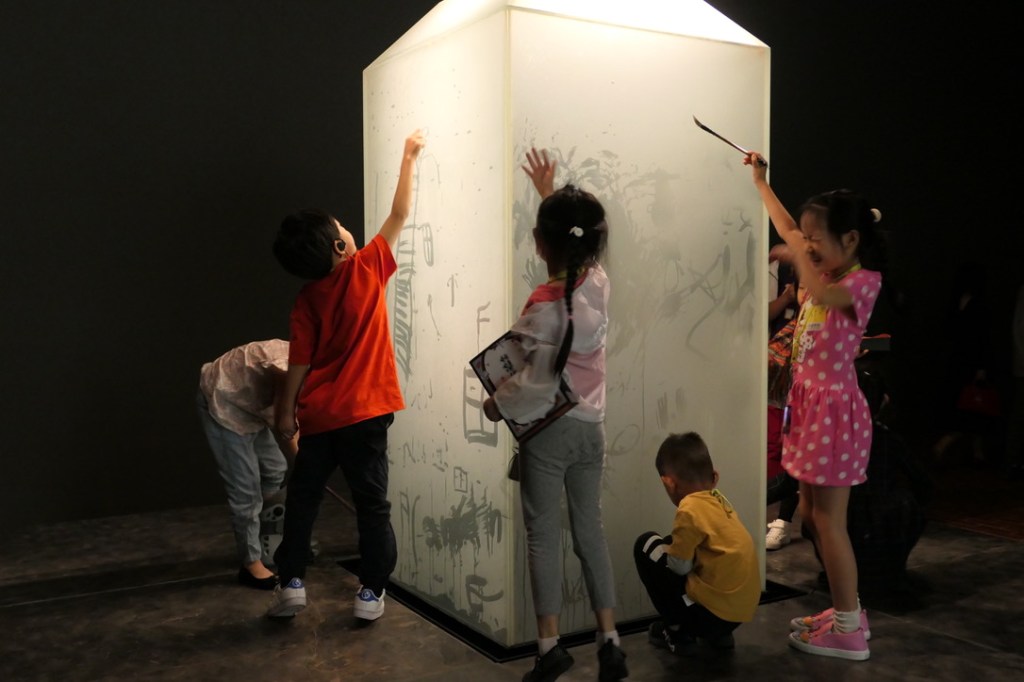
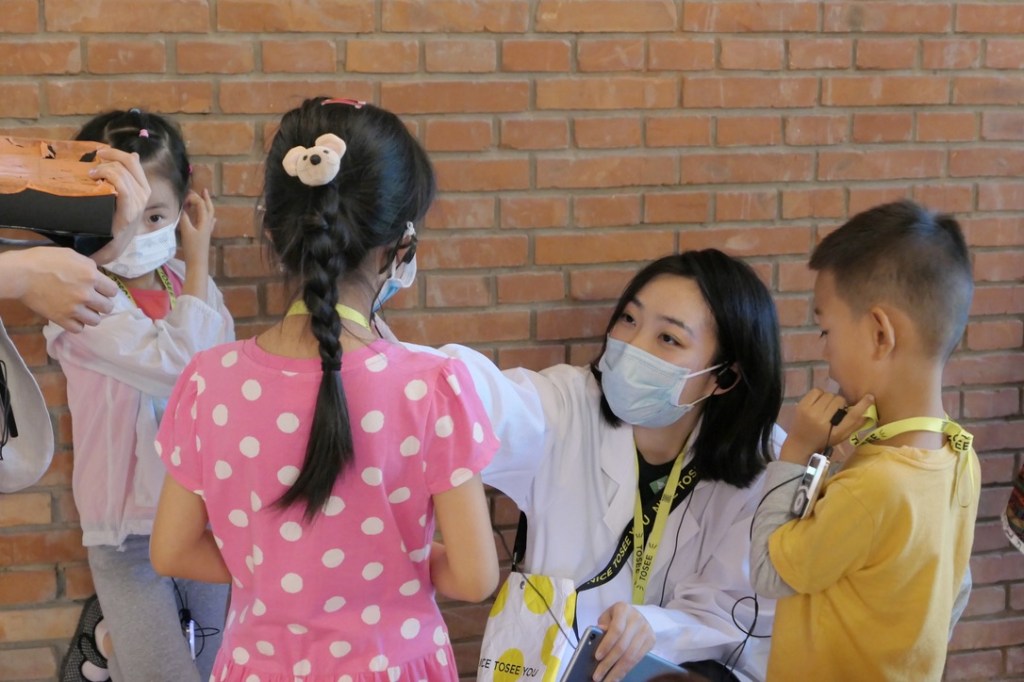
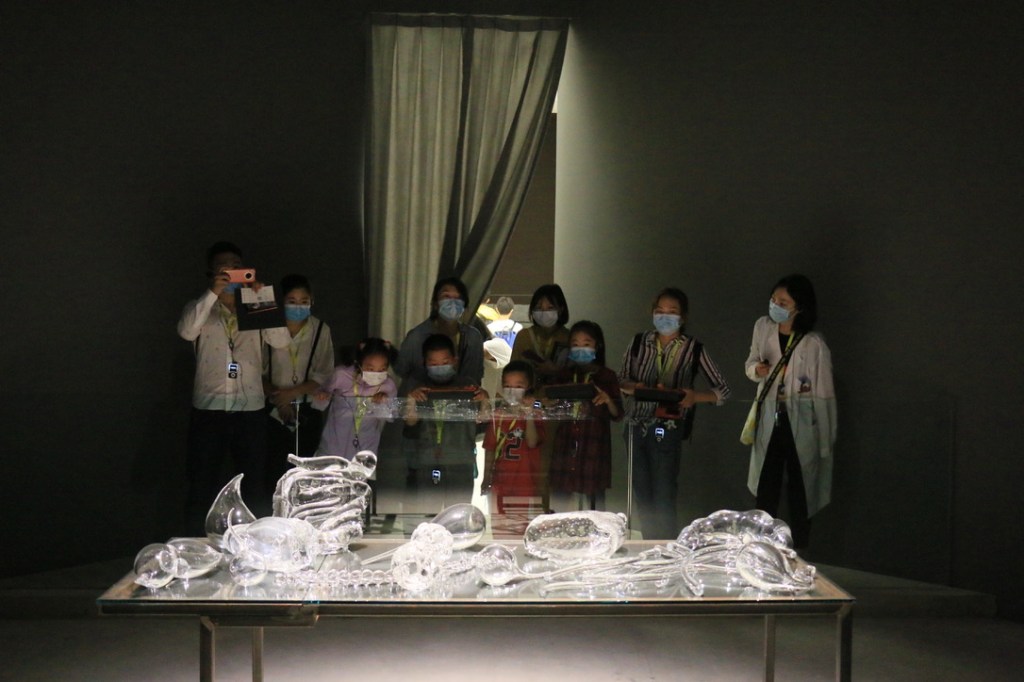
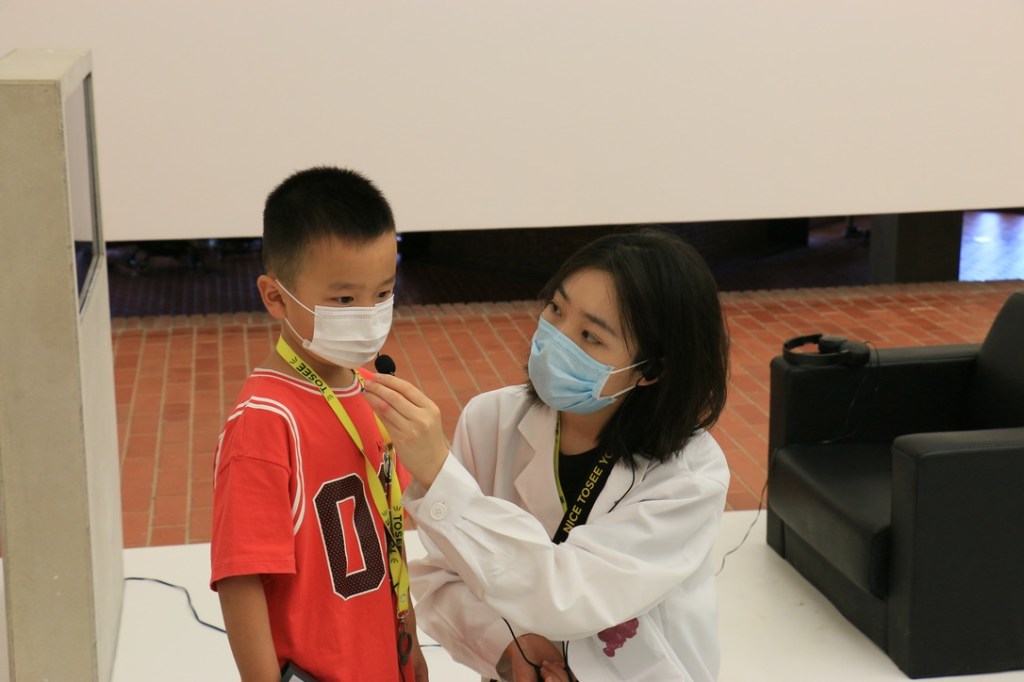
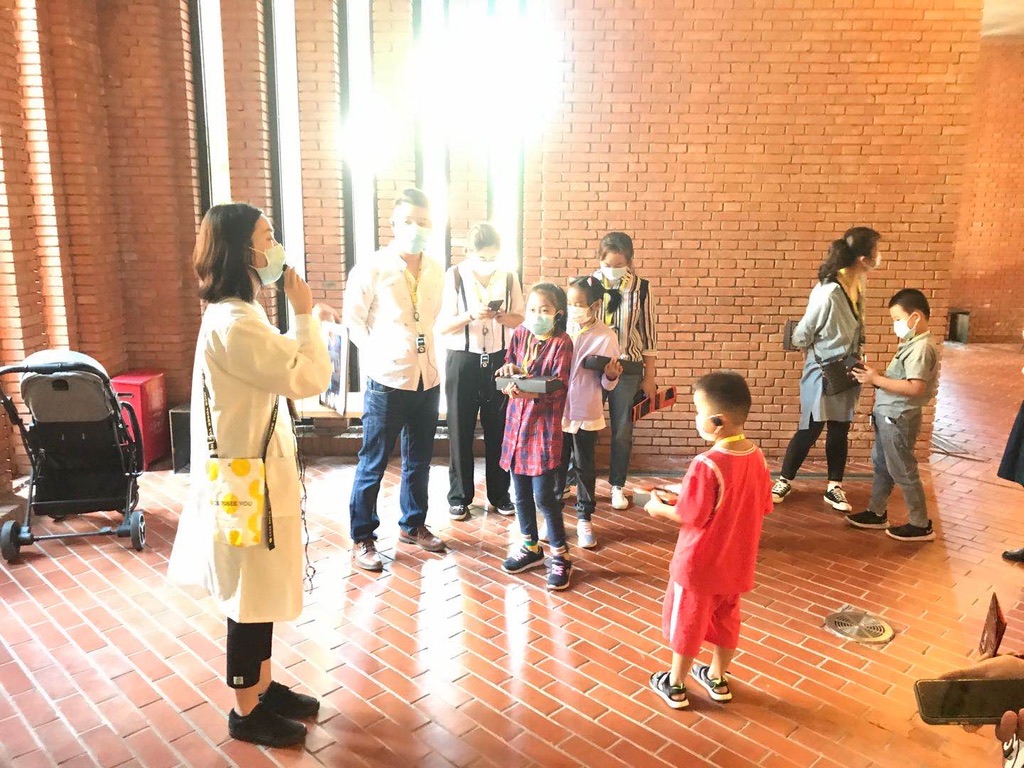
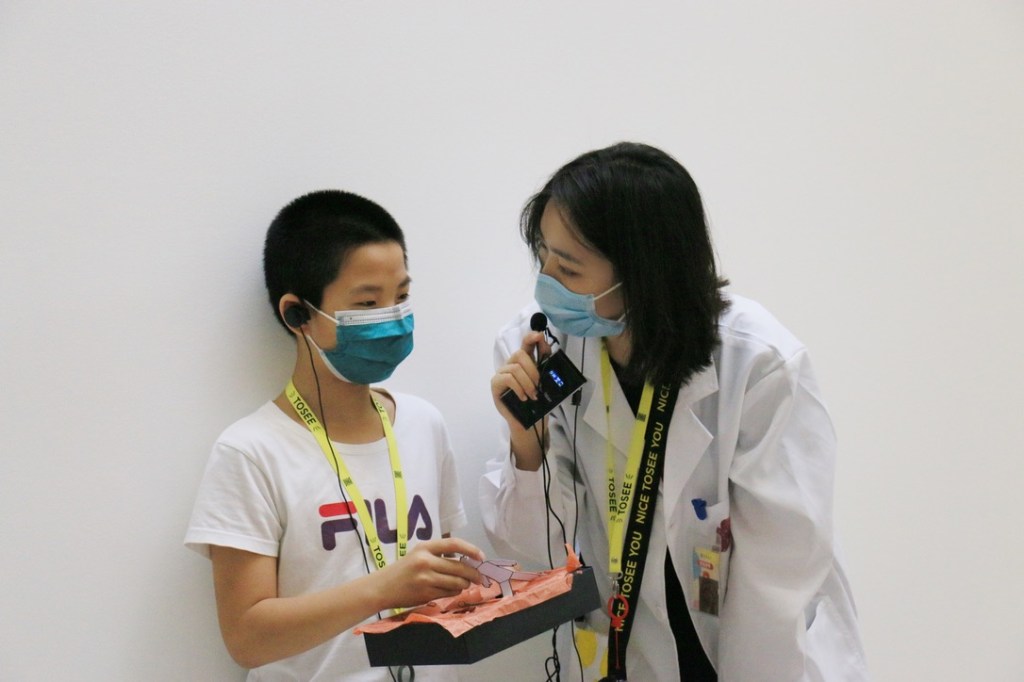
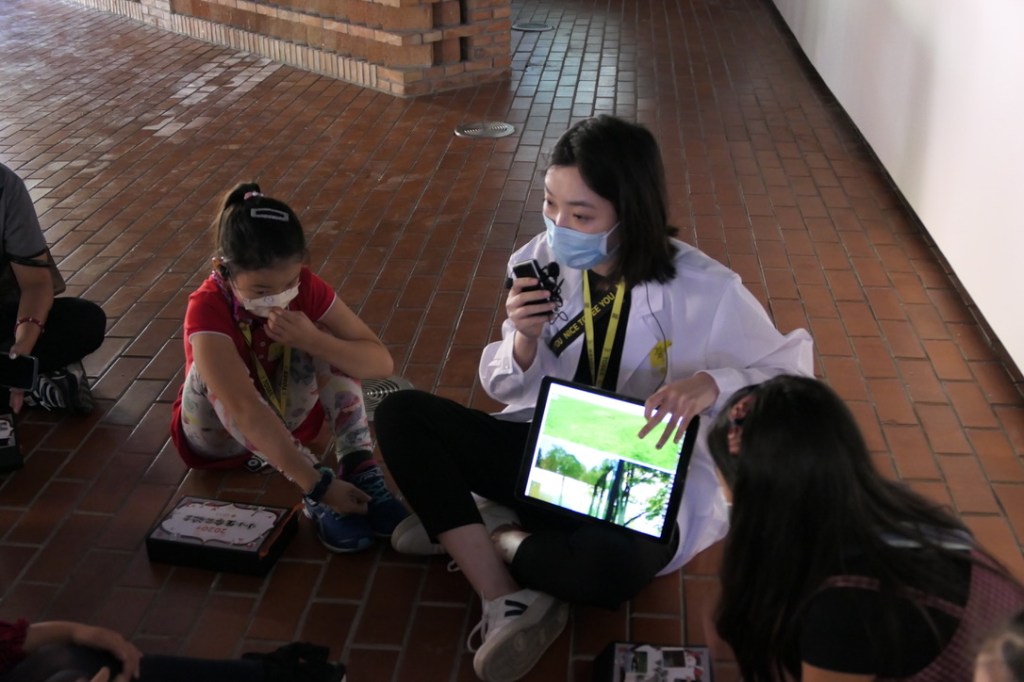
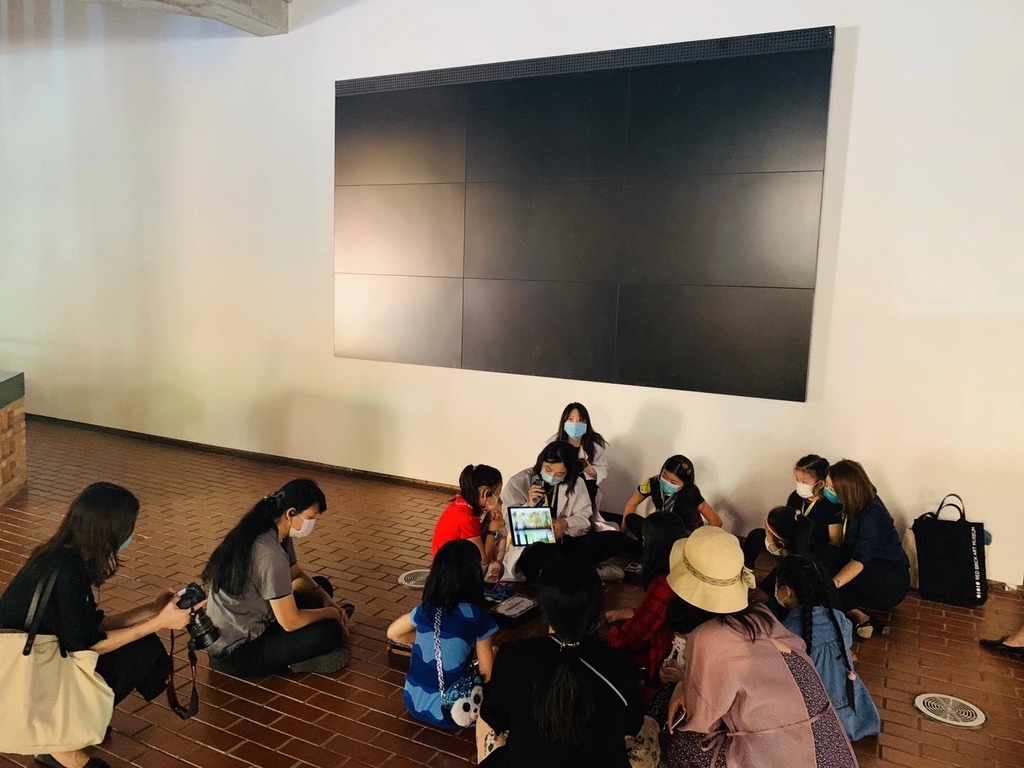
Besides the in-gallery teaching part, I also made a pre-visit video as well as a post-visit video to extend learners’ museum experiences beyond the museum wall.
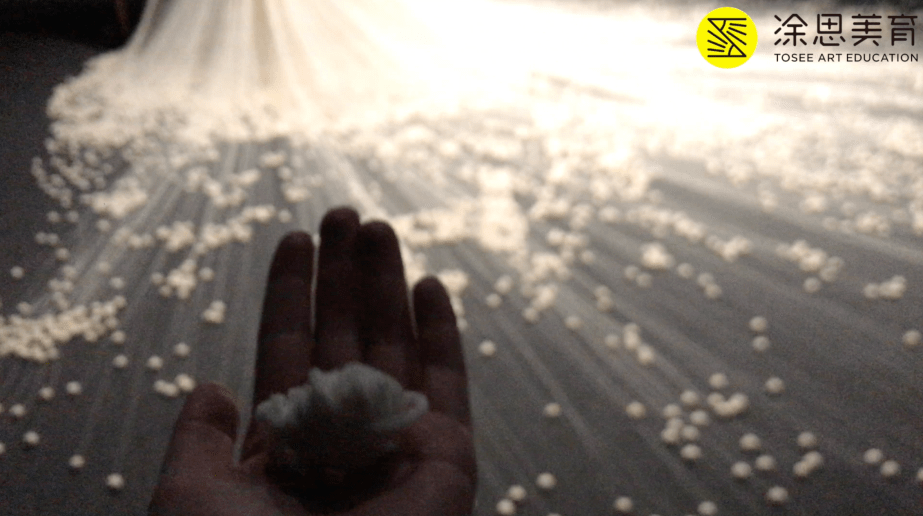
Contemporary art has always been acknowledged as a difficulty in terms of understanding and connecting with for audiences across the world. This project was developed to help with this situation and introduced a set of accessible approaches that audiences can use and re-use in their experience with such artwork in not only the Red Brick galleries but also in other museum contexts.
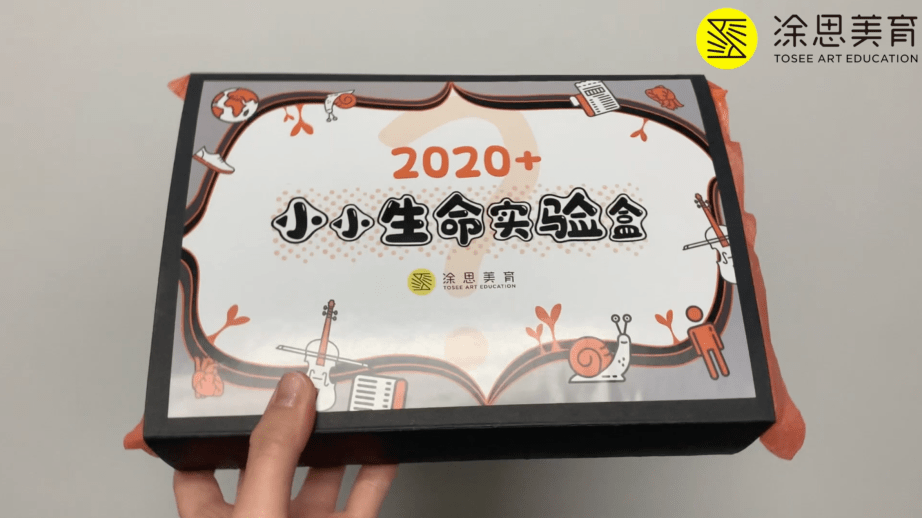
For audiences from age 4 to 12, I designed a tinker box with 9 objects inside. The 9 objects that I handmade or selected were in close-relation with the artwork in this exhibition.
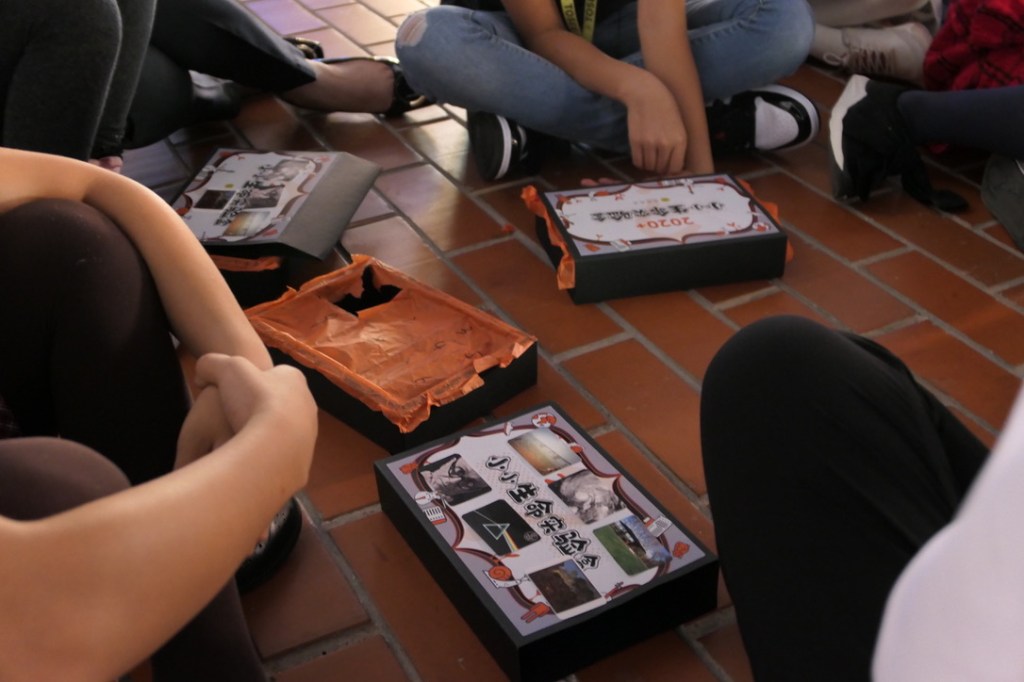
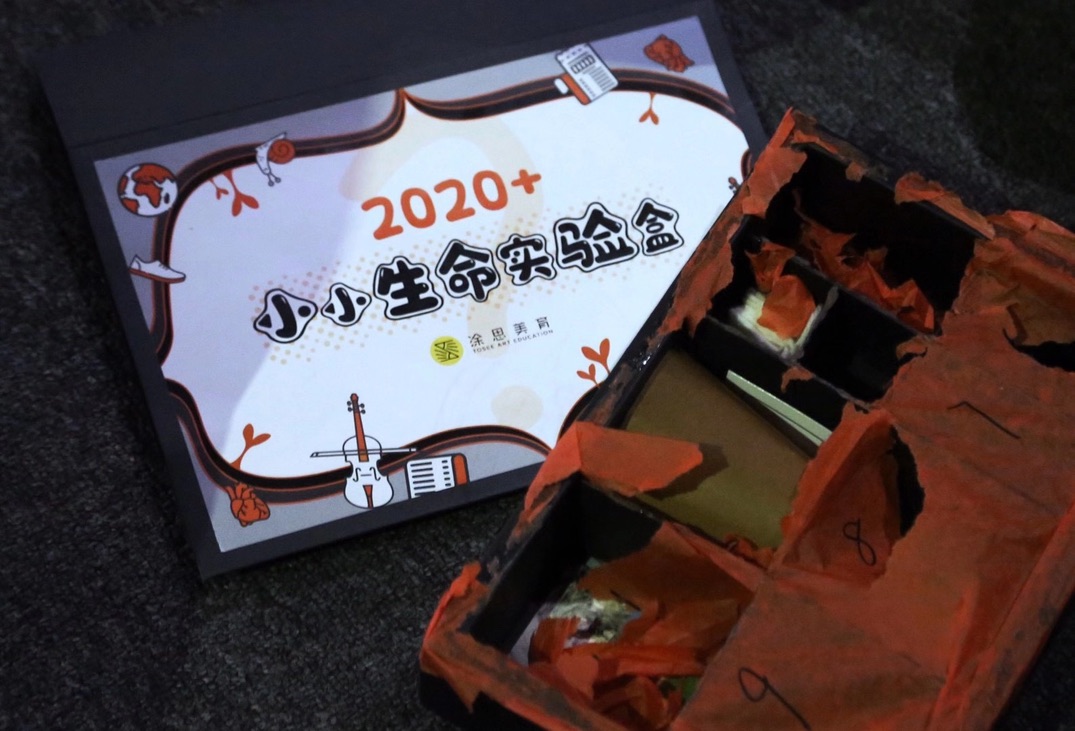
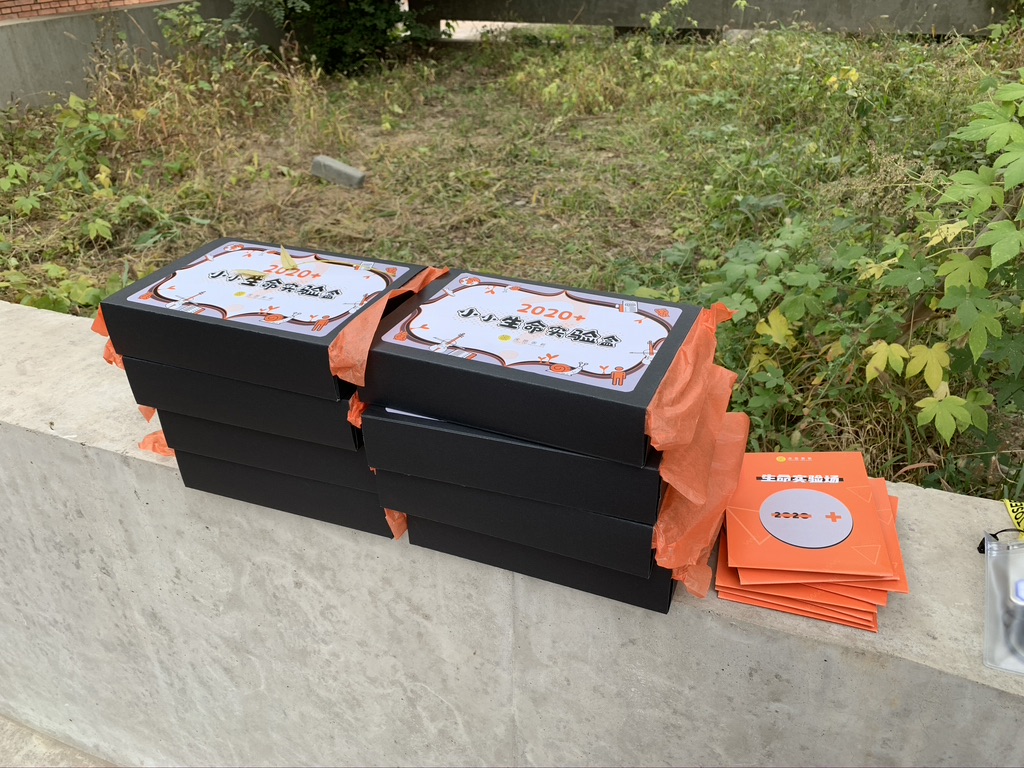
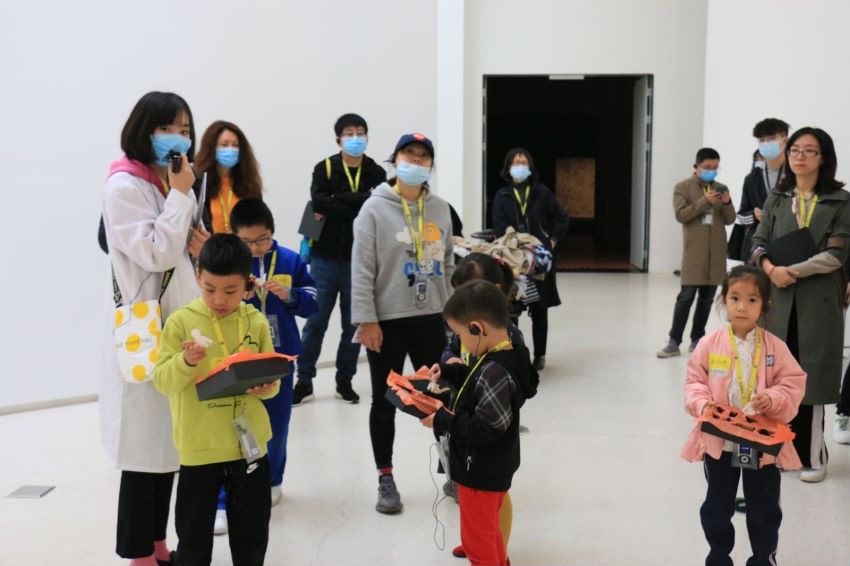
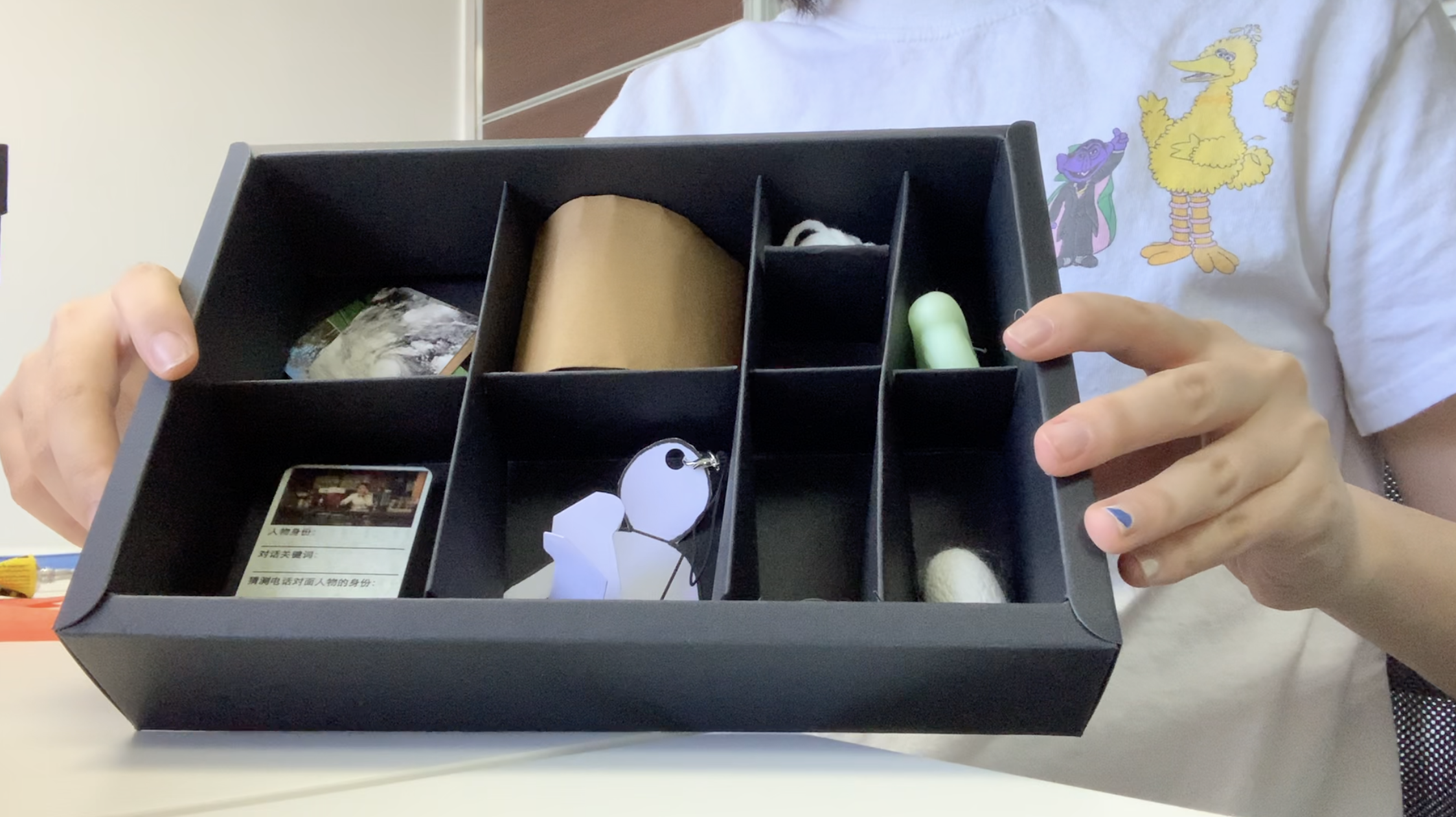
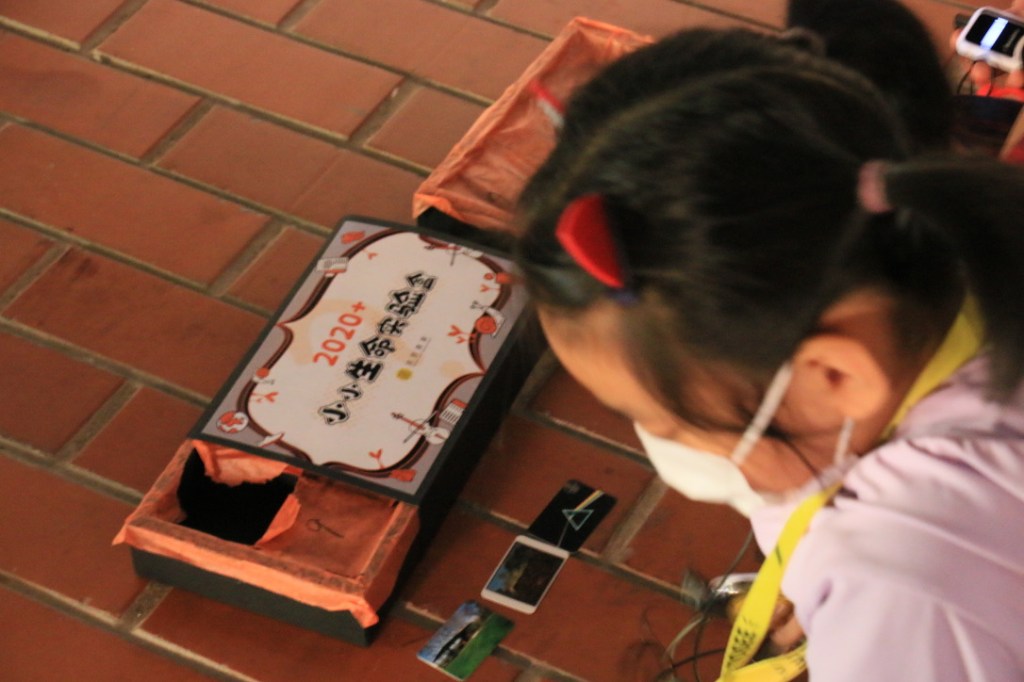
Some objects were related to the artwork according to the art-making process (for example, the shuffle cards I made for students to understand the creative process of Rachel Rose when making the A Minute Ago) ;
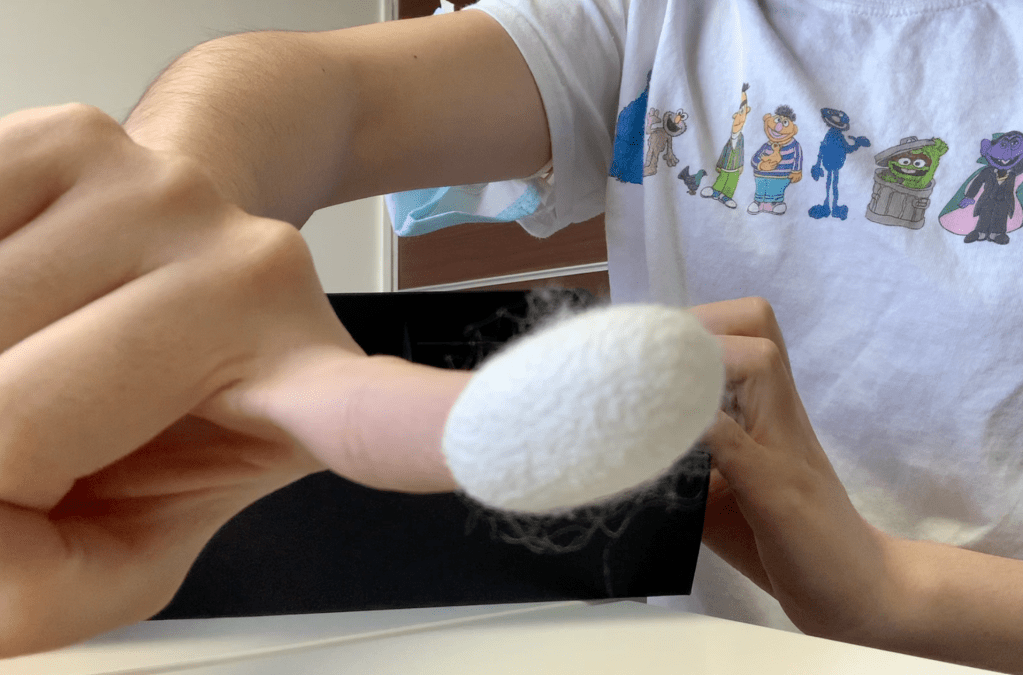
Some were related to the artwork in terms of material (for example, the silkworm cocoon I put in the box would allow students to touch and feel how Shaoji Liang’s silk-made artwork feels like, and to further aid their understanding of the artist’s specific choice of material);
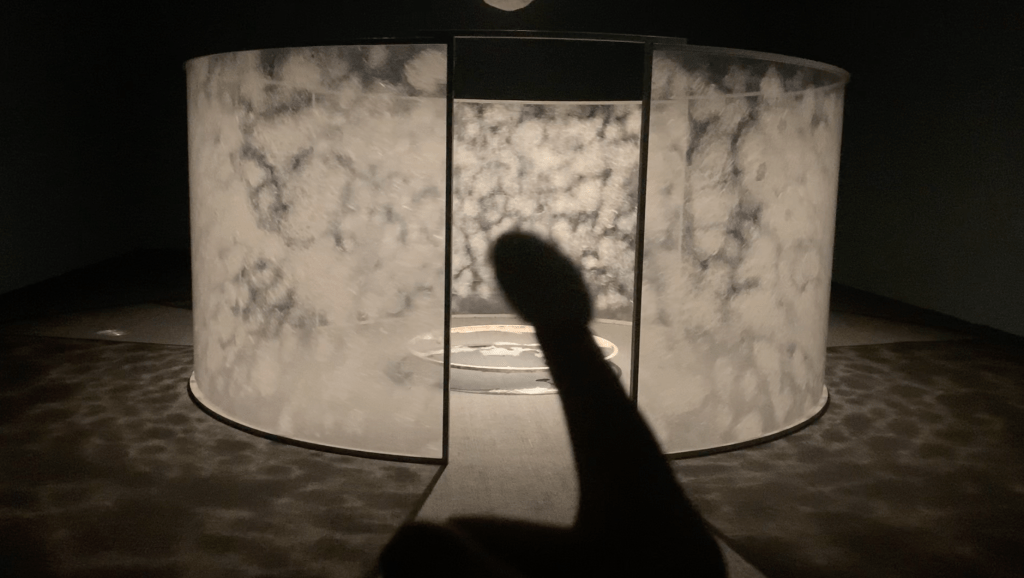
Some were related to the artwork by means of artistic concepts (for example, the task cards in the shape of ‘tombstone’ were designed based on the 9 stories told in Hui Tao’s video installation, the questions on the cards, including discovering the identity of the person in the video, concluding the keywords of the conversation, speculating who was on the other side of the phone call, imagining what would happen after the phone call, were used to encourage students’ close examination and logistic understanding of the video content they were assigned to watch);
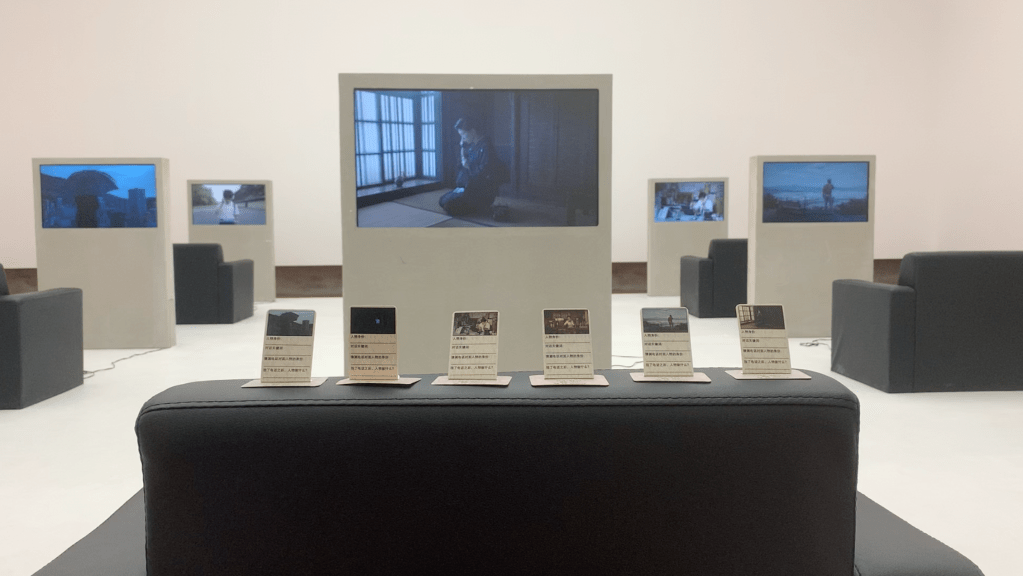
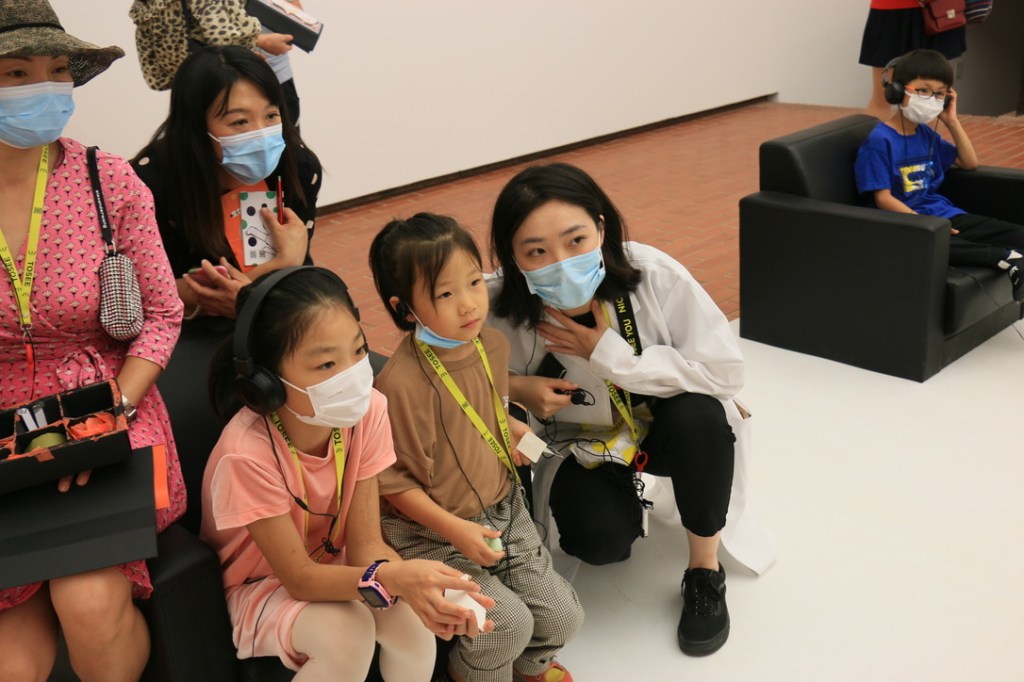
Some were designed in line with the core inspirations of the artwork (for example, the human-body-shaped card was designed to help students understand the main idea of ‘shoes carrying memory’ in Xiuzhen Yin’s artwork, and to encourage students choose and observe one pair of shoes from the installation and create a imaginative body as well their memory for the owners of the shoes);
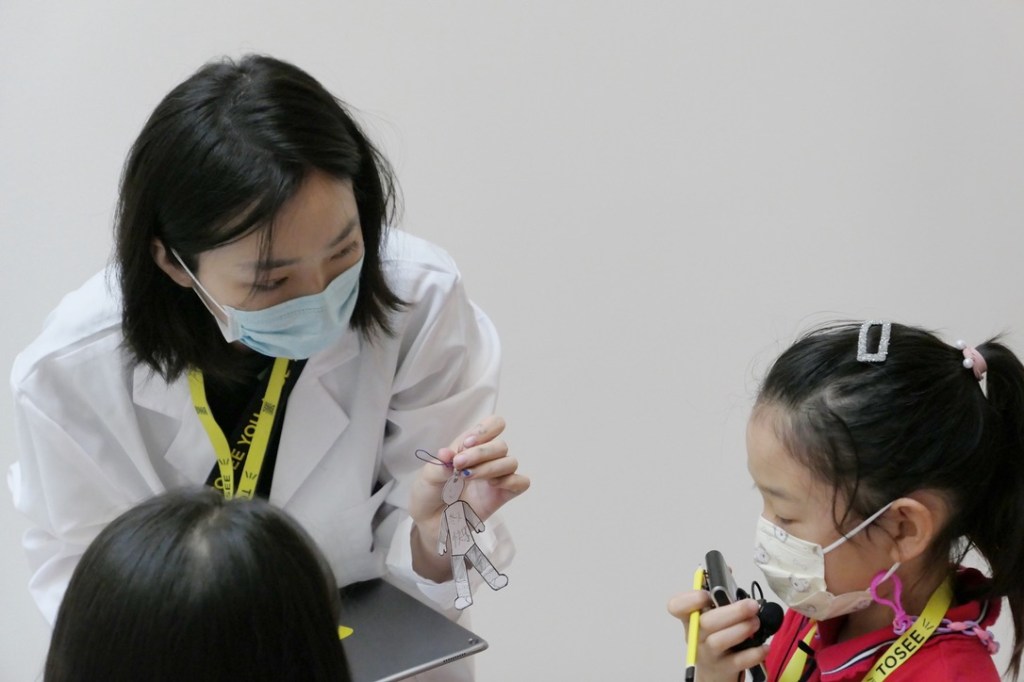
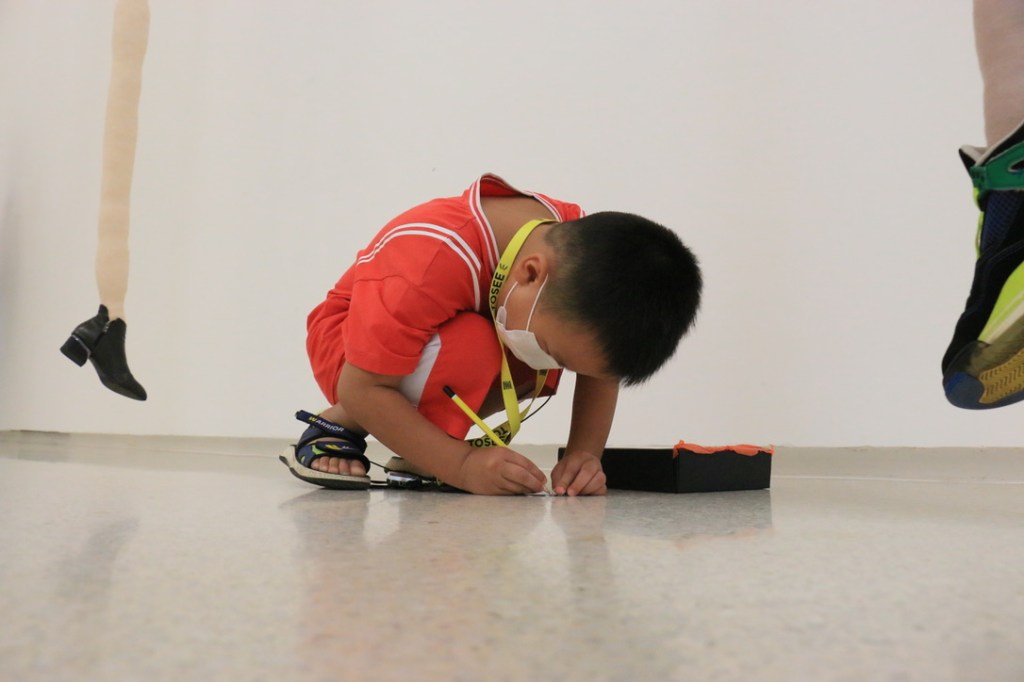
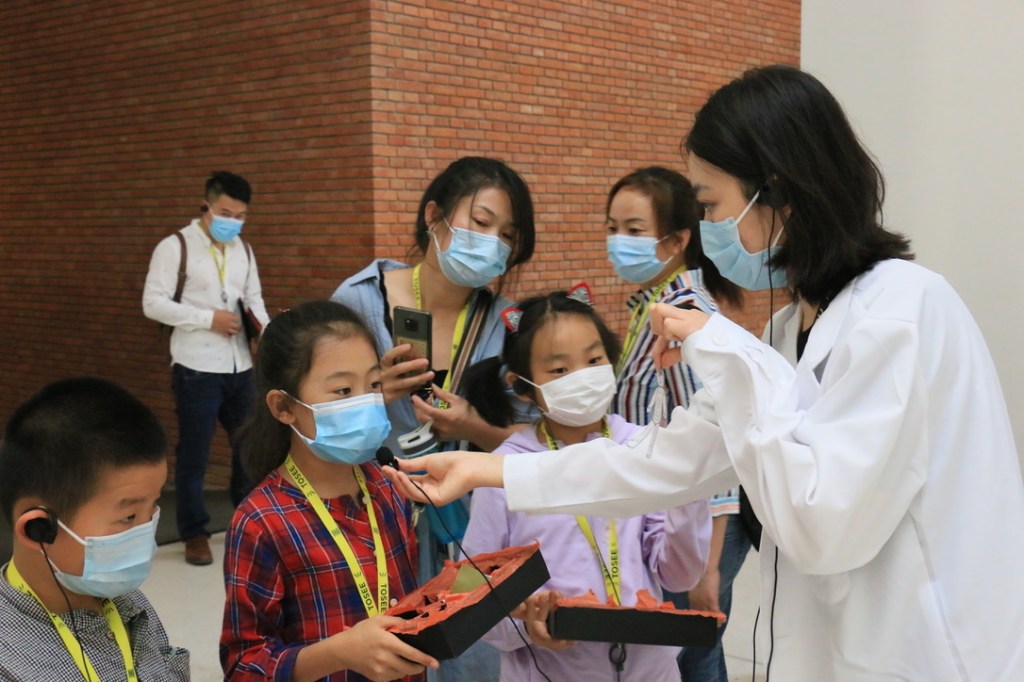
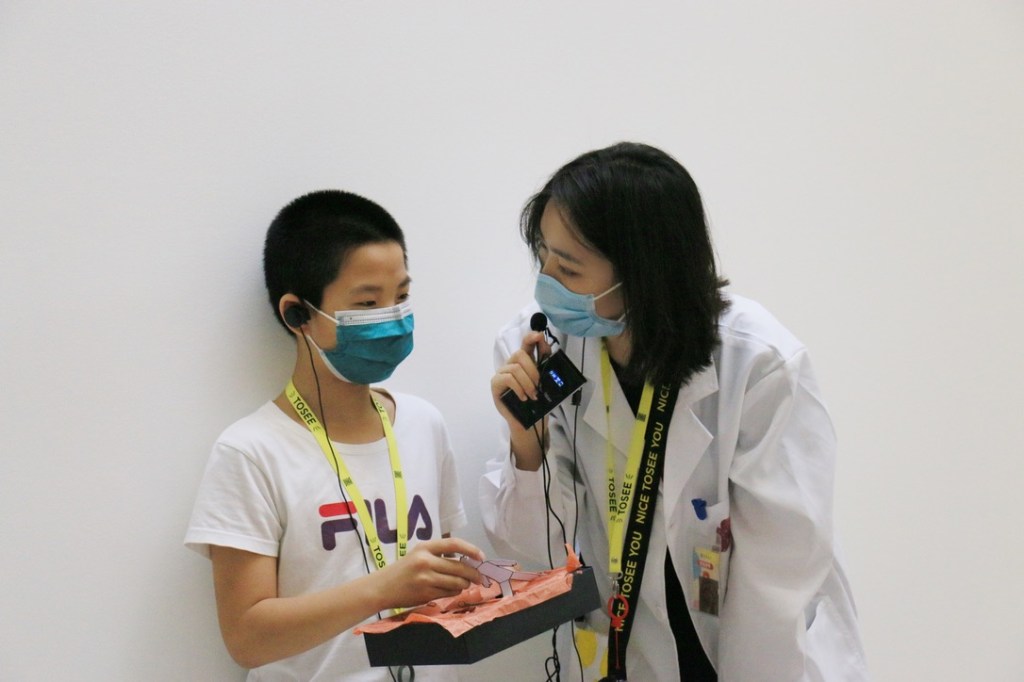
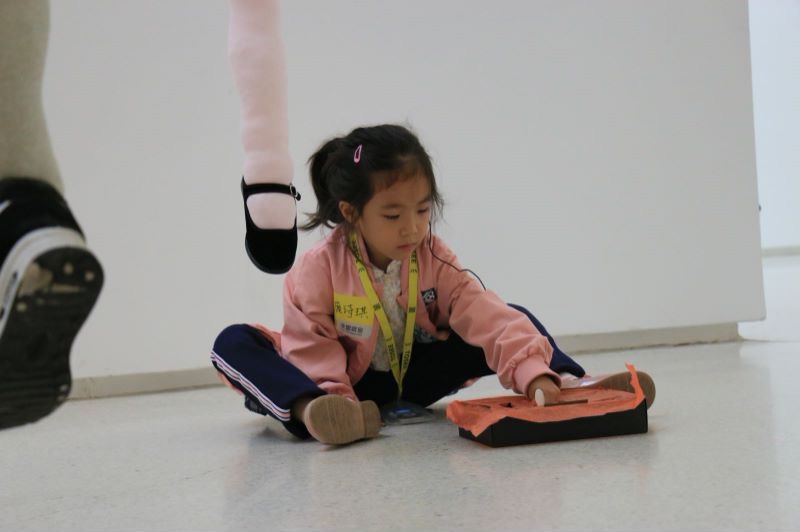
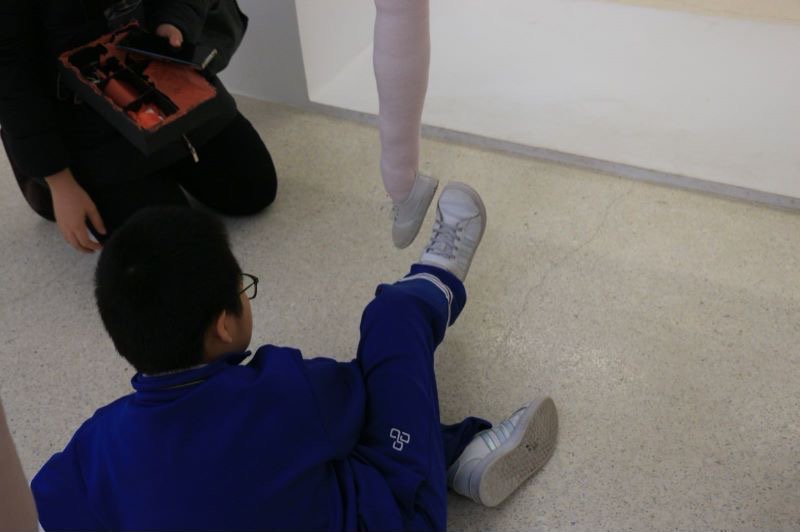
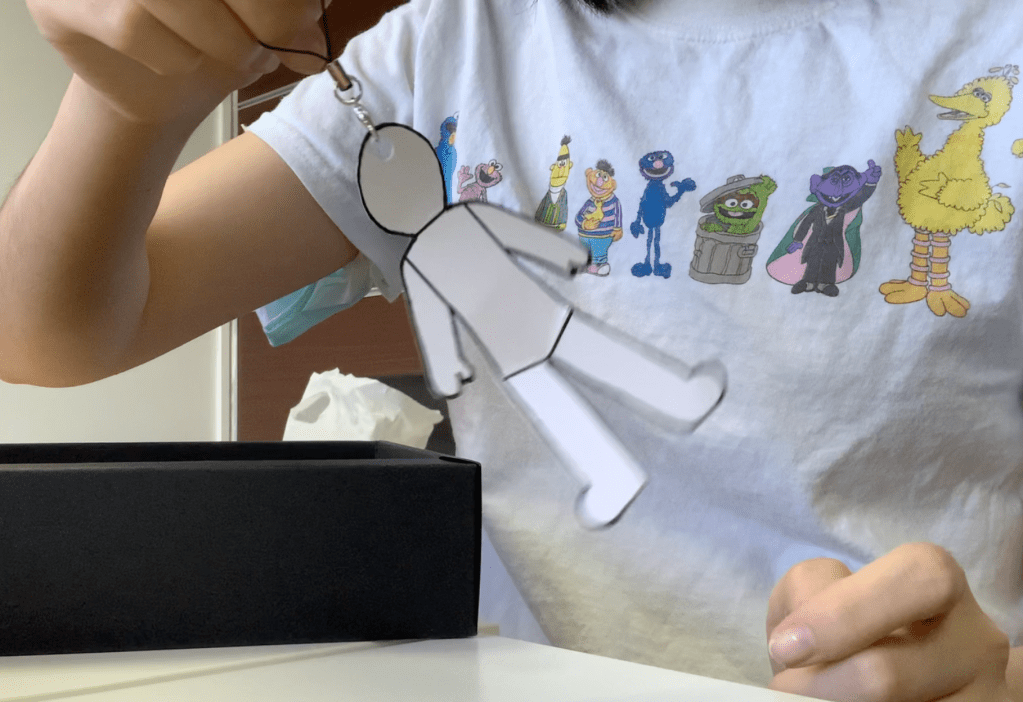
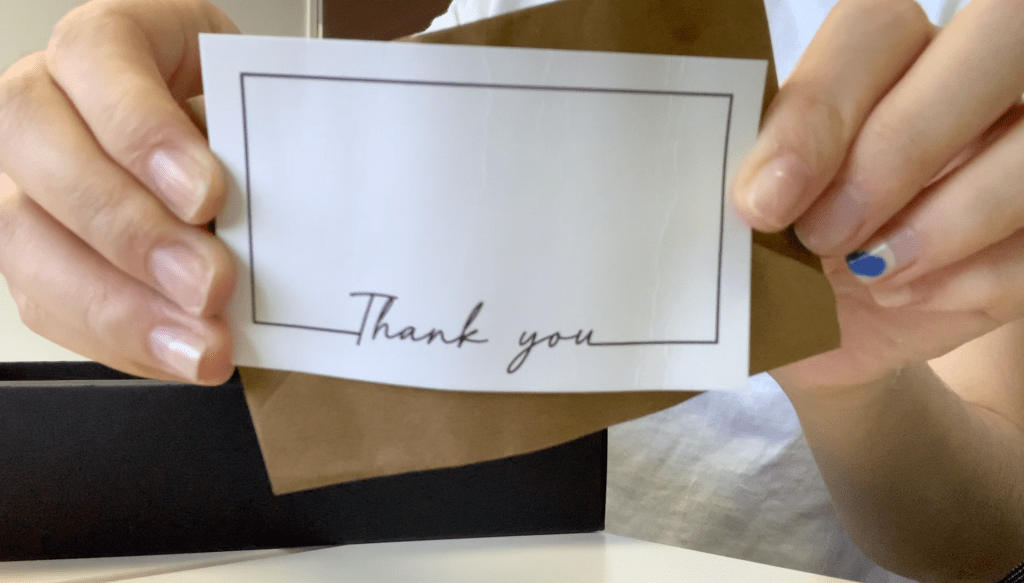
Some were developed to connect artwork with the real life and to further cope with real life difficulties (for example, the thank you card I put in the box was used to inspire learners’ understanding of death from a more positive perspective).
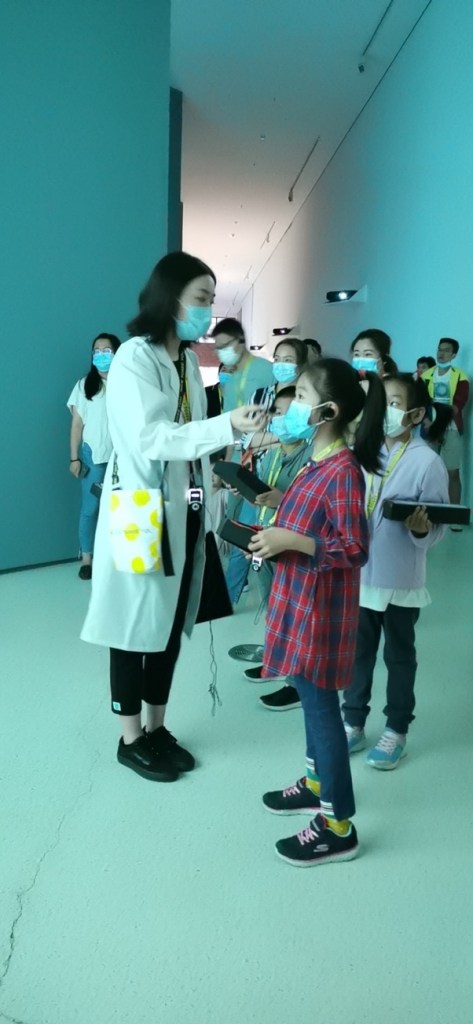
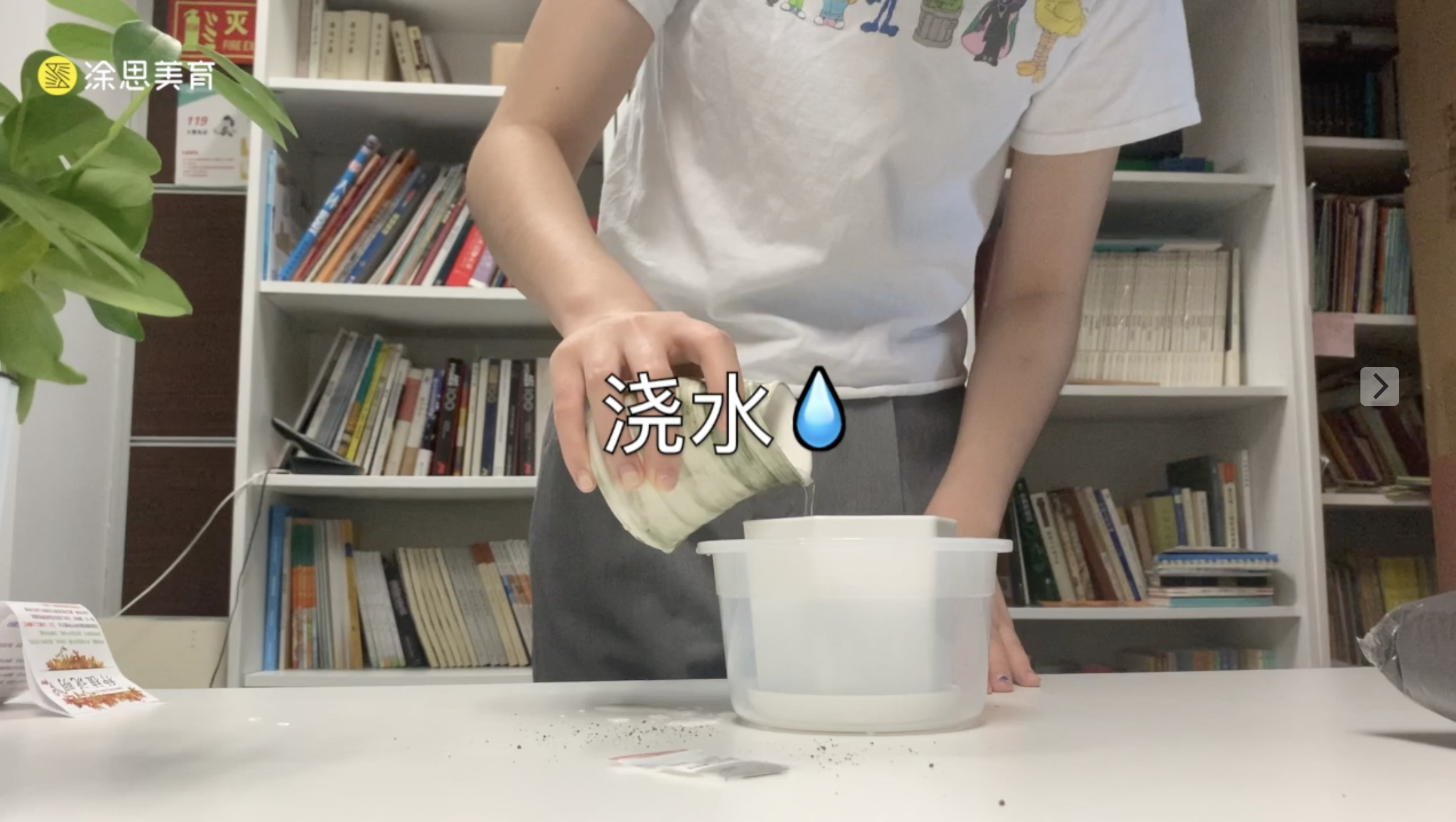
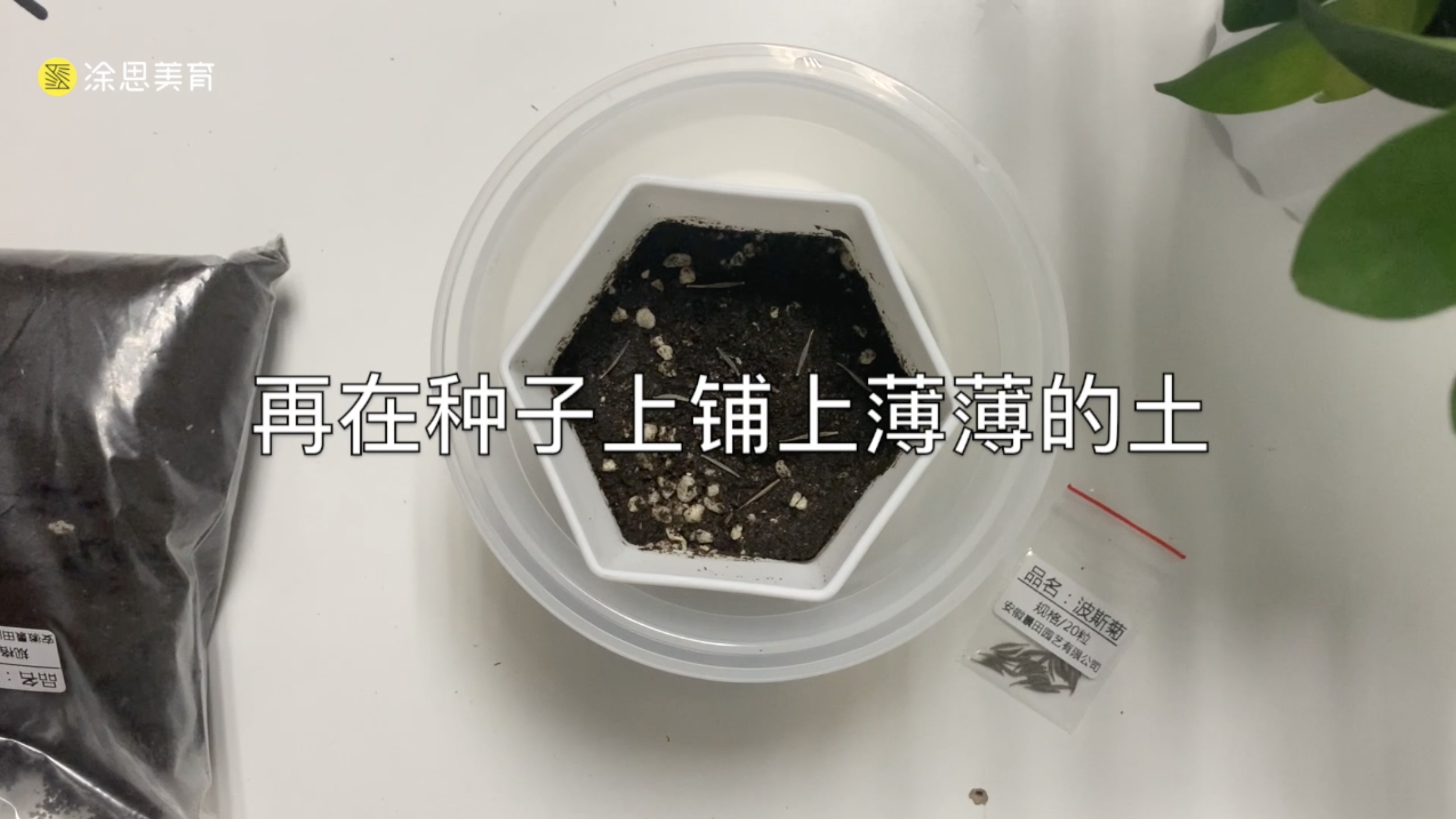
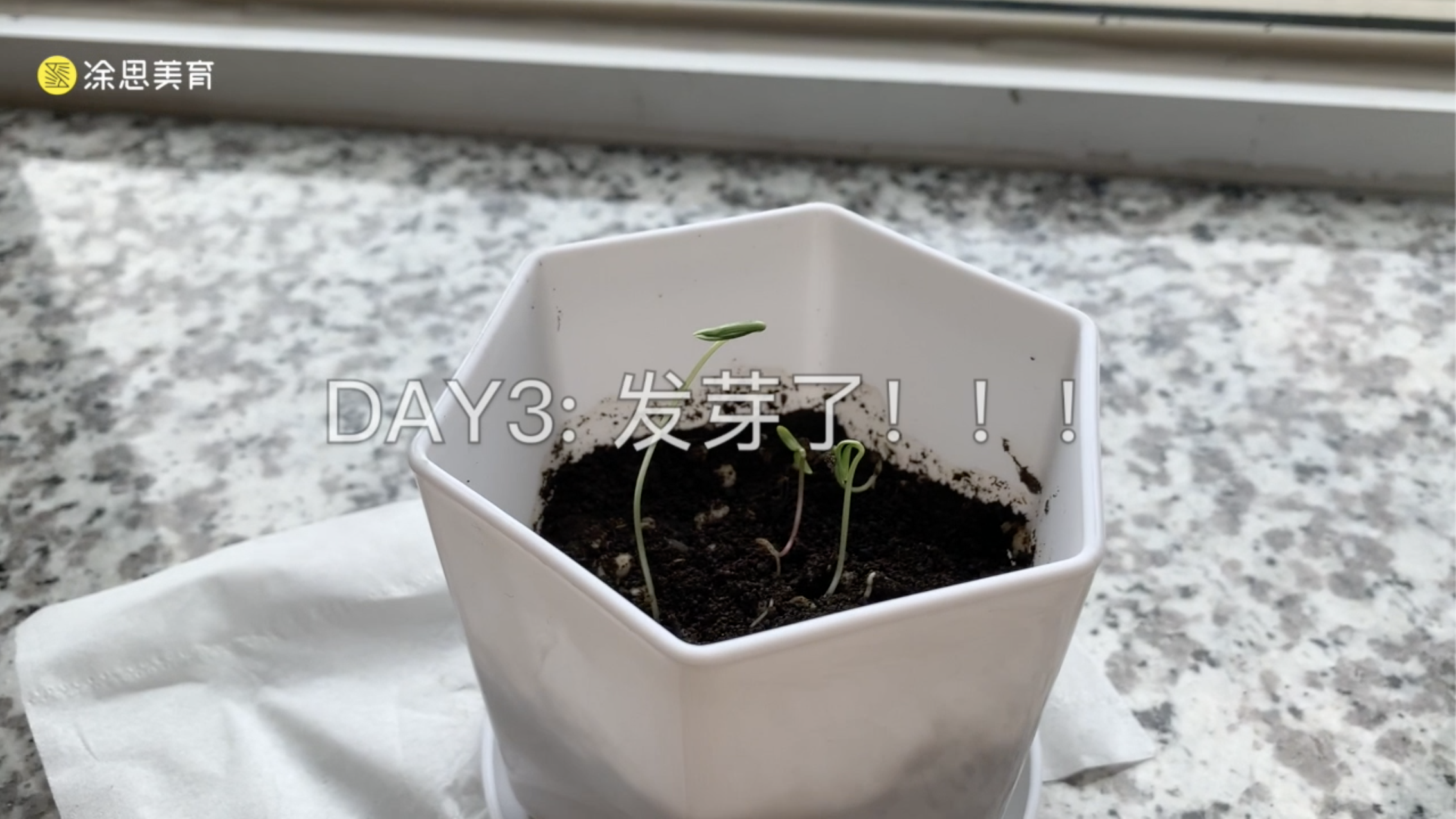
Besides this tinker box, which was of great welcome from the young learners, I also put together a post-visit gift for each of the young learners: a seed and pot package for them to plant and care after the gallery experience. I gifted this special life-package to the kids to hopefully enhance their understanding and experience of Life building upon the experiences of Life they gained from the artwork and the gallery lesson. I also encouraged the learners to record the growth of their plant by posting a video record of my own plant.
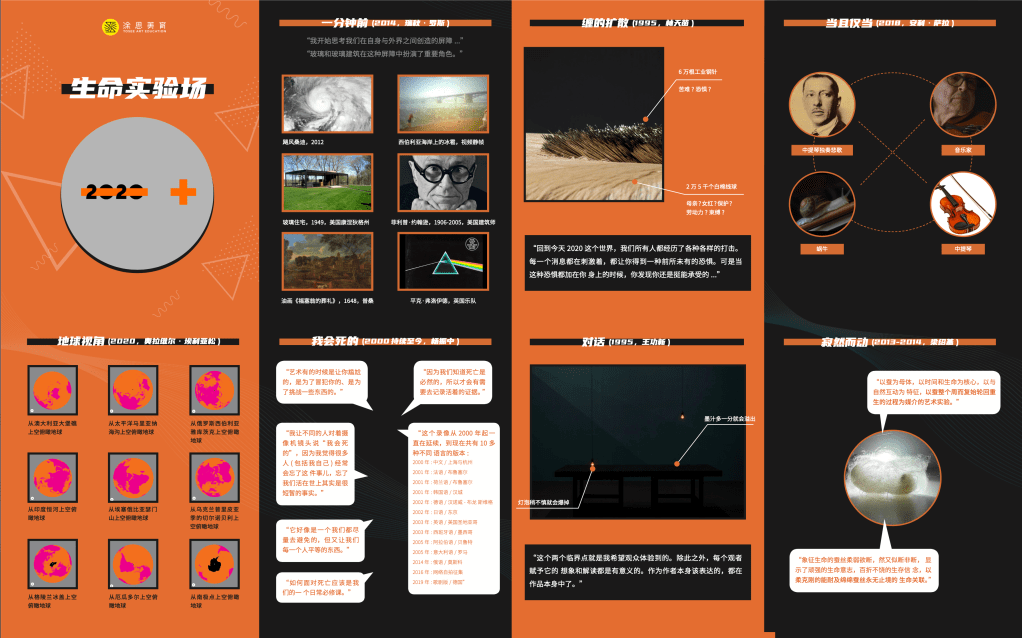
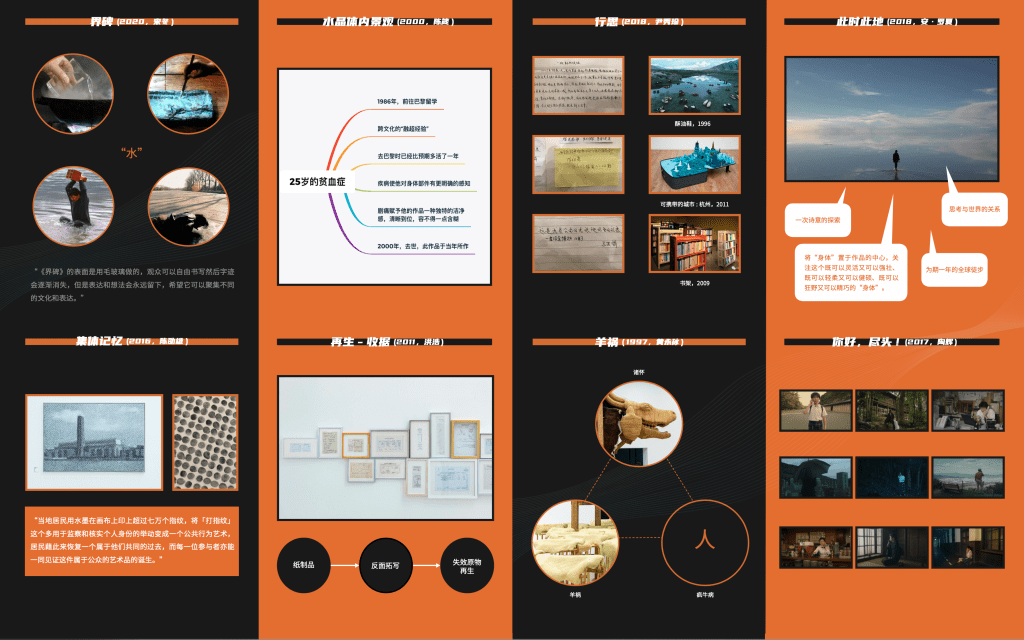
For adult learners, I developed a brochure with important information, fun facts, inspiring questions, as well as artist’s quotations of all 15 artwork in this exhibition. The brochure was developed to guide the adult learners’ philosophical understanding of the contemporary art and see the deep connections between art and society in these works. During the gallery experience, I also use questions and dialogues to help the learners draw connections among the works of several Chinese artists and build a clearer view of the grand landscape of contemporary art in China.
 SIYAO LYU